The Art of the Vinous Shadow: Decoding the Unseen Impact of Rootstock on 2026's Wine Identity
The intricate world of winemaking extends far beyond the sun-drenched vineyards and delicate grapes we often admire. Beneath the surface lies a fundamental, often overlooked element known as the rootstock, a silent architect exerting profound rootstock wine influence. This subterranean hero, to which the noble Vitis vinifera is grafted, plays a critical role in shaping the identity of the wine we enjoy today in 2026.

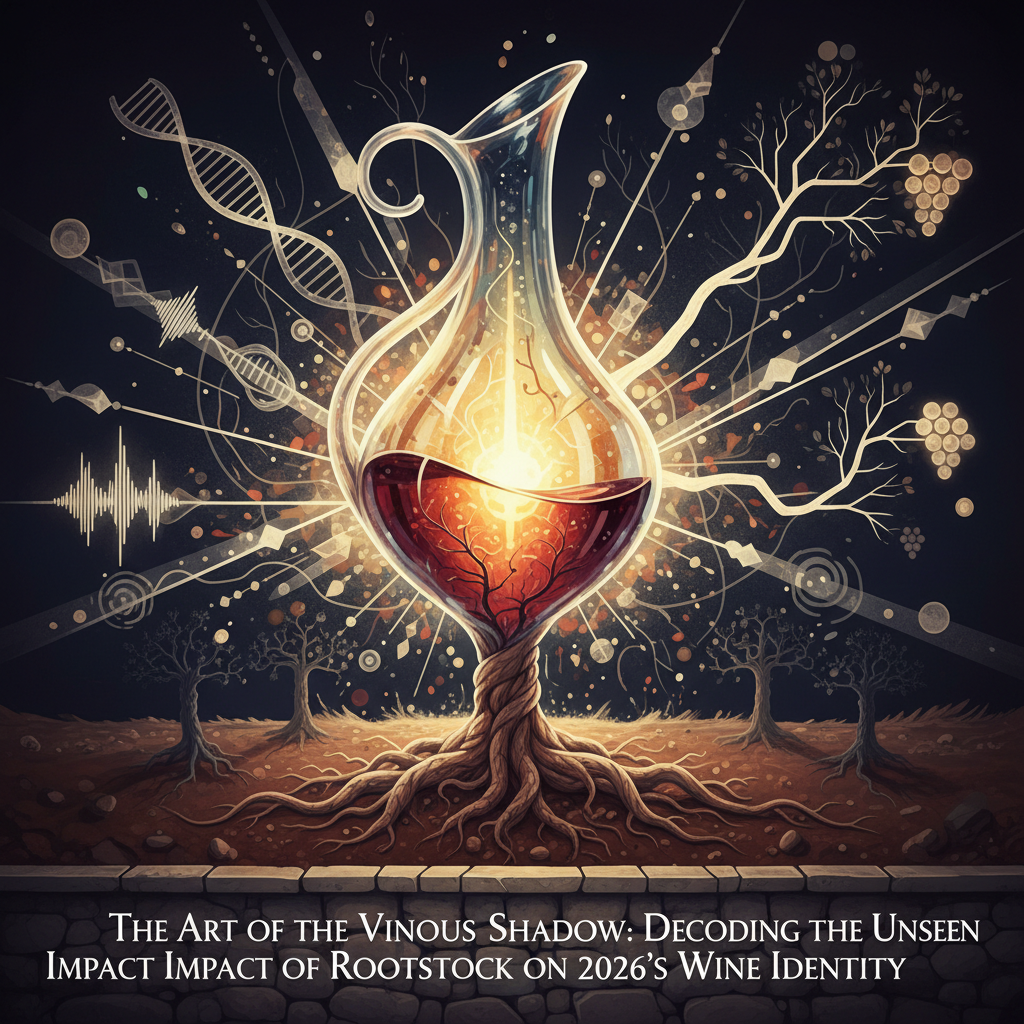
The Art of the Vinous Shadow: Decoding the Unseen Impact of Rootstock on 2026's Wine Identity
The intricate world of winemaking extends far beyond the sun-drenched vineyards and delicate grapes we often admire. Beneath the surface lies a fundamental, often overlooked element known as the rootstock, a silent architect exerting profound rootstock wine influence. This subterranean hero, to which the noble Vitis vinifera is grafted, plays a critical role in shaping the vine's health, its interaction with the soil, and ultimately, the very character of the wine in your glass in 2026. Understanding this influence is key to appreciating the full depth of a wine's identity, much like understanding the winemaker's personal style contributes to overall appreciation.
Understanding the Foundation: What is Rootstock and its Wine Influence?
Rootstock refers to the lower part of a grafted vine, providing the root system and the base upon which a desired grape variety (the scion) is grown. Its primary purpose, historically, was to combat the devastating phylloxera louse, which decimated European vineyards in the late 19th century. However, its importance has vastly expanded since then.
The choice of rootstock is one of the most significant long-term decisions a viticulturist makes. This decision impacts everything from drought resistance to nutrient uptake and, crucially, the vine's vigor and fruit development. The subtle yet pervasive rootstock wine influence dictates many of the unseen characteristics that contribute to a wine's complexity.
Historical Context and Phylloxera
- Phylloxera Devastation: The aphid-like insect phylloxera, native to North America, attacked the roots of European Vitis vinifera vines, leading to widespread destruction.
- The Solution: American grape species (e.g., Vitis aestivalis, Vitis riparia, Vitis rupestris) proved naturally resistant to phylloxera. Grafting susceptible Vitis vinifera onto these resistant rootstocks became the standard practice.
- Ongoing Necessity: Even in 2026, virtually all commercial vineyards globally rely on grafted vines to protect against phylloxera and other soil-borne pests and diseases. For further reading on historical impacts, see this Wine Spectator article on phylloxera's history.
Key Characteristics Imparted by Rootstock
Beyond pest resistance, rootstocks offer a range of physiological advantages:
- Drought Resistance: Some rootstocks excel in dry climates, allowing vines to thrive with less irrigation.
- Vigor Control: Rootstocks can be selected to either promote strong growth (high vigor) or limit it (low vigor), essential for canopy management and fruit quality.
- Nutrient Uptake: Different rootstocks have varying abilities to absorb specific nutrients from the soil, influencing vine health and fruit composition.
- Soil Adaptability: Certain rootstocks perform better in specific soil types, such as chalky, sandy, or clay soils, or those with high pH or salinity.
- Nematode Resistance: Protection against microscopic roundworms that can damage root systems.
The Direct Impact on Vine Physiology and Fruit Chemistry
The connection between the rootstock and the scion is not merely structural; it's a dynamic physiological partnership. This partnership creates a specific environment within the vine that directly influences the grapes and, subsequently, the wine. The rootstock wine influence here is particularly tangible.
For instance, rootstocks that promote lower vigor can lead to smaller berries with a higher skin-to-pulp ratio. This often translates to more concentrated flavors, higher tannin levels, and enhanced color in red wines. Conversely, high-vigor rootstocks might lead to larger yields but potentially diluted flavors if not carefully managed.
Water Relations and Stress Response
Rootstocks play a critical role in how a vine manages water. Some are deep-rooted, allowing vines to access water reserves during dry spells, while others are more shallow, making them suitable for areas with consistent rainfall.
- Hydraulic Conductivity: The efficiency with which water is transported from the roots to the leaves.
- Drought Avoidance vs. Tolerance: Rootstocks can confer mechanisms for vines to either avoid drought stress (e.g., deep roots) or tolerate it (e.g., stomatal control).
- Impact on Berry Size: Water availability directly affects berry size, which in turn influences juice concentration.
Nutrient Transport and Accumulation
The diverse root architectures and physiological mechanisms of different rootstocks impact which nutrients are absorbed from the soil and how efficiently they are transported to the fruit. This can affect:
- Nitrogen Uptake: Influences yeast nutrition during fermentation and can impact aromatic compounds.
- Potassium Levels: Critical for pH balance in the grape must and wine, affecting acidity and overall freshness.
- Micronutrients: Trace elements like zinc, boron, and manganese, essential for vine health and enzyme function, are also influenced.
Unveiling Subtle Aromas and Flavors: Rootstock Wine Influence in the Glass
While often subtle, the rootstock wine influence extends to the taste and aromatic profile of the final product. It's not about creating overt flavors, but rather shaping the intensity, balance, and overall expression of the grape variety.
For example, a rootstock that restricts vigor might lead to more intense fruit ripeness at lower Brix levels, resulting in wines with vibrant fruit characteristics and balanced acidity. Conversely, a rootstock that encourages excessive vigor could result in a greener, less ripe character if the canopy isn't managed adequately.
Yield Control and Quality Enhancement
One of the most profound ways rootstocks influence wine quality is through their ability to control yield. A viticulturist carefully selects a rootstock to match the vigor of the scion and the fertility of the soil to achieve optimal balance.
- Balanced Vigor: Prevents excessive leaf growth at the expense of fruit production, ensuring adequate sunlight exposure to grape bunches.
- Concentration: Lower yields often correlate with higher concentration of flavor compounds, tannins, and anthocyanins (color pigments).
- Homogeneous Ripening: A well-chosen rootstock aids in more even ripening across the vineyard, leading to consistent quality.
Acidity and pH Management
The rootstock selection can indirectly influence the pH and acidity levels in the finished wine. By affecting nutrient uptake, particularly potassium, and influencing the vine's water status, it contributes to this crucial balance.
Regions focusing on wines with crisp acidity and freshness, like many European appellations in 2026, pay particular attention to rootstock choices that support these characteristics. The right rootstock, interacting with the terroir, helps achieve a harmonious acid profile. Learn more about the impact of potassium on grape must pH from this Wine Grapes article on pH control.
Emerging Trends and Future of Rootstock Selection in 2026
As the climate changes and viticulture evolves, the importance of adaptable and resilient rootstocks continues to grow. In 2026, producers are increasingly looking towards rootstocks that offer specific traits to combat new challenges and meet sustainability goals.
Research and development in rootstock breeding are focusing on next-generation varieties that can offer enhanced drought tolerance, improved disease resistance, and better adaptation to diverse soil conditions. The long-term rootstock wine influence will be shaped by these innovations.
Climate Change Adaptation
- Increased Drought Tolerance: Essential for regions experiencing more frequent and severe droughts.
- Heat Resistance: Rootstocks that help vines cope with rising temperatures and reduce heat stress.
- Salinity Tolerance: For vineyards in coastal areas or those with increasing irrigation water salinity. More details on rootstock's role in climate change adaptation can be found in this Nature research paper.
Sustainable Viticulture
Rootstock choice is a cornerstone of sustainable viticulture. By selecting rootstocks that resist pests and diseases, the need for chemical intervention can be significantly reduced. This aligns with global trends towards organic and biodynamic farming, increasingly adopted by leading wineries in 2026.
- Reduced Chemical Inputs: Less reliance on pesticides and fungicides.
- Efficient Water Usage: Saving precious resources.
- Improved Soil Health: Enhancing the overall ecosystem of the vineyard.
The continued focus on how rootstock wine influence contributes to both vine health and environmental stewardship underscores its foundational role in the wine industry.
Conclusion: The Unseen Hero of the Vineyard
The journey of wine from vineyard to bottle is a complex tapestry woven from countless decisions and natural interactions. Among these, the choice of rootstock stands as a silent protagonist, wielding significant rootstock wine influence from beneath the soil. It's a testament to the fact that great wine is not merely about the grape variety or the weather, but also about the unseen foundations that nourish and support the vine.
The more we delve into these intricate details, the richer our appreciation for wine becomes. So, the next time you savor a glass from 2026, remember the vital role of the rootstock – the unseen hero that has profoundly shaped its identity, ensuring its health, longevity, and ultimately, its unique expression of terroir.
Written by
Juniper Thorne is an experienced writer and educator with a deep passion for the world of wine. Bringing expertise in sensory analysis and wine culture to the Greatest Wine platform, Juniper helps readers explore and appreciate every nuance of wine.
Related Articles

The Cellar Architects: Mastering Elite Wine Preservation and Evolution in 2026
For the true connoisseur, wine is more than just a beverage; it's a living entity, an investment, and a passion. Mastering its preservation and evolution is an art form, especially in 2026 with new technologies and insights. Learn how to protect and enhance your cherished collection.
Juniper Thorne