The Glass Ceiling: Deconstructing the Psychology Behind Wine Labels and Consumer Choice in 2026
In 2026, the psychology behind wine labels remains a critical factor in consumer choice. Before a single drop is tasted, the bottle's visual narrative—encompassing design elements, imagery, typography, and even the wine’s name—profoundly influences perceptions and purchasing decisions. This article deconstructs the intricate ways wine labels form first impressions and shape consumer behavior in both retail and digital environments.

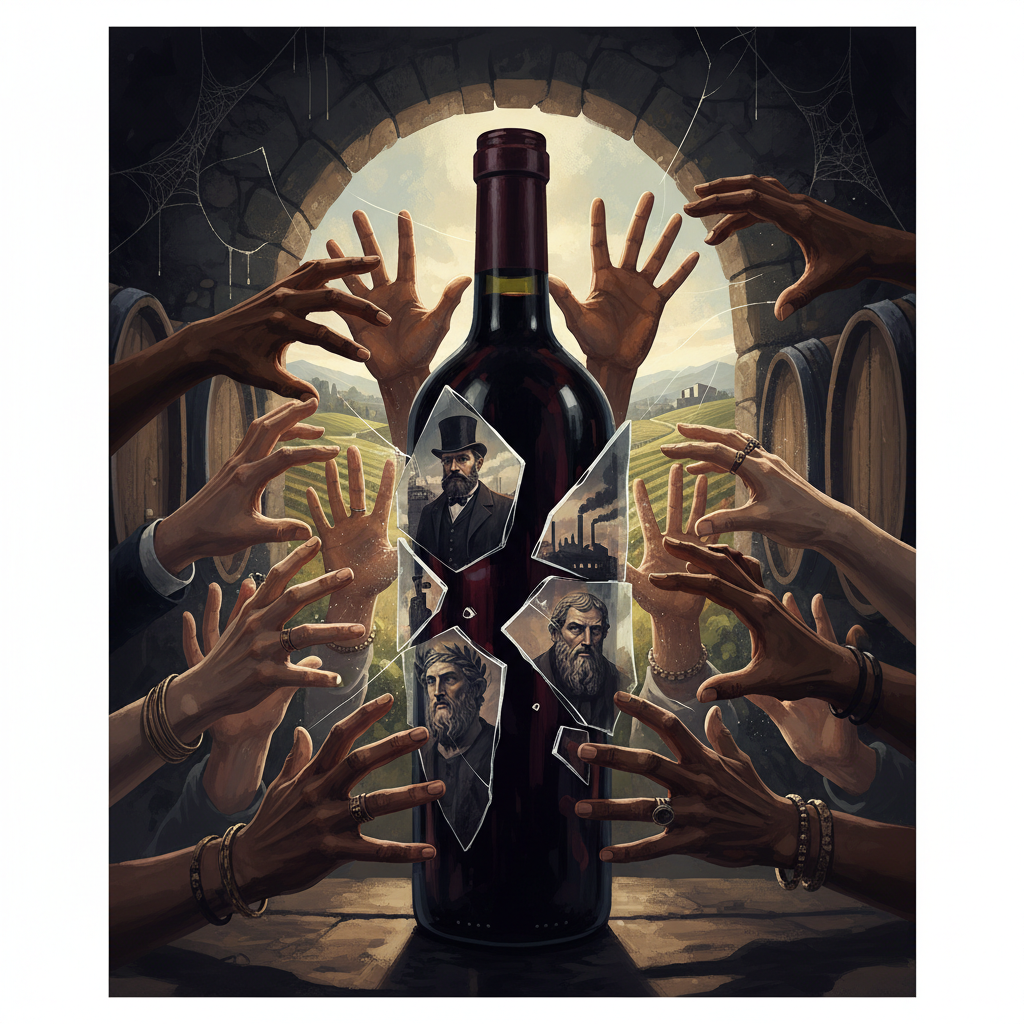
Wine Label Psychology: Deconstructing Consumer Choice
In the vibrant and ever-evolving world of wine, first impressions are paramount. Before a single drop of liquid touches the palate, a story unfolds through the visual narrative presented on the bottle. This introductory phase is heavily influenced by wine label psychology, a fascinating field that delves into how design elements, imagery, typography, and even the wine’s name subtly yet powerfully steer consumer decisions. In 2026, where digital engagement and brand storytelling reign supreme, understanding these psychological triggers is more critical than ever for both producers and enthusiasts. As Greatest Wine, we explore how these visual cues transform a simple bottle into a compelling proposition, influencing everything from perceived quality to anticipated taste, long before the cork is popped. For a deeper dive into how technology is shaping consumer choices, explore The AI Sommelier: Integrating Artificial Intelligence for Predictive Pairing and Personalized Wine Discovery in 2026.
The Silent Salesperson: How Wine Label Psychology Influences Perception
A wine label functions as the bottle's silent salesperson, communicating a wealth of information in a glance. Consumers, often overwhelmed by choice in a crowded market, rely heavily on these visual cues to make rapid judgments. The design elements evoke emotions, suggest price points, and even hint at the wine's region of origin or typical flavor profile.
For instance, a minimalistic design might convey sophistication and a higher price tag, while a label adorned with vibrant imagery could suggest a fun, approachable, and potentially fruit-forward wine. This immediate interpretation, driven by learned associations and cultural context, forms the bedrock of wine label psychology. To refine your own sensory analysis skills, consider reading Decoding Sommelier Secrets: Advanced Sensory Analysis for the Home Enthusiast in 2026.
Decoding Emotional Triggers in Wine Label Design
- Color Palette: Reds and golds often signify luxury and tradition, while blues and greens can suggest freshness and natural elements. Black and white schemes are frequently used for modern, minimalist brands.
- Imagery and Illustrations: Detailed illustrations of vineyards or châteaux communicate heritage and tradition. Abstract art or bold graphics might appeal to a younger, more adventurous demographic.
- Typography Choices: Elegant script fonts convey classicism and refinement. Sans-serif fonts are frequently used for contemporary brands, signaling simplicity and clarity.
Brand Storytelling Through Wine Label Psychology in 2026
Today, consumers are not just buying a product; they are buying into a story, a lifestyle, or a set of values. In 2026, successful wine brands are expertly leveraging their labels to tell compelling stories that resonate deeply with their target audience. This goes far beyond just stating the wine characteristics.
A label can subtly convey the winery's philosophy, its commitment to sustainability, or the passion of the winemakers. This narrative aspect is a powerful driver of consumer loyalty and a key component of effective wine label psychology.
Case Studies: Successful Wine Label Storytelling
Consider the rise of wines with labels featuring QR codes that link to vineyard tours or winemaker interviews. This interactive element, while not strictly part of the static label design, enhances the storytelling and engagement. Similarly, labels incorporating local folklore or historical events from the wine region create a unique sense of place and authenticity. The role of origin and place is also crucial for understanding Uncorking the Terroir: A Deep Dive into Micro-Appellation Wines of 2026.
Another trend for 2026 is the use of augmented reality (AR) apps that animate label characters or provide additional product information when scanned. This transforms the static label into a dynamic storytelling medium, further deepening consumer connection and understanding of the wine. These innovations are continuously shaping wine label psychology.
The Impact of Typography and Materiality on Perceived Value
Beyond imagery, the choice of typeface, the texture of the label paper, and even embellishments like embossing or foil stamping play a significant role in wine label psychology. These tactile and visual details contribute to the overall sensory experience even before the wine is tasted.
A heavy, textured paper stock, for example, can communicate craftsmanship and premium quality, while a glossy, smooth finish might suggest a more modern or mass-market appeal. The font's perceived elegance or playfulness directly impacts the consumer's expectations of the wine inside. Understanding these subtleties is part of learning How to Taste Wine Like a Professional.
Factors Influencing Perceived Value:
- Paper Quality: Heavier, sustainably sourced paper stocks with unique textures are often associated with premium products.
- Finishing Touches: Embossing, debossing, foil stamping, and varnishes add layers of sophistication and visual interest, indicating attention to detail.
- Bottle Shape and Color: While not strictly part of the label, the bottle itself contributes to the overall aesthetic and perceived value, often complementing the label design.
- Seal and Closure: The type of cork, screw cap, or wax seal can communicate tradition, innovation, or quality.
Demographic Targeting through Wine Label Psychology
Different demographics respond to different aesthetic cues. What appeals to a Gen Z consumer in 2026 might be vastly different from what attracts a seasoned wine connoisseur. Effective wine label psychology involves understanding these target audiences and tailoring the design elements accordingly.
Younger demographics might be drawn to quirky, unconventional labels that break traditional norms, while older, more established consumers might prefer classic, elegant designs that convey heritage and authenticity. Wineries are increasingly investing in market research to fine-tune their label designs for maximum demographic impact.
For example, some brands are designing specific collections with labels catering to niche interests, such as sustainability enthusiasts or art lovers. This hyper-segmentation allows for a more personalized approach to marketing and helps the wine stand out in an increasingly crowded marketplace. The success often hinges on how well the wine itself aligns with expectations, which is also true for Wine & Food Pairing: A Guide to Perfect Matches.
Future Trends in Wine Label Psychology: What's Next for 2026 and Beyond
As we navigate through 2026, the landscape of wine label design continues to evolve. Sustainability is no longer a niche concern but a mainstream expectation, leading to a rise in eco-friendly label materials and designs that explicitly communicate environmental consciousness. Transparency regarding production methods and ingredients is also becoming more prevalent. This shift is highlighted in recent industry reports, such as the Global Wine Trends Report 2026, which emphasizes consumer demand for ethical sourcing.
Furthermore, the integration of digital technologies, as previously mentioned with AR and QR codes, is set to become even more sophisticated, offering consumers immersive and informative experiences. According to a study by Forbes Communications Council in January 2026, interactive packaging is a key driver for consumer connection. The balance between tradition and innovation will be a crucial tightrope for winemakers to walk, ensuring their labels remain relevant and appealing to diverse audiences.
Ultimately, the power of wine label psychology lies in its ability to tell a compelling story, evoke desired emotions, and build a connection with consumers long before the wine is tasted. In the dynamic wine market of 2026, mastering this art will continue to be a cornerstone of success for any winery. For more insights on consumer behavior and the wine industry, the Wine & Spirits Daily publication offers valuable current analysis.
Written by
Juniper Thorne is an experienced writer and educator with a deep passion for the world of wine. Bringing expertise in sensory analysis and wine culture to the Greatest Wine platform, Juniper helps readers explore and appreciate every nuance of wine.
Related Articles
The Vinous Arsenal: Essential Tools for Elevating Your Wine Experience in 2026
As we navigate May 2026, the world of wine continues to evolve, offering enthusiasts unprecedented tools. Discover the essential wine accessories for 2026 that will elevate your enjoyment, from innovative aerators to smart preservation systems. Upgrade your vinous arsenal today with Greatest Wine.
Juniper Thorne