The Rise of Gastronomic Wine Tourism: Immersive Culinary Journeys in 2026
In 2026, travel has evolved from sightseeing to profound sensory experiences. Gastronomic wine tourism is a captivating trend combining the allure of renowned wine regions with exquisite local cuisines. This unique travel form is gaining significant momentum, offering unforgettable journeys for food and wine enthusiasts.

The Rise of Gastronomic Wine Tourism: Immersive Culinary Journeys in 2026
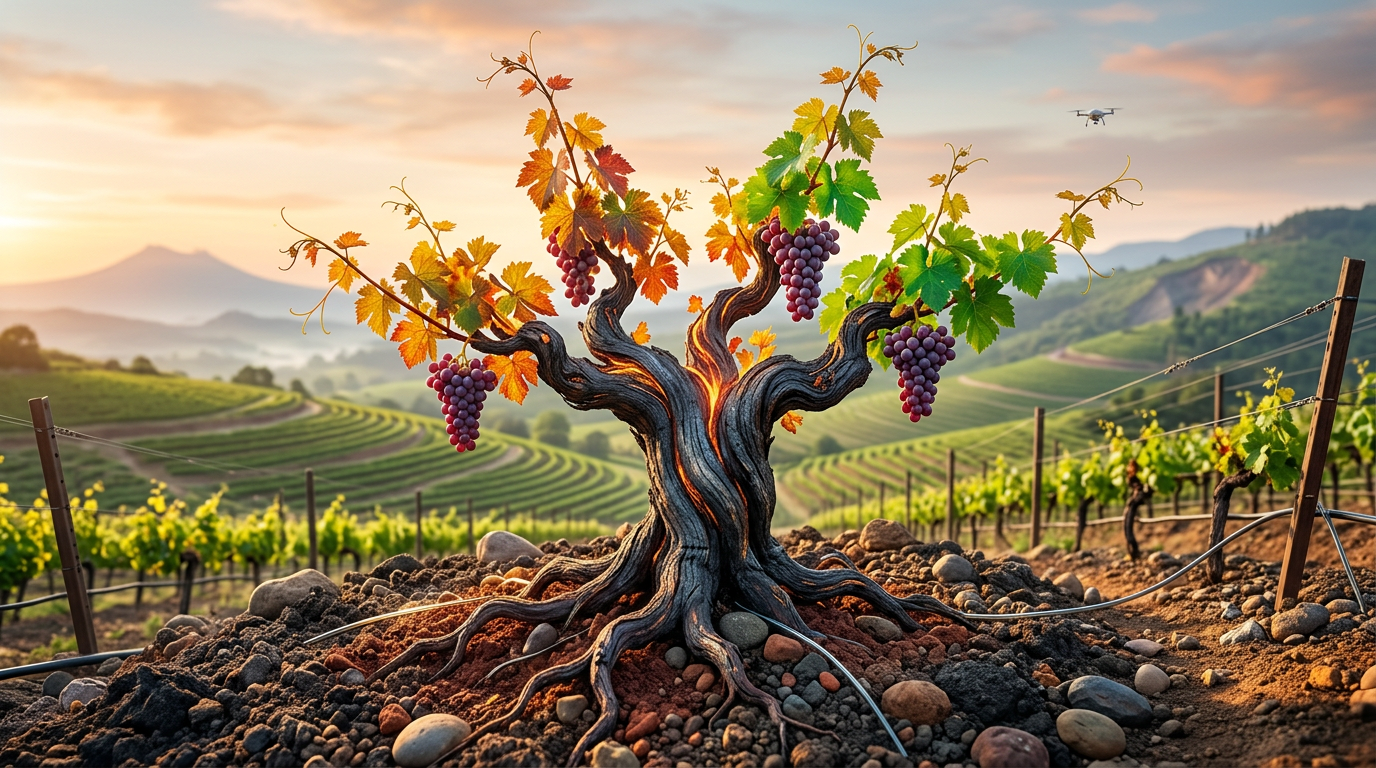
In 2026, the concept of travel has evolved beyond mere sightseeing, giving way to more profound and sensory experiences. One of the most captivating trends emerging and gaining significant momentum is gastronomic wine tourism. This unique form of travel combines the allure of exploring renowned wine regions with the exquisite pleasure of tasting local cuisines, creating an unforgettable journey for the palate and the soul. It's about delving deep into the culture, craftsmanship, and intricate flavors that define a destination, celebrating the symbiotic relationship between land, wine, and food. For those interested in how these traditions are preserved, understanding the unseen ecosystem of biodiversity in vineyards is becoming increasingly crucial.
Understanding the Appeal of Gastronomic Wine Tourism
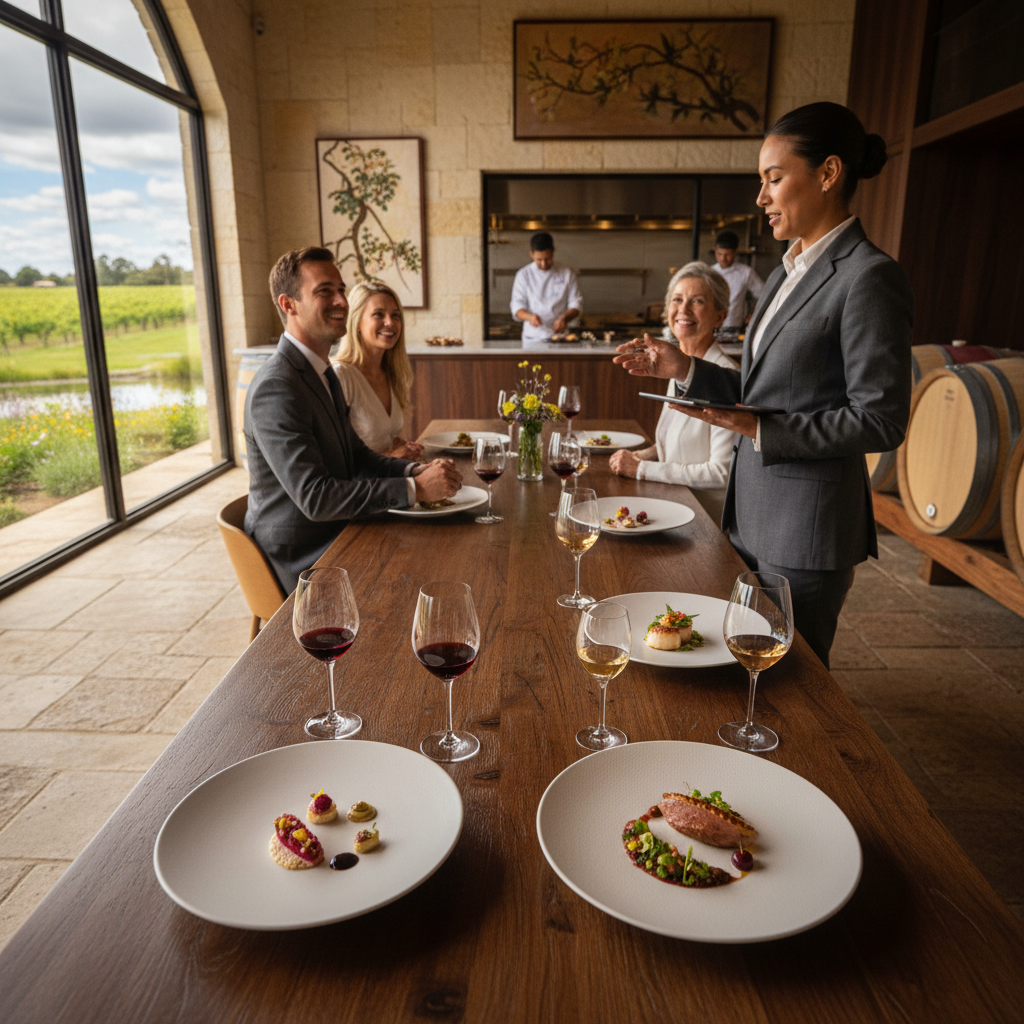
Gastronomic wine tourism is not just about drinking wine and eating good food; it’s an immersive cultural experience. Travelers are increasingly seeking authentic encounters that connect them with the origins of their food and drink. This niche offers a direct link to the producers, the terroir, and the traditions that have shaped a region's culinary identity for centuries. It caters to those who view food and wine as an art form, a reflection of local history, and a cornerstone of community life.
Beyond the Bottle: The Cultural Immersion
- Direct Interaction: Visitors get to meet winemakers and chefs, hearing their stories and understanding their passion firsthand.
- Local Traditions: It offers an insight into regional customs, festivals, and the daily rhythm of life in wine-producing areas, often reflecting the cultural narratives embedded in wine rituals.
- Educational Experiences: Opportunities for cooking classes, vineyard tours, and winemaking workshops abound.
The desire for deeper understanding and connection drives individuals to seek out these curated experiences. It’s an escape from the mundane, offering a rich tapestry of flavors, aromas, and human connections that stay with you long after the trip concludes. Many enthusiasts also find joy in decoding sommelier secrets to enhance their palate during these journeys, further enriching their gastronomic wine tourism experience.
Key Trends Shaping Gastronomic Wine Tourism in 2026
The landscape of gastronomic wine tourism is dynamic, influenced by evolving consumer preferences and technological advancements. In 2026, several key trends are defining how these experiences are offered and consumed, making them more personalized, sustainable, and accessible than ever before.
Sustainability and Ethical Practices
Consumers are more conscious about the environmental and social impact of their travel. Wineries and culinary establishments embracing organic, biodynamic, and sustainable practices are gaining significant traction. Tours often highlight responsible production, fair trade, and efforts to preserve local ecosystems. This emphasis on sustainability reflects a broader societal shift towards mindful consumption, often intersecting with discussions around viticultural innovations like hydroponic and aeroponic viticulture.
Personalized and Bespoke Experiences
Off-the-shelf tours are being replaced by highly customized itineraries. Travelers can now tailor their journeys to specific interests, whether it’s focusing on rare varietals, exploring vegan culinary options, or participating in harvest celebrations. Technology plays a crucial role in curating these bespoke adventures, allowing for seamless planning and execution. The rise of tools like the AI Sommelier is revolutionizing personalized wine discovery, even before you set foot in a vineyard, enhancing the appeal of gastronomic wine tourism.
Digital Integration and Virtual Previews
Virtual reality (VR) and augmented reality (AR) are increasingly being used to give prospective tourists a taste of what awaits them. Interactive 360-degree vineyard tours, virtual wine tastings, and online cooking demonstrations create excitement and aid in decision-making before even booking a flight. This digital integration enhances the anticipation and further individualizes the planning process for gastronomic wine tourism.
Top Regions for Gastronomic Wine Tourism in 2026
While many regions worldwide offer exceptional wine and food pairings, some destinations stand out for their unparalleled experiences in gastronomic wine tourism. These regions have perfected the art of combining stunning landscapes with world-class wines and unforgettable culinary delights, making them hotspots for discerning travelers in 2026.
Europe: The Cradle of Wine Culture
- Bordeaux, France: Renowned for its prestigious châteaux and rich, full-bodied reds, Bordeaux offers pairing experiences with classic French cuisine.
- Tuscany, Italy: Chianti, Brunello, and exquisite Super Tuscans are perfectly complemented by homemade pasta, truffles, and olive oils amidst rolling hills.
- Rioja, Spain: Famous for its Tempranillo wines, Rioja provides a vibrant culinary scene with tapas bars and Michelin-starred restaurants.
New World Destinations: Innovation and Diversity
- Napa Valley, USA: A pioneer in wine tourism, Napa continues to innovate with diverse dining options ranging from farm-to-table eateries to haute cuisine, paired beautifully with its world-class Cabernet Sauvignons and Chardonnays.
- Mendoza, Argentina: Nestled at the foot of the Andes, Mendoza offers robust Malbecs alongside traditional Argentinian BBQ (asado) and stunning mountain views.
- Stellenbosch, South Africa: With a rich history and diverse terroir, Stellenbosch boasts exceptional Chenin Blanc and Pinotage, complemented by unique Cape Malay and contemporary South African dishes.
Each of these regions offers a distinct flavor profile and cultural narrative, making them essential stops for any enthusiast of gastronomic wine tourism. For deeper insights into global wine production, consider insights from the International Organisation of Vine and Wine (OIV), which provides comprehensive data on the industry.
Planning Your Ultimate Gastronomic Wine Tourism Adventure
Embarking on a gastronomic wine tourism journey requires careful planning to ensure a seamless and enriching experience. From selecting the right destination to understanding local etiquette, preparation is key to maximizing your enjoyment.
Choosing Your Destination and Timing
Consider your preferred wine types, culinary interests, and the time of year. Harvest season (typically late summer to early autumn in the northern hemisphere, and late summer to early autumn in the southern hemisphere, e.g., March to May in Argentina) offers a unique insight into the winemaking process but can also be crowded and more expensive. Off-season travel can provide a more intimate experience with fewer tourists, making your gastronomic wine tourism more personal.
Researching Wineries and Restaurants
Look for wineries that offer more than just tastings, such as vineyard tours, cellar visits, and food pairing workshops. Consult guides like the Michelin Guide for restaurant recommendations. Don't forget to explore local markets and smaller, family-run establishments for authentic regional flavors. Always check reservation policies, especially for popular venues for your gastronomic wine tourism.
Transportation and Accommodation
Depending on the region, renting a car might be essential for exploring vineyards. Alternatively, consider hiring a private driver or joining guided tours that handle logistics. For accommodation, options range from luxury resorts within vineyards to charming boutique hotels in historic towns, providing an immersive stay that aligns with the spirit of gastronomic wine tourism.
Remember to pack appropriately for the climate and consider comfortable footwear for walking tours. Learning a few basic phrases in the local language can also greatly enhance your interactions and overall experience.
The Future of Gastronomic Wine Tourism
As we look beyond 2026, the trajectory for gastronomic wine tourism points towards even greater integration of technology, sustainability, and authenticity. The emphasis will continually shift towards experiences that are not only enjoyable but also contribute positively to local communities and environments.
Increased collaboration between winemakers, chefs, and travel operators will lead to more innovative and holistic packages. Expect to see more multi-region tours, fusing different culinary traditions with various wine styles. Educational components will become more sophisticated, offering certified courses and masterclasses for serious enthusiasts. Ultimately, gastronomic wine tourism will continue to be a powerful vehicle for cultural exchange, fostering a deeper appreciation for the world's diverse flavors and the dedicated people who create them. For those passionate about this field, exploring avenues like the Wine & Spirit Education Trust (WSET) can offer further professional development.
Written by
Juniper Thorne is an experienced writer and educator with a deep passion for the world of wine. Bringing expertise in sensory analysis and wine culture to the Greatest Wine platform, Juniper helps readers explore and appreciate every nuance of wine.
Related Articles

The Vinous Verse: How Wine's Spirit Inspires 2026's Poetic and Literary Masterpieces
The intricate dance between the grape and the written word has enchanted humanity for millennia. Explore the profound connection between wine and literature, from ancient musings to 2026's contemporary narratives and poetic masterpieces. Discover how the world of wine continually inspires writers.
Juniper Thorne