The Art of the Home Cellar: Creating an Optimal Aging Environment for Your Collection in 2026
For any serious wine enthusiast, a dedicated home wine cellar is more than just a storage space – it's a sanctuary for their prized bottles. In 2026, with increasing awareness of proper wine care, creating an optimal aging environment for your collection has never been more important. This guide covers essential elements for successful wine maturation.

The Art of the Home Wine Cellar: Creating an Optimal Aging Environment for Your Collection in 2026
For any serious wine enthusiast, a dedicated home wine cellar is more than just a storage space – it's a sanctuary for their prized bottles, a testament to their passion, and a crucial component in ensuring their wines mature gracefully. In 2026, with increasing awareness of proper wine care, creating an optimal aging environment for your collection has never been more accessible or more important. This comprehensive guide will delve into the essential principles and modern considerations for designing and maintaining the perfect home cellar. For a deeper understanding of what makes a wine truly special, explore The Art of Terroir Translation: Unpacking Winemaker Philosophy and Regional Expression in 2026.
Why a Dedicated Home Wine Cellar is Essential
Storing wine correctly is paramount to its development and enjoyment. While a casual bottle might survive a few months in a pantry, fine wines designed for long-term aging require specific, consistent conditions. Without these, even the most exquisite vintages can spoil, losing their nuanced flavors and aromas.
A properly conditioned environment safeguards your investment and enhances the tasting experience down the line. It ensures that when you finally uncork that special bottle, it lives up to its full potential, offering the complexity and depth you anticipated. To truly appreciate the journey from cellar to glass, consider Mastering the Art of Wine Service: From Cellar to Glass in 2026.
Protecting Your Investment
- Preventing Premature Aging: Fluctuations in temperature can rapidly age wine, stripping it of its vibrancy.
- Avoiding Spoilage: High temperatures can "cook" wine, leading to unpleasant aromas and flavors.
- Preserving Cork Integrity: Consistent humidity prevents corks from drying out and allowing air ingress.
Enjoying Wine at Its Peak
Wines, especially those intended for extended aging, undergo a remarkable transformation over time. Tannins soften, acids integrate, and new, complex aromatic compounds develop. A good home wine cellar facilitates this natural evolution, allowing the wine to reach its peak condition. Understanding the characteristics of an ideal vintage can further guide your collection; learn more by reading The Elusive Art of the Perfect Vintage: Deconstructing Ideal Climates and Vintner Decisions in 2026.
Key Environmental Factors for Your Home Wine Cellar
Several critical factors must be meticulously controlled within your home wine cellar to ensure optimal conditions for wine aging. Neglecting any of these can have detrimental effects on your collection.
Temperature Control: The Cornerstone
Temperature is arguably the most critical factor. The ideal range for long-term wine storage is between 50°F and 59°F (10°C to 15°C). Consistency is key; even minor, frequent fluctuations can be more damaging than a slightly higher but stable temperature.
- Avoid Extremes: Temperatures above 70°F (21°C) can cook wine, while extreme cold can cause the corks to push out.
- Minimize Fluctuations: Stable temperatures allow wine to age gracefully, without sudden expansions or contractions that can stress the cork.
Humidity Levels: More Important Than You Think
Maintaining proper humidity, ideally between 60% and 80%, is vital for preventing corks from drying out. A dry cork can shrink, allowing oxygen to seep into the bottle and prematurely oxidize the wine. Conversely, excessively high humidity can lead to mold growth on labels and corks, though it's less harmful to the wine itself.
Darkness and UV Protection
Light, especially ultraviolet (UV) light, can degrade wine over time, leading to "light strike" – an unpleasant aroma and flavor often described as wet cardboard. A dark environment, free from direct sunlight and even strong artificial light, is essential. Many wine bottles are tinted green or brown to offer some protection, but a fully dark cellar is the best defense.
Vibration and Stability
Vibrations, whether from appliances, foot traffic, or nearby roadways, can agitate the wine, disturbing its sediment and hindering its natural aging process. A dedicated home wine cellar should be designed with stability in mind, minimizing sources of vibration. Installing shelving that absorbs shock can also be beneficial.
Designing Your Optimal Home Wine Cellar in 2026
Designing a modern home wine cellar involves thoughtful planning, material selection, and integration of advanced climate control systems. Given the technological advancements in 2026, efficient and precise climate management is more achievable than ever.
Location, Insulation, and Vapor Barriers
The choice of location for your cellar is crucial. Basements, due to their natural coolness and stability, are often ideal. Regardless of location, proper insulation is non-negotiable. Insulate walls, ceilings, and floors thoroughly to maintain a consistent internal climate. A vapor barrier is equally important to prevent moisture from penetrating walls and causing humidity control issues.
Modern insulation materials and techniques can significantly enhance energy efficiency, making your cellar more sustainable and cost-effective to operate in the long run.
Choosing the Right Cooling System
A specialized wine cellar cooling unit is essential for maintaining precise temperature and humidity. These units differ significantly from standard air conditioners, which primarily remove humidity. Wine cellar cooling systems are designed to maintain both specific temperature and humidity levels quietly and efficiently.
- Self-Contained Units: Best for smaller cellars, these units install like a window AC but are designed for specific cellar conditions.
- Split Systems: For larger, custom cellars, the evaporator and condenser are separate, allowing quieter operation within the cellar.
- Ducted Systems: The most discreet option, where units are located remotely and cool air is ducted into the cellar.
Racking and Storage Solutions
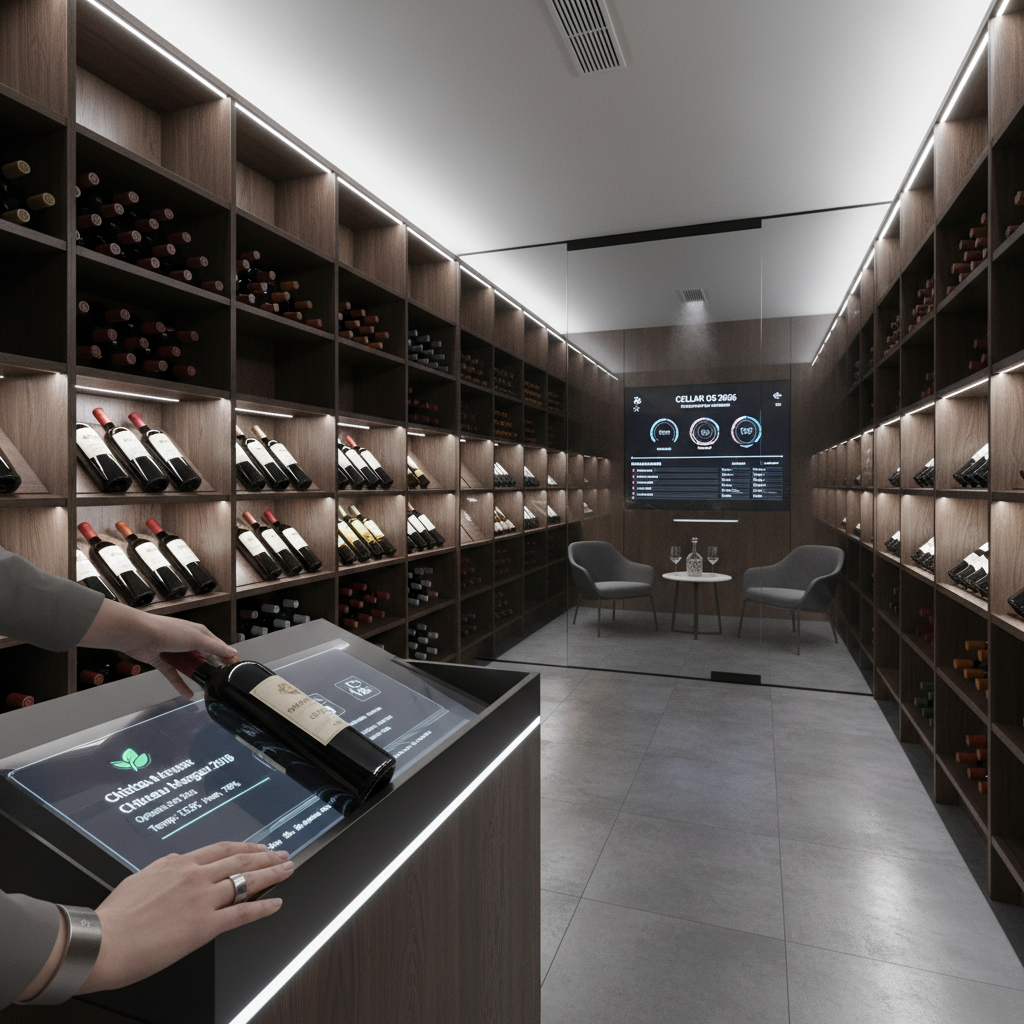
The shelving and racking in your home wine cellar should be functional, durable, and aesthetically pleasing. Redwood, mahogany, and metal are popular choices. Ensure that bottles are stored horizontally to keep the cork moist and prevent drying out. Consider bottle capacity, accessibility, and potential for future expansion.
Modular racking systems, sliding shelves, and display bins are popular features in 2026, allowing for flexible storage and easy organization of your collection. You can find visual inspiration and product recommendations from specialized cellar design companies like Wine Enthusiast's cellar design services.
Maintenance and Monitoring Your Home Wine Cellar
Once your home wine cellar is established, ongoing maintenance and vigilant monitoring are critical to its long-term success. Regular checks will ensure that your environmental controls remain optimal and your wine collection is safe.
Regular System Checks
Periodically inspect your cooling unit, ensuring air filters are clean and there are no obstructions to airflow. Check for any unusual noises or leaks that might indicate a problem. Many modern cellar cooling systems come with smart monitoring capabilities, allowing you to track conditions remotely via an app, which is a major advantage in 2026. For example, systems from manufacturers like CellarCool offer advanced monitoring features.
Humidity Assessment
While your cooling unit will manage humidity, it's wise to have an independent hygrometer to double-check readings. If humidity levels consistently fall outside the ideal 60-80% range, you may need to adjust your unit settings or consider adding a humidifier or dehumidifier specifically designed for wine cellars.
Inventory Management and Organization
An organized cellar is a happy cellar. Keep a detailed inventory of your wines, including producer, vintage, varietal, and ideal drinking window. This not only helps you locate bottles but also allows you to track your collection's evolution. Digital inventory systems, often integrated with smart cellar technology, have become increasingly sophisticated and accessible in 2026.
- Digital Apps: Utilize wine inventory apps to log and track your bottles, making organization easier.
- Labeling Systems: Clear labeling on racks or bottles aids in quick identification.
- Rotation: For active collections, consider a system for rotating wines to ensure older bottles are enjoyed at their peak.
Creating an optimal home wine cellar is an investment that pays dividends in the enjoyment and preservation of your wine collection. By carefully controlling temperature, humidity, light, and vibration, you are providing your wines with the perfect environment to age gracefully and develop their full potential. With the advanced technologies available in 2026, building and maintaining your dream cellar has never been easier or more efficient, allowing you to fully immerse yourself in the rich culture and profound pleasures that wine offers. This dedication to proper storage complements the broader understanding of wine, much like exploring the Economic and Societal Impact of the Global Wine Trade in 2026 enriches the appreciation of each bottle.
Written by
Juniper Thorne is an experienced writer and educator with a deep passion for the world of wine. Bringing expertise in sensory analysis and wine culture to the Greatest Wine platform, Juniper helps readers explore and appreciate every nuance of wine.
Related Articles
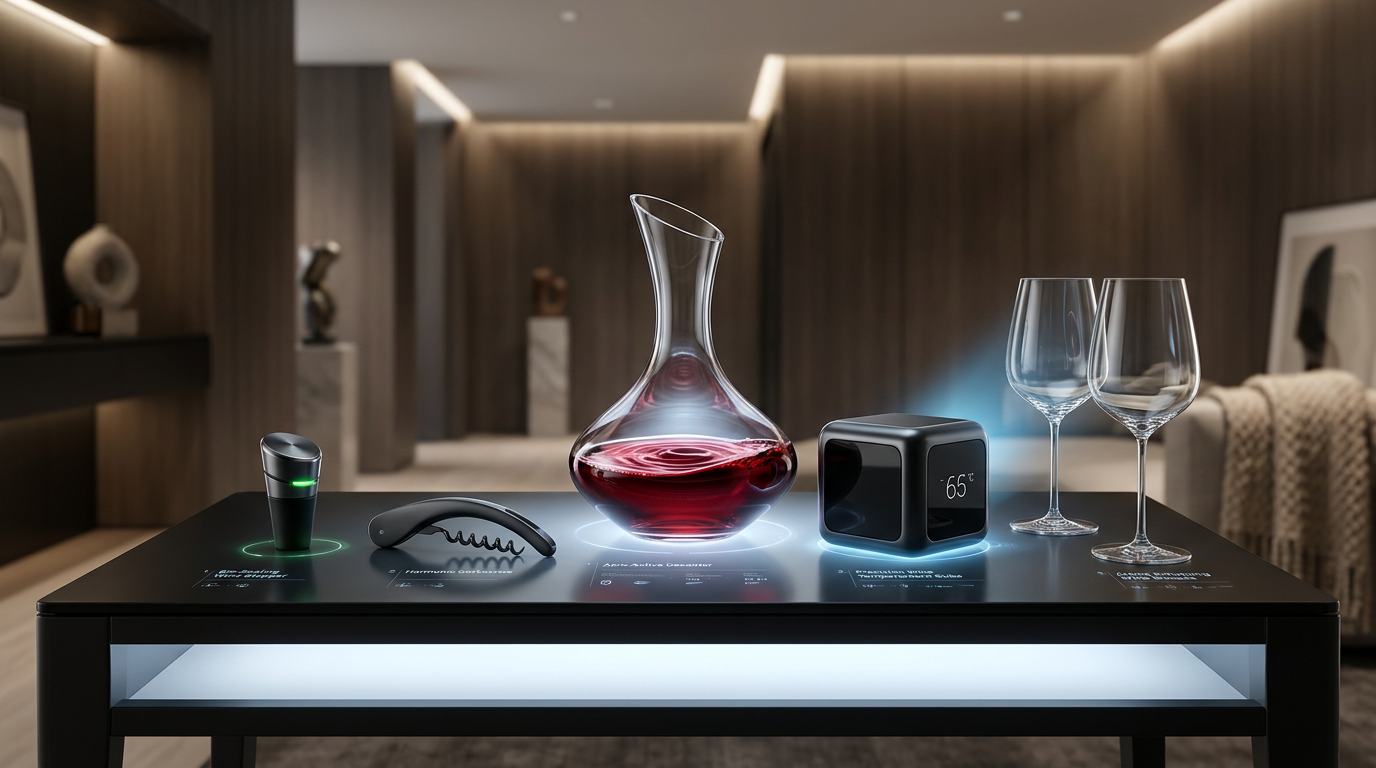
The Vinous Arsenal: Essential Tools for Elevating Your Wine Experience in 2026
As we navigate May 2026, the world of wine continues to evolve, offering enthusiasts unprecedented tools. Discover the essential wine accessories for 2026 that will elevate your enjoyment, from innovative aerators to smart preservation systems. Upgrade your vinous arsenal today with Greatest Wine.
Juniper Thorne