The Art of the Soil Microbiome: Unseen Architects of Terroir and Wine Complexity in 2026
In 2026, the vital role of the soil microbiome in shaping wine's terroir and complexity is taking center stage. Beyond geology and climate, these microscopic communities of bacteria and fungi are proving to be the unseen architects behind the unique characteristics of your favorite wines. As viticulture evolves, understanding this soil-wine connection becomes paramount for cultivating exceptional vintages and predicting future trends.


The Art of the Soil Microbiome: Unseen Architects of Terroir and Wine Complexity in 2026
In the intricate world of viticulture, the concept of terroir has long been lauded as the mystical essence that imbues wine with its unique characteristics. While geology, climate, and topography undoubtedly play significant roles, an increasingly vital player is emerging from beneath our feet: the soil microbiome. These microscopic communities of bacteria, fungi, and other microorganisms are not merely passive inhabitants of the vineyard; they are dynamic, unseen architects profoundly influencing vine health, nutrient uptake, and ultimately, the aromatic and structural complexity found in the glass. This deep dive into the soil microbiome's role is crucial for anyone seeking to truly understand fine wine in 2026, building on decades of research into predictive terroir mapping and its impact.
Understanding the Soil Microbiome and its Impact on Wine
The soil microbiome refers to the vast, complex ecosystem of microorganisms living within the soil. This includes countless species of bacteria, archaea, fungi, protozoa, and even viruses, all interacting in a delicate balance. In a vineyard, this biodiversity is particularly critical. These tiny life forms facilitate nutrient cycling, enhance soil structure, and protect vines from pathogens.
The health and diversity of the soil microbiome directly correlate with the vine's ability to thrive. A well-balanced microbial community ensures that essential nutrients are readily available to the roots, even in challenging soil conditions. This translates into healthier vines, more resilient to stress, and capable of producing grapes with superior chemical profiles.
The Rhizosphere: A Hotspot of Activity
A key area of interaction is the rhizosphere, the narrow region of soil directly influenced by root secretions. This zone is a bustling hub of microbial activity, where roots release exudates that feed specific microbial populations. In return, these microbes help the plant absorb water and nutrients, and can even produce compounds that deter pests or promote growth hormones. The unique composition of the rhizosphere's soil microbiome is a significant driver of localized terroir expression, much like how rootstock fundamentally shapes wine identity.
Mycorrhizal Networks: The Underground Superhighway
Among the most influential members of the soil microbiome are mycorrhizal fungi. These fungi form symbiotic relationships with vine roots, extending far beyond the reach of the root system itself. They effectively create an underground superhighway, transporting water and vital nutrients like phosphorus and nitrogen directly to the vine in exchange for sugars produced through photosynthesis. These extensive networks are increasingly recognized for their role in stress tolerance and nutrient efficiency in vineyards across the globe as of 2026, echoing the complex interdependencies explored by new scientific research on soil microbial communities.
How Soil Microbiome Influences Grape Composition and Wine Flavor
The direct link between the soil microbiome and the final sensory attributes of wine is a fascinating area of ongoing research. While it's not as simple as "this microbe equals this aroma," the indirect and direct influences are undeniable. The health of the vine, largely dictated by its microbial partners, impacts the biosynthesis of key compounds in the grape, ultimately contributing to what some call the "palate print" of a wine's origin.
- Secondary Metabolites: Microbes can influence the production of secondary metabolites in grapes, such as polyphenols, terpenes, and pyrazines. These compounds are the precursors to many of the complex aromas and flavors we associate with wine.
- Nutrient Availability: Optimal nutrient uptake, facilitated by the soil microbiome, ensures that vines have the building blocks needed to develop a full spectrum of flavor compounds. Nutrient deficiencies, conversely, can lead to less complex grapes and wines.
- Stress Response: A robust soil microbiome can help vines cope with environmental stressors like drought or heat. Stress-adapted vines often produce grapes with concentrated flavors and balanced acidity, contributing positively to wine quality.
The subtle interplay within the vineyard's microbial community can lead to nuanced differences in grape chemistry, which then translate to the complex aromatic profiles appreciated by wine connoisseurs. This makes the soil microbiome a cornerstone of quality.
Sustainable Viticulture and Nurturing the Soil Microbiome Connection
In 2026, sustainable viticulture is no longer a niche concept but a widespread imperative. Central to sustainable practices is the conscious effort to preserve and enhance the health of the soil microbiome. Practices that prioritize soil vitality directly translate into resilient vineyards and superior wine. Efforts in this area complement broader discussions about "natural" wine and winemaking interventions, highlighting a focus on ecological balance.
Here are some key practices:
- Reduced Tillage: Minimizing soil disturbance helps preserve the intricate fungal networks and microbial habitats beneath the surface. Excessive plowing can disrupt these delicate ecosystems.
- Cover Cropping: Planting cover crops between vine rows provides organic matter, reduces erosion, and fosters diverse microbial populations by offering a constant food source and habitat.
- Organic Matter Addition: Composts and other organic amendments enrich the soil with nutrients and provide a fertile ground for beneficial microorganisms to thrive.
- Judicious Water Management: Efficient irrigation practices prevent waterlogging, which can be detrimental to aerobic microbial life, while also ensuring consistent moisture for microbial activity.
- Biodiversity: Encouraging biodiversity, both above and below ground, creates a more resilient ecosystem. Polyculture farming (interplanting different crops) and allowing native flora to flourish can support a wider range of beneficial microbes.
Wineries committed to these practices are not just being environmentally responsible; they are actively cultivating the very foundation of their wine's unique expression. The health of the soil microbiome ultimately defines the quality and authenticity of their terroir.
The Future of Soil Microbiome Research in Viticulture by 2026
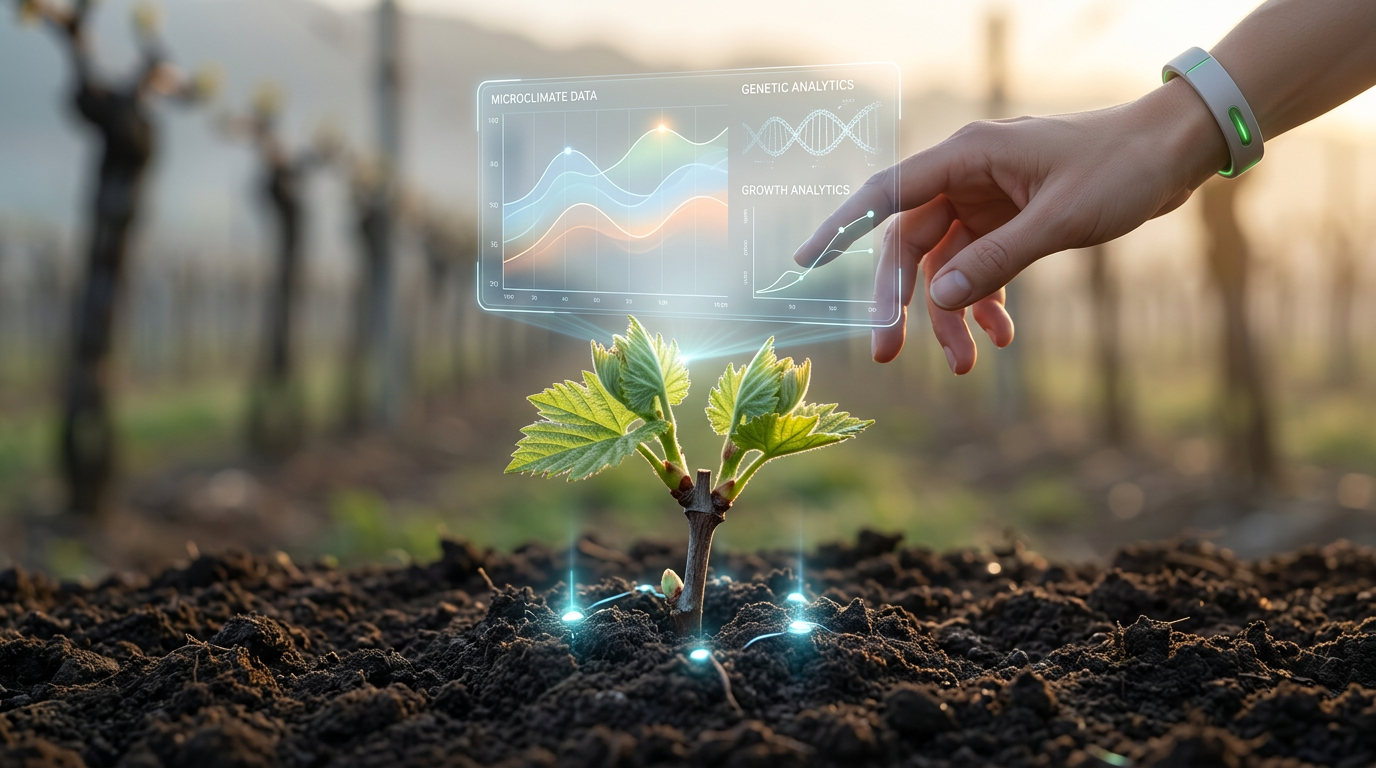
The understanding of the soil microbiome's influence on wine is still in its nascent stages, yet rapidly evolving. Advanced genomic sequencing technologies are allowing researchers to map microbial communities with unprecedented detail, revealing the specific species present and their functional roles. This aligns with broader trends in viticulture, including the growing understanding of cosmic influences on terroir and the nuanced impact of micro-climates on vintages.
Precision Viticulture and Microbial Management
The coming years will likely see the integration of microbial data into precision viticulture. Imagine vineyard managers able to analyze their soil microbiome and apply targeted interventions to enhance specific microbial functions. This could involve introducing beneficial microbes (probiotics for soil), optimizing organic amendments based on existing microbial populations, or fine-tuning irrigation to create ideal microbial habitats. Such data-driven approaches promise to unlock new levels of quality and consistency in even the most challenging terroirs. For instance, detailed microbial mapping could inform practices for nocturnal viticulture, potentially influencing unique wine characteristics.
From Soil to Glass: Tracing Microbial Signatures
Research is also exploring whether specific microbial signatures from the soil can be traced into the grapes and even the final wine. While fermentation itself involves a different set of microbes (mostly yeasts), some soil-borne microorganisms or their metabolic byproducts might leave indelible marks. This quest to fully link the soil microbiome journey from ground to bottle is one of the most exciting frontiers in wine science as of 2026, echoing the detailed analysis required to appreciate Wine Spectator's recent insights on soil and wine.
Conclusion: The Unseen Force Shaping Wine Excellence
The intricate world of the soil microbiome stands as a testament to the profound connection between nature and the art of winemaking. Far from being inert soil, the ground beneath our vines pulses with microscopic life, subtly but significantly shaping every aspect of the vine's health and the grape's character. As we deepen our understanding of this unseen force, sustainable viticultural practices that nurture the soil microbiome become not just an option, but a necessity for producing wines of true distinction and complexity.
For wine enthusiasts and professionals alike, acknowledging the monumental role of the soil microbiome adds another layer of appreciation to every bottle. It reminds us that the magic of terroir extends far beyond geological maps and climate charts, delving into the vibrant, living ecosystem that truly forms the soul of the vineyard. In 2026, embracing this microscopic world is essential for navigating and appreciating the future of fine wine.
Written by
Juniper Thorne is an experienced writer and educator with a deep passion for the world of wine. Bringing expertise in sensory analysis and wine culture to the Greatest Wine platform, Juniper helps readers explore and appreciate every nuance of wine.
Related Articles

The Cellar Architects: Mastering Elite Wine Preservation and Evolution in 2026
For the true connoisseur, wine is more than just a beverage; it's a living entity, an investment, and a passion. Mastering its preservation and evolution is an art form, especially in 2026 with new technologies and insights. Learn how to protect and enhance your cherished collection.
Juniper Thorne