The Art of the 'Palate Print': Deconstructing Your Individual Genetic Blueprint for Wine Appreciation in 2026
In 2026, the 'palate print' revolutionizes wine appreciation. This emerging field explores how genetics, neuroscience, and sensory perception intertwine to dictate individual wine preferences. Understanding your unique genetic blueprint can unlock deeper enjoyment and informed choices in the evolving world of oenology.

The Art of the 'Palate Print': Deconstructing Your Individual Genetic Blueprint for Genetic Wine Appreciation in 2026
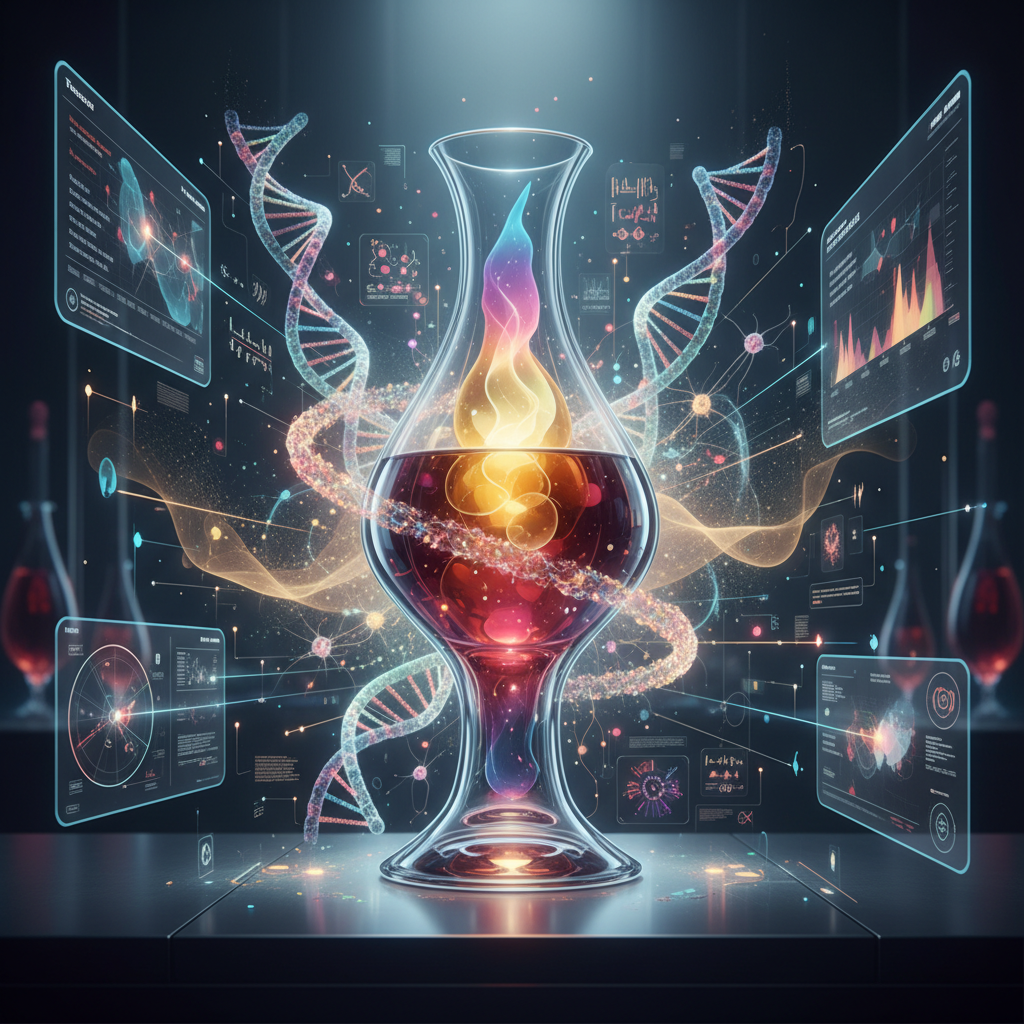
In the evolving world of oenology, understanding your inherent taste preferences is becoming as crucial as understanding the wine itself. The concept of genetic wine appreciation delves into the fascinating intersection of genetics, neuroscience, and sensory perception, revealing why certain wines resonate with us more than others. As we navigate 2026, scientific advancements are shedding more light on how our DNA influences our palate, moving beyond anecdotal preferences to a personalized approach to wine enjoyment. This exploration promises to revolutionize how we select, taste, and ultimately appreciate the complex nuances of wine, allowing every enthusiast to discover their unique "palate print."
Delving deeper into this topic can illuminate how individual brain functions sculpt our perceptions, a concept explored further in The Art of the 'Cognitive Terroir': How Our Brains Sculpt Wine Perception in 2026.
The Science Behind Your Palate: Unpacking Genetic Wine Appreciation
Our ability to perceive taste and aroma is not a universal experience; it’s a highly individualized journey shaped by our genetic makeup. The human genome contains numerous genes that influence our sensory receptors, specifically those responsible for detecting bitterness, sweetness, umami, sourness, and saltiness, as well as a vast array of aromatic compounds. This genetic variability directly impacts our genetic wine appreciation, determining whether we are "supertasters," "nontasters," or somewhere in between, particularly concerning specific flavor profiles found in wine.
Recent studies in 2026 continue to highlight the role of specific genes. For instance, variations in the TAS2R38 gene affect our sensitivity to bitter compounds like PROP (6-n-propylthiouracil), which can influence our perception of tannins in red wines. Similarly, olfactory receptor genes dictate our ability to detect specific volatile compounds, contributing significantly to a wine's perceived aroma and complexity.
For more on how scientific advancements are impacting wine, consider The Art of the 'Vinous Blockchain': Revolutionizing Wine Provenance and Authenticity in 2026.
The Role of Taste Receptors in Wine Perception
- Bitter Receptors: Genes like TAS2R38 play a significant role in how we perceive bitterness, impacting our enjoyment of tannic red wines or those with phenolic compounds. Individuals with heightened sensitivity might find certain wines too astringent.
- Sweet Receptors: While wine sweetness is primarily due to residual sugar, our genetic predisposition can influence how intensely we perceive this sweetness, affecting our preference for dry versus sweet wines.
- Umami Receptors: Though less common as a primary taste in wine, umami perception can contribute to the complexity and mouthfeel, particularly in aged wines or those with specific yeast compounds. To understand this elusive taste further, read The Art of the 'Fifth Element': Deconstructing Umami's Role in Wine Pairing and Flavor Perception for 2026.
Olfactory Genes and Aromatic Diversity
The human nose boasts hundreds of olfactory receptor genes, each designed to detect specific aromatic molecules. The sheer diversity of these genes across individuals means that two people can smell the same wine and perceive entirely different bouquets. This explains why one person might immediately identify notes of blackcurrant, while another picks up subtle hints of leather or tobacco. Understanding your olfactory genetic profile can unlock new dimensions in your genetic wine appreciation journey, guiding you towards wines whose aromatic compounds your nose is best equipped to detect and enjoy.
Decoding Your Personal Sensory Profile for Optimal Wine Choices
Moving beyond general preferences, truly understanding your personal sensory profile can transform your wine experiences. This involves recognizing not just what you like, but why you like it, based on your genetic predispositions. In 2026, direct-to-consumer genetic testing services are beginning to offer insights into these sensory genes, providing a fascinating glimpse into your inherent predispositions for specific tastes and aromas. While these tests are still evolving, they represent a pioneering step towards deeply personalized wine recommendations.
Consider the implications: armed with knowledge about your genetic sensitivity to certain compounds, you could bypass wines that are likely to be perceived as overly bitter or acidic, and instead gravitate towards those that perfectly align with your "palate print." This level of informed choice can significantly enhance your genetic wine appreciation, minimizing disappointing selections and maximizing enjoyment.
Practical Applications for Your Palate Print
- Personalized Wine Recommendations: Imagine a future where wine apps recommend bottles based on your genetic sensory profile, not just popular ratings.
- Targeted Tasting Experiences: Knowing your genetic predispositions can help you focus on specific grape varietals or regions likely to appeal to you, making every tasting more rewarding.
- Enhanced Wine Education: Understanding your own sensory biology can deepen your understanding of wine science and the nuances of different styles. Organizations like the Wine & Spirit Education Trust (WSET) offer valuable educational resources.
Beyond Genetics: The Interplay of Environment and Experience in Genetic Wine Appreciation
While genetics lay a foundational blueprint for our sensory perceptions, it's crucial to acknowledge that environment, culture, and personal experience also play pivotal roles in shaping taste. Our palates are not static; they evolve through exposure, education, and memory. A person's initial aversion to bitter tastes due to genetics might lessen over time with repeated, positive exposures to tannic wines, fostering a learned appreciation. This dynamic interplay between nature and nurture is what makes genetic wine appreciation so complex and endlessly fascinating.
The cultural context in which we experience wine, the food we pair it with, and even the company we share it with all contribute to our overall perception and enjoyment. While your genes may predispose you to certain preferences, adventurous exploration and an open mind can broaden your palate beyond those initial boundaries, enriching your wine journey.
Nurturing Your Palate
Even with a genetic predisposition, palate development is an ongoing process. Here's how to nurture yours in 2026:
- Taste Widely: Don't limit yourself to familiar varietals or regions. Explore new wines, even those outside your perceived comfort zone. Websites like Wine Folly offer great guidance on exploring different wine types.
- Engage Your Senses: Pay close attention to aromas, flavors, texture, and finish. Use tasting notes to articulate your perceptions.
- Learn Continually: Read books, attend tastings, and participate in online communities. Understanding wine characteristics enhances your appreciation.
- Pair Thoughtfully: Experiment with food pairings. The right food can transform a wine's taste profile, opening up new avenues of enjoyment. For inspiration on pairings, explore databases like those offered by Food & Wine Magazine.
The Future of Personalized Wine Enjoyment in 2026 with Genetic Insights
The trajectory of wine appreciation in 2026 is undoubtedly heading towards greater personalization, with genetic insights playing an increasingly significant role. Imagine a future where sommeliers provide recommendations based on your unique "palate print," or where wineries craft blends tailored to specific genetic profiles. This isn't science fiction; it's the logical progression of integrating scientific understanding with the art of winemaking and consumption.
For enthusiasts, this means a more direct and satisfying path to discovering wines that truly resonate. For the wine industry, it opens new avenues for innovation, marketing, and consumer engagement. As our understanding of genetic wine appreciation deepens, the world of wine becomes not just about the bottle, but about the deeply personal connection between the wine and the individual.
Embracing this scientific frontier allows us to move beyond conventional wisdom and towards a truly individualized experience, making every sip a discovery tailored precisely to you.
Written by
Juniper Thorne is an experienced writer and educator with a deep passion for the world of wine. Bringing expertise in sensory analysis and wine culture to the Greatest Wine platform, Juniper helps readers explore and appreciate every nuance of wine.
Related Articles
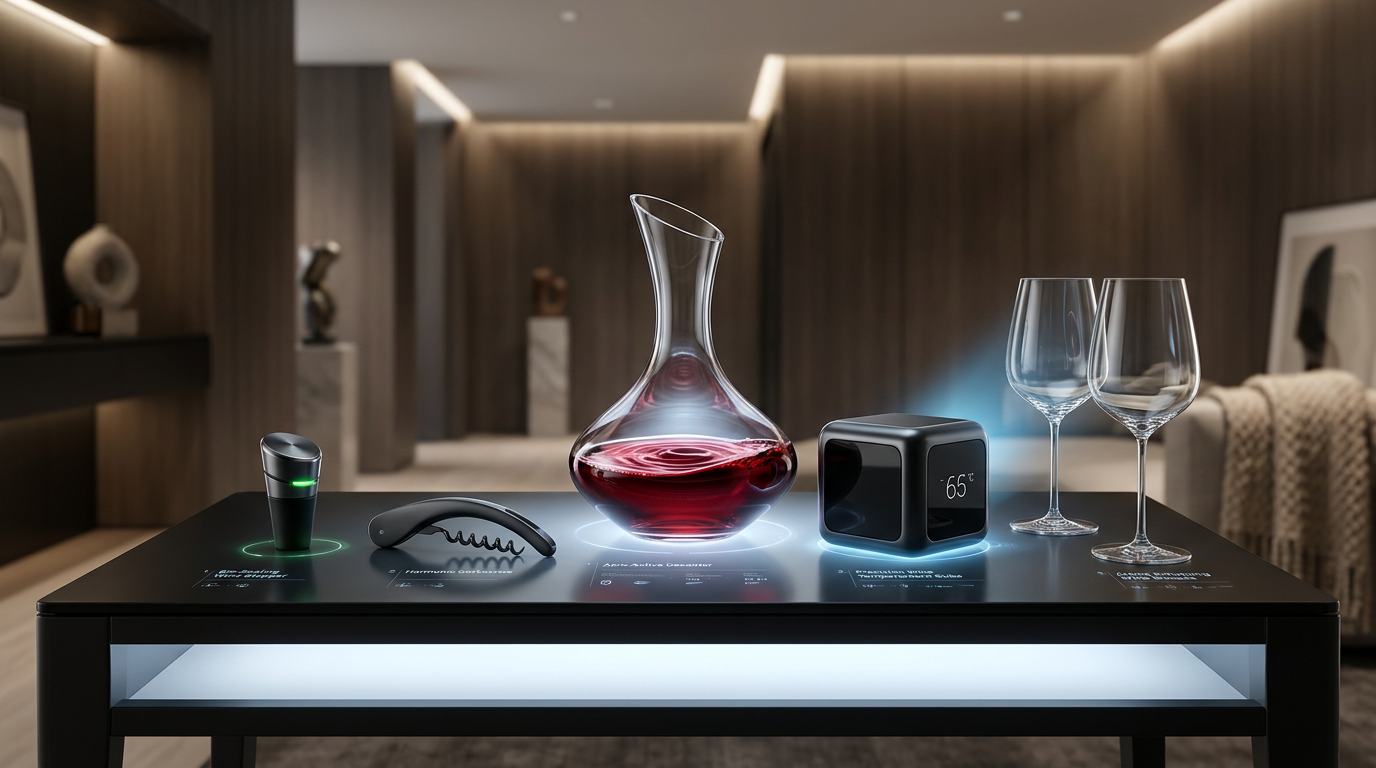
The Vinous Arsenal: Essential Tools for Elevating Your Wine Experience in 2026
As we navigate May 2026, the world of wine continues to evolve, offering enthusiasts unprecedented tools. Discover the essential wine accessories for 2026 that will elevate your enjoyment, from innovative aerators to smart preservation systems. Upgrade your vinous arsenal today with Greatest Wine.
Juniper Thorne