The Art of the 'Cognitive Vintage': Mastering the Psychology of Wine Expectation in 2026
In 2026, understanding wine expectation psychology is crucial in oenology. This article explores how our cognitive biases and pre-conceived notions significantly influence the sensory experience of wine. Beyond the liquid in the glass, delve into the 'Cognitive Vintage' and learn to master the mental aspect of wine appreciation and marketing. Discover how to leverage psychological insights to enhance enjoyment and market fine vintages effectively.


The Art of the 'Cognitive Vintage': Mastering the Wine Expectation Psychology in 2026
In the intricate world of oenology, where tradition meets innovation, understanding the wine expectation psychology has become a pivotal factor in appreciating and marketing fine vintages. As we navigate 2026, the sensory experience of wine is no longer solely about what’s in the glass; it’s profoundly influenced by what we anticipate before the first sip. This phenomenon, often underestimated, shapes our perception of aroma, taste, and overall enjoyment, turning a simple beverage into a complex interplay of mind and matter. For enthusiasts and industry professionals alike, delving into this cognitive vintage offers unparalleled insights into enhancing the wine experience.
The Neuroscience Behind Wine Expectation Psychology
The human brain is a powerful interpreter, constantly processing information and forming biases, even before direct experience. When it comes to wine, these expectations are not just fleeting thoughts; they are deeply rooted psychological processes that can alter our sensory perception. The anticipation of quality, guided by labels, price, reviews, or even the story behind the wine, can prime our palates for a specific experience.
The Placebo Effect in Wine Tasting
One of the most compelling aspects of wine expectation psychology is its profound similarity to the placebo effect. Studies have consistently shown that participants who believe they are drinking a high-priced wine rate it more favorably than those who are told it’s a cheaper alternative, even if the wines are identical. This cognitive bias highlights how our beliefs can override pure sensory input, creating a subjective reality that is far more enjoyable or disappointing based on pre-conceived notions.
- Altered Chemical Perception: Expectations can genuinely alter how our brains process chemical compounds responsible for taste and aroma.
- Reward System Activation: The anticipation of quality activates reward centers in the brain, enhancing feelings of pleasure during consumption.
- Memory and Association: Past positive experiences or powerful marketing narratives can strengthen these expectation-driven biases.
The Role of Sensory Priming
Sensory priming is another critical component. Before tasting, visual cues like the bottle's design, the label's elegance, or even the pouring ritual can prime our senses. A heavy, ornate bottle might suggest a rich, complex wine, while a minimalist design could imply freshness and crispness. These initial impressions set the stage for how we interpret the wine's actual flavors and aromas.
In 2026, with an increasingly sophisticated consumer base, brand narratives and visual branding play an even greater role in shaping these initial sensory primes. Wineries are investing heavily in storytelling to cultivate specific expectations, an art form that echoes the designing of iconic wineries as temples of terroir.
External Factors Influencing Wine Expectations
Beyond personal cognitive biases, several external factors significantly contribute to the formation of wine expectations. These elements often work in concert, building a comprehensive narrative around a particular wine that profoundly impacts its reception.
Price and Perceived Value
It's an undeniable truth in the wine world: price often dictates perceived quality. While not always an accurate reflection of intrinsic value, a higher price tag inherently sets a higher expectation. Consumers tend to associate expense with rarity, superior craftsmanship, and exceptional taste. This isn't merely snobbery; it's a deeply ingrained psychological heuristic that helps us navigate complex choices. In 2026, as wine becomes more accessible globally, the psychology of price remains a powerful, albeit sometimes misleading, indicator.
Consider the following elements that contribute to this perception:
- Scarcity: Limited editions or small production runs naturally command higher prices and generate greater anticipation.
- Exclusivity: Access to rare or sought-after wines enhances their perceived value and desired experience, often facilitated by private wine allocations.
- Investment Potential: Fine wines often double as an investment, further elevating their perceived worth beyond mere consumption.
Marketing and Storytelling
The narrative woven around a wine is just as potent as its price point. Wineries, especially in 2026, are masters of storytelling, highlighting the terroir, the family history, sustainable practices, or the unique craftsmanship involved. A compelling story can transform a bottle of wine into an experience steeped in tradition and passion, dramatically elevating expectations. This is where wine expectation psychology truly shines, as consumers buy into the dream as much as the drink.
Authentic and engaging marketing materials, from website content to social media campaigns, contribute to this:
- Terroir Emphasis: Highlighting the unique geographical and climatic conditions that shape the wine's character, such as the unseen architects of terroir and wine complexity.
- Producer's Philosophy: Sharing the winemaker's vision, passion, and commitment to quality.
- Brand Heritage: Leveraging historical significance and long-standing reputations to build trust and prestige.
Reviews and Expert Endorsements
In the digital age, peer reviews and expert endorsements carry immense weight. A high rating from a respected critic or glowing testimonials from fellow enthusiasts can create a powerful halo effect, pre-disposing tasters to perceive the wine more positively. Conversely, negative reviews, even if few, can dampen expectations significantly. The influence of sommeliers, wine journalists, and online influencers in shaping wine expectation psychology is more pronounced than ever in 2026.
Enhancing the Wine Experience Through Managed Expectations
Understanding these psychological mechanisms isn't just an academic exercise; it offers practical avenues for both producers and consumers to enhance the wine experience. For producers, it’s about crafting a coherent brand message. For consumers, it’s about cultivating mindful tasting practices.
For Wine Producers: Crafting a Coherent Narrative
Wineries can strategically leverage wine expectation psychology by meticulously managing every touchpoint a consumer encounters. From vineyard tours to label design, consistency in messaging reinforces the desired perception. Transparency about winemaking processes, showcasing sustainable initiatives, and engaging with consumers authentically can build trust and positive anticipation.
- Consistent Branding: Ensure the brand story, visual identity, and product quality align seamlessly.
- Educational Outreach: Provide information about the wine's origin, varietals, and production methods to build informed expectations.
- Sensory Marketing: Utilize packaging, bottle weight, and even cork quality to subtly communicate premium attributes.
For Wine Enthusiasts: Mindful Tasting Practices
For the consumer, being aware of psychological biases allows for a more objective, and ultimately more enriching, tasting experience. Blind tasting is the ultimate test of objectivity, stripping away all external influences. However, even in non-blind scenarios, conscious effort can help.
- Practice Blind Tasting: Periodically engage in blind tastings to train your palate to focus solely on the wine's intrinsic qualities.
- Question Your Biases: Before tasting, acknowledge any known factors (price, reviews) that might be influencing your initial perception.
- Focus on Sensory Details: Intentionally concentrate on aromas, flavors, texture, and finish without premature judgment.
- Cultivate Curiosity: Approach each wine with an open mind, ready to discover its unique characteristics rather than confirming preconceived notions.
The Future of Wine and Psychological Perception in 2026
As the wine industry continues to evolve in 2026, the intersection of technology, marketing, and the wine expectation psychology will only deepen. Augmented reality labels that tell a wine's story, AI-driven personalized recommendations, and immersive virtual vineyard tours are becoming commonplace. These innovations will create even more sophisticated channels for setting and managing consumer expectations.
Personalization and Predictive Analytics
The rise of personalized wine subscriptions and recommendation engines, powered by predictive analytics, is a testament to the industry's embrace of data-driven insights. These platforms aim to match consumers with wines that align with their stated preferences, but they also subtly manage expectations by curating selections that are "guaranteed" to please. This carefully engineered curation plays directly into the psychology of satisfaction, leveraging what we know about individual taste profiles to foster positive anticipation.
Sensory Enhancement Technologies
Beyond information, we're seeing early innovations in sensory enhancement. While still nascent, technologies that aim to manipulate environmental factors – light, sound, even scent diffusion – in tasting rooms are being explored to enhance the perceived enjoyment of wine. The goal is to create an ideal environment that perfectly aligns with and amplifies the positive expectations set by a wine’s narrative. For further reading on the science behind these perceptions, you may find insights from Psychology Today and cognitive science research invaluable. Additionally, explore how our brains process flavor through resources like the Flavour Journal.
Ultimately, a deeper understanding of wine expectation psychology empowers everyone in the wine community. For producers, it means crafting not just excellent wine, but also an excellent story. For drinkers, it’s about appreciating the totality of the experience, recognizing the mind's role in the glass, and perhaps even finding new ways to savor each sip with greater awareness and pleasure. The 'Cognitive Vintage' is truly upon us, shaping how we experience wine in profound ways.
Written by
Juniper Thorne is an experienced writer and educator with a deep passion for the world of wine. Bringing expertise in sensory analysis and wine culture to the Greatest Wine platform, Juniper helps readers explore and appreciate every nuance of wine.
Related Articles
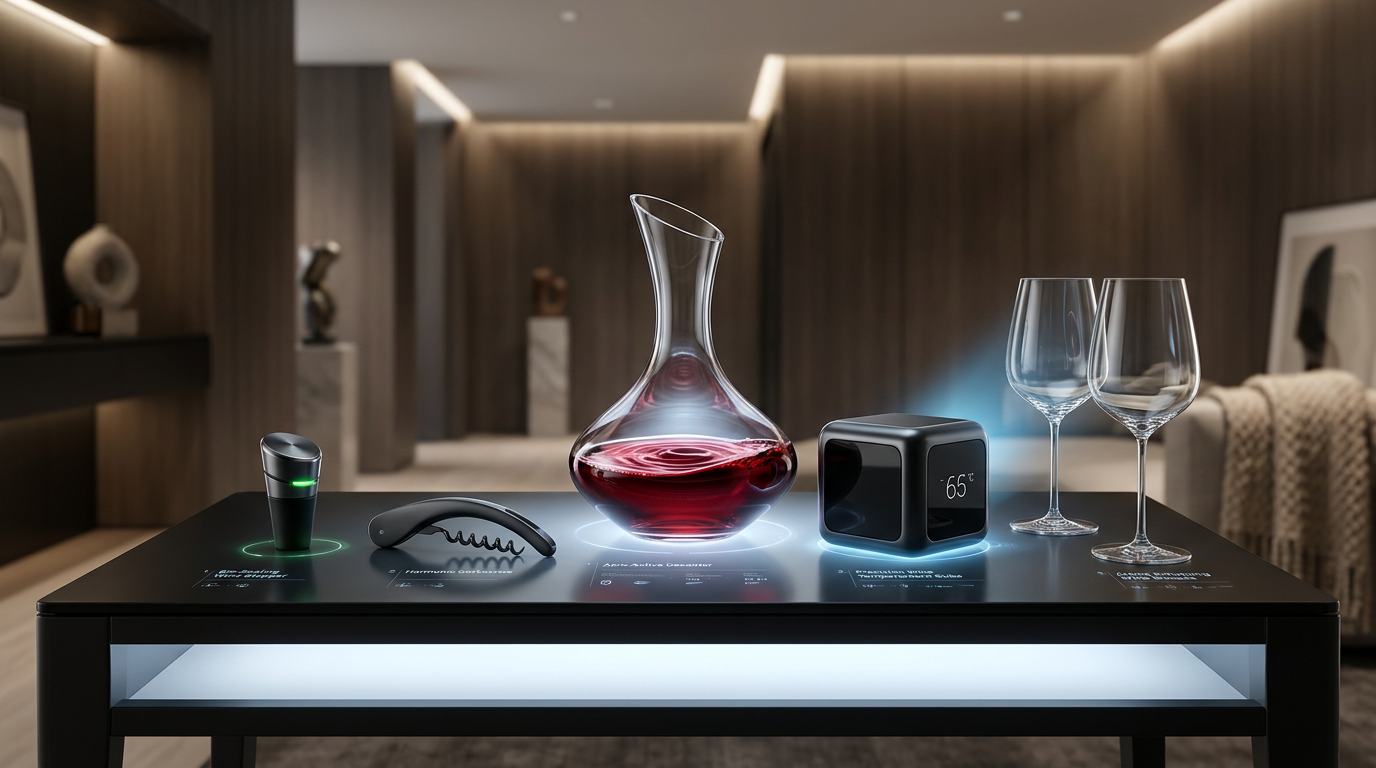
The Vinous Arsenal: Essential Tools for Elevating Your Wine Experience in 2026
As we navigate May 2026, the world of wine continues to evolve, offering enthusiasts unprecedented tools. Discover the essential wine accessories for 2026 that will elevate your enjoyment, from innovative aerators to smart preservation systems. Upgrade your vinous arsenal today with Greatest Wine.
Juniper Thorne