The Art of the 'Vinous Nebula': Deconstructing the Cosmic Influences on Terroir in 2026
In 2026, the intriguing concept of 'cosmic terroir' is gaining traction among wine enthusiasts and experts. This notion suggests that celestial bodies and their energies significantly shape a wine's character, moving beyond traditional understandings of soil, climate, and human intervention. Discover how cosmic influences contribute to the unique artistry of the 'Vinous Nebula' and redefine our perception of wine-making. This article deconstructs the theories and practical implications of cosmic influences on terroir, providing a fresh perspective for the modern wine industry.


The Art of the 'Vinous Nebula': Deconstructing the Cosmic Influences on Terroir in 2026 and the Importance of Cosmic Terroir
In the vast universe of wine, enthusiasts and experts alike are perpetually seeking deeper insights into the myriad factors shaping a wine's character. One of the most intriguing and, at times, esoteric concepts gaining traction in 2026 is the idea of cosmic terroir. This fascinating notion posits that celestial bodies and their energies, from the moon's gravitational pull to planetary alignments, play a subtle yet significant role in influencing the very essence of a vineyard's land and, consequently, the grapes it yields. Far from mere astrological whims, understanding cosmic terroir delves into the intricate interplay between macrocosmic forces and microcosmic biological processes, offering a fresh perspective on the complex tapestry of wine production. For a deeper dive into how micro-climates factor into a similar discussion, see The Art of the Sommelier's Sixth Sense: Anticipating the Unseen Impact of Micro-Climates on 2026 Vintages.
Understanding Terroir Beyond Earthly Constraints: The Essence of Cosmic Terroir
Traditional terroir encompasses the combined effects of climate, soil, topography, and human practices on a vine's growth and grape expression. However, the concept of cosmic terroir expands this definition, suggesting that lunar cycles, planetary movements, and even stellar radiation might exert nuanced influences on everything from sap flow to phenolic development. This perspective, while still largely observational and requiring further scientific investigation in 2026, resonates with biodynamic farming principles that have long integrated cosmic rhythms into agricultural practices. The exploration of The Art of the Soil Microbiome: Unseen Architects of Terroir and Wine Complexity in 2026 provides further context on the unseen influences affecting wine.
The Lunar Influence on Vineyards
The moon's gravitational pull is a well-documented force, impacting tides and even subtle biological rhythms. In the context of cosmic terroir, proponents suggest that lunar phases affect water movement in the soil and within the vine itself. Planting, pruning, and harvesting based on specific lunar calendars are common practices in biodynamic viticulture, aiming to synchronize vineyard activities with these perceived celestial energies for optimal growth and fruit quality. For an external perspective on lunar influences in viticulture, consider resources like The Biodynamic Agricultural Calendar.
- Waxing Moon: Believed to encourage upward growth, ideal for leaf development.
- Waning Moon: Thought to favor root development and sap descent, beneficial for pruning.
- New Moon: A time for rest, often avoided for intensive vineyard work.
- Full Moon: Associated with heightened vitality and sap movement.
Planetary Alignments and Grape Development
Beyond the moon, some esoteric frameworks suggest that the positions and alignments of other planets might also contribute to cosmic terroir. While the direct mechanisms are not yet fully understood by conventional science, a handful of forward-thinking vignerons worldwide are experimenting with timing vineyard interventions based on these broader cosmic cycles. This approach seeks to tap into universal energies, believing they can subtly enhance the vine's resilience and the grape's ultimate expression.
Biodynamics and the Quest for Cosmic Terroir
Biodynamic viticulture stands as a pioneer in embracing the principles inherent in cosmic terroir. Developed by Rudolf Steiner in the early 20th century, biodynamics views the farm as a self-sustaining organism, deeply interconnected with its environment and the cosmos. In 2026, biodynamic certification is increasingly recognized as a hallmark of sustainable and thoughtful winemaking, influencing a growing number of prestigious estates globally.
Steiner's Agricultural Calendar
A cornerstone of biodynamic practice is the use of a celestial calendar, often referred to as the "Biodynamic Sowing and Planting Calendar." This calendar meticulously details optimal days for various agricultural tasks based on lunar phases, planetary positions, and constellations. For wine producers, this translates into specific days for:
- Planting and grafting vines
- Pruning and trellising
- Applying biodynamic preparations (e.g., horn manure, horn silica)
- Harvesting grapes
Adherents believe that observing these cosmic rhythms enhances the vitality of the soil, the health of the vines, and the quality of the resulting wine, contributing to a more profound sense of cosmic terroir.
The Role of Biodynamic Preparations
Biodynamic farming employs unique preparations, often made from manure, silica, and medicinal herbs, processed in specific ways and applied at precise times according to the cosmic calendar. These preparations are not fertilizers in the conventional sense but are believed to energize the soil and strengthen the vine's connection to cosmic forces. Their application is meticulously timed to reinforce the desired aspects of cosmic terroir.
Scientific Scrutiny and Future Prospects of Cosmic Terroir
While the concept of cosmic terroir is embraced by many in the biodynamic community, it faces significant skepticism from mainstream science due to the lack of direct, reproducible evidence explaining the precise mechanisms of influence. However, as our understanding of plant biology and environmental interactions grows in 2026, researchers are beginning to explore even the most subtle external factors that might impact agricultural outcomes. For additional reading on the scientific side of biodynamics, sources like Science.org biodynamics review can offer valuable insights.
Challenges in Proving Cosmic Influence
The inherent difficulty lies in isolating cosmic influences from the multitude of other variables affecting vine growth and wine quality. Factors like soil composition, microclimate, rootstock, clone, winemaking techniques, and even human intuition all contribute significantly. Controlled experiments to definitively prove the impact of planetary alignments, for example, are incredibly complex to design and execute.
However, the ongoing pursuit of knowledge often begins with observation and hypothesis. The increasing acceptance of complex biological systems and their responsiveness to subtle environmental cues may pave the way for future explorations into the deeper layers of what constitutes cosmic terroir.
Advancements in Sensor Technology and Data Analysis
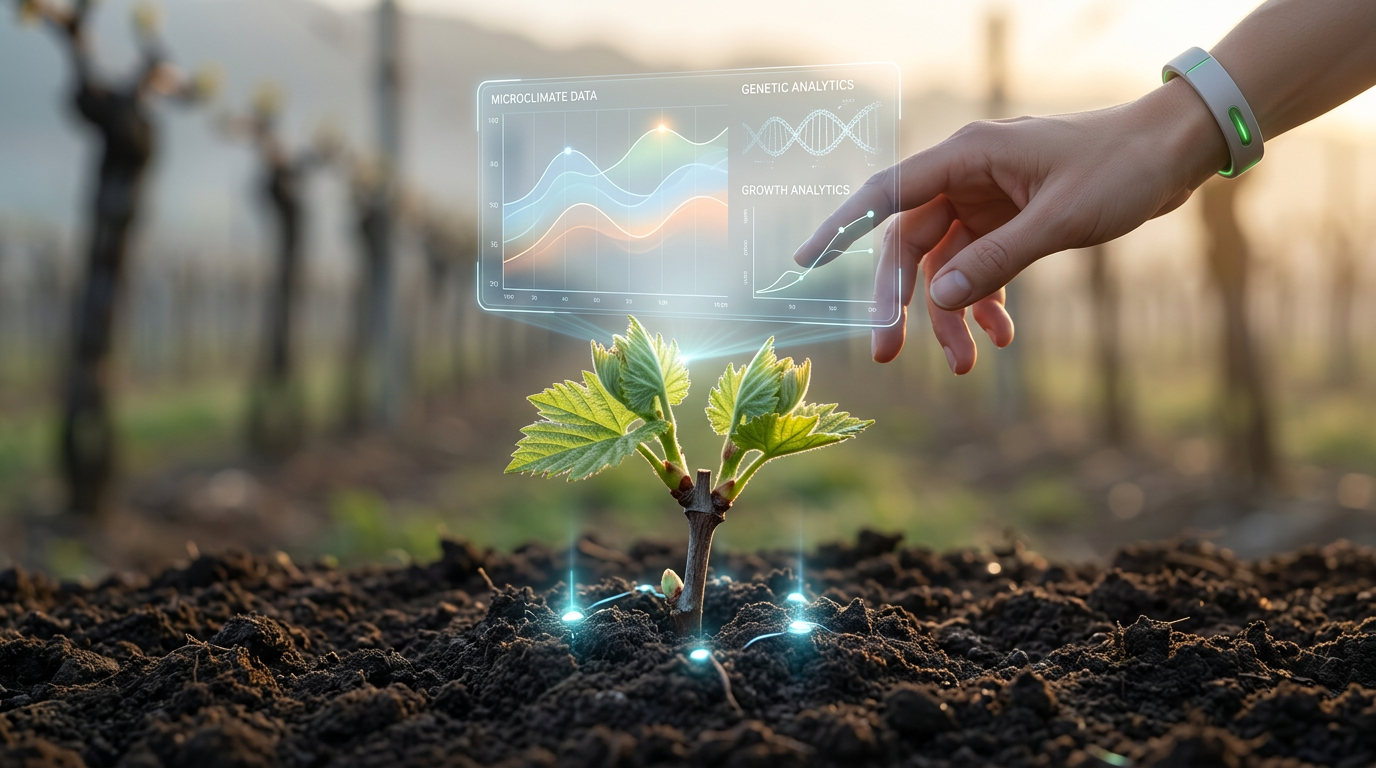
The rise of advanced sensor technologies and sophisticated data analytics in 2026 offers new avenues for investigating these subtle influences. Minute changes in soil moisture, vine sap flow, leaf temperature, and grape composition can now be monitored with unprecedented precision. Correlating these detailed physiological responses with cosmic cycles could, over time, reveal patterns that lend empirical support to aspects of cosmic terroir. This parallels the predictive analytics discussed in The Art of the Vinous Cartographer: Mapping Flavor Landscapes and Predictive Terroir in 2026.
The Palate's Perspective: Tasting the Cosmic Terroir
Ultimately, for many wine lovers, the proof of cosmic terroir is in the bottle. Advocates often describe biodynamic wines as possessing a unique vitality, clarity, and a more profound expression of their specific land. They speak of wines with enhanced aromatics, vibrant acidity, and a distinctive sense of place that seems to transcend purely conventional explanations.
Sensory Characteristics Associated with Cosmic Terroir
While subjective, consistent observations from experienced tasters and critics suggest that wines born from estates practicing biodynamics and considering cosmic terroir often exhibit certain characteristics:
- Purity of Fruit: Grapes are believed to express their varietal character with greater clarity and intensity.
- Energy and Vibrancy: Wines are often described as having a lively, dynamic feel on the palate.
- Depth and Complexity: A richer, more layered flavor profile, reflective of a healthier and more balanced vineyard ecosystem.
- Longevity: Many believe these wines age with exceptional grace, developing nuanced complexities over time.
The Biodynamic Tasting Calendar
Adding another layer to the cosmic connection, some biodynamic practitioners claim that a wine's flavor and aroma can fluctuate depending on the lunar phase on which it is tasted. The "Biodynamic Tasting Calendar" suggests "fruit days" and "flower days" are optimal for tasting, enhancing the wine's aromatic expression, while "leaf days" and "root days" might dampen its qualities. This further underscores the holistic view of cosmic terroir, extending its influence beyond production to consumption.
As we navigate the fascinating world of wine in 2026, the concept of cosmic terroir serves as a powerful reminder of the intricate connections between all living things and the universe at large. Whether viewed through a scientific lens or an esoteric one, it encourages us to look beyond the obvious in our quest to understand the profound depths and unique character of every bottle.
Written by
Juniper Thorne is an experienced writer and educator with a deep passion for the world of wine. Bringing expertise in sensory analysis and wine culture to the Greatest Wine platform, Juniper helps readers explore and appreciate every nuance of wine.
Related Articles

The Cellar Architects: Mastering Elite Wine Preservation and Evolution in 2026
For the true connoisseur, wine is more than just a beverage; it's a living entity, an investment, and a passion. Mastering its preservation and evolution is an art form, especially in 2026 with new technologies and insights. Learn how to protect and enhance your cherished collection.
Juniper Thorne