The Art of the Vinous Pulse: Decoding the Rhythms of Vineyard Health and Terroir in 2026
Understanding the intricate relationship between a vineyard's health, its unique terroir, and the resulting wine is an endeavor that continually evolves. This very essence is captured by the concept of the vinous pulse 2026, a holistic examination of the vitality and rhythm within the world's most esteemed grape-growing regions. As we delve into the heart of 2026, the global wine landscape presents fascinating insights into how environmental factors, advanced viticulture practices, and evolving consumer preferences are shaping the art of winemaking. This article dives deep into the metrics and observations that define the 'vinous pulse' – from soil microbiome health to climate resilience strategies. Learn how these elements converge to produce the exceptional wines we cherish, and what innovations are on the horizon for sustainable and expressive viticulture.

The Art of the Vinous Pulse: Decoding the Rhythms of Vineyard Health and Terroir in 2026
Understanding the intricate relationship between a vineyard's health, its unique terroir, and the resulting wine is an endeavor that continually evolves. This very essence is captured by the concept of the vinous pulse 2026, a holistic examination of the vitality and rhythm within the world's most esteemed grape-growing regions. As we delve into the heart of 2026, the global wine landscape presents a fascinating tapestry of innovation, tradition, and environmental adaptation, all contributing to the unique character found in every bottle. Our mission at Greatest Wine is to unravel these complex layers, offering enthusiasts a deeper appreciation for the craftsmanship and natural forces that shape their favorite vintages.
For more insights into the nuanced influences on vintages, explore The Art of the 'Vinous Micro-Climate': Decoding Hyper-Local Weather's Impact on 2026's Exceptional Vintages.
The Changing Climate and the Vinous Pulse 2026
The climate crisis remains arguably the most significant factor influencing viticulture in 2026. Winemakers globally are grappling with shifting weather patterns, extreme events, and altered growing seasons. This necessitates a proactive approach to vineyard management, where every decision contributes to the resilience and quality of the vines.
Innovations in Climate-Resilient Viticulture
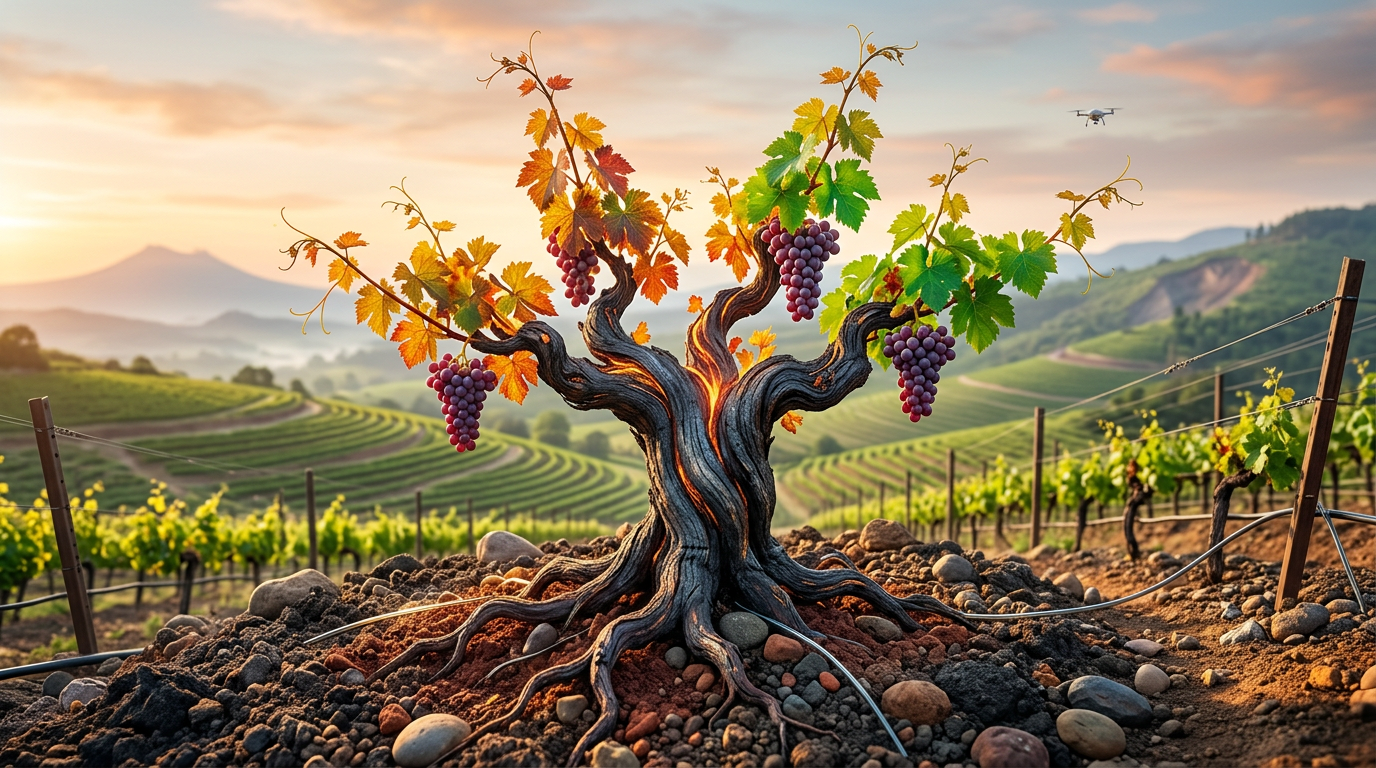
In response to climatic shifts, 2026 sees vineyard managers implementing cutting-edge solutions. These include advanced irrigation techniques that optimize water usage, such as precision drip systems guided by AI, and the increased adoption of drought-resistant rootstocks. Furthermore, there's a growing trend towards selecting grape varietals better suited to warmer temperatures or exploring new geographical areas previously considered too cool for viticulture. The ability to adapt and innovate directly impacts the strength of the vinous pulse 2026 in any given region.
The Impact of Extreme Weather Events
From late spring frosts to intense summer heatwaves and unpredictable hail storms, extreme weather events continue to challenge grape growers. The industry is investing heavily in technologies like wind machines for frost protection and innovative netting systems to mitigate hail damage. These interventions are crucial not just for saving a vintage but for ensuring the long-term health and stability of the vineyard ecosystem.
Terroir in the Modern Era: A Deeper Understanding
Terroir, often described as the "taste of place," encompasses the complete natural environment in which a particular wine is produced, including factors such as the soil, topography, and climate. In 2026, our understanding and measurement of terroir are becoming increasingly sophisticated, moving beyond traditional observations to data-driven insights.
Geospatial Analysis and Soil Mapping
Advanced geospatial analysis techniques, including satellite imagery and drone technology, are providing unprecedented detail into soil composition, drainage patterns, and microclimates within individual vineyards. This granular data allows winemakers to precisely tailor vineyard practices, from planting densities to fertilization strategies, ensuring each vine receives optimal care. Understanding these subtle variations is key to unlocking the full potential of a site and truly expressing its vinous pulse 2026.
The Role of Microbiome in Terroir Expression
Emerging research in 2026 highlights the critical role of the vineyard's microbiome – the community of microorganisms living in and around the soil and on the grapevines – in defining terroir. These microscopic inhabitants influence nutrient uptake, disease resistance, and even the aromatic precursors in the grapes. Sustainable and organic farming practices that foster a healthy microbial ecosystem are gaining traction, recognizing their profound impact on wine quality. For a deeper dive into this fascinating aspect, consider reading The Art of the Soil Microbiome: Unseen Architects of Terroir and Wine Complexity in 2026.
Sustainable Practices Driving the Vinous Pulse 2026
Sustainability is no longer a niche concept but a fundamental pillar of modern viticulture. Winemakers globally are adopting practices that protect natural resources, reduce their carbon footprint, and ensure the economic viability of their operations for future generations.
- Organic and Biodynamic Farming: The conversion to organic and biodynamic agriculture continues to accelerate. These holistic approaches focus on building soil health, enhancing biodiversity, and minimizing external inputs, contributing to the overall resilience and vibrancy of the vineyard.
- Water Conservation: With water scarcity becoming a pressing concern in many wine regions, innovative water management techniques are paramount. This includes improved water-use efficiency in both the vineyard and the winery, from rainwater harvesting to sophisticated wastewater treatment and recycling. You can explore global efforts in water conservation within agriculture by visiting the FAO's Water Scarcity and Agriculture page.
- Renewable Energy Adoption: Many wineries are investing in solar panels and other renewable energy sources to power their operations, significantly reducing their environmental impact and contributing to a greener industry. The International Renewable Energy Agency (IRENA) provides valuable insights into the expanding role of renewable energy.
These sustainable efforts are not merely about compliance; they are about cultivating wines that authentically reflect their origin while respecting the planet. The strength of the vinous pulse 2026 is inextricably linked to these environmentally conscious choices.
Technological Advancements Shaping the Future of Wine
Technology continues to revolutionize every aspect of winemaking, from the vineyard to the cellar. In 2026, digitalization and automation are streamlining processes, enhancing precision, and opening new avenues for quality improvement.
Precision Viticulture with AI and Robotics
Artificial intelligence and robotics are transforming vineyard management. Drones equipped with sensors monitor vine health, pest outbreaks, and irrigation needs with remarkable accuracy. Robotic platforms are being developed for tasks like precise pruning, targeted spraying, and even selective harvesting, optimizing labor resources and improving efficiency. These innovations ensure that every vine contributes ideally to the aggregate vinous pulse 2026.
Data Analytics for Informed Decisions
The vast amounts of data collected from vineyards – spanning weather patterns, soil moisture, vine vigor, and grape maturity – are being analyzed using sophisticated algorithms. This data-driven approach allows winemakers to make more informed decisions, from predicting harvest times to managing disease pressure, leading to more consistent quality and optimized resource allocation.
Blockchain for Authenticity and Traceability
Blockchain technology is gaining traction in the wine industry for its ability to provide unprecedented transparency and traceability. Consumers in 2026 can increasingly use blockchain to verify the authenticity of a bottle, track its journey from vineyard to shelf, and learn about its production history, fostering greater trust and reinforcing the value of carefully crafted wines. Discover more about this revolution in The Art of the 'Vinous Blockchain': Revolutionizing Wine Provenance and Authenticity in 2026. For general industry insights on blockchain, refer to reports from organizations like Gartner on Blockchain in Supply Chain.
The Human Element: Guardians of the Vinous Pulse
Despite all the technological advancements, the human element remains paramount in winemaking. The knowledge, passion, and artistry of winemakers, viticulturists, and cellar masters are irreplaceable. Their intuition, experience, and deep understanding of their land are what truly elevate a good wine to a great one. Delve into how individual talent shapes outstanding vintages by exploring The Art of the Winemaker's Signature: Decoding Personal Style and Innovation in 2026's Finest Vintages.
In 2026, there's a strong emphasis on continuous learning and knowledge sharing within the wine community. Seminars, workshops, and international exchanges allow professionals to stay abreast of the latest research and best practices. This collaborative spirit ensures that the collective wisdom of the industry continues to grow, nurturing the vinous pulse 2026 for generations to come. Ultimately, it’s the dedicated individuals who interpret the subtle cues of the vineyard, translating them into the remarkable wines we enjoy.
Written by
Juniper Thorne is an experienced writer and educator with a deep passion for the world of wine. Bringing expertise in sensory analysis and wine culture to the Greatest Wine platform, Juniper helps readers explore and appreciate every nuance of wine.
Related Articles

The Vinous Verse: How Wine's Spirit Inspires 2026's Poetic and Literary Masterpieces
The intricate dance between the grape and the written word has enchanted humanity for millennia. Explore the profound connection between wine and literature, from ancient musings to 2026's contemporary narratives and poetic masterpieces. Discover how the world of wine continually inspires writers.
Juniper Thorne