The Art of the 'Vinous Micro-Climate': Decoding Hyper-Local Weather's Impact on 2026's Exceptional Vintages
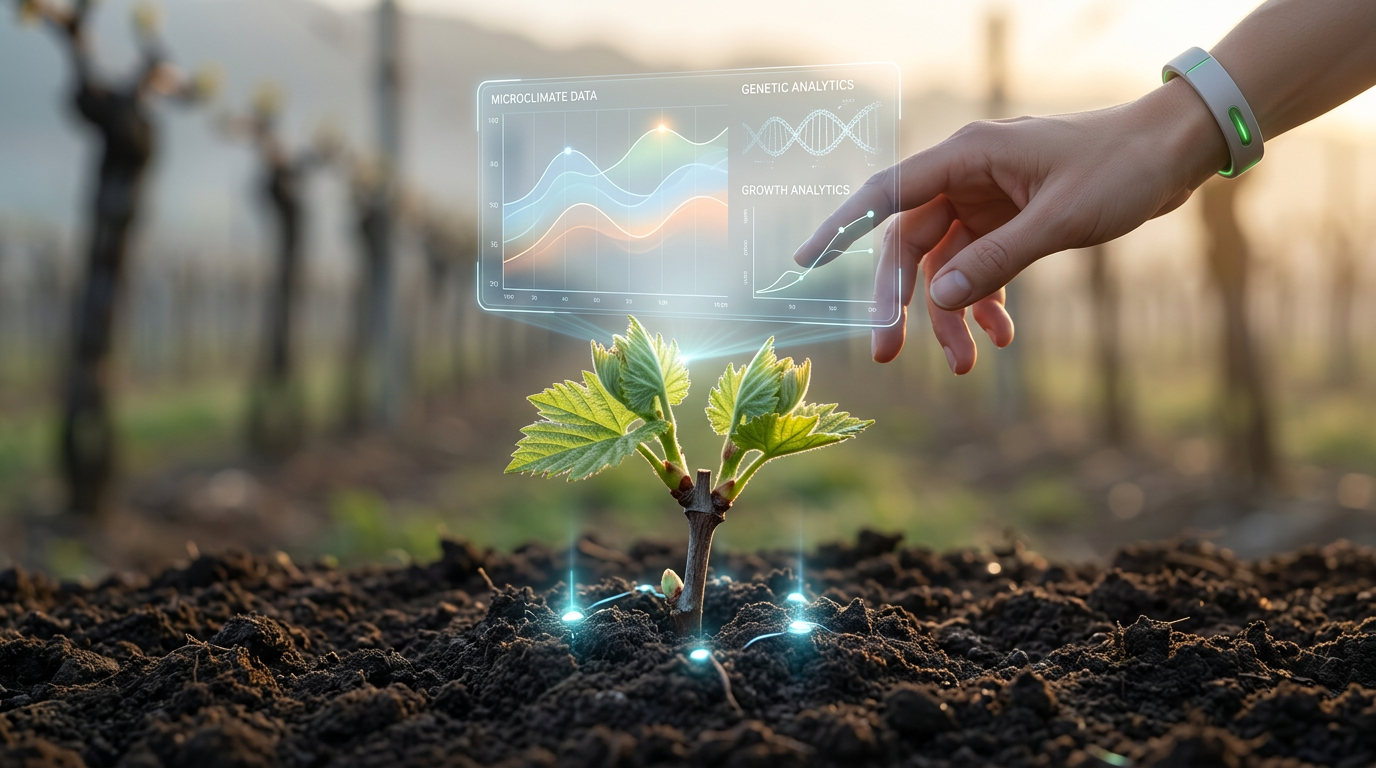
In the intricate world of winemaking, few elements are as profoundly influential as the vinous micro-climate. This hyper-local atmospheric condition, unique to a specific vineyard block or even a row of vines, represents the confluence of elevation, aspect, soil composition, and more, significantly impacting the quality of 2026's vintages.


The Art of the 'Vinous Micro-Climate': Decoding Hyper-Local Weather's Impact on 2026's Exceptional Vintages
In the intricate world of winemaking, where every nuanced detail contributes to the final masterpiece in the bottle, few elements are as profoundly influential as the vinous micro-climate. This hyper-local atmospheric condition, unique to a specific vineyard block or even a row of vines, represents the confluence of elevation, aspect, soil composition, proximity to water bodies, and countless other variables that shape the grape's journey from bud break to harvest. Understanding and harnessing the power of the vinous micro-climate is paramount for vintners aiming to produce exceptional wines, a truth beautifully exemplified in the early promise shown by the 2026 vintages across various revered wine regions. Greatest Wine is dedicated to exploring these deep connections, revealing how precision viticulture leverages these minute climatic differences to craft wines of unparalleled character and complexity.
For further reading on the unseen heroes of the vineyard, consider "The Art of the Soil Microbiome: Unseen Architects of Terroir and Wine Complexity in 2026" on our internal articles page: The Art of the Soil Microbiome.
Defining the Vinous Micro-Climate: More Than Just Weather
While often used interchangeably, 'climate' and 'micro-climate' in viticulture are distinct concepts. Climate refers to the broader, regional weather patterns, encompassing typical temperature ranges, rainfall, and sunshine hours over many years. A vinous micro-climate, however, delves into the specifics of a much smaller area, sometimes just a few square meters, highlighting how localized topography and geographical features create unique conditions that deviate significantly from the regional norm.
These localized variations can include slight temperature inversions, differential wind patterns, unique fog accumulation, and varied solar radiation exposure. For the 2026 growing season, numerous reports detail how subtle shifts in these micro-climatic patterns have been crucial in areas like Sonoma County and Burgundy, leading to particularly long and even ripening periods in certain plots.
Topography's Role in Shaping the Micro-Climate
The lay of the land is a primary driver of any vinous micro-climate. Slopes, hills, and valleys dictate how sunlight hits the vines, how cold air drains, and how water flows. A south-facing slope, for instance, receives more intense sunlight than a north-facing one, influencing photosynthetic activity and sugar development in the grapes. East-facing slopes, catching the gentler morning sun, help dry morning dew, reducing disease pressure.
- Aspect: The direction a slope faces impacts solar radiation, critical for phenolic ripeness.
- Elevation: Higher altitudes typically mean cooler temperatures and increased UV exposure, influencing acidity and skin thickness.
- Slope Gradient: Steeper slopes can lead to better drainage and airflow, reducing humidity.
Soil Composition and Water Dynamics
The ground beneath the vines is another critical component of the vinous micro-climate. Different soil types have varying capacities to retain or drain water and to absorb or reflect heat. Clay-rich soils, for example, hold water well, providing a steady supply to the vines even during drier spells. Sandy or stony soils, conversely, drain quickly and can reflect more heat, stressing the vines in a controlled manner that can concentrate flavors.
This dynamic was particularly notable in some of the more drought-prone regions in 2026, where vineyards with excellent water retention in their subsoils thrived amidst challenging conditions, showcasing the resilience afforded by a well-understood vinous micro-climate.
The Impact of the Vinous Micro-Climate on Grape Development
The subtle influences of a vineyard's specific conditions have a profound impact on every stage of grape development, ultimately determining the final character, balance, and quality of the wine. From bud break to Veraison and finally to harvest, the vinous micro-climate orchestrates a delicate dance of growth and maturation.
In 2026, many winemakers reported that consistent, albeit localized, diurnal temperature swings (the difference between daytime highs and nighttime lows) were instrumental in preserving acidity and developing complex aromatic precursors, even in warm regions. This highlights the ongoing importance of monitoring these hourly shifts. You can learn more about the intricate processes wine undergoes in our article: The Art of the 'Vinous Metamorphosis': Witnessing Wine's Transformation in the Cellar (2026 Edition).
Influence on Acidity and Sugar Levels
Temperature fluctuations are key. Warm days promote sugar development through photosynthesis, while cool nights help to preserve malic acid, contributing to the wine's freshness and balance. A vinous micro-climate that offers significant diurnal shifts is highly prized, as it allows grapes to achieve optimal ripeness without becoming overly flabby or lacking structure. This balance is especially crucial for varietals like Pinot Noir and elegantly structured Chardonnay.
Phenolic Ripeness and Aromatic Complexity
Beyond sugars and acids, the vinous micro-climate also plays a major role in phenolic ripeness – the development of tannins, anthocyanins (color compounds), and the complex array of aromatic compounds found in the grape skins and pulp. Optimal light exposure, coupled with appropriate heat stress, encourages thicker skins with higher concentrations of these desirable compounds, leading to wines with greater color, structure, and aromatic depth.
- Tannin Development: Influenced by light and temperature, affecting mouthfeel and aging potential.
- Color Intensity: Solar radiation directly impacts anthocyanin production.
- Aromatic Precursors: Delicate aromas are often preserved or enhanced by cooler nights.
Mitigating Challenges and Harnessing Opportunities with Micro-Climates in 2026
Winemakers today are increasingly sophisticated in their understanding and manipulation of the vinous micro-climate. With climate patterns becoming more unpredictable, especially in 2026, the ability to pinpoint and react to hyper-local conditions has become a vital skill, transforming potential challenges into unique opportunities for distinction.
Advanced viticultural techniques, from tailored pruning strategies to precision irrigation, are often decided at the micro-block level, demonstrating the tangible application of micro-climatic insights. Drone technology and advanced sensor networks are increasingly providing real-time data on these nuanced variations, as outlined in a recent report by the International Organisation of Vine and Wine (OIV).
Precision Viticulture and Site Selection
Understanding a vineyard's various vinous micro-climate zones allows for precision viticulture. This means adapting farming practices – such as shoot thinning, leaf pulling, and harvest timing – to the specific needs of each block or even individual rows of vines. This level of detail ensures that grapes from different parts of a vineyard, despite being planted to the same varietal, can express distinct characteristics, contributing layers of complexity to the final blend.
Looking at the 2026 harvest, many winemakers spoke of separating out specific vineyard sections based on their unique micro-climatic response to early-season heat waves, proving the value of such detailed planning. This practice is part of a larger trend explored in The Art of the Vinous Cartographer: Mapping Flavor Landscapes and Predictive Terroir in 2026.
Climatic Variability and Adaptation Strategies
As global climates continue to shift, the concept of a stable regional climate is becoming less reliable. This elevates the importance of understanding and leveraging the inherent variability within a vinous micro-climate. Winemakers are actively experimenting with drought-resistant rootstocks, novel training systems, and even clonal selections that are better suited to specific localized conditions, ensuring resilience and quality in changing environmental landscapes.
For instance, some regions in 2026 saw effective use of misting systems and strategic canopy management in specific, hotter micro-climate zones to prevent sunburn and excessive water stress, showcasing direct adaptive measures. Further insights into adapting to climate change can be found in publications from organizations like the World Meteorological Organization (WMO).
The 2026 Vintages: A Testament to Micro-Climatic Mastery
The enthusiasm surrounding the 2026 vintages in many of the world's leading wine regions is largely attributable to winemakers' profound grasp of the vinous micro-climate. Despite a year that presented its share of climatic hurdles, particularly localized heat spikes and intermittent dry spells, those who meticulously monitored and responded to the specific conditions within their vineyards were able to achieve remarkable results. This nuanced understanding allowed for optimal grape development, resulting in wines that promise exceptional balance, depth, and varietal expression.
Initial tastings of 2026 barrel samples reveal wines of impressive concentration and aromatic purity, directly reflecting the careful management of vineyard conditions, block by block, row by row. This is where the true artistry of winemaking shines through, moving beyond general climate data to embrace the unique narrative of each specific vinous micro-climate parcel.
- Regional Examples:
- Bordeaux, France: Strategic early leaf management in specific parcels mitigated a mid-summer heat event, preserving freshness.
- Mendoza, Argentina: High-altitude vineyards with inherent cool night temperatures excelled, despite generally warmer lowland conditions.
- Paso Robles, USA: Winemakers utilized varied soil types to achieve different ripening curves, adding complexity to blends.
The Future of Winemaking: Embracing the Hyper-Local Vinous Micro-Climate
As we advance further into the 21st century, the focus on the vinous micro-climate will only intensify. Technological advancements, from hyperspectral imaging to AI-powered predictive models, will provide winemakers with unprecedented insights into their vineyard's minutiae. This hyper-local approach promises to unlock even greater potential from existing vineyards and guide the selection of future planting sites with pinpoint accuracy.
The journey of understanding the vinous micro-climate is continuous, a blend of traditional wisdom, keen observation, and cutting-edge science. For wine enthusiasts and professionals alike, appreciating this intricate interplay deepens the enjoyment and understanding of every bottle. It's a testament to the fact that the greatest wines are not merely a product of their region, but a distinct expression of their unique, tiny patch of earth and its incomparable atmospheric dance. As Greatest Wine continues to explore these depths, we invite you to join us in celebrating the masterful art of the vinous micro-climate, especially as we anticipate the exceptional narratives that the 2026 vintages are poised to tell.
Written by
Juniper Thorne is an experienced writer and educator with a deep passion for the world of wine. Bringing expertise in sensory analysis and wine culture to the Greatest Wine platform, Juniper helps readers explore and appreciate every nuance of wine.
Related Articles

The Cellar Architects: Mastering Elite Wine Preservation and Evolution in 2026
For the true connoisseur, wine is more than just a beverage; it's a living entity, an investment, and a passion. Mastering its preservation and evolution is an art form, especially in 2026 with new technologies and insights. Learn how to protect and enhance your cherished collection.
Juniper Thorne