The Art of the Vinous Architect: Designing Iconic Wineries as Temples of Terroir in 2026
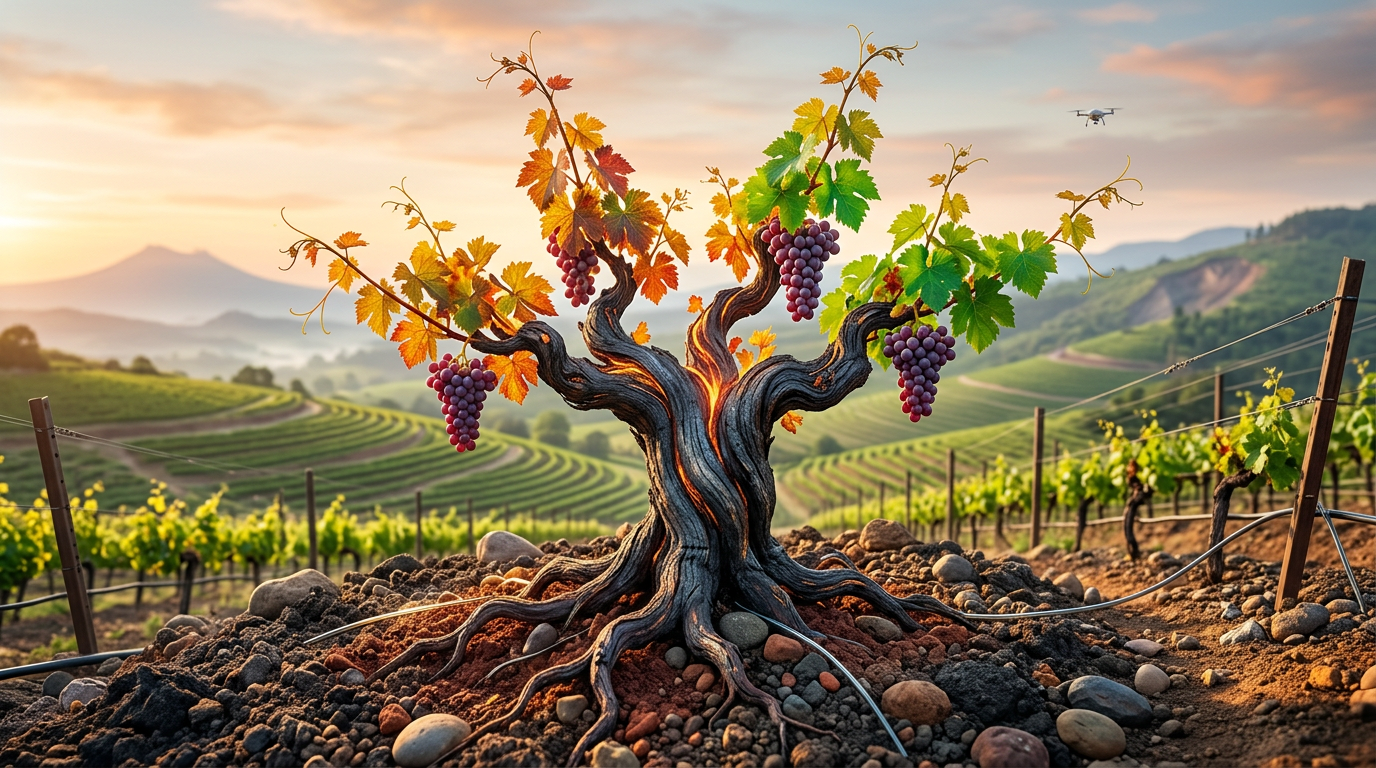
In the evolving landscape of viticulture, winery architecture stands as a critical element, transcending mere functionality to become an art form in itself. Far beyond simple production facilities, modern wineries in 2026 are increasingly conceived as temples of terroir, designed to embody the spirit of their land, showcase winemaking prowess, and create unforgettable visitor experiences. This piece delves into the innovative approaches and key considerations shaping the design of these iconic structures, highlighting sustainability, integration with landscape, and visitor engagement as paramount factors. We examine how architects are blending tradition with cutting-edge design to build structures that are not just functional but also profoundly symbolic of their origin and craft, reflecting the pinnacle of vinous artistry. The intersection of design, viticulture, and guest experience is more vital than ever in 2026's competitive global market.


The Art of the Vinous Architect: Designing Iconic Wineries as Temples of Terroir in 2026
In the evolving landscape of viticulture, winery architecture stands as a critical element, transcending mere functionality to become an art form in itself. Far beyond simple production facilities, modern wineries in 2026 are increasingly conceived as temples of terroir, designed to embody the spirit of their land, showcase winemaking prowess, and create unforgettable visitor experiences. This architectural evolution reflects a deeper understanding of wine as a cultural artifact, integrating sustainability, aesthetics, and operational efficiency into a harmonious whole. From the rolling hills of Tuscany to the dramatic landscapes of Napa Valley, architects are crafting spaces that not only facilitate the intricate process of winemaking but also serve as iconic destinations for enthusiasts and connoisseurs. This commitment to origin and process highlights the importance of understanding the Art of the Soil Microbiome, which is crucial for defining true terroir.
The Evolving Role of Winery Architecture in 2026
The role of winery architecture has significantly expanded in recent decades. No longer are wineries just places for fermenting grapes; they are now multi-functional complexes that include tasting rooms, event spaces, restaurants, and sometimes even accommodations. This shift reflects the growing trend of wine tourism, which has become a major economic driver for many wine regions worldwide. As visitors seek more immersive and educational experiences, the architectural design plays a crucial role in shaping their perception of the brand and its wines.
The challenge for architects is to balance the practical necessities of winemaking with the desire for a visually stunning and welcoming environment. This often involves integrating cutting-edge technology with traditional craftsmanship, creating spaces that are both efficient and aesthetically pleasing. The impact of a well-designed winery on brand recognition and visitor engagement cannot be overstated in 2026. For a deeper dive into the narrative aspect, one might consider The Art of the 'Vinous Micro-Story', as these architectural marvels often craft their own unique narratives.
Sustainability at the Forefront of Design
Sustainability is a non-negotiable aspect of modern winery architecture. With increasing awareness of climate change and environmental impact, wineries are leading the charge in adopting green building practices. This includes:
- Passive Design Strategies: Utilizing natural light and ventilation to reduce energy consumption.
- Renewable Energy Sources: Incorporating solar panels, geothermal systems, and wind turbines.
- Recycled and Local Materials: Sourcing materials that minimize carbon footprint and support local economies.
- Water Conservation: Implementing rainwater harvesting systems and efficient irrigation practices for vineyards.
These practices not only reduce operational costs but also enhance the winery's ethical appeal, resonating with environmentally conscious consumers. The harmonious integration of these elements showcases a deep respect for the land from which the wine originates, echoing sentiments found in The Art of the Sommelier's Sixth Sense regarding environmental impact.
Integrating with the Landscape: A Sense of Place
A key aspect of successful winery architecture is its ability to blend seamlessly with its natural surroundings. This often involves using materials that reflect the local terroir, such as stone, wood, and concrete, in ways that complement the indigenous flora and fauna. The goal is to create structures that feel as though they have emerged organically from the land, rather than being imposed upon it.
Many renowned wineries are designed to offer panoramic views of their vineyards, allowing visitors to connect directly with the source of their wine. This emphasis on a "sense of place" not only enhances the visitor experience but also reinforces the authenticity and uniqueness of the wine itself. This connection is vital, especially when considering the subtle yet potent influences discussed in The Art of the Vinous Shadow.
The Intricate Dance Between Functionality and Aesthetics in Winery Architecture
Designing a winery requires a delicate balance between fulfilling highly specific functional requirements and achieving a captivating aesthetic. The winemaking process, from grape reception to bottling, demands precise environmental controls, specialized equipment, and efficient workflows. Architects must understand these intricacies to create spaces that optimize production while simultaneously inspiring awe.
The best examples of winery architecture demonstrate how these practical considerations can be elevated into art. Think of cellars designed for natural temperature regulation, where the very structure contributes to the wine's aging process, or fermentation rooms that double as dramatic, light-filled exhibition spaces. The operational blueprint informs the aesthetic outcome, creating a facility that is both a sophisticated factory and a magnificent gallery.
Designing for the Winemaking Process
The layout and design of a winery must be meticulously planned to accommodate the complex winemaking process. This includes:
- Grape Reception Areas: Designed for efficient offloading and sorting of grapes.
- Fermentation Tanks: Strategically placed for gravity flow where possible, minimizing the need for pumps.
- Barrel Rooms: Often subterranean or partially underground to maintain consistent temperature and humidity for aging. This design consideration is directly related to principles explored in The Art of the 'Vinous Metamorphosis'.
- Bottling Lines: Requiring clean, organized spaces for efficient packaging.
- Laboratories: Essential for quality control and scientific analysis at every stage.
Each of these areas has specific needs that influence the overall architectural design, ensuring that the finished structure supports optimal wine production.
Creating Memorable Visitor Experiences
Beyond winemaking, modern wineries are designed to be destinations. The visitor experience is paramount, and every element of the architecture contributes to this. This includes:
- Inviting Tasting Rooms: Spaces that encourage lingering and exploration, often with stunning views.
- Educational Facilities: Providing insights into the winemaking process through engaging displays and tours.
- Event Spaces: Versatile areas for weddings, corporate events, and cultural gatherings.
- Retail Opportunities: Thoughtfully designed shops for purchasing wine and merchandise.
The architectural flow guides visitors through the story of the wine, from the vineyard to the glass, deepening their appreciation and connection to the brand. This holistic approach makes winery architecture a tool for storytelling. For many, this immersive experience is enhanced by engaging with The Art of the 'Vinous Echo Chamber', as social media amplifies these memorable visits.
Iconic Wineries and Their Architectural Significance in 2026
Across the globe, various wineries have become celebrated not just for their exceptional wines but also for their groundbreaking architecture. These structures often push the boundaries of design, becoming landmarks in their own right. From minimalist forms to bold, sculptural statements, these iconic buildings showcase the diverse possibilities within winery architecture.
For example, the Ysios Winery in Rioja, Spain, designed by Santiago Calatrava, features a wave-like roof that mirrors the Sierra Cantabria mountain range. Its dramatic presence is instantly recognizable and has become synonymous with the region's innovative spirit. Similarly, the Opus One Winery in Napa Valley, a collaboration between architects Scott Johnson and Gyo Obata, blends classical forms with modern materials, embodying the elegance of its wines. These architectural achievements reflect the Art of the Winemaker's Signature, often extending personal style into the very structure.
Case Studies in Architectural Excellence
Let's examine a few examples that stand out in 2026 for their contribution to winery architecture:
- Domînus Estate, Napa Valley, USA: Designed by Herzog & de Meuron, this winery uses gabion walls filled with local stones, allowing the building to breathe and naturally regulate temperature. It epitomizes a subtle yet deeply contextual approach to design.
- Château La Coste, Provence, France: More than just a winery, this estate is a sprawling art and architecture park, featuring works by renowned artists and architects integrated into the landscape and winemaking facilities. It's a testament to the intersection of art, wine, and nature.
- Bodegas Portia, Ribera del Duero, Spain: Foster + Partners designed this star-shaped concrete and steel structure, which appears to emerge from the earth. Its innovative design facilitates gravity-fed winemaking while making a bold architectural statement.
These examples illustrate the wide spectrum of design philosophies, all aimed at enhancing the winemaking process and visitor engagement. Further exploration into these designs can be found on sites like ArchDaily's Winery Architecture section, showcasing global innovation.
The Future of Winery Architecture: Trends and Innovations in 2026
Looking ahead in 2026, the future of winery architecture promises even greater innovation, driven by technological advancements, evolving consumer preferences, and a continued commitment to sustainability. We can expect to see further integration of smart building technologies, enhanced immersive experiences, and a deeper connection between the built environment and the natural world.
Architects will continue to explore new materials and construction techniques, pushing the boundaries of what is possible while maintaining a reverence for tradition. The focus will remain on creating spaces that are not only beautiful and functional but also intrinsically linked to the narrative of the wine they produce.
Technological Integration and Smart Wineries
Smart technology will play an increasingly vital role in future winery designs. This includes:
- Automated Environmental Controls: Precision systems for temperature, humidity, and light within barrel rooms and cellars.
- Data-Driven Design: Using analytics to optimize energy consumption and operational efficiency.
- Augmented Reality (AR) and Virtual Reality (VR): Enhancing visitor tours and educational experiences.
- Robotics: Assisting with repetitive tasks, from bottle packing to barrel turning, allowing human expertise to focus on quality control and craftsmanship.
These innovations will streamline operations, reduce human error, and provide even greater control over the winemaking process, while creating engaging new ways for visitors to interact with the winery. The integration of advanced mapping tools and data analysis discussed in The Art of the Vinous Cartographer often informs these smart winery designs.
Biophilic Design and Experiential Spaces
Biophilic design, which integrates natural elements into the built environment, will become even more prominent. This involves creating spaces that foster a deeper connection to nature, promoting well-being and a sense of serenity. Expect more open-air tasting areas, integration of natural light, and abundant greenery within winery interiors.
The emphasis on experiential spaces will also grow, with wineries offering bespoke tours, culinary workshops, and sensory gardens designed to engage all five senses. The architecture will serve as a facilitator for these rich, multi-dimensional experiences, truly establishing wineries as cultural hubs and not just production sites. For further insights into the global movement of sustainable architecture, resources like the World Green Building Council offer valuable perspectives.
Conclusion: Crafting Legacies Through Winery Architecture
In 2026, winery architecture is undeniably recognized as a powerful tool for brand building, operational excellence, and environmental stewardship. It's about crafting legacies, not just buildings. From the intricate decisions regarding material sourcing to the overarching structural vision, every element contributes to the narrative of the wine and the identity of the estate. The most successful wineries understand that their buildings are as much a part of their terroir as their soil and climate.
As the wine world continues to evolve, the art of the vinous architect will only become more sophisticated, creating structures that stand as enduring testaments to the passion, precision, and poetry of winemaking. These architectural marvels are truly temples where the complex magic of turning grapes into extraordinary wine is celebrated and shared with a global audience, embedding themselves in the cultural tapestry of our time.
Written by
Juniper Thorne is an experienced writer and educator with a deep passion for the world of wine. Bringing expertise in sensory analysis and wine culture to the Greatest Wine platform, Juniper helps readers explore and appreciate every nuance of wine.
Related Articles

The Vinous Verse: How Wine's Spirit Inspires 2026's Poetic and Literary Masterpieces
The intricate dance between the grape and the written word has enchanted humanity for millennia. Explore the profound connection between wine and literature, from ancient musings to 2026's contemporary narratives and poetic masterpieces. Discover how the world of wine continually inspires writers.
Juniper Thorne