The Art of the 'Cognitive Cellar': How Sensory Deprivation Enhances Wine Appreciation in 2026
In the evolving world of oenology, a revolutionary practice is gaining significant traction: sensory deprivation wine tasting. This innovative method, often conducted in specially designed environments, aims to heighten the perception of a wine’s subtle nuances by minimizing external distractions. By removing visual, auditory, and even tactile stimuli, palates become more sensitive, allowing for an unparalleled sensory journey into the heart of each vintage. This trend is set to redefine how wine experts and enthusiasts experience and evaluate wines in 2026.

The Art of the 'Cognitive Cellar': How Sensory Deprivation Enhances Wine Appreciation in 2026
In the evolving world of oenology, a revolutionary practice is gaining significant traction: sensory deprivation wine tasting. This innovative method, often conducted in specially designed environments, aims to heighten the perception of a wine’s subtle nuances by minimizing external distractions. By removing visual, auditory, and even tactile stimuli, participants are left to focus intensely on the olfactory and gustatory characteristics of the wine, redefining the traditional tasting experience in 2026. This approach aligns with a broader trend in the wine industry towards exploring the psychology of wine expectation and our sensory response.
Unlocking the Palate: The Concept Behind Sensory Deprivation Wine Tasting
The human brain is constantly processing an enormous amount of sensory information. Our eyes, ears, and skin are all gateways for data that can, consciously or unconsciously, influence our perceptions. When it comes to wine tasting, this barrage of information can sometimes mask or diminish our ability to fully appreciate the complex aromas and flavors present in the glass. The core idea behind sensory deprivation wine tasting is to intentionally limit these external inputs.
By stepping into a darkened, silent room, or even by simply wearing a blindfold and noise-canceling headphones, tasters are forced to rely almost entirely on their sense of smell and taste. This isn't just a gimmick; it's a scientifically supported approach to enhancing perception. When other senses are subdued, the brain allocates more resources to the remaining dominant senses, leading to a profound amplification of taste and aroma detection. This phenomenon is critical for understanding the genetic blueprint for wine appreciation, which varies among individuals.
The Science of Amplified Senses in Sensory Deprivation Wine Tasting
Neuroscience research in 2026 continues to explore the intricate relationship between our senses. Studies suggest that cross-modal interactions play a significant role in how we perceive flavor. For instance, the color of a wine can unconsciously influence our perception of its sweetness or body. By eliminating such cues, we remove potential biases, allowing for a purer, unadulterated assessment of the wine. This is where sensory deprivation wine truly shines.
Moreover, the absence of visual and auditory distractions helps to quiet the mind, promoting a state of focused attention. This enhanced concentration allows tasters to identify and articulate subtle notes they might otherwise miss in a busy tasting room. It's about shifting from a multi-sensory experience to a hyper-focused gustatory and olfactory one. For more on the physiological aspects of taste, resources from institutions like the Monell Chemical Senses Center offer valuable insights into chemosensory research.
Historical Precedents and Modern Adaptations of Sensory Deprivation Wine
While the term "sensory deprivation wine" tasting might sound cutting-edge, the concept of focusing intensely on individual senses for appreciation isn't entirely new. Blind tastings have been a staple in wine education and competition for centuries, primarily to remove bias related to labels and bottle shapes. However, modern sensory deprivation wine experiences take this a step further, aiming to create a fully immersive and isolated environment.
In 2026, dedicated 'dark cellars' or 'cognitive cellars' are emerging in major wine regions and urban centers. These spaces are specifically designed to be soundproof and light-free, often featuring temperature and humidity controls to further enhance comfort and minimize external sensory input. Some even use white noise generators to ensure complete auditory isolation. This contrasts with the broader trend of designing iconic wineries that often highlight visual grandeur.
Cultivating Deeper Appreciation Through Sensory Deprivation Wine
The true value of engaging in sensory deprivation wine tasting lies in its ability to cultivate a much deeper and more nuanced appreciation for wine. It's an educational tool that trains the palate and the mind, helping both novice and experienced tasters alike to unlock new dimensions of flavor and aroma.
- Enhanced Flavor Identification: Without visual cues, tasters become more adept at identifying specific fruit, floral, spice, and earthy notes. They learn to discern nuances that are usually overshadowed.
- Improved Memory Recall: The intense focus during deprivation tasting can lead to stronger sensory memories, making it easier to recognize specific wines or varietals in future tastings.
- Reduced Bias: Eliminating visual and brand biases allows for a more objective assessment of a wine purely on its merits. This is crucial for truly understanding quality.
- Mindfulness and Focus: The absence of distractions promotes a meditative state, encouraging tasters to be fully present and mindful of the wine experience.
- Educational Value: For those learning about wine, this method accelerates the development of a sophisticated palate by forcing heightened attention to sensory details.
This method challenges preconceived notions and encourages a fresh perspective on well-known wines. It's not just about identifying flavors; it's about understanding the entire aromatic and gustatory profile in a more holistic way. The journey of wine's transformation in the cellar becomes particularly vivid under these conditions, thanks to the focused experience of sensory deprivation wine.
Designing the Perfect Sensory Deprivation Wine Environment
Creating an effective environment for sensory deprivation wine tasting requires careful consideration of several factors. While professional setups can be elaborate, elements can be adapted for home use.
Key Elements of a Dedicated Space
- Complete Darkness: The primary goal is to eliminate all visual stimuli. This means no ambient light, glowing electronics, or reflections. Heavy curtains, blackout blinds, or dedicated lightless rooms are essential. Understanding the impact of light is crucial, as explored in light's influence on wine maturation.
- Soundproofing: External noise is a significant distraction. Sound-absorbing materials, a quiet location, or noise-canceling headphones are crucial to achieving auditory isolation.
- Comfortable Seating: Participants should be relaxed and able to focus. Comfortable chairs or stools are important, as extended periods of discomfort can detract from the experience.
- Controlled Temperature and Humidity: Extreme temperatures or humidity can affect comfort and even alter the perception of aromas. A stable, comfortable environment is ideal.
- Odor Neutrality: The space itself should be free of any competing odors (e.g., air fresheners, cooking smells, perfumes) to ensure the only aromas perceived are those of the wine.
Safety is also paramount, especially in new or unfamiliar environments. Clear communication, guidance, and emergency protocols are essential for professional settings.
Adapting for At-Home Experiences
For those interested in exploring sensory deprivation wine tasting at home, several simple adaptations can be made:
- Use a blindfold, preferably a soft, comfortable one that completely blocks light.
- Wear noise-canceling headphones, perhaps playing soft, ambient white noise or silence.
- Choose a quiet room, away from household activities and external street noise.
- Ensure the room is dark by drawing all curtains and turning off lights.
- Taste the wine in silence, focusing solely on the smell and taste.
Even these simple steps can significantly enhance the sensory experience and provide valuable insights into the wine's character.
The Future of Wine Appreciation: Sensory Deprivation Wine in 2026 and Beyond
As 2026 unfolds, the trend of engaging with wine on a deeper, more intentional level is accelerating. Sensory deprivation wine experiences are becoming more mainstream, moving from niche experiments to recognized educational and enjoyment platforms. Wineries are beginning to incorporate dedicated 'dark tasting' rooms into their visitor programs, offering a unique and memorable experience that sets them apart.
This approach isn't just for sommeliers or connoisseurs; it's becoming accessible to anyone genuinely interested in understanding wine beyond its label or price point. It represents a shift towards a more mindful consumption, where the focus is firmly on the intrinsic qualities of the liquid in the glass. The global wine industry is continuously innovating, with insights often shared by organizations like the International Organisation of Vine and Wine (OIV).
Ultimately, the aim of sensory deprivation wine is to foster an even greater connection to the artistry of winemaking. By stripping away distractions, we allow the wine to speak for itself, revealing its true essence and stories. It's a journey into the 'cognitive cellar,' where the mind, unburdened by external stimuli, becomes the ultimate instrument for wine appreciation.
Written by
Juniper Thorne is an experienced writer and educator with a deep passion for the world of wine. Bringing expertise in sensory analysis and wine culture to the Greatest Wine platform, Juniper helps readers explore and appreciate every nuance of wine.
Related Articles
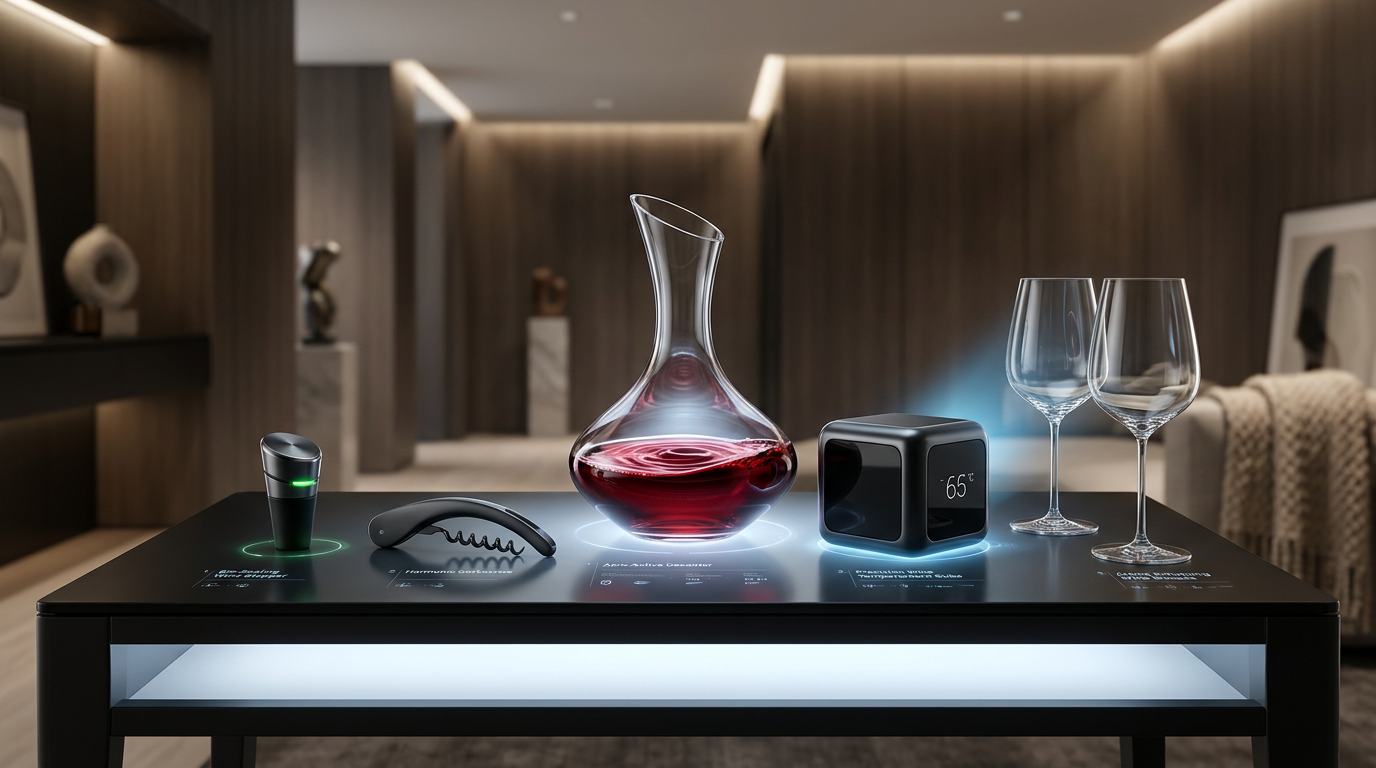
The Vinous Arsenal: Essential Tools for Elevating Your Wine Experience in 2026
As we navigate May 2026, the world of wine continues to evolve, offering enthusiasts unprecedented tools. Discover the essential wine accessories for 2026 that will elevate your enjoyment, from innovative aerators to smart preservation systems. Upgrade your vinous arsenal today with Greatest Wine.
Juniper Thorne