The Art of the Winemaker's 'Signature Soil': Cultivating Unique Terroir Through Advanced Soil Science in 2026
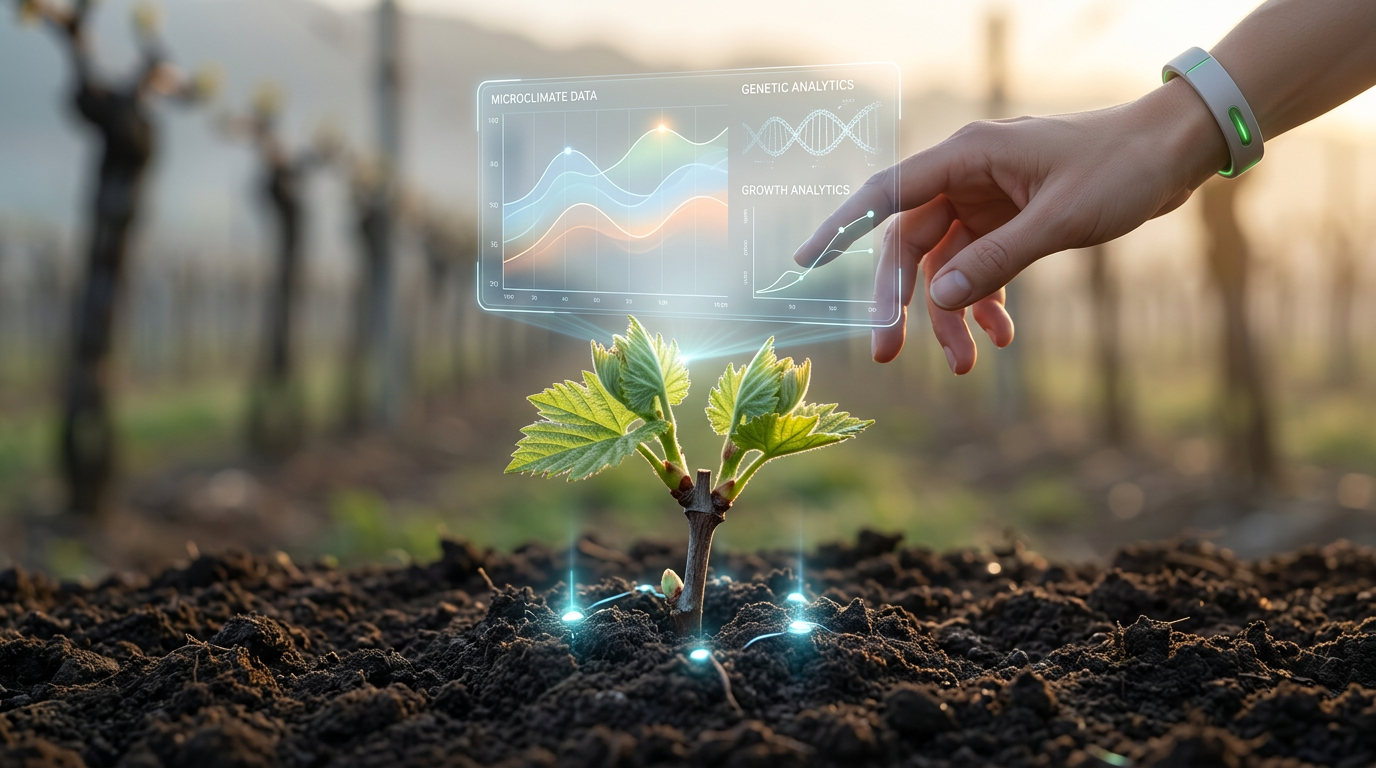
In 2026, the art of winemaking is undergoing a revolution driven by advanced soil science. This approach, known as 'signature soil winemaking,' focuses on meticulously cultivating unique terroir to produce wines with distinct character. Understanding the intricate dance between climate, topography, and soil is paramount for creating exceptional vintages that truly reflect their origins. This burgeoning field is redefineing viticulture, allowing winemakers to craft wines that are not just beverages, but liquid expressions of their unique environment.


The Art of the Winemaker's 'Signature Soil': Cultivating Unique Terroir Through Advanced Soil Science in 2026
In the intricate world of viticulture, few concepts are as revered and vital as terroir. It's the intangible essence that defines a wine, a complex interplay of climate, topography, and most critically, soil. The pursuit of creating wines that truly reflect their origins has led to a burgeoning fascination with signature soil winemaking, a modern approach where winemakers meticulously understand and manage their vineyard's unique geological makeup. As we navigate 2026, advanced soil science is no longer a niche academic pursuit but a cornerstone of premium wine production, allowing vintners to sculpt the very character of their wines from the ground up.
The Evolving Definition of Terroir and Signature Soil Winemaking
Terroir, a French term without a direct English translation, encapsulates the collective influence of a particular region's natural environment on a wine's final taste and aroma. For centuries, it was understood intuitively by generations of winemakers. However, in 2026, our understanding has significantly deepened, especially concerning the pivotal role of soil. Signature soil winemaking takes this understanding to a scientific level, treating the vineyard's soil not just as a growing medium but as a fingerprint that imparts distinct qualities to the grape and, consequently, the wine.
The global wine industry observed a significant shift towards data-driven viticulture over the past decade, and this trend continues to accelerate. Winemakers and viticulturalists are employing sophisticated tools and analyses to decode the secrets held within their vineyard soils, aiming to optimize growth and expression. This deep dive into the ground brings to mind the way historic climate shifts impact old vine wines, revealing layers of influence.
Unpacking the Components of Signature Soil
- Geological History: The bedrock underneath influences soil chemistry and drainage. Ancient volcanic activity, glacial deposits, or marine sediments all tell a story that shapes the final wine.
- Soil Structure: The proportion of sand, silt, and clay determines permeability, water retention, and root penetration depth. Optimal structure ensures balanced vine vigor.
- Mineral Composition: While controversial in direct flavor impact, mineral content influences vine health, nutrient uptake, and stress response, subtly affecting fruit characteristics.
- Microbial Ecosystem: The unseen world of fungi, bacteria, and other microorganisms plays a crucial role in nutrient cycling and vine health, contributing to the unique expression of signature soil winemaking.
Advanced Soil Science: Tools and Techniques in 2026 for Signature Soil Winemaking
The commitment to understanding and harnessing signature soil winemaking has driven significant innovation in viticultural science. Today's winemakers have access to an impressive array of technologies that provide unprecedented insights into their vineyard's subsurface.
Gone are the days when soil analysis was limited to basic pH and nutrient tests. Modern methodologies offer a granular view, allowing for precision viticulture that was unimaginable just a few years ago. This data-driven approach enables proactive soil management rather than reactive problem-solving. For instance, the European Union's Common Agricultural Policy (CAP) increasingly promotes sustainable soil management practices, reflecting a global shift towards precision and ecological responsibility in agriculture.
Key Technologies and Methodologies:
- Hyperspectral Remote Sensing: Satellites and drones equipped with hyperspectral cameras gather detailed data on soil moisture, organic matter, and even mineral content from above, creating comprehensive vineyard maps.
- Electrical Conductivity (EC) Mapping: This technique measures the soil's ability to conduct electricity, which correlates with texture, moisture, and salinity. EC maps help delineate zones with different soil properties, crucial for targeted vineyard management.
- Geographic Information Systems (GIS): GIS integrates various layers of soil data with yield maps, vigor maps, and historical climate data to provide a holistic view of vineyard performance and inform management decisions for signature soil winemaking. Modern GIS applications, like those discussed by the Environmental Systems Research Institute (Esri), are revolutionizing farm management.
- DNA Metagenomics: Analyzing the genetic material of soil microorganisms provides a detailed profile of the vineyard's microbiome. This understanding allows winemakers to foster beneficial microbial communities that enhance root health and nutrient availability.
- Rhizotron Studies: While more research-oriented, rhizotrons allow direct observation of root growth and interaction with the soil structure and microbiome, offering invaluable insights into how specific rootstocks perform in different soil types.
The Impact of Signature Soil on Wine Character
The ultimate goal of focusing on signature soil winemaking is to produce wines that are not only high in quality but also possess a distinct and authentic character. Consumers in 2026 are increasingly seeking authenticity and a true sense of place in their wines, and understanding soil nuances helps deliver this.
The subtle influences of soil can manifest in various ways, from aromatic complexity to textural nuances on the palate. It's about letting the vineyard express itself fully, rather than imposing a winemaking style that overshadows its origin. This pursuit of authenticity also ties into understanding the winemaker's personal signature and innovation, which often involves harnessing these unique terroir elements.
How Soil Influences Wine:
- Drainage and Water Availability: Well-drained soils can stress vines, leading to smaller berries with concentrated flavors and tannins. Conversely, soils with good water retention can produce lusher, fruitier wines.
- Nutrient Uptake: While direct mineral taste is debated, the availability of certain nutrients (e.g., potassium for pH, nitrogen for vigor) significantly impacts grape composition and subsequent wine balance. Research from institutions like the International Organisation of Vine and Wine (OIV) consistently highlights the importance of nutrient management.
- Root Penetration Depth: Deeper roots access different water and nutrient profiles, contributing to resilience and complexity, especially in older vines. This is a hallmark of truly expressive signature soil winemaking.
- Thermal Regulation: Different soil types absorb and reflect heat differently, influencing grape ripening and aromatic development. Stony soils, for instance, can radiate heat, aiding maturity in cooler climates.
Implementing Signature Soil Winemaking Practices in the Vineyard
Translating scientific knowledge into practical vineyard management is where the art of signature soil winemaking truly shines. It requires a thoughtful, long-term approach that adapts to the unique conditions of each plot.
Sustainable and regenerative viticulture practices are paramount, ensuring the health and vitality of the soil for future generations. Protecting the microbial life and improving organic matter are key objectives.
Practical Applications:
- Precision Viticulture: Using soil maps and data to apply water, nutrients, and canopy management techniques differentially across the vineyard. This avoids a one-size-fits-all approach.
- Cover Cropping: Selecting specific cover crops to improve soil structure, add organic matter, fix nitrogen, or manage weeds, all tailored to the local soil needs.
- Organic and Biodynamic Practices: These holistic approaches inherently focus on soil health, promoting biodiversity and microbial activity, which are central to expressing terroir. The conversation around biodynamic viticulture beyond mere certification is particularly relevant here.
- Rootstock Selection: Choosing rootstock varieties that are best suited to the specific soil type, drainage, and nutrient availability of the vineyard, influencing vine vigor and grape quality.
- Minimal Tillage: Reducing soil disturbance helps preserve soil structure, microbial communities, and organic matter, fostering a healthier environment for the vines.
The Future of Wine: Authenticity Through Signature Soil Winemaking
As we look ahead, the emphasis on signature soil winemaking is set to grow even further. Consumers are increasingly discerning, seeking wines that tell a story not just of a region, but of a specific plot of land, a micro-terroir.
The convergence of advanced soil science, detailed data analysis, and a deep respect for natural processes will continue to push the boundaries of what's possible in viticulture. This holistic approach ensures that each bottle captures the unique essence of its origin.
The wine world of 2026 celebrates diversity and individuality, and there is no better way to achieve this than by letting the soil speak through the wine. Winemakers are becoming true soil stewards, understanding that the greatest wines are not made, but grown, deeply rooted in their unique geological narrative.
Written by
Juniper Thorne is an experienced writer and educator with a deep passion for the world of wine. Bringing expertise in sensory analysis and wine culture to the Greatest Wine platform, Juniper helps readers explore and appreciate every nuance of wine.
Related Articles

The Cellar Architects: Mastering Elite Wine Preservation and Evolution in 2026
For the true connoisseur, wine is more than just a beverage; it's a living entity, an investment, and a passion. Mastering its preservation and evolution is an art form, especially in 2026 with new technologies and insights. Learn how to protect and enhance your cherished collection.
Juniper Thorne