The Art of the 'Vinous Echo': Tracing the Enduring Influence of Historic Climate Shifts on 2026's Old Vine Wines
The world of wine is a tapestry woven from history, terroir, and the ever-present rhythm of nature. In 2026, as connoisseurs savor the complex narratives held within old vine wines, a fascinating phenomenon comes to light: the vinous echo. This concept refers to the subtle yet profound influence that historic climate shifts, sometimes decades or even centuries passed, exert on the grapes and ultimately, the finished wine. Understanding this 'vinous echo' offers a deeper appreciation for the resilience of ancient vineyards and the intricate relationship between past environmental conditions and the present-day expression of these revered wines.


The Art of the 'Vinous Echo': Tracing the Enduring Influence of Historic Climate Shifts on 2026's Old Vine Wines
The world of wine is a tapestry woven from history, terroir, and the ever-present rhythm of nature. In 2026, as connoisseurs savor the complex narratives held within old vine wines, a fascinating phenomenon comes to light: the vinous echo. This concept refers to the subtle yet profound influence that historic climate shifts, sometimes decades or even centuries old, exert on the character, structure, and endurance of wines produced from venerable grapevines. Understanding this echo is key to appreciating the unparalleled depth and longevity that old vine wines offer, connecting us intimately with past meteorological events.
For a deeper dive into how environmental factors shape wine, consider exploring The Art of the 'Vinous Micro-Climate': Decoding Hyper-Local Weather's Impact on 2026's Exceptional Vintages, which further illustrates the intricate relationship between climate and viticulture.
Decoding the Vinous Echo: A Historical Perspective
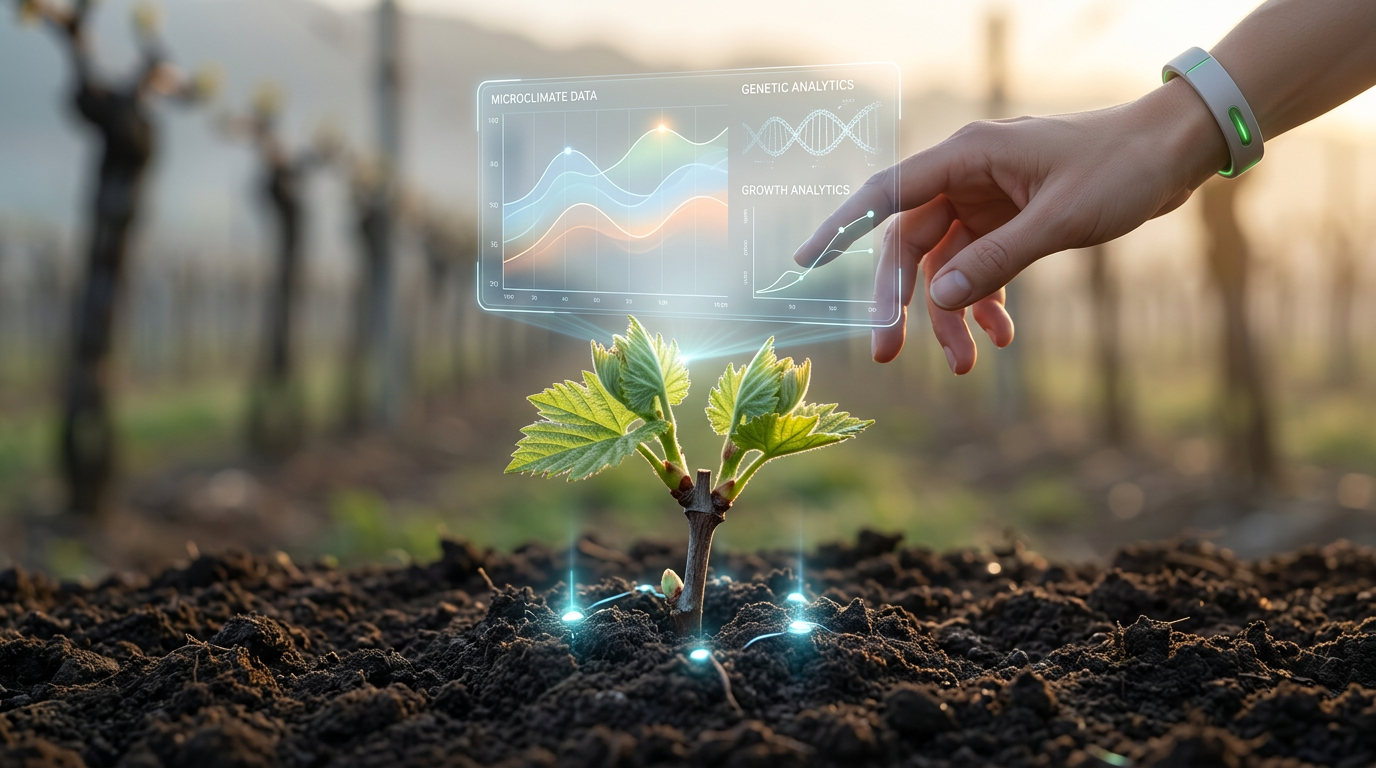
The concept of a vinous echo is not merely poetic; it's rooted in viticultural science. Old vines, with their extensive root systems and established physiological processes, respond to their environment in ways that younger vines cannot. Their resilience and ability to draw upon deeper water and nutrient reserves mean they carry forward the imprint of historical climate conditions.
This "echo" can manifest in various ways, from the vine's genetic memory of drought stress to its long-term adaptation to specific temperature extremes. As we evaluate wines in 2026, the unique characteristics of these old vine bottlings often stem from environmental events that occurred long before the current vintage was even contemplated.
The Deep Roots of Resilience
- Root System Development: Old vines develop incredibly deep and expansive root systems, allowing them to access water and nutrients from far below the surface. This grants them remarkable resilience against short-term climatic fluctuations, but also means they reflect long-term water availability trends. For further reading on foundational elements of the vine, see The Art of the Vinous Shadow: Decoding the Unseen Impact of Rootstock on 2026's Wine Identity.
- Energy Allocation: Unlike young vines focused on growth, old vines prioritize fruit quality and survival. Their energy allocation patterns are fine-tuned over decades, influencing berry size, skin thickness, and concentration.
- Genetic Memory and Adaptation: While not a conscious memory, vines adapt physiologically to persistent environmental stressors. A region prone to severe droughts in the early 2000s, for example, might see its centenarian vines adapt by producing smaller, more concentrated berries even in subsequent wetter years, leaving a lasting vinous echo.
Historic Climate Shifts and Their Legacies
Consider the impact of significant climatic events from the past. A sustained period of extreme heat or drought in, say, the 1980s or 1990s, could have permanently altered the soil microbial life, and even the genetic expression within a vineyard. These changes then influence every subsequent vintage produced by those vines, creating a unique historical signature.
Conversely, a series of exceptionally cool or wet seasons might have shaped the vine's canopy management strategies and its ability to ripen fruit under less-than-ideal conditions. These long-term adaptations contribute directly to the distinctive character and longevity we appreciate in old vine wines today, forming a profound vinous echo from a different era.
Identifying the Vinous Echo in 2026's Old Vine Wines
For wine enthusiasts and professionals in 2026, recognizing the vinous echo requires careful observation and a deep understanding of regional history. It's about looking beyond the immediate vintage report and delving into the vineyard's past. When tasting old vine wines, particularly those with significant bottle age, the complexity often hints at stories beyond the immediate growing season.
Sensory analysis plays a crucial role. A wine displaying unusual acidity for its region, unexpected mineral notes, or a particularly intense flavor profile might be an example of this echo. These characteristics are not simply random; they are often the culmination of decades of environmental interaction. Learning to discern these subtle cues elevates the tasting experience significantly. More on the evolution of wine can be found in The Art of the Vinous Palimpsest: Unraveling Layers of History in Aged Wines for 2026.
Sensory Markers of the Enduring Influence
- Flavor Concentration and Depth: Old vines often produce fewer, smaller berries with highly concentrated flavors. This isn't just about yields; it's about the vine's ability to focus its energy, a trait honed over decades, potentially influenced by past climatic stresses that compelled deeper nutrient extraction.
- Structural Integrity (Acidity & Tannins): The backbone of a long-lived wine, acidity and tannin profiles from old vines can exhibit remarkable consistency. This resilience against vintage variation is a hallmark of ancient root systems and their capacity to buffer against environmental swings, suggesting a multi-generational vinous echo.
- Mineral Notes and Terroir Expression: Old vines tap into deeper geological layers, translating complex soil compositions into palpable mineral notes in the wine. A distinct minerality could be an echo of past rainfall patterns or geological shifts that dictated nutrient availability decades ago.
- Longevity and Evolution: The profound aging potential of many old vine wines is arguably the ultimate manifestation of the vinous echo. Their structural integrity allows them to evolve gracefully, revealing nuances that were laid down by the vine's experiences over many harvest cycles.
The Role of Terroir in Amplifying the Echo
Terroir, the unique combination of soil, climate, and human factors, acts as an amplifier for the vinous echo. In regions with highly individual terroirs, the influence of historical climate shifts becomes even more pronounced. A specific soil type might retain moisture differently after a prolonged drought, impacting vine vigor for decades. Likewise, elevation and aspect can modify how a vine experienced past heatwaves, leading to distinct long-term adaptations. Details on mapping these complex interactions can be found in The Art of the Vinous Cartographer: Mapping Flavor Landscapes and Predictive Terroir in 2026.
Old Vines in 2026: A Living Legacy
The state of old vines in 2026 is a testament to sustainable viticulture and the wisdom of preserving these valuable genetic resources. In an era where climate change remains a significant concern, the inherent resilience of old vines offers valuable insights. Their ability to weather past extremes and continue producing exceptional fruit underscores their importance not just for premium wine production, but also for agricultural research and biodiversity.
Winemakers today are increasingly adopting practices that support these venerable plants, recognizing their irreplaceable contribution. From careful pruning techniques that respect the vine's age to minimal intervention in the cellar, the focus is on allowing the vine's history and character to shine through, unadulterated by modern manipulation. This deep respect fosters the continuation of the vinous echo for future generations.
Conservation Efforts and Future Resilience
- Preservation of Ancient Vineyards: Many regions are undertaking significant efforts to identify, register, and protect old vine parcels. These initiatives recognize the historical and genetic value of these vineyards, ensuring that their unique qualities and the vinous echo they carry are not lost. Further information on global old vine conservation efforts can be found at The Old Vine Registry.
- Sustainable Viticulture Practices: Modern viticulture around old vines often prioritizes organic and biodynamic methods. These practices enhance soil health, promoting microbial life and water retention, which are critical for the longevity and resilience of aging plants. Learn more about advanced vineyard practices in The Quantum Leap in Biodynamic Viticulture: Beyond Certification in 2026.
- Research into Old Vine Physiology: Ongoing scientific research is shedding new light on the unique physiological mechanisms of old vines. Understanding how they adapt to stress and allocate resources can inform future vineyard management strategies and build resilience against future climate challenges. Academic research on viticulture and climate change is often published by institutions like the International Organisation of Vine and Wine (OIV).
The Cultural Significance of the Vinous Echo
Beyond the technical aspects, the vinous echo enriches the cultural narrative of wine. Each bottle from an old vine vineyard is a liquid time capsule, offering a sensory link to past seasons, forgotten viticulturists, and landscapes shaped by time. It speaks of endurance, tradition, and the profound connection between humanity and the natural world.
For collectors and enthusiasts, the ability to discern and appreciate this echo adds immense depth to their understanding and enjoyment of wine. It transforms tasting from a mere sensory experience into an intellectual and historical journey. The stories embedded in every sip of an old vine wine, particularly those hinting at a vinous echo, are what make these bottles truly irreplaceable, inviting reflection on the past while savoring the present.
In 2026, as the pursuit of authentic and resonant wine experiences continues, the exploration of the vinous echo becomes an increasingly vital part of the global wine conversation. It invites us to consider the long view, to appreciate the patience of nature, and to deeply connect with the enduring spirit of the vine.
Written by
Juniper Thorne is an experienced writer and educator with a deep passion for the world of wine. Bringing expertise in sensory analysis and wine culture to the Greatest Wine platform, Juniper helps readers explore and appreciate every nuance of wine.
Related Articles

The Cellar Architects: Mastering Elite Wine Preservation and Evolution in 2026
For the true connoisseur, wine is more than just a beverage; it's a living entity, an investment, and a passion. Mastering its preservation and evolution is an art form, especially in 2026 with new technologies and insights. Learn how to protect and enhance your cherished collection.
Juniper Thorne