The Art of the Vinous Palimpsest: Unraveling Layers of History in Aged Wines for 2026
In the intricate world of oenology, few concepts capture the imagination quite like the vinous palimpsest. Just as ancient manuscripts were scraped clean and reused, leaving faint traces of previous texts, an aged wine can be seen as a living document, with layers of history, terroir, and winemaking decisions subtly imprinted beneath its current expression. This fascinating concept continues to intrigue wine enthusiasts and experts alike in 2026, offering a unique perspective on the evolution and depth found within a bottle.

The Art of the Vinous Palimpsest: Unraveling Layers of History in Aged Wines for 2026
In the intricate world of oenology, few concepts capture the imagination quite like the vinous palimpsest. Just as ancient manuscripts were scraped clean and reused, leaving faint traces of previous texts beneath new writings, an aged wine can be seen as a living document, with layers of history, terroir, and winemaking decisions subtly imprinted beneath its current expression. For the discerning wine enthusiast in 2026, understanding this fascinating phenomenon offers a profound gateway to appreciating the true depth and complexity of mature vintages.
This exploration of aged wines complements contemporary discussions around wine's transformation in the cellar, highlighting the enduring value of patience in winemaking and consumption.
Understanding the Concept of a Vinous Palimpsest
The term "palimpsest" originates from the Greek words "palin" (again) and "psao" (I scrape), referring to parchment or vellum that was reused after earlier writing had been erased. In the context of wine, it's a metaphor for how a wine evolves over time, where initial fruit-forward characteristics slowly recede, revealing more subtle, complex, and sometimes entirely different aromatic and flavor profiles that were always present but hidden.
This evolving character isn't a simple transformation but a complex interaction of chemical reactions. Over decades, acids mellow, tannins polymerize, and new compounds form, each contributing to a new layer of sensory experience. The original fruit, oak, and primary winemaking notes don't vanish entirely; rather, they become intertwined and transmuted into something richer and more nuanced. This intricate process speaks to the inherent elegance of wine's metamorphosis.
The Science Behind Wine Evolution
- Oxidation and Reduction: A delicate balance over decades, influencing color, aroma, and mouthfeel.
- Esterification: The creation of new aromatic compounds, often contributing to tertiary notes like mushroom, leather, or forest floor.
- Polymerization of Tannins: Softening astringency and contributing to a smoother texture and potential sediment formation.
- Sugar Caramelization (in certain wines): Developing notes of toffee, nut, and dried fruit, particularly in fortified wines.
Each of these processes contributes to the unveiling of the vinous palimpsest, revealing secondary and tertiary characteristics that tell the story of the wine's journey through time. It's a journey from initial vitality to profound wisdom, reflecting the geological and historical forces that shaped its origin. The fundamental processes governing these changes are often explored in analyses of micro-climates and vintage impacts.
Reading the Layers: Deciphering the Vinous Palimpsest in Aged Wines
Deciphering a vinous palimpsest requires a practiced palate and a deep understanding of how wines age. It's about moving beyond immediate sensory perceptions and looking for the echoes of what was, intertwined with what is. This involves a keen sense of observation, not just for flavors and aromas, but also for texture, balance, and the wine's overall structural integrity.
When sampling an aged wine, pay attention to the interplay between primary fruit characteristics (if any remain), secondary notes from fermentation and oak, and the complex tertiary aromas that only develop with significant bottle age. Are there faint whispers of the fresh berries that once dominated? Have they transformed into dried fruit or savory notes? This layering is the essence of the palimpsest. Sommeliers, renowned for their expertise, often employ a secret language of non-verbal cues to convey these complex detections.
Sensory Analysis Techniques for Aged Vintages
- Visual Inspection: Observe the color evolution. Reds often brick and lighten at the rim; whites deepen to gold or amber. This visual cue can hint at the wine's age and oxidative state.
- Aromatic Exploration: Swirl gently and identify primary (fruit), secondary (yeast, oak), and tertiary (earth, leather, mushroom, dried fruit, spice) aromas. The balance and integration of these are key.
- Palate Decoding: Assess acidity, tannins, alcohol, and body. How have they integrated? Is there still freshness, or has it yielded to a savory complexity? Look for a long, evolving finish.
A wine that truly exemplifies the vinous palimpsest will show a seamless integration of these elements. No single characteristic screams for attention; rather, they harmoniously weave together to create a multi-dimensional experience. This is the art of tasting aged wines—not just sipping, but truly listening to the stories held within the glass.
Terroir and Time: The Foundations of a Vinous Palimpsest
The concept of terroir – the unique characteristics of a place – plays an indispensable role in forming a vinous palimpsest. The soil composition, climate, aspect, and even traditional winemaking practices of a specific region provide the foundational 'text' upon which aging processes write new layers. A wine's ability to age gracefully, hence forming a complex palimpsest, is largely dictated by the quality and uniqueness of its initial raw materials. Great terroir provides the structure and complexity needed to withstand the test of time.
As years turn into decades, the overtly expressed elements of terroir might soften, but their essence continues to influence the wine's character. The minerality from a specific vineyard site, the distinctive acidity from a cooler climate, or the robust tannins from a particular grape clone – these elements continue to resonate, albeit in a more subdued and integrated form. They become the bedrock upon which the tertiary aromas and flavors develop, ensuring the wine retains a sense of place even after decades in the bottle. Learn more about the profound influence of soil microbiome on terroir and wine complexity.
Regions Renowned for Palimpsestic Wines
- Bordeaux, France: Known for long-lived Cabernet Sauvignon and Merlot blends that develop complex notes of cigar box, cedar, and truffles.
- Burgundy, France: Pinot Noir and Chardonnay from Grand Cru vineyards can evolve for decades, revealing earthy, forest floor characters in reds and nutty, honeyed nuances in whites.
- Piedmont, Italy: Barolo and Barbaresco (Nebbiolo) offer profound evolution, showcasing notes of tar, roses, licorice, and dried cherries.
- Port, Portugal: Vintage Ports are quintessential examples, transforming from fruit bombs to intricate expressions of dried fruit, nuts, and exotic spices.
- German Riesling: Often overlooked for its aging potential, fine Rieslings from the Mosel and Rheingau develop incredible petrol, slate, and honeyed characteristics over time.
These regions consistently produce wines with the genetic makeup and structural integrity required to develop into stunning examples of a vinous palimpsest. Their inherent balance, acidity, and tannic structure (for reds) provide the necessary framework for long-term evolution. For further insight into the impact of historical factors, consider studies on the enduring influence of historic climate shifts on old vine wines.
Collecting and Curating Your Own Vinous Palimpsest Cellar in 2026
For wine enthusiasts in 2026, building a cellar filled with wines capable of forming a compelling vinous palimpsest is a deeply rewarding endeavor. It requires foresight, patience, and a thoughtful selection process. The goal isn't just to store wine, but to nurture its potential, allowing it to reveal its hidden depths over many years.
Start by focusing on producers and vintages known for their aging potential. Research is paramount: consult vintage charts, expert reviews, and reputable sources like the Wine Spectator for recommendations on wines structured for longevity. Proper storage conditions are non-negotiable – consistent temperature, humidity, darkness, and a vibration-free environment are critical to allowing the wine to evolve gracefully rather than prematurely deteriorate.
Tips for Building a Palimpsest-Worthy Cellar
- Select Wisely: Prioritize wines with high acidity, good tannic structure (for reds), and concentrated fruit.
- Invest in Proper Storage: A dedicated wine cellar or professional wine storage facility is ideal to ensure stable conditions, as emphasized in resources like Decanter's wine storage advice.
- Patience is Key: Resist the urge to open wines too early. A great vinous palimpsest takes time to unfurl its layers.
- Keep Detailed Records: Note purchase dates, tasting expectations, and ideal drinking windows to track your wines' evolution.
- Attend Vertical Tastings: Participate in events that allow you to taste different vintages of the same wine, offering invaluable insight into its aging trajectory.
Understanding and experiencing the vinous palimpsest is a journey of discovery for any serious wine lover. It moves beyond simple enjoyment to a deeper appreciation of wine as a living, evolving entity, connecting us to history, geography, and the meticulous craft of winemaking. In 2026, as the world of wine continues to innovate, the timeless beauty of aged wines and their layered stories remains a pinnacle of oenological delight. This also ties into the intriguing concept of deconstructing your individual genetic blueprint for wine appreciation, acknowledging the personal connection to these evolving tastes.
Written by
Juniper Thorne is an experienced writer and educator with a deep passion for the world of wine. Bringing expertise in sensory analysis and wine culture to the Greatest Wine platform, Juniper helps readers explore and appreciate every nuance of wine.
Related Articles
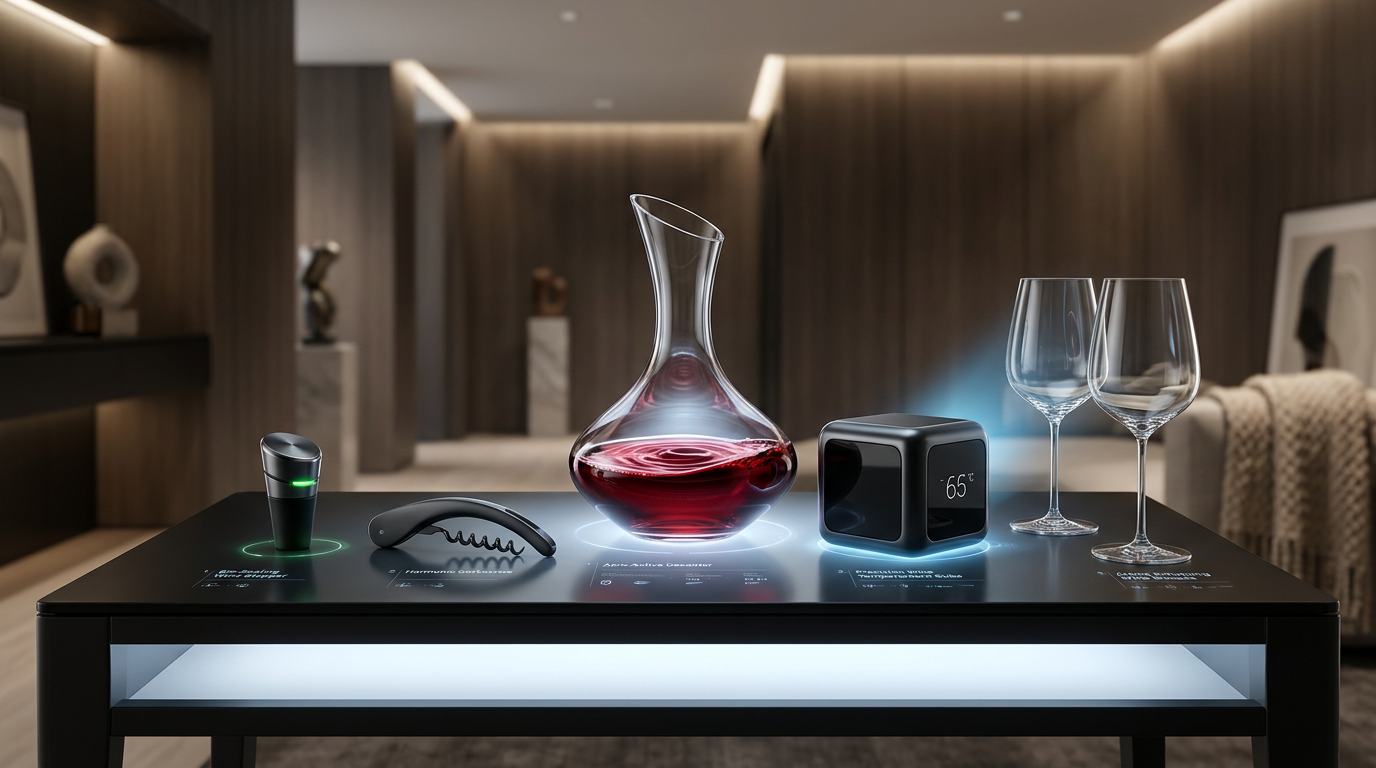
The Vinous Arsenal: Essential Tools for Elevating Your Wine Experience in 2026
As we navigate May 2026, the world of wine continues to evolve, offering enthusiasts unprecedented tools. Discover the essential wine accessories for 2026 that will elevate your enjoyment, from innovative aerators to smart preservation systems. Upgrade your vinous arsenal today with Greatest Wine.
Juniper Thorne