The Art of the Sommelier's Secret Language: Decoding Non-Verbal Cues in Wine Service in 2026
In 2026, the art of the sommelier goes beyond wine knowledge. A significant part of their expertise lies in decoding and utilizing non-verbal cues to enhance guest interaction and service. This intricate dance of gestures, expressions, and posture, often termed the 'sommelier's secret language,' plays a pivotal role in creating a refined and exceptional dining experience. Understanding these subtle signals allows for a more personalized and intuitive approach to wine service, ensuring guest satisfaction and enhancing the overall ambiance of fine dining establishments.

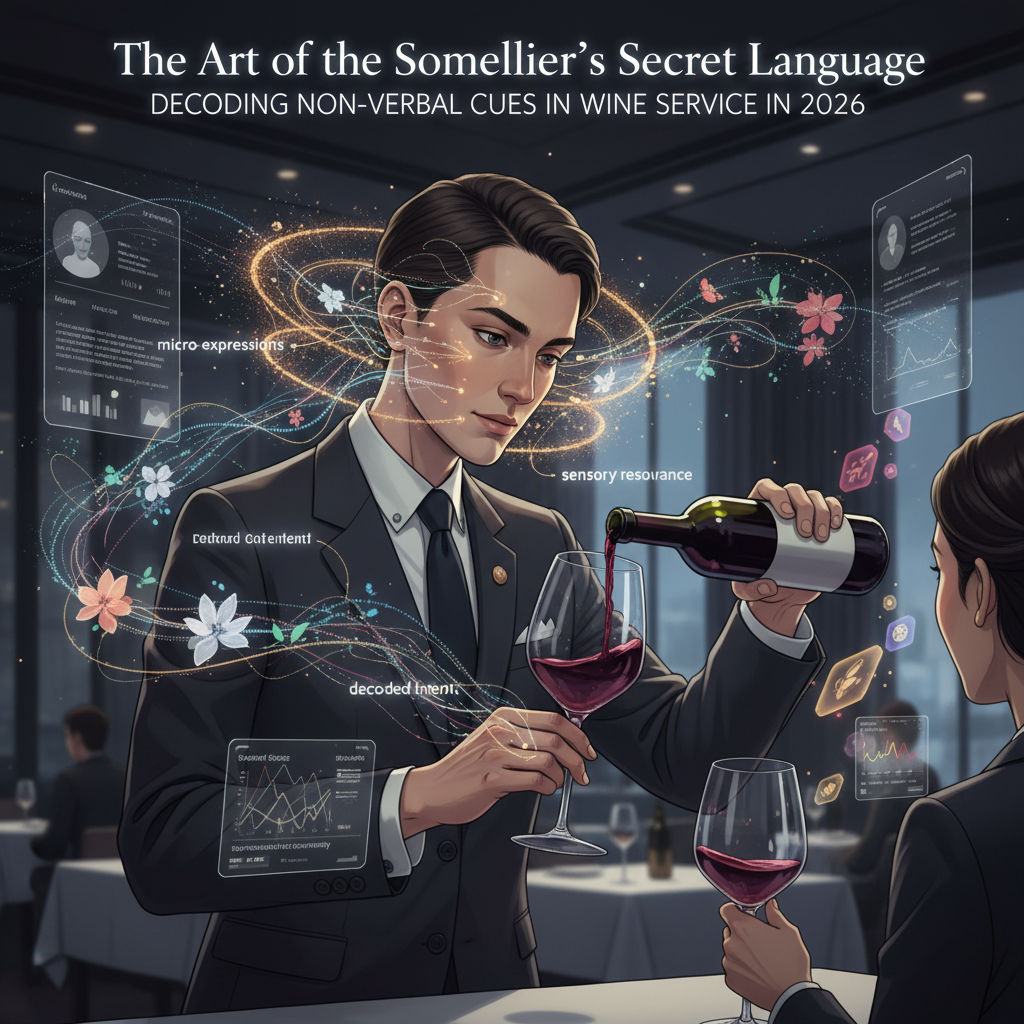
Sommelier Non-Verbal Communication: Decoding Cues
In the refined world of fine dining, a sommelier's expertise extends beyond mere knowledge of vintages. While articulate descriptions are crucial, a significant portion of their interaction with guests hinges on subtle, unspoken signals. This intricate dance of gestures, expressions, and posture is known as sommelier non-verbal communication. It is a powerful tool that enhances the guest experience and elevates service to an art form. In 2026, understanding and mastering these non-verbal cues is more important than ever for sommeliers looking to truly connect with their clientele and anticipate their needs before a single word is exchanged.
The Silent Art of Sommelier Non-Verbal Communication
Non-verbal communication forms the bedrock of human interaction, especially in service industries where rapport and trust are paramount. For a sommelier, this silent dialogue begins the moment they approach the table. Each glance, every movement, even the way they hold a bottle, contributes to the overall impression and dictates the flow of service.
Effective sommelier non-verbal communication can instantly put guests at ease, convey confidence, and signal attentiveness. It allows the sommelier to gauge the mood of the table, understand preferences, and even identify potential issues without invasive questioning. Therefore, this silent language is a critical component of truly personalized service in the discerning landscape of 2026. For further insights into the evolving role of wine professionals, explore The Art of the Sommelier's Oracle: Decoding the Future of Wine Trends and Consumer Palates in 2026.
Reading the Room: Initial Assessments for Sommeliers
- Eye Contact: Appropriate, but not intrusive, eye contact signals engagement and respect. A sommelier's eyes can convey warmth and understanding.
- Posture and Bearing: An upright, confident, yet approachable posture communicates professionalism and eagerness to assist. Conversely, slouching or appearing distracted can undermine authority.
- Facial Expressions: A subtle, genuine smile can be incredibly welcoming. The ability to mirror a guest's expressions (within professional bounds) can build immediate rapport.
- Proximity: Understanding personal space is key. Approaching too closely can be off-putting, while standing too far away can seem disengaged.
Enhancing Guest Experience Through Sommelier Body Language
The sommelier's body language directly impacts how comfortable and valued a guest feels. It’s an ongoing conversation that unfolds throughout the wine service ritual, from presentation to pouring. Mastery of these physical cues ensures a seamless and memorable experience. This is where effective sommelier non-verbal communication truly shines.
Consider the delicate balance required. A sommelier must be present and observant without being overbearing. Their movements should be purposeful and graceful, adding to the sophistication of the dining ambiance. This nuanced approach to sommelier non-verbal communication is what separates good service from truly exceptional service. Achieving this level of precision often involves mastering other subtle aspects of wine service, such as The Art of the Silent Sensoryist: Mastering the Nuances of Wine Temperature in 2026.
Gestures and Movement in Wine Service
- Hand Gestures: When presenting a bottle, clear, open hand gestures invite examination. However, excessive or fidgety hand movements can be distracting.
- Serving Techniques: The way a sommelier handles the bottle, corkscrew, and glasses speaks volumes. Smooth, deliberate movements demonstrate skill and respect for the wine and the guest.
- Decanting Ritual: The art of decanting is a visual spectacle. Precise, unhurried movements communicate reverence for the wine and build anticipation.
- Head Nods and Tilts: Small nods can indicate active listening and understanding without interrupting the guest. A slight head tilt can signal empathy or deeper consideration of a request.
Anticipating Needs with Sommelier Non-Verbal Communication
Perhaps one of the most remarkable aspects of skilled sommelier non-verbal communication is the ability to anticipate a guest's needs often before they are verbally expressed. This foresight is built on keen observation and an understanding of human behavior, honed through years of experience.
In 2026, in a world striving for hyper-personalized service, this anticipatory element is invaluable. It saves the guest from having to call attention to themselves and contributes to a feeling of being genuinely cared for. A sommelier who can refresh a glass or offer a different wine suggestion without being prompted exemplifies the pinnacle of service. This keen observation extends beyond the guest to the wine itself, often requiring deep understanding of subtle environmental factors, such as those discussed in The Art of the Sommelier's Sixth Sense: Anticipating the Unseen Impact of Micro-Climates on 2026 Vintages.
Observational Skills for Sommelier Anticipation
- Guest Posture: Leaning back could indicate relaxation, while leaning forward might suggest engagement or an imminent question.
- Eye Gaze: A guest's eyes drifting towards an empty glass or the wine list can signal a need for attention.
- Subtle Movements: A slight shift in a glass, a nervous fidget, or a glance at a companion can all be cues needing interpretation.
- Table Dynamics: Observing interactions between guests can give clues about who is leading the decision-making or whose preferences should be prioritized.
Challenges and Mastery of Non-Verbal Cues in 2026
While the principles of sommelier non-verbal communication remain timeless, the modern dining environment presents unique challenges. The increasing global diversity of guests means sommeliers must be aware of cultural differences in body language, where a gesture that is welcoming in one culture might be considered rude in another.
Technology also plays a role. With guests often consulting phones or tablets, maintaining a connection through non-verbal means requires even greater skill and subtlety. Mastery in 2026 means being adaptable and perpetually learning. For an insightful perspective on how cultural nuances affect communication, an article from Harvard Business Review on non-verbal communication across cultures can offer a broader understanding.
Training and Development for Non-Verbal Mastery
- Cultural Competency: Training should include awareness of diverse cultural non-verbal cues to avoid misunderstandings. For example, some cultures may interpret direct eye contact differently.
- Self-Awareness: Sommeliers benefit from understanding their own non-verbal habits and how they might be perceived.
- Active Observation Exercises: Practicing observation skills in various settings can sharpen a sommelier's ability to 'read' guests effectively. Resources like those from the Cornell University on the power of non-verbal cues highlight the importance of recognizing subtle signals.
- Feedback Loops: Regular feedback from colleagues and mentors can help refine non-verbal communication techniques.
The Future of Sommelier Non-Verbal Communication
As the wine industry evolves, so too will the nuances of sommelier service. In 2026, the emphasis on creating bespoke, memorable experiences is paramount. Non-verbal communication will continue to be a cornerstone of this personal touch, possibly even more so in an increasingly digital world where human connection is highly prized.
Expect to see more specialized training dedicated to this subtle art, recognizing its profound impact on brand reputation and guest loyalty. The ability to communicate effectively without words will always be a hallmark of a truly distinguished sommelier, making every interaction feel unique and genuinely attentive. This mastery of sommelier non-verbal communication elevates a simple wine service into an unforgettable performance. Even how a wine presents itself visually, often enhanced by expert The Art of the 'Vinous Chameleon': Decoding How Wine Adapts its Personality Across Different Glassware in 2026, contributes to the overall guest perception.
In conclusion, the silent language of the sommelier is a powerful, yet often undervalued, aspect of wine service. From the initial greeting to the final pour, every movement, expression, and gesture contributes to the guest's perception of quality and care. For sommeliers aiming for excellence in 2026 and beyond, understanding and perfecting sommelier non-verbal communication is not just a skill—it's an essential art that defines their craft. A deeper dive into the broader aspects of professional service can be found via the Guild of Master Sommeliers, offering comprehensive resources for aspiring and seasoned professionals alike.
Written by
Juniper Thorne is an experienced writer and educator with a deep passion for the world of wine. Bringing expertise in sensory analysis and wine culture to the Greatest Wine platform, Juniper helps readers explore and appreciate every nuance of wine.
Related Articles
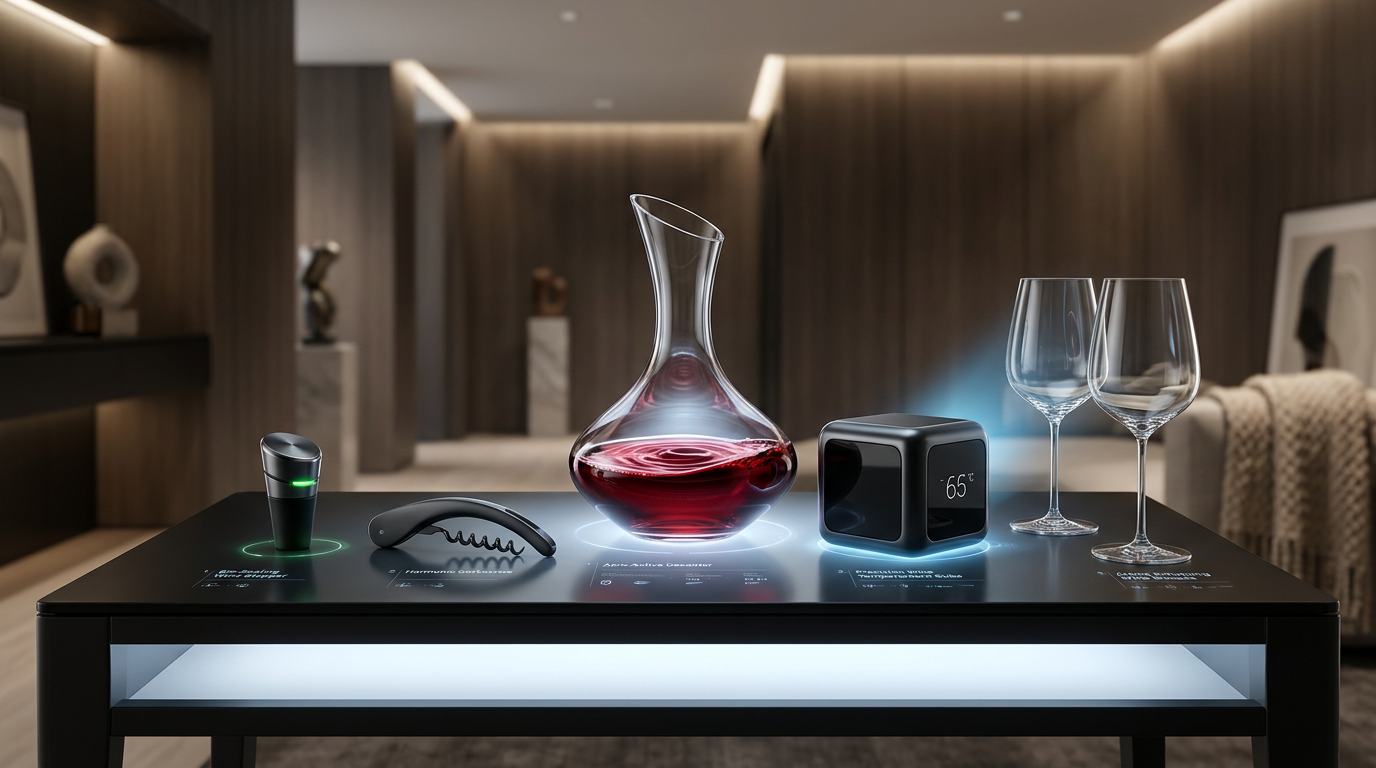
The Vinous Arsenal: Essential Tools for Elevating Your Wine Experience in 2026
As we navigate May 2026, the world of wine continues to evolve, offering enthusiasts unprecedented tools. Discover the essential wine accessories for 2026 that will elevate your enjoyment, from innovative aerators to smart preservation systems. Upgrade your vinous arsenal today with Greatest Wine.
Juniper Thorne