The Quantum Leap in Biodynamic Viticulture: Beyond Certification in 2026
Biodynamic viticulture in 2026 marks a pivotal moment, evolving beyond standard certification to a sophisticated, holistic methodology. This approach, deeply rooted in ecological and ethical principles, continues to gain significant traction within the global wine community. Discover how biodynamic practices are shaping the future of sustainable winemaking.

Biodynamic Viticulture 2026: The Quantum Leap Beyond Certification
As we navigate the ever-evolving landscape of sustainable winemaking, biodynamic viticulture 2026 stands at a pivotal juncture. This holistic approach, deeply rooted in ecological and ethical principles, continues to gain significant traction within the global wine community. Far from being a mere trend, biodynamic viticulture is now recognized as a sophisticated methodology. It goes beyond conventional organic practices, fostering vibrant vineyard ecosystems and producing wines of exceptional purity and expressive terroir. This year, the focus is shifting from simply achieving certification to truly embodying the philosophy and showcasing its profound impact on wine quality. The future of winemaking is increasingly shaped by biodynamic viticulture 2026.
Understanding the Essence of Biodynamic Viticulture in 2026
Biodynamic viticulture, initially conceived by Austrian philosopher Rudolf Steiner in the 1920s, views the vineyard as a living, self-sustaining organism. It embraces a holistic perspective, integrating cosmic rhythms, lunar cycles, and specific biodynamic preparations to enhance soil fertility, plant health, and overall biodiversity. In 2026, winemakers are not just adhering to a set of rules; consequently, they are actively engaging with the intricate web of life within their vineyards, promoting a deeper connection between grape, soil, and environment. The principles of biodynamic viticulture 2026 are more relevant than ever.
Beyond Organic: The Biodynamic Difference
While organic viticulture prohibits synthetic pesticides, herbicides, and fertilizers, biodynamic viticulture goes further. Indeed, it actively promotes natural regeneration and vitality. Practices like composting, cover cropping, and the use of specific plant and mineral-based preparations are key. These preparations, applied in minute quantities, are believed to stimulate biological activity and harmonize the vineyard's energetic forces. This distinction is crucial for understanding biodynamic viticulture 2026.
The Cosmic Connection: Lunar and Planetary Influences
A distinctive aspect of biodynamic viticulture is its consideration of celestial rhythms. For instance, winemakers often plan vineyard activities – pruning, planting, harvesting – according to lunar and planetary calendars. This belief suggests that different celestial alignments influence plant growth and sap flow, and aligning vineyard work with these cycles can enhance vine health and grape quality. While often debated, many biodynamic practitioners attest to the tangible benefits observed in their vineyards. For more on cosmic influences, explore The Art of the 'Vinous Nebula': Deconstructing the Cosmic Influences on Terroir in 2026. This cosmic connection is a hallmark of biodynamic viticulture 2026.
The Growing Global Footprint of Biodynamic Viticulture in 2026
The number of biodynamic vineyards worldwide continues to expand exponentially. From the hallowed vineyards of Burgundy and Bordeaux to new world regions like California, Australia, and South America, winemakers are increasingly adopting this philosophy. This widespread acceptance is a testament to the perceived benefits, not just for environmental sustainability but also for the distinctiveness and character of the wines produced. Moreover, consumer demand for authentic, terroir-driven wines is certainly fueling this exciting growth in biodynamic viticulture 2026.
Key Regions Embracing Biodynamics
- France: A historical stronghold, with many iconic estates in Alsace, Burgundy, and the Loire Valley leading the charge in biodynamic viticulture 2026.
- Italy: Sardinia, Tuscany, and Piedmont are seeing a significant rise in biodynamic practices.
- Germany & Austria: Leading the way in sustainable and biodynamic viticulture in Central Europe.
- United States: California and Oregon have robust biodynamic communities, with pioneering wineries inspiring others.
- Australia & New Zealand: Growing numbers of vineyards are adopting biodynamic principles, particularly in regions known for cool-climate wines.
Consumer Confidence and Market Trends
Consumers in 2026 are more educated and discerning than ever before. Therefore, they are actively seeking out products that align with their values, including environmental stewardship and ethical production. Wines certified biodynamic carry significant appeal, signaling transparency and a commitment to quality that resonates with a growing segment of the market. This push from the demand side is a powerful driver for the expansion of biodynamic viticulture, making biodynamic viticulture 2026 a significant market force.
Challenges and Innovations in Biodynamic Viticulture 2026
While the benefits are clear, biodynamic viticulture is not without its challenges. The intensive labor requirements, the need for specialized knowledge, and the perceived "mysticism" by some can be barriers to entry. However, in 2026, we are seeing significant innovations that are addressing these concerns, making biodynamic practices more accessible and efficient. These advancements are crucial for the continued growth of biodynamic viticulture 2026.
Technology and Data Integration
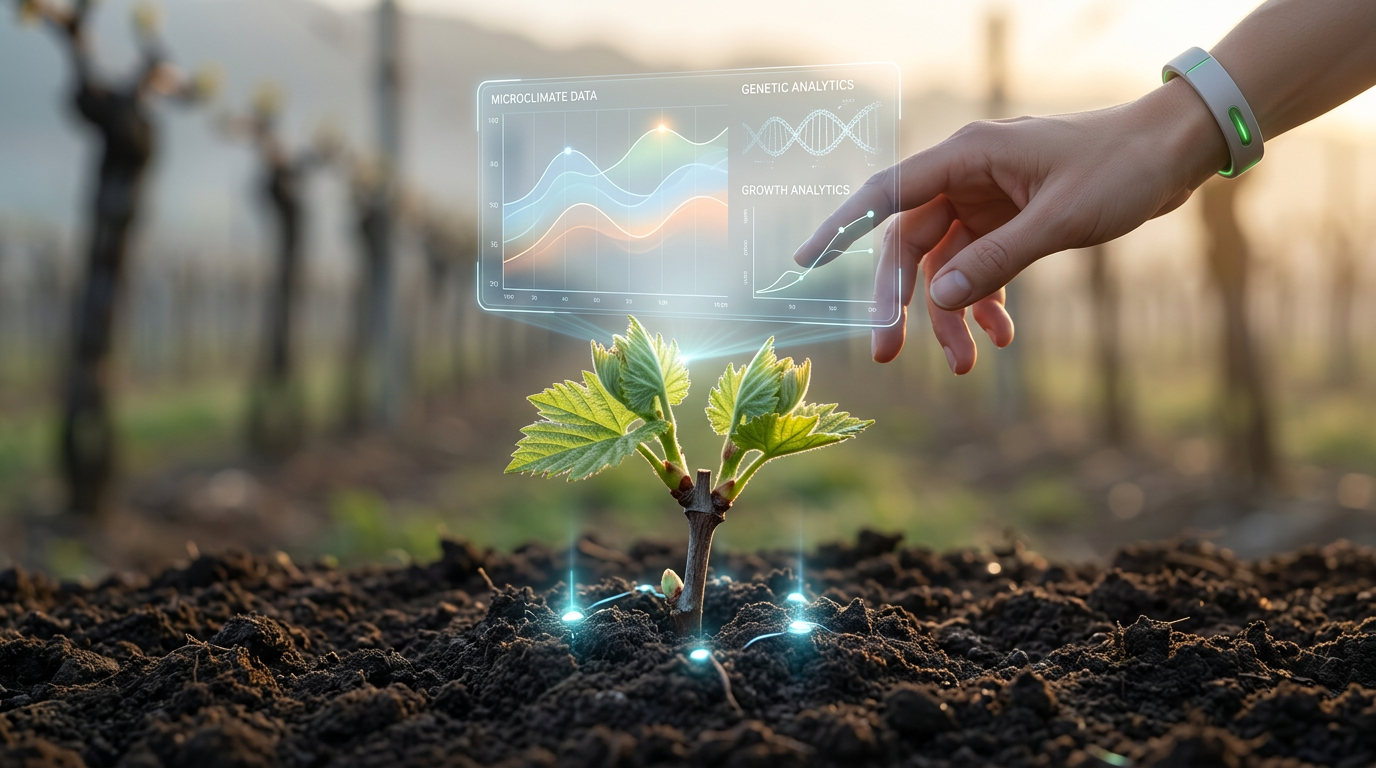
Advanced sensor technology, drone imaging, and sophisticated data analytics are now being used in biodynamic vineyards. This allows for monitoring soil health, plant vigor, and microclimates with unprecedented precision. As a result, winemakers can apply biodynamic preparations and interventions more strategically, optimizing their impact and reducing labor where possible. Digital tools are also aiding in tracking celestial calendars and coordinating vineyard activities for biodynamic viticulture 2026.
Research and Scientific Validation
Ongoing scientific research is helping to demystify certain aspects of biodynamic viticulture. Studies are increasingly demonstrating the positive effects of biodynamic practices on soil microbial diversity, vine resilience, and grape chemical composition. While some elements remain challenging to quantify with conventional scientific methods, the empirical results in vineyard health and wine quality are undeniable, providing a strong argument for its efficacy. This validation strengthens the case for biodynamic viticulture 2026.
Education and Training Initiatives
More structured educational programs and workshops are emerging globally. This makes it easier for aspiring and established winemakers to learn the principles and practical applications of biodynamic viticulture. These programs are essential for passing on traditional knowledge while also integrating modern scientific understanding, fostering the next generation of biodynamic viticulture 2026 practitioners.
The Impact of Biodynamic Viticulture on Wine Quality in 2026
Ultimately, the goal of any viticultural practice is to produce exceptional wine. Proponents of biodynamic viticulture argue that it consistently yields wines with greater depth, complexity, expression of terroir, and a unique vibrancy. This is a core focus for Greatest Wine’s exploration of wine craftsmanship and experience, particularly concerning biodynamic viticulture 2026.
Enhanced Terroir Expression
By fostering a healthy, diverse soil ecosystem and robust vines, biodynamic practices are believed to allow the true character of the vineyard’s terroir to shine through in the wine. Significantly, the interaction between soil, climate, and vine is amplified, resulting in wines that are more authentic reflections of their origin. It’s about letting the place speak through the grape, something deeply valued in serious wine circles. For a deeper dive into how hyper-local weather impacts flavor, refer to The Art of the 'Vinous Micro-Climate': Decoding Hyper-Local Weather's Impact on 2026's Exceptional Vintages. This enhanced expression is a key benefit of biodynamic viticulture 2026.
Improved Vine Health and Resilience
Biodynamic vineyards often exhibit superior vine health and a greater resistance to diseases and pests. This natural resilience reduces the need for external interventions, leading to cleaner, purer grape material. Stronger vines, less stressed by chemical inputs, can produce grapes with more balanced ripeness and phenolic maturity. This resilience is a significant advantage of biodynamic viticulture 2026.
Sensory Characteristics and Longevity
Many tasters report that biodynamic wines possess a unique energy, freshness, and often a remarkable longevity. They are frequently described as more "alive," with clearer fruit profiles, finer textures, and a greater sense of harmony. The precise scientific reasons for these sensory differences are still being explored, but the anecdotal evidence among wine professionals is compelling. This is a key area for our detailed wine tasting notes and sensory analysis techniques, highlighting the unique qualities of biodynamic viticulture 2026 wines.
Looking Ahead: The Future of Biodynamic Viticulture 2026 and Beyond
The trajectory for biodynamic viticulture 2026 is one of continued growth, innovation, and deeper understanding. As climate change pressures intensify, the resilience and sustainability offered by biodynamic farming will become even more critical. The increasing integration of scientific research and technological advancements will further validate and refine these practices, making them more accessible and effective for a wider range of producers. The future looks bright for biodynamic viticulture 2026.
Integration with Other Sustainable Practices
We anticipate seeing even greater integration of biodynamic principles with other cutting-edge sustainable practices. This will form a comprehensive approach to vineyard management that addresses both ecological balance and economic viability. This holistic view aligns perfectly with the comprehensive approach of Greatest Wine, further advancing biodynamic viticulture 2026.
Educational Outreach and Community Building
The biodynamic community will likely strengthen further through increased educational outreach, cooperative initiatives, and knowledge sharing. This collaborative spirit is essential for widespread adoption and the continuous evolution of biodynamic methods. Events like international wine festivals and vineyard gatherings will increasingly showcase biodynamic producers and practices. Leading organizations like the Biodynamic Association offer resources and community support for biodynamic viticulture 2026.
A Benchmark for Quality and Sustainability
In the long term, biodynamic viticulture is poised to become an even stronger benchmark for premium wine quality and environmental responsibility. It represents a commitment to excellence that extends from the earth to the glass, offering wines that are not only delicious but also tell a profound story of their origin and the care taken in their creation. As Greatest Wine delves into the true depths of wine—its stories, techniques, rituals, and pleasures—biodynamic viticulture will undoubtedly remain a cornerstone of this exploration. For further reading on viticulture trends, check out this Wine Folly article on viticulture trends. The impact of biodynamic viticulture 2026 will be felt for years to come.
Written by
Juniper Thorne is an experienced writer and educator with a deep passion for the world of wine. Bringing expertise in sensory analysis and wine culture to the Greatest Wine platform, Juniper helps readers explore and appreciate every nuance of wine.
Related Articles

The Cellar Architects: Mastering Elite Wine Preservation and Evolution in 2026
For the true connoisseur, wine is more than just a beverage; it's a living entity, an investment, and a passion. Mastering its preservation and evolution is an art form, especially in 2026 with new technologies and insights. Learn how to protect and enhance your cherished collection.
Juniper Thorne