The Art of the 'Vinous Heartbeat': Biometric Monitoring and Real-Time Insights for Optimal Vineyard Health in 2026
In 2026, the 'vinous heartbeat' concept, representing the dynamic life of a vine, is being redefined by technology. Learn how biometric monitoring and real-time data are becoming essential tools for vintners to understand and manage vineyard health from root to grape, ensuring optimal conditions and superior yields in modern viticulture.

The Art of the 'Vinous Heartbeat': Biometric Monitoring and Real-Time Insights for Optimal Vineyard Health in 2026
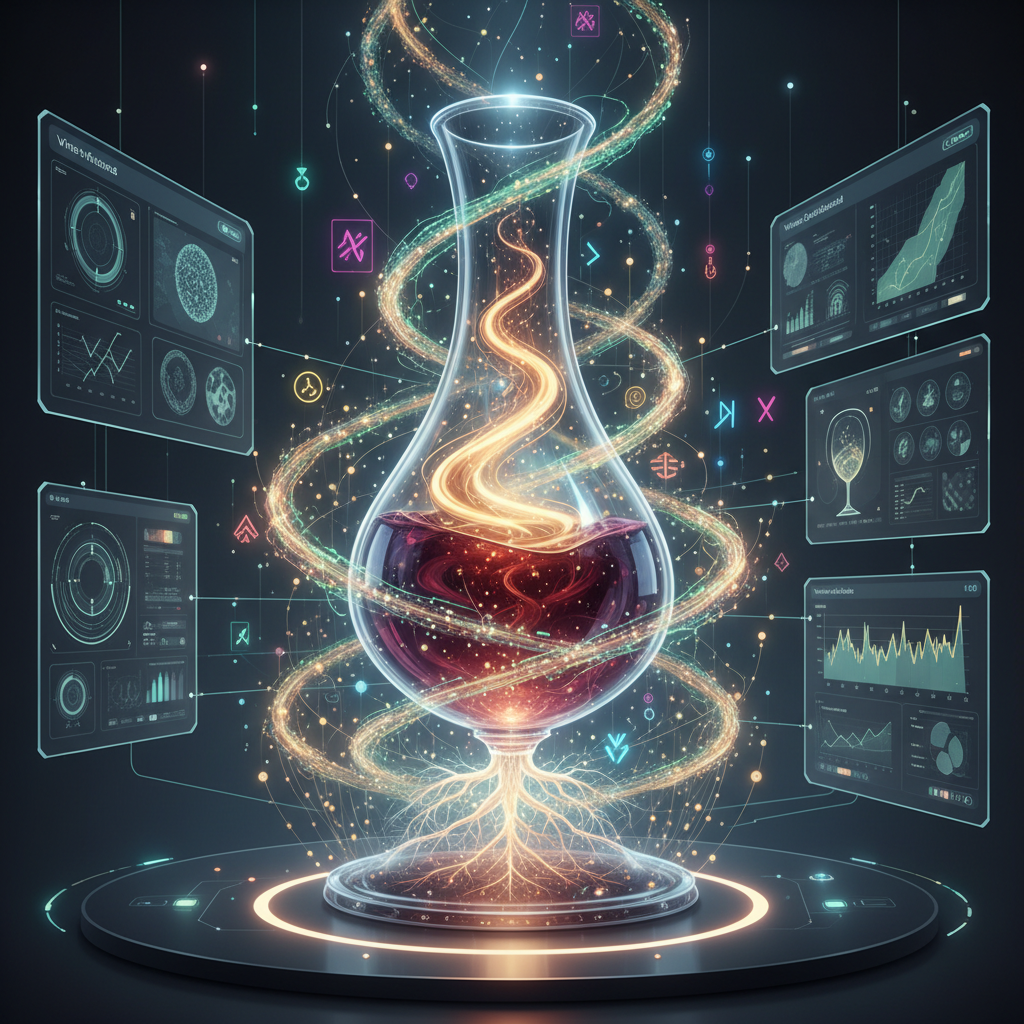
In 2026, understanding the intricate lifeblood of a vineyard has become paramount. The concept of a vinous heartbeat encapsulates the dynamic, living system that is a vine, from its root structure to its ripening grapes. Technological advancements are revolutionizing how vintners monitor and manage their precious crops, moving beyond traditional methods to embrace sophisticated biometric monitoring and real-time data analysis. This shift allows for unprecedented precision in vineyard management, ultimately leading to healthier vines, more resilient ecosystems, and superior wine quality. Our exploration delves into unraveling this vital rhythm, echoing themes found in The Art of the Vinous Pulse: Decoding the Rhythms of Vineyard Health and Terroir in 2026.
Decoding the Vinous Heartbeat: What it Means for Viticulture
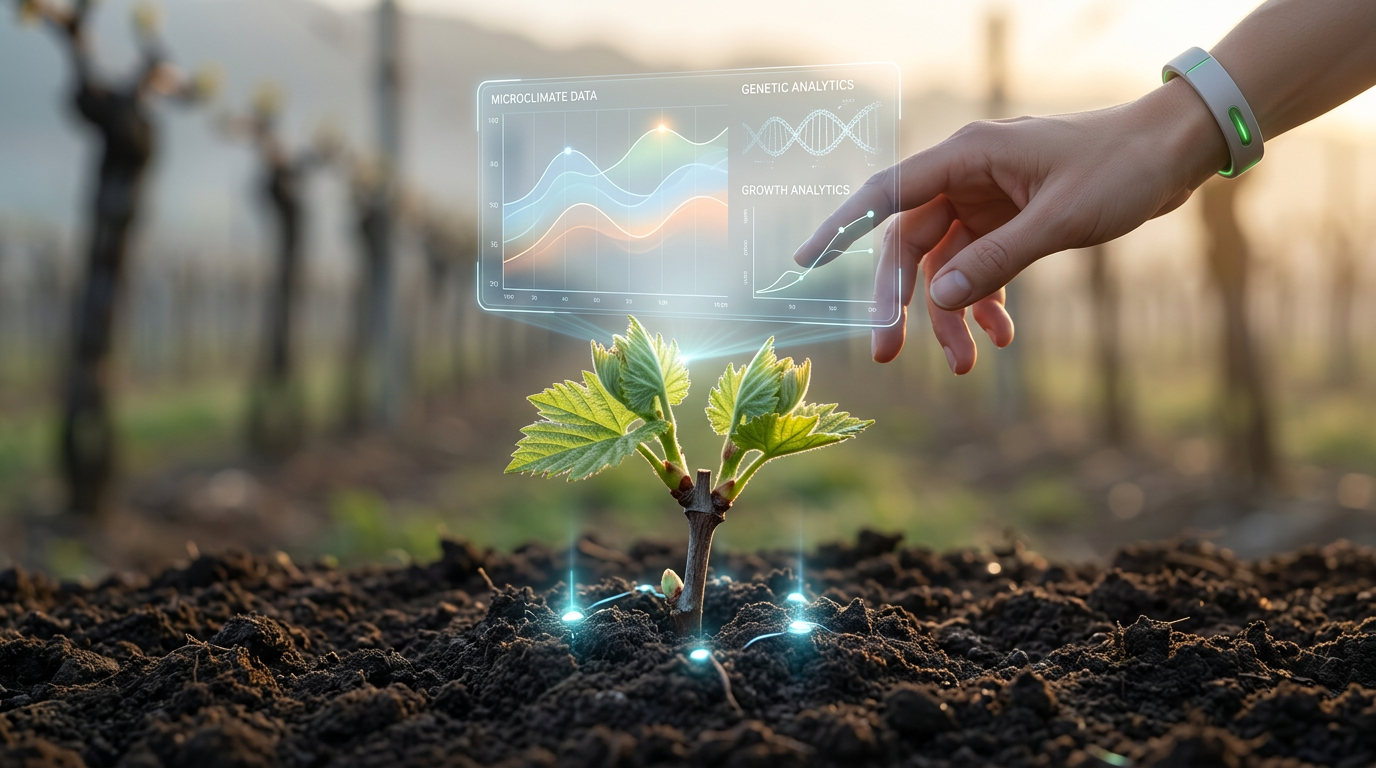
The term "vinous heartbeat" isn't merely poetic; it refers to the quantifiable physiological activities within a vine. This includes sap flow, leaf turgor, canopy temperatures, and even subtle electrical signals indicating plant stress or optimal health. For centuries, winemakers relied on intuition, experience, and basic visual cues. While invaluable, these methods are now complemented by data-driven decision-making, significantly enhancing efficiency and sustainability.
The Shift from Anecdotal to Analytical
Historically, a vintner's touch was the primary gauge of vineyard well-being. Today, an array of sensors and analytical tools augments that personal connection. These technologies provide objective, continuous measurements, offering profound insight into the vine's internal state. Understanding the vinous heartbeat allows for proactive intervention rather than reactive problem-solving, much like decoding hidden messages in wine aromas provides deeper understanding.
Impact on Grape Quality and Yield
By precisely monitoring the vine's health, growers can optimize irrigation, nutrient delivery, and disease prevention strategies. This targeted approach minimizes resource waste and maximizes high-quality grape production. A balanced, healthy vine, whose vinous heartbeat is strong and steady, translates directly into superior fruit characteristics, essential for crafting exceptional wines. This also ties into recent developments in the art of the soil microbiome in 2026.
Advanced Biometric Monitoring Techniques in 2026
The year 2026 sees a proliferation of sophisticated tools designed to capture nuanced data points contributing to the vinous heartbeat. These include sap flow sensors, dendrometers, thermal imaging, and even hyperspectral cameras mounted on drones. Each technology offers a unique window into the vine's physiological processes.
Sap Flow Sensors: Measuring the Vine's Circulation
These devices measure the upward movement of water through the vine's vascular system, providing direct insights into a vine's hydration status and water use efficiency. This data is critical for precise irrigation scheduling, preventing both drought stress and overwatering. Anomalies in sap flow can be early indicators of stress, signaling a deviation in the vine's healthy vinous heartbeat.
Dendrometers: Tracking Growth and Stress
Dendrometers are instruments that continuously measure infinitesimal changes in stem diameter. Diurnal swelling and shrinking reflect the vine's turgor pressure and growth rate, offering a clear indication of its physiological state. Extreme contractions can signal significant water stress, prompting vineyard managers to adjust practices before visible symptoms appear. This fine-tuning is akin to precision blending in 2026's top vintages.
Thermal Imaging and Hyperspectral Drones
Drones equipped with thermal cameras can identify variations in canopy temperature, pinpointing areas of water stress or disease outbreaks. Hyperspectral imaging takes this a step further, analyzing light reflected from the vine to detect changes in plant pigments, chlorophyll content, and nutrient deficiencies. These aerial perspectives provide a holistic view of the vineyard's vinous heartbeat, allowing for precise, localized interventions. For more on localized factors, see The Art of the 'Vinous Micro-Climate'.
Real-Time Data Analytics and AI: Orchestrating the Vinous Heartbeat
Collecting data is just the first step. The true power lies in analyzing this vast amount of information in real-time to make actionable decisions. Artificial intelligence (AI) and machine learning (ML) algorithms are now integral to interpreting the complex patterns of the vinous heartbeat, transforming raw data into insightful, predictive models.
Predictive Modeling for Proactive Management
AI algorithms can learn from historical data patterns, correlating environmental factors, vine physiology, and grape outcomes. This enables them to predict potential issues like disease susceptibility or optimal harvesting times with remarkable accuracy. Vintners can then implement preventative measures, avoiding costly damage and ensuring the longevity of their vines. This proactive approach supports the principles outlined by organizations like the International Organisation of Vine and Wine (OIV) in their commitment to sustainable viticulture.
Sustainable Viticulture through Data Precision
By optimizing irrigation and fertilization based on real-time needs, vineyards can significantly reduce water and nutrient input. This leads to more sustainable practices, benefiting both the environment and reducing operational costs. The vinous heartbeat data allows for resource allocation with unprecedented efficiency and minimal waste. Many winemakers are adopting advanced sustainable practices beyond basic certification, a trend explored further on the Sustainable Winegrowing website.
The Future of Wine: A Symphony of Data and Terroir
As we look deeper into 2026 and beyond, the integration of technology with traditional viticultural wisdom will only strengthen. The 'vinous heartbeat' will become an increasingly precise and comprehensive metric, guiding every decision in the vineyard. This confluence of data science and agricultural art promises an exciting future for the world of wine.
Personalized Vineyard Care
Imagine a future where each individual vine's needs are understood and met precisely, leading to further optimization of growth and fruit expression. This hyper-localized approach, driven by continuous biometric feedback and AI, will allow winegrowers to cultivate vineyards with unparalleled care, enhancing the distinct characteristics that define terroir.
Enhancing Resilience Against Climate Change
With real-time monitoring and predictive analytics, vineyards can better adapt to the challenges posed by a changing climate. Early detection of stress, optimized water management, and adaptive agricultural practices will build more resilient vineyards, safeguarding the future of global wine production. The Wine Institute, for instance, has been a strong proponent of research and development in climate adaptation strategies for vineyards across different regions.
Embracing the Vinous Heartbeat for Optimal Outcomes
The journey from grape to glass is complex, fraught with challenges but also rich with opportunity. By embracing biometric monitoring and real-time data analysis, wine producers are gaining an unprecedented understanding of their vines' health and vitality. The concept of the vinous heartbeat is no longer a metaphor but a tangible, measurable reality, guiding the future of sustainable, high-quality wine production. In 2026, this integration of technology and nature is not just an advantage; it's a necessity for those committed to crafting truly exceptional wines.
- Precision Viticulture: Utilizing data for exact decisions regarding irrigation, nutrient management, and pest control.
- Sustainable Practices: Minimizing resource use through optimized applications based on real-time vine needs.
- Quality Enhancement: Ensuring optimal vine health directly contributes to superior grape quality and wine characteristics.
- Resilience Building: Equipping vineyards to better withstand environmental stressors and climate variability.
- Innovation in Wine Production: Pushing the boundaries of what is possible in viticulture through advanced technology.
The Role of Data Scientists in the Vineyard
The modern vineyard team increasingly includes data scientists who interpret complex datasets and translate them into actionable strategies. These specialists play a crucial role in maintaining the rhythmic flow of the vinous heartbeat, ensuring technological insights effectively integrate into daily vineyard operations.
Educating the Next Generation of Vintners
As technology becomes more central, education for future vintners must evolve to include skills in data analysis, sensor deployment, and AI interpretation. Understanding the language of the vinous heartbeat will be as critical as knowledge of soil science and oenology.
Written by
Juniper Thorne is an experienced writer and educator with a deep passion for the world of wine. Bringing expertise in sensory analysis and wine culture to the Greatest Wine platform, Juniper helps readers explore and appreciate every nuance of wine.
Related Articles

The Cellar Architects: Mastering Elite Wine Preservation and Evolution in 2026
For the true connoisseur, wine is more than just a beverage; it's a living entity, an investment, and a passion. Mastering its preservation and evolution is an art form, especially in 2026 with new technologies and insights. Learn how to protect and enhance your cherished collection.
Juniper Thorne