The Art of the Winemaker's Cut: Exploring Precision Blending in 2026's Top Vintages
In the intricate world of winemaking, few techniques are as critical to a wine's ultimate character and quality as blending. This deep dive focuses on precision blending wine, a sophisticated art and science that distinguishes good wines from truly exceptional ones. As we navigate the exciting releases of 2026, understanding the meticulous processes behind the winemaker's 'cut' is essential to appreciating the nuanced complexity and balanced profiles that define the finest wines of the year. This practice is more than just mixing; it's a strategic decision-making process involving sensory evaluation, scientific analysis, and profound foresight to achieve a desired style and consistency.

The Art of the Winemaker's Cut: Exploring Precision Blending Wine in 2026's Top Vintages
In the intricate world of winemaking, few techniques are as critical to a wine's ultimate character and quality as blending. This deep dive focuses on precision blending wine, a sophisticated art and science that distinguishes good wines from truly exceptional ones. As we navigate the exciting releases of 2026, understanding the meticulous processes behind the winemaker's cut offers invaluable insight into the passion and skill infused into every bottle. This isn't just about mixing different varietals; it's about crafting a symphony of flavors, aromas, and textures with surgical accuracy to achieve a specific, elevated profile.
Understanding the Philosophy Behind Precision Blending Wine
At its core, precision blending wine is driven by a winemakers’ vision for the final product. It’s about more than just correcting faults or managing excess; it's about enhancement and the creation of something superior to its individual components. Winemakers use blending to achieve balance, add complexity, increase depth, and ensure consistency across vintages, even when faced with varying growing conditions.
In 2026, with evolving climate patterns, precise blending has become even more critical. Winemakers are leveraging advanced data analytics alongside their sensory expertise to make informed decisions. This holistic approach ensures resilience and maintains quality standards regardless of the challenges presented by a particular harvest. For more on how vineyards adapt, read about Decoding Hyper-Local Weather's Impact on 2026's Exceptional Vintages.
The Goals of Strategic Wine Blending
- Achieving Balance: Harmonizing acidity, tannin, alcohol, and fruit to create a seamless drinking experience.
- Adding Complexity: Introducing nuanced layers of aroma and flavor that evolve on the palate.
- Enhancing Structure and Depth: Building a wine with a satisfying mouthfeel and a long, lingering finish.
- Ensuring Consistency: Maintaining a winery's signature style from year to year.
- Mitigating Vintage Variation: Blending wines from different parcels or even vintages (where regulated) to smooth out inconsistencies caused by weather.
The Scientific Edge: Technology in Modern Blending
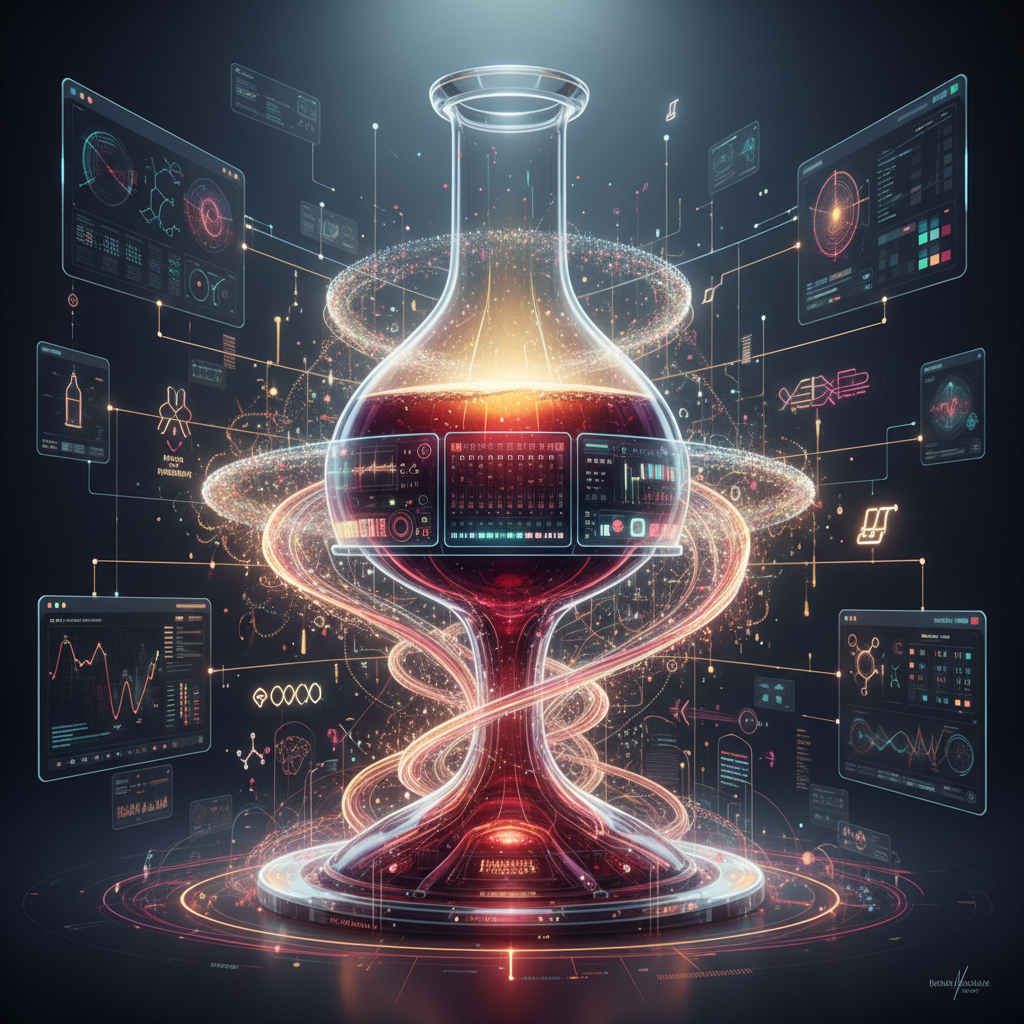
While tradition remains paramount, modern technology has significantly advanced the capabilities of precision blending wine. Laboratories now offer detailed analyses of chemical compounds, informing winemakers about potential blending partners. Spectrophotometry, gas chromatography, and liquid chromatography are just a few tools used to quantify components like anthocyanins, tannins, and volatile compounds.
Sensory analysis, though subjective, is often cross-referenced with objective data. This dual approach allows for highly informed decisions, pushing the boundaries of what’s achievable in wine quality. The integration of AI and machine learning, still in its nascent stages, promises even greater precision in predicting blend outcomes in the years to come. For insight into the changing wine landscape, consider the Revolutionizing Wine Provenance and Authenticity in 2026.
Advanced Analytical Techniques in Blending
- Spectrophotometry: Measures color intensity and hue, crucial for red wine blending.
- Chromatography: Identifies and quantifies aromatic compounds and phenolic substances.
- Micro-Oxygenation: A technique used during blending to manage tannin polymerization and soften the wine's texture. You can explore more on this in Exploring Micro-Oxygenation's Role in Sculpting Wine Identity for 2026.
- Pre-Blends and Trials: Small-scale blending experiments conducted to predict the large blend's final characteristics.
The Art of Sensory Evaluation and Precision Blending Wine
Despite technological advancements, the human palate and nose remain indispensable in precision blending wine. Winemakers and their blending teams conduct countless sensory evaluations, tasting individual components and trial blends to fine-tune the final composition. This stage is where instinct, experience, and artistic vision truly shine. Organizations like the Wine & Spirit Education Trust (WSET) provide extensive training in sensory analysis, highlighting its importance in the industry.
The process often involves blind tastings, where blenders evaluate samples without knowing their origins, eliminating bias. Discussions among the team are critical, leading to consensus on the optimal blend. It’s a painstaking process, requiring immense patience and a finely honed sensory memory. Unravel the mysteries of Decoding Non-Verbal Cues in Wine Service in 2026.
Key Factors in Sensory Blending Decisions
- Aroma Profile: Identifying primary, secondary, and tertiary aromas and how they interact.
- Palate Structure: Evaluating sweetness, acidity, tannin, alcohol, and body.
- Flavor Evolution: Assessing how flavors develop from initial taste to the finish.
- Longevity Potential: Predicting how the blend will age and develop over time.
The Impact of Terroir on Blending Choices
Terroir, the unique combination of soil, climate, topography, and traditional winemaking practices of a specific region, profoundly influences the characteristics of individual wine components. Winemakers involved in precision blending wine must deeply understand how different parcels or vineyard blocks, even within the same estate, express their individual terroir. This knowledge is fundamental to selecting the right components for the blend. For a deeper understanding of this connection, explore Decoding the Rhythms of Vineyard Health and Terroir in 2026.
For example, grapes from a cooler, north-facing slope might contribute higher acidity and delicate aromatics, while those from a sunnier, south-facing plot might offer riper fruit flavors and softer tannins. Successfully integrating these diverse expressions of terroir is a hallmark of masterful blending, creating a wine that represents a comprehensive story of its origin.
Terroir Considerations in Blending
- Soil Type: Influences water retention, nutrient availability, and root development, impacting fruit character.
- Microclimate: Variations in temperature, sunlight, and rainfall across different vineyard sections.
- Varietal Expression: How different grape varieties express themselves under distinct terroir conditions.
- Vine Age: Older vines often produce lower yields but more concentrated fruit.
Iconic Examples and Future Trends in Precision Blending Wine
The greatest wine regions globally owe much of their renown to expert blending. Bordeaux, for instance, perfected its blends of Cabernet Sauvignon, Merlot, and other varietals centuries ago, defining a style revered worldwide. Similarly, Champagne relies on the precise blending of Chardonnay, Pinot Noir, and Pinot Meunier, often across multiple vintages, to achieve its consistent House style. In 2026, we continue to see these traditions honored while new regions and varietals emerge with their own unique blending philosophies. The International Organisation of Vine and Wine (OIV) provides regular reports on global wine trends and production, including insights into blending practices.
Looking ahead, the trend towards sustainable viticulture and climate-resilient winemaking will further integrate into blending strategies. Winemakers are experimenting with lesser-known, drought-resistant varietals as blending components, and considering how organic and biodynamic practices influence the sensory properties of their blending stock. This forward-thinking approach ensures not only quality but also the long-term viability of winemaking.
Emerging Trends in Wine Blending 2026
- Climate-Adaptive Blends: Incorporating new varietals suited to changing climates.
- Single-Vineyard Blend Expressions: Highlighting subtle differences from specific vineyard blocks.
- Non-Traditional Blends: Experimenting with unexpected combinations of grape varieties.
- Increased Transparency: Wineries providing more details on their blending decisions to consumers.
Ultimately, precision blending wine is a testament to the winemaker's dedication to excellence. It’s a craft that balances tradition with innovation, science with art, and objective data with subjective sensation. As we savor the vintages of 2026 and beyond, understanding this complex process deepens our appreciation for every glass and the masterful hands that created it.
Written by
Juniper Thorne is an experienced writer and educator with a deep passion for the world of wine. Bringing expertise in sensory analysis and wine culture to the Greatest Wine platform, Juniper helps readers explore and appreciate every nuance of wine.
Related Articles

The Cellar Architects: Mastering Elite Wine Preservation and Evolution in 2026
For the true connoisseur, wine is more than just a beverage; it's a living entity, an investment, and a passion. Mastering its preservation and evolution is an art form, especially in 2026 with new technologies and insights. Learn how to protect and enhance your cherished collection.
Juniper Thorne