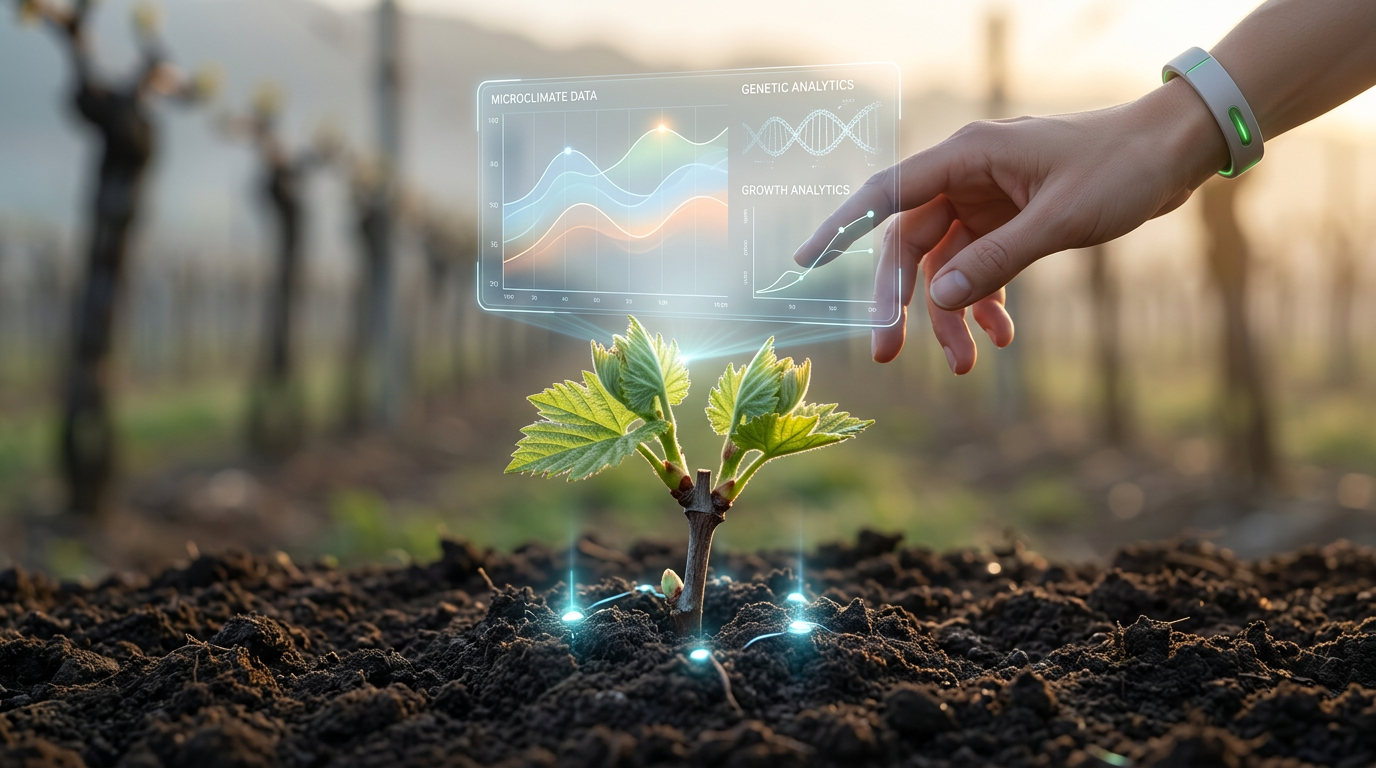
The Art of the 'Vinous Nebula': Deconstructing the Cosmic Influences on Terroir in 2026
Welcome to Greatest Wine, where we delve deeper than ever before into the world of wine. Today, we're exploring a truly intriguing concept: **vinous astrophysics**. This emerging field examines the often-overlooked cosmic influences that subtly but profoundly shape a wine's terroir and character. In 2026, as our understanding of both viticulture and celestial mechanics advances, we’re beginning to grasp the intricate connections between the stars above and the wine in your glass. This article deconstructs the 'vinous nebula' and its impact on your favorite vintages.

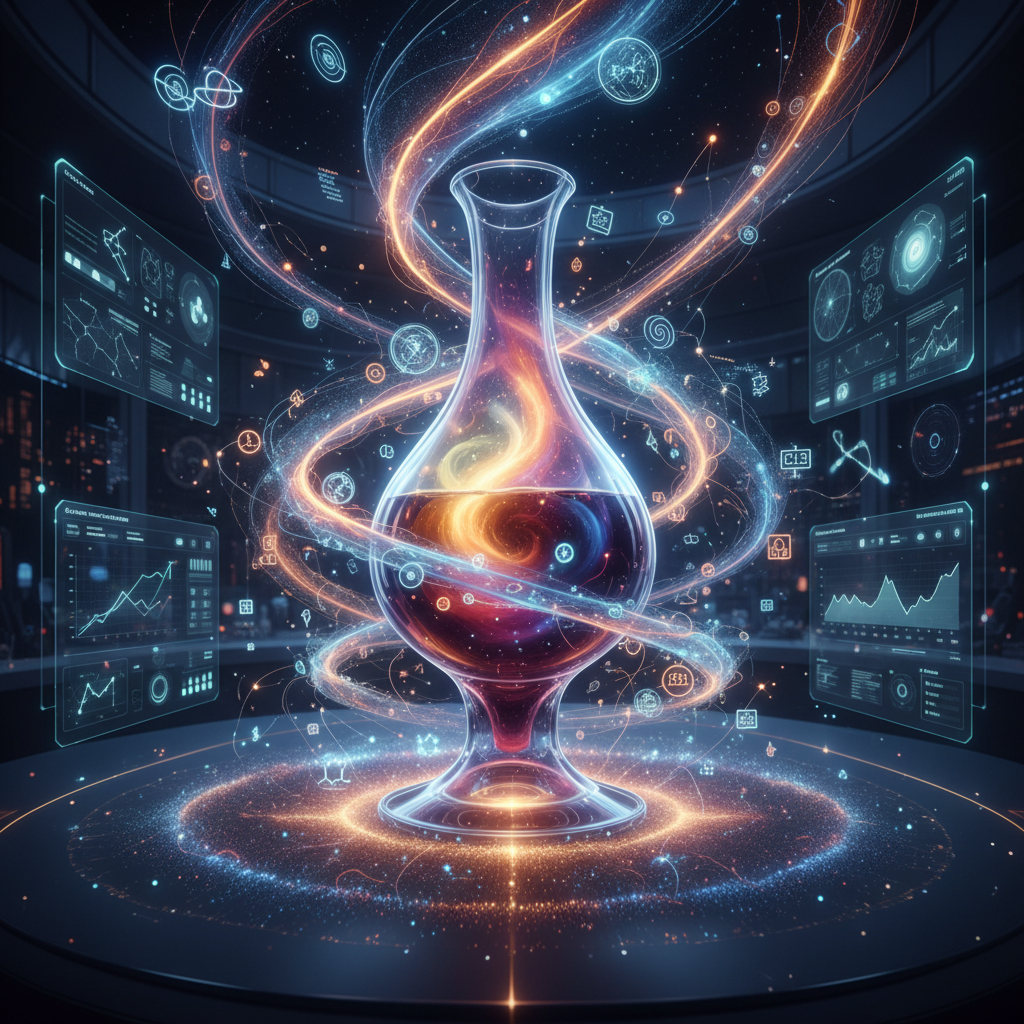
Beyond the Bottle: Unveiling Vinous Astrophysics in 2026
Welcome to Greatest Wine, where we delve deeper than ever before into the world of wine. Today, we're exploring a truly intriguing concept: vinous astrophysics. This emerging field examines the often-overlooked cosmic influences that subtly but profoundly shape a wine's terroir and character. In 2026, as our understanding of both viticulture and celestial mechanics advances, we’re beginning to grasp the intricate connections between distant stars, planetary alignments, and the grapes on our vines. This isn't just about soil and climate; it's about a grander, more ethereal tapestry woven by the universe itself, impacting everything from grape ripeness to aromatic complexity.
The Cosmic Canvas: Understanding Vinous Astrophysics
Vinous astrophysics is not a new age fancy, but rather an interdisciplinary approach blending astronomical observations with viticultural science. It explores how gravitational forces, solar radiation variations, and even lunar cycles might exert subtle pressures on vine development. While the primary drivers of terroir remain soil composition, microclimate, and human intervention, considering the cosmic backdrop adds another layer of complexity and potential understanding. For a deeper dive into how environmental factors shape wine, explore The Art of the 'Vinous Echo': Tracing the Enduring Influence of Historic Climate Shifts on 2026's Old Vine Wines.
Gravitational Tides and Vine Physiology
Just as the moon influences ocean tides, its gravitational pull, alongside that of the sun and other planets, might induce microscopic stresses and strains within the vine. These minute gravitational shifts could potentially impact water uptake, nutrient transport, or even cellular processes, leading to subtle changes in grape development and, ultimately, wine profile. Researchers in 2026 are using highly sensitive instruments to measure these effects.
Solar Flares and Phenolic Development
The sun's activity, including solar flares and sunspots, varies over an eleven-year cycle. These fluctuations can influence Earth's magnetic field and radiation levels. Some theories propose that increased solar activity could impact UV radiation reaching vineyards, potentially affecting the development of polyphenols and anthocyanins in grape skins – crucial compounds for a wine's color, tannin structure, and antioxidant properties. This fascinating area of vinous astrophysics warrants further investigation. For more on the unseen influences on wine maturation, see The Art of the 'Vinous Silhouette': Deconstructing Light's Unseen Influence on Wine Maturation in 2026.
Lunar Cycles and Viticultural Practices: A Timeless Connection
For centuries, biodynamic viticulture has incorporated lunar cycles and planetary alignments into vineyard management, albeit often without a strictly scientific explanation. Modern vinous astrophysics seeks to provide a scientific framework for these traditional practices. The Biodynamic Association provides excellent foundational resources on these methods.
Planting and Pruning by the Moon
Biodynamic calendars often dictate specific days for activities like planting, pruning, and harvesting, based on the moon's position relative to the Earth and other celestial bodies. The belief is that certain lunar phases, particularly ascending and descending moon cycles, correlate with higher sap flow in vines or increased root activity, optimizing the effectiveness of these interventions. While not universally adopted, many wineries observe anecdotal benefits.
Harvesting Under Specific Celestial Conditions
Some winemakers swear by harvesting grapes under specific moon phases, believing it influences the acidity, sugar balance, or aromatic precursors in the fruit. While direct scientific evidence is still emerging, the meticulous attention to detail offered by such practices often leads to exceptional quality due to the overall holistic approach. For more on advanced soil science and terroir, read The Art of the Winemaker's 'Signature Soil': Cultivating Unique Terroir Through Advanced Soil Science in 2026.
The Future of Vinous Astrophysics: Research and Innovation
The field of vinous astrophysics is still in its nascent stages, but it's gaining traction. Advanced sensor technology, remote sensing through satellite imagery, and sophisticated data analysis are empowering researchers to explore these cosmic connections with unprecedented precision. The European Space Agency's Earth Observation Programme, for instance, offers valuable data that could be leveraged for viticultural insights.
- Satellite Monitoring: Tracking solar radiation, geomagnetic activity, and atmospheric conditions directly over specific vineyards.
- Genomic Studies: Investigating how vine gene expression might be influenced by external cosmic forces.
- Long-Term Data Collection: Building comprehensive databases correlating celestial events with vintage characteristics and wine quality over decades.
The insights gleaned from this research in the coming years will undoubtedly contribute to a more profound understanding of terroir and provide winemakers with new tools and perspectives. Could we one day predict a vintage's potential based on planetary alignments? The possibilities are truly astronomical. For a glimpse into predictive wine character, check out The Art of the Vinous Blueprint: Deconstructing the Science of Predictive Wine Character in 2026.
Beyond Terroir: The Sensory Experience of Cosmic Wine
If cosmic influences do indeed shape wine, how might this manifest in the glass? While tasting notes typically focus on fruit, earth, and oak, discerning palates might begin to identify more subtle nuances attributable to vinous astrophysics.
Subtle Aromatic Shifts
Could variations in solar activity impact the volatile aromatic compounds in a wine, leading to slight differences in floral notes, spice, or even mineral accents? The concept is speculative but fascinating.
Textural and Structural Nuances
Gravitational forces might affect the polymerization of tannins or the structure of acids, leading to subtle variations in mouthfeel, texture, and overall balance. These are the kinds of fine details that truly elevate a wine from good to exceptional. The Scientific American offers a basic overview of human taste perception, which could be expanded by these cosmic considerations.
The Element of Mystery
Ultimately, the beauty of vinous astrophysics lies not just in scientific discovery, but also in the added layer of mystery and wonder it brings to wine appreciation. It encourages us to look beyond the immediate and consider the grand, interconnected nature of our universe when enjoying a glass of wine.
Conclusion: The Universe in Your Glass
As we continue our journey through the intricate world of wine at Greatest Wine, the concept of vinous astrophysics opens up exciting new avenues of exploration. While much remains to be understood, the very idea that cosmic forces might contribute to the magic in our glass adds a profound dimension to our appreciation of nature's bounty. In 2026, we are witnessing a growing curiosity and scientific rigor applied to these long-held, intuitive beliefs. Perhaps the next time you savor a fine vintage, you'll feel not just the soil and sun, but also the subtle, silent influence of distant stars and the gentle pull of the moon. It's a reminder that every bottle tells a story – and some stories stretch all the way to the far reaches of the cosmos.
Written by
Juniper Thorne is an experienced writer and educator with a deep passion for the world of wine. Bringing expertise in sensory analysis and wine culture to the Greatest Wine platform, Juniper helps readers explore and appreciate every nuance of wine.
Related Articles

The Cellar Architects: Mastering Elite Wine Preservation and Evolution in 2026
For the true connoisseur, wine is more than just a beverage; it's a living entity, an investment, and a passion. Mastering its preservation and evolution is an art form, especially in 2026 with new technologies and insights. Learn how to protect and enhance your cherished collection.
Juniper Thorne