The Art of the Vinous Blueprint: Deconstructing the Science of Predictive Wine Character in 2026
The world of wine is undergoing a profound transformation in 2026, driven by an increasing integration of advanced technology and scientific methodologies. At the heart of this evolution lies predictive wine science, a multidisciplinary field that leverages data, analytics, and biological insights to forecast the character, quality, and aging potential of wine. This innovative approach is no longer a niche concept but a fundamental aspect of modern viticulture and enology, empowering winemakers to make more informed decisions from vineyard to bottle. Understanding the 'vinous blueprint' allows for unparalleled precision in crafting exceptional wines.

Predictive Wine Science: Deconstructing the Vinous Blueprint in 2026
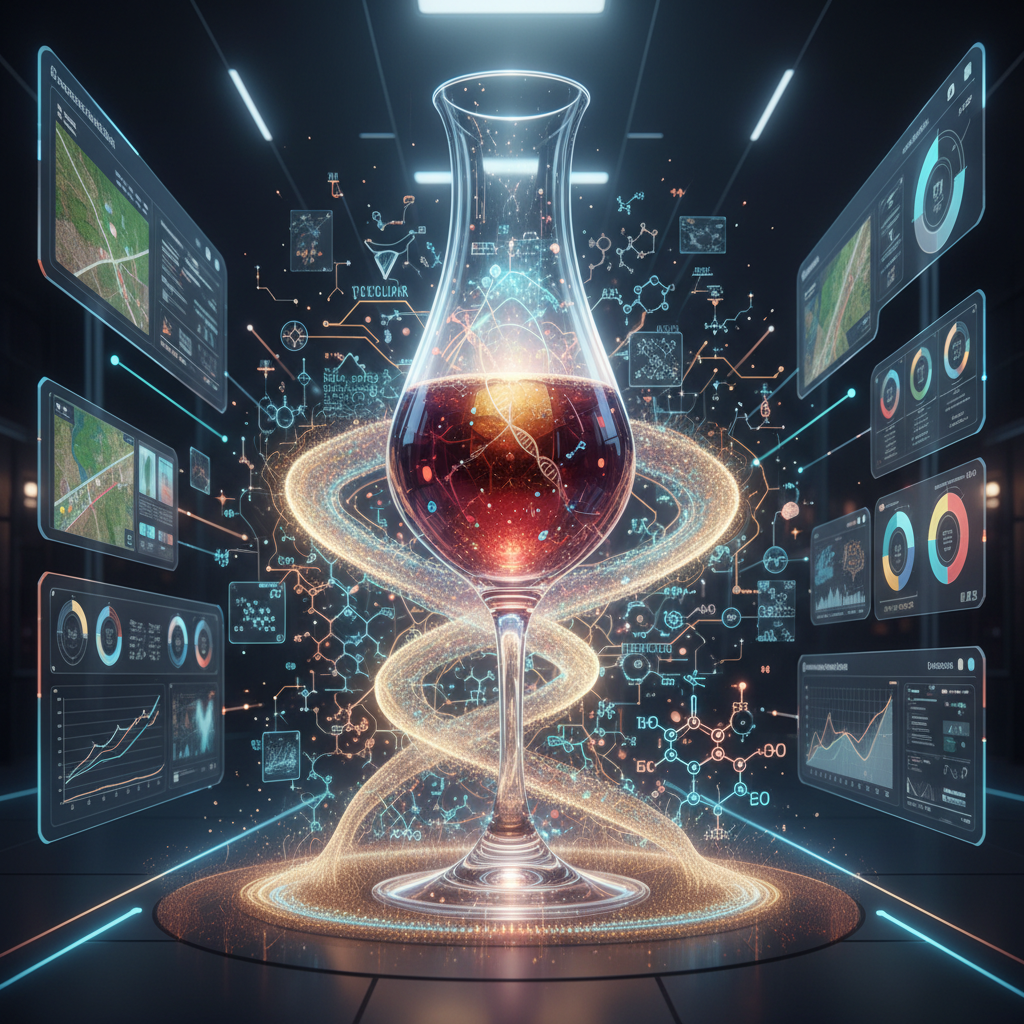
The world of wine is undergoing a profound transformation, driven by an increasing integration of advanced technology and scientific methodologies. At the heart of this evolution lies predictive wine science, a multidisciplinary field that leverages data, analytics, and biological insights to forecast the character, quality, and aging potential of wine. In 2026, this innovative approach is no longer a futuristic concept but a vital tool for vintners, sommeliers, and enthusiasts alike. It allows us to peer into the future of a vintage, optimize vineyard management, and refine winemaking techniques, ultimately leading to more consistent and exceptional wines. This deep dive will explore how predictive wine science is shaping the industry, offering a blueprint for understanding the complex interplay of factors that define a wine's journey from vine to glass.
For a further exploration of related concepts, delve into The Art of the 'Cognitive Vintage': Mastering the Psychology of Wine Expectation in 2026.
The Evolution of Predictive Wine Science in Viticulture
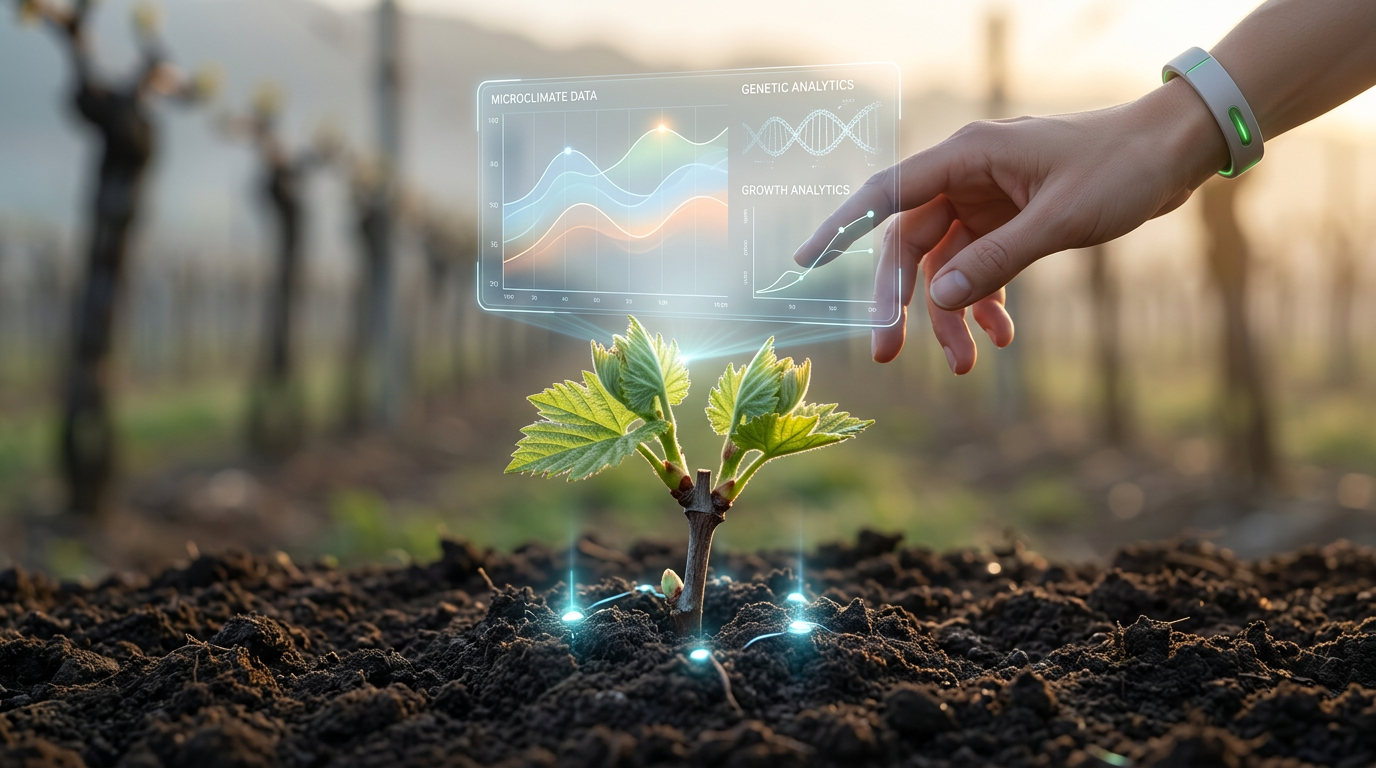
Modern viticulture is a complex dance between nature and nurture. Growers are increasingly turning to advanced analytics to make informed decisions. Predictive wine science tools are revolutionizing how vineyards are managed, from initial planting decisions to harvest timing. These tools use a wealth of data to anticipate challenges and opportunities.
The ability to predict grape characteristics before harvest is invaluable. This foresight allows winemakers to fine-tune their approach, ensuring that the fruit reaches its optimal potential for the desired wine style. It's about moving beyond reactive measures to proactive, data-driven strategies.
Data-Driven Vineyard Management for Optimal Grape Quality
- Remote Sensing and Satellite Imagery: High-resolution aerial and satellite imaging provides granular data on vine vigor, water stress, and nutrient deficiencies across entire vineyards. This allows for precision irrigation and fertilization, conserving resources while maximizing grape quality. In 2026, hyperspectral imaging offers even greater detail, identifying specific plant pigments related to ripeness and stress.
- Soil Analysis and Terroir Mapping: Advanced soil sensors and comprehensive mapping analyze soil composition, moisture retention, and microbial activity. Understanding these factors helps predict how specific grape varieties will express their terroir, informing clone selection and vineyard planning. For more on the foundational elements of winemaking, see The Art of the Winemaker's 'Signature Soil': Cultivating Unique Terroir Through Advanced Soil Science in 2026.
- Weather Forecasting Models: Localized, hyper-accurate weather predictions, often integrated with AI, assist in anticipating heatwaves, frosts, and rainfall patters. This information is critical for managing canopy density, disease prevention, and scheduling crucial vineyard operations like pruning and veraison.
Predicting Phenolic Ripeness and Flavor Precursors
One of the most exciting aspects of predictive wine science is its capacity to forecast the phenolic profile and flavor precursors within grapes. Phenolics contribute significantly to a wine's color, tannin structure, and aging potential. Anticipating these elements allows winemakers to tailor their maceration and fermentation processes.
Techniques such as Near-Infrared Spectroscopy (NIR) are being deployed in vineyards to assess sugar levels, acidity, and anthocyanin development directly in the field. This real-time data empowers growers to pick at the precise moment for optimal flavor development, aligning with the desired style of the finished wine.
Predictive Wine Science in Winemaking: From Fermentation to Bottling
Beyond the vineyard, predictive wine science continues its influence into the winery itself. Winemakers are leveraging sophisticated models and analytical techniques to guide fermentation, optimize aging, and even forecast a wine's aromatic evolution. This scientific approach minimizes guesswork and enhances precision at every stage of production.
The goal is to consistently produce wines that meet specific quality benchmarks and stylistic profiles. This involves monitoring a myriad of chemical reactions and microbial activities, often in real-time. The insights gained allow for timely adjustments, preventing potential faults and enhancing desirable characteristics.
Advanced Fermentation Monitoring and Control
- Kinetic Modeling of Yeast Activity: Predictive models can simulate yeast population dynamics and fermentation kinetics. This helps winemakers anticipate stuck fermentations, manage temperature, and optimize nutrient additions for a clean and efficient sugar conversion.
- Real-time Aromatic Compound Analysis: Gas Chromatography-Mass Spectrometry (GC-MS) coupled with AI interprets volatile compounds during fermentation and aging. This allows for real-time tracking of aroma development and the identification of potential off-flavors, enabling corrective actions. For deeper insights into aroma decoding, read The Art of the Vinous Cipher: Decoding Hidden Messages in Wine Aromas for 2026.
- Microbial Ecology Insights: DNA sequencing and metagenomics provide a deep understanding of the yeast and bacterial populations present in must and wine. Predicting their interactions helps manage complexity and prevent spoilage. Discover more about microbial influences in The Art of the 'Vinous Microbe': Unleashing Fungal and Bacterial Power for Next-Gen Wine Flavors in 2026.
Forecasting Wine Aging and Stability
The aging potential and stability of wine are critical for consumer satisfaction. Predictive wine science uses chemical marker analysis and accelerated aging tests to project how a wine will evolve over time. This helps producers determine optimal bottle release times and identify wines suitable for long-term cellaring.
Understanding the oxidative stability of a wine, for example, allows for targeted interventions, such as adjusting dissolved oxygen levels or sulfur dioxide additions, to preserve freshness and prevent premature aging. This ensures a consistent experience for consumers opening a bottle years after its production.
Sensory Prediction and Consumer Preferences
One of the most innovative applications of predictive wine science is its ability to forecast sensory attributes and align them with consumer preferences. By combining chemical analysis with sensory panels and machine learning, winemakers can anticipate how their wines will be perceived by the market.
This allows for a targeted approach to blending and finishing wines, ensuring they hit the desired flavor and aroma profiles. It's a powerful tool for market segmentation and product development in a competitive global landscape.
Machine Learning for Flavor Profile Mapping
Machine learning algorithms are being trained on vast datasets linking chemical compositions to sensory descriptions. This allows for the creation of "flavor fingerprints" that can predict a wine's aromatic intensity, mouthfeel, and finish with surprising accuracy. These algorithms can even suggest blending ratios to achieve a specific profile.
By inputting the chemical parameters of different wine components, winemakers can simulate various blends and predict their sensory outcomes before committing to a final mix. This significantly reduces trial-and-error in the blending room.
Consumer Analytics and Market Trends
Beyond the technical aspects, predictive wine science also integrates consumer data. Analyzing purchase patterns, tasting notes from reviews, and social media sentiment helps identify emerging trends and preferred wine styles. This market intelligence can then inform vineyard and winery decisions, from grape varietal selection to labeling and marketing strategies.
For example, if data suggests a growing preference for lower-alcohol, fruit-forward wines, winemakers can adjust their practices to meet this demand, ensuring their products remain relevant and desirable in 2026 and beyond. To understand how AI is redefining consumer interactions, explore The Art of the 'Palate Revolution': Designing Hyper-Personalized Wine Experiences with AI in 2026.
Challenges and the Future of Predictive Wine Science
While the strides made in predictive wine science are impressive, the field still faces challenges. The complexity of biological systems, the variability of terroir, and the subjective nature of taste mean that perfect prediction remains an elusive goal. However, continuous advancements in technology and data integration are steadily overcoming these hurdles.
The future promises even more sophisticated tools. We can anticipate further integration of artificial intelligence and robotics in vineyard operations, real-time diagnostic tools in the winery, and even personalized wine recommendations based on individual genetic predispositions for taste perception. This will truly deepen our understanding of the vinous blueprint.
Ethical Considerations and Data Privacy
As with any data-intensive field, ethical considerations around data privacy and ownership are becoming increasingly important. Who owns the vast amounts of vineyard and winery data being collected? How is it shared and protected? These are questions the industry is actively addressing in 2026 to ensure responsible innovation. For an interesting perspective on ethical data use in a broader context, consider the General Data Protection Regulation (GDPR) framework.
The Human Element and the Art of Winemaking
Despite the scientific advancements, it's crucial to remember that wine is also an agricultural product, steeped in tradition and craftsmanship. Predictive wine science is a powerful tool, but it complements, rather than replaces, the experience, intuition, and artistic vision of the winemaker. The human element, the passion, and the connection to the land will always remain integral to the creation of great wine. A fascinating example of combining technical skill with artistic vision can be seen in the Institute of Masters of Wine, which upholds rigorous standards of knowledge and expertise. Additionally, exploring how organizations like the International Organisation of Vine and Wine (OIV) contribute to global standards highlights the blend of science and tradition.
Ultimately, predictive wine science empowers winemakers to make more informed decisions, enhancing their ability to express the unique character of their terroir and produce exceptional wines that delight consumers worldwide. It's an exciting time to be involved in the world of wine.
Written by
Juniper Thorne is an experienced writer and educator with a deep passion for the world of wine. Bringing expertise in sensory analysis and wine culture to the Greatest Wine platform, Juniper helps readers explore and appreciate every nuance of wine.
Related Articles

The Cellar Architects: Mastering Elite Wine Preservation and Evolution in 2026
For the true connoisseur, wine is more than just a beverage; it's a living entity, an investment, and a passion. Mastering its preservation and evolution is an art form, especially in 2026 with new technologies and insights. Learn how to protect and enhance your cherished collection.
Juniper Thorne