The Art of the 'Vinous Microbe': Unleashing Fungal and Bacterial Power for Next-Gen Wine Flavors in 2026
In 2026, the 'vinous microbiome' – a microscopic world of fungi and bacteria – is transforming winemaking. Winemakers and researchers are delving into this hidden ecosystem to uncover how these microbes profoundly influence the final character of our favorite vintages, promising revolutionary new flavors.

The Art of the 'Vinous Microbe': Unleashing Fungal and Bacterial Power for Next-Gen Wine Flavors in 2026
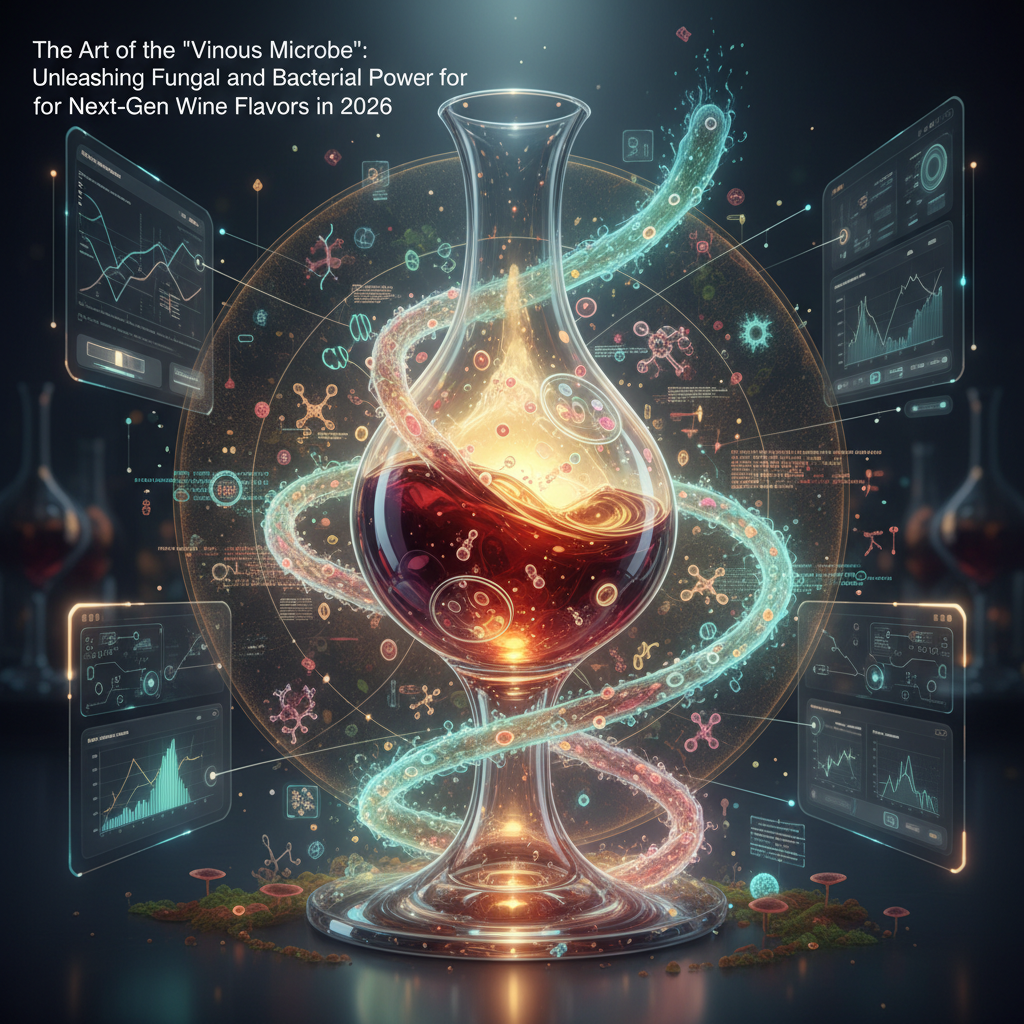
In the intricate world of winemaking, a microscopic universe thrives, profoundly influencing the final character of our favorite vintages. This hidden ecosystem, collectively known as the vinous microbiome, is gaining unprecedented attention in 2026. Winemakers and researchers alike are delving deeper into its fungal and bacterial components. Moving beyond traditional understanding, the focus is now on intentionally harnessing these microbial communities to craft wines with novel and enhanced flavor profiles. This represents a significant shift in wine production methodology.
Delving into this microscopic world allows for an appreciation of the Art of the Vinous Palimpsest, where layers of microbial influence are uncovered. It also ties into how winemakers are increasingly focusing on the Art of the Soil Microbiome, understanding its foundational role in shaping the very essence of terroir before the grapes are even harvested.
Understanding the Complex World of the Vinous Microbiome
The concept of the vinous microbiome encompasses all microorganisms. This includes bacteria, yeasts, and molds that inhabit the vineyard, grapes, cellar, and the wine itself. This dynamic community varies significantly based on terroir, climate, grape varietal, and winemaking practices. Each microbe plays a unique role, from initial fermentation to malolactic conversion and even during aging. Consequently, they contribute to the wine's aroma, texture, and stability.
The Grape's Microbial Inhabitants
- Epicuticular Yeasts: These wild yeasts, residing on grape skins, are often the first responders during spontaneous fermentation. They influence the early stages of flavor development.
- Bacterial Flora: Various bacterial species, including lactic acid bacteria, are naturally present on grapes. They can contribute to or detract from wine quality depending on their specific strains and populations.
- Terroir Influence: The soil, local flora, and even airborne microbes contribute to the unique microbial signature of a vineyard. This acts as a crucial component of its terroir.
Understanding this initial microbial fingerprint is paramount for winemakers aiming to protect and enhance their unique regional character. Modern analysis techniques, such as next-generation sequencing, are providing unprecedented insights into the diversity and functionality of these microbial populations. This scientific exploration mirrors the Art of the Vinous Cartographer, mapping these complex flavor landscapes.
Fungal Frontiers: Yeasts and Their Flavor Contributions to the Vinous Microbiome
Yeasts are perhaps the most celebrated members of the vinous microbiome. They are primarily responsible for converting grape sugars into alcohol and carbon dioxide during fermentation. While Saccharomyces cerevisiae remains the dominant species for alcoholic fermentation, the role of non-Saccharomyces yeasts is rapidly expanding in 2026. This opens new avenues for flavor innovation.
Exploring Non-Saccharomyces Yeast Strains
- Enhanced Aromatic Complexity: Certain non-Saccharomyces yeasts (e.g., Torulaspora delbrueckii, Lachancea thermotolerans) can produce novel esters, terpenes, and other aromatic compounds. This adds layers of complexity not achievable with traditional strains alone.
- Acidity Modification: Some yeasts can influence the malic acid content. This potentially leads to wines with softer acidity or unique acidification profiles.
- Bioprotection: Selected non-Saccharomyces yeasts can act as bioprotectants. They inhibit the growth of spoilage microorganisms and reduce the need for sulfites.
Winemakers are increasingly experimenting with co-fermentation or sequential inoculation strategies involving these various yeast species. The goal is to sculpt precise flavor outcomes, moving beyond a one-size-all approach to fermentation. This innovative approach to winemaking also impacts the Art of the 'Vinous Metamorphosis' as wine transforms in the cellar.
Bacterial Brilliance: Shaping Wine Through Lactic Acid Bacteria in the Vinous Microbiome
While often overlooked in favor of yeasts, bacteria, especially lactic acid bacteria (LAB), are critical players in the vinous microbiome. This is particularly true during malolactic fermentation (MLF). This secondary fermentation converts harsh malic acid into softer lactic acid. Thus, it significantly impacts the wine's mouthfeel, stability, and aromatic profile.
The Impact of Malolactic Fermentation on Wine Character
- Texture and Mouthfeel: MLF contributes to a rounder, softer texture. It reduces perceived acidity and enhances the wine's overall smoothness.
- Aromatic Development: LAB can produce diacetyl, which imparts buttery notes. Additionally, other compounds can add complexity, often contributing nutty, spicy, or fruity nuances.
- Microbial Stability: Completing MLF helps stabilize the wine, preventing unwanted re-fermentation in the bottle.
In 2026, research into specific LAB strains is enabling winemakers to make more informed choices. They can decide which bacteria to introduce or encourage, tailoring the MLF process to achieve desired stylistic goals and regional expressions. Further details on how these biological processes influence the wine's final taste can be found in discussions around the Art of the Winemaker's Signature.
Cultivating a Desired Vinous Microbiome for Distinctive Wines
The active management of the vinous microbiome is becoming a cornerstone of modern winemaking. This involves not only selecting specific yeast and bacterial strains but also employing cultural and cellar practices. These practices foster beneficial microbial communities and mitigate deleterious ones.
Strategies for Managing Microbial Communities
- Targeted Inoculation: Moving beyond generic commercial yeasts, winemakers are utilizing regional-specific or custom-blended yeast and bacterial cultures. This imprints unique characteristics on their wines.
- Nutrient Management: Providing optimal nutrient conditions for desired microbes is crucial, while simultaneously inhibiting spoilage organisms.
- Temperature Control: Precise temperature management throughout fermentation and aging influences microbial activity and metabolic pathways, affecting final flavor.
- Oxygen Exposure: Controlled oxygen exposure can encourage or suppress certain microbial populations. This impacts aroma evolution and wine stability.
This proactive approach allows winemakers to achieve greater consistency in quality. Furthermore, it enables them to explore innovative flavor profiles and enhance the expression of their terroir. The ongoing research in this area is supported by organizations like the International Organisation of Vine and Wine (OIV), which consistently publishes findings related to sustainable viticulture and enology.
The Future of Wine: Microbiome-Driven Innovation in 2026
As we move further into 2026, the potential of the vinous microbiome is only beginning to be fully realized. Advancements in genomics, metabolomics, and bioinformatics are providing an intricate understanding of microbial interactions and their biochemical effects on wine. This deeper knowledge is paving the way for exciting innovations.
Emerging Trends and Technologies
- Precision Fermentation: This involves tailoring microbial inoculations to specific grape characteristics and desired wine styles with unprecedented precision.
- Bio-Flavors: Developing new functional microbial starter cultures designed to produce specific, highly sought-after aroma compounds is a key trend.
- Sustainability: Utilizing beneficial microbes improves vineyard health, reduces the need for synthetic treatments, and enhances wine stability with fewer additives.
- Terroir Microbes: Identification and cultivation of unique "terroir microbes" help enhance regional identity and differentiate wines in the global market.
The era of the "vinous microbe" is upon us, promising a future where wine is not just fermented, but meticulously crafted. This crafting occurs through a profound understanding and partnership with its unseen biological architects. This exciting frontier is set to redefine wine flavors and appreciation for decades to come. For more on the cutting edge of this research, institutions such as the UC Davis Robert Mondavi Institute for Wine and Food Science offer valuable insights into ongoing studies in enology and associated microbial sciences.
Written by
Juniper Thorne is an experienced writer and educator with a deep passion for the world of wine. Bringing expertise in sensory analysis and wine culture to the Greatest Wine platform, Juniper helps readers explore and appreciate every nuance of wine.
Related Articles

The Cellar Architects: Mastering Elite Wine Preservation and Evolution in 2026
For the true connoisseur, wine is more than just a beverage; it's a living entity, an investment, and a passion. Mastering its preservation and evolution is an art form, especially in 2026 with new technologies and insights. Learn how to protect and enhance your cherished collection.
Juniper Thorne