The Art of the 'Cognitive Vintage': Mastering the Psychology of Wine Expectation in 2026
Delving into the fascinating world of wine psychology reveals how our perceptions and expectations profoundly shape our tasting experience. In 2026, understanding the cognitive underpinnings of wine appreciation has become more crucial than ever for both casual drinkers and seasoned connoisseurs. It's not just about what's in the bottle, but also what's in our minds when we approach it. This article explores the latest insights into managing and leveraging these psychological factors to enhance every sip. Discover how to master the 'Cognitive Vintage' and truly elevate your wine journey this year.

The Art of the 'Cognitive Vintage': Mastering the Psychology of Wine Expectation in 2026
Delving into the fascinating world of wine psychology reveals how our perceptions and expectations profoundly shape our tasting experience. In 2026, understanding the cognitive underpinnings of wine appreciation has become more crucial than ever for both casual drinkers and seasoned connoisseurs. It's not just about what's in the bottle, but also what's in our minds when we approach that first sip. This article explores the intricate ways our brains process anticipation, branding, and environmental cues to create the ultimate 'cognitive vintage'.
For a deeper dive into how individual sensory experiences contribute to overall appreciation, consider The Art of the 'Cognitive Cellar': How Sensory Deprivation Enhances Wine Appreciation in 2026, which explores alternative methods for refining the palate.
Understanding the Core of Wine Psychology
Wine psychology is a multidisciplinary field drawing from neuroscience, sensory science, marketing, and sociology to explain why we prefer certain wines, how our emotional state influences perception, and the role of expectation in our enjoyment. It's about unpacking the non-physical elements that contribute to the overall wine experience.
The Power of Expectation
Our expectations are powerful. If we anticipate a wine will be exceptional, we often perceive it as such, even if objective measures suggest otherwise. Conversely, negative expectations can diminish the enjoyment of an otherwise high-quality wine. This phenomenon, known as the "expectation bias," is a cornerstone of wine psychology.
- Label Aesthetics: A beautifully designed label can set a high expectation, suggesting quality and craftsmanship even before the cork is pulled.
- Price Point: Higher prices are often associated with better quality, leading to a preconceived notion of superiority.
- Reputation & Reviews: A wine with a stellar reputation or glowing reviews can influence our perception significantly.
The Role of Sensory Priming
Sensory priming refers to how one stimulus influences the processing of a subsequent stimulus. In wine, this could be the aroma you catch before tasting, the color you observe, or even the sound of the cork popping. These subtle cues prime your brain for a particular experience, shaping your initial sensory interpretation.
Branding and Marketing's Influence on Wine Psychology
The marketing of wine is a masterful exercise in applied wine psychology. Every element, from the bottle shape to the vineyard's story, is designed to elicit a specific emotional and sensory response, creating a mental framework even before the wine touches the palate.
Storytelling and Terroir
Consumers are increasingly drawn to narratives. The story behind a winery, its history, sustainable practices, and the unique characteristics of its terroir become part of the wine's identity. This narrative creates an emotional connection, often leading to enhanced enjoyment.
For example, a tale of generations dedicating themselves to a specific vineyard, overcoming challenges, and preserving traditional methods can elevate a simple Cabernet Sauvignon into a revered experience. In 2026, authentic storytelling is a major differentiator in a crowded market. Discover more about how origin stories influence perception in The Art of the Vinous Palimpsest: Unraveling Layers of History in Aged Wines for 2026.
The Impact of Glassware and Presentation
It's not just the wine itself, but also how it's presented. The appropriate glassware can enhance aeration, direct aromas, and visually appeal. A perfectly polished glass, the correct serving temperature, and an elegant decanter all contribute to the psychological anticipation of a premium experience.
- Shape of the Glass: Different glass shapes are designed to accentuate specific varietal characteristics, funneling aromas and guiding the liquid to different parts of the palate.
- Serving Temperature: Proper temperature control is paramount. Both too cold and too warm can mute flavors or emphasize undesirable notes, impacting perception.
- Decantation Rituals: Decanting is not just for aeration; the act itself can build anticipation and enhance the perceived sophistication of the wine.
The Neuroscience Behind Wine Perception and Enjoyment
Recent advancements in neuroscience have shed light on the brain's complex processes involved in wine tasting, further solidifying the principles of wine psychology. It’s a multi-sensory experience that activates various regions of the brain.
The Role of Memory and Emotion
Our memory plays a significant role in how we perceive wine. Past experiences, positive or negative, associated with a particular varietal or region, can heavily influence our current enjoyment. Emotional states also modulate taste perception; a joyful occasion can make an average wine taste extraordinary, while stress can dull the senses.
Beyond Taste: The Olfactory Connection
While often grouped together, taste and smell are distinct senses, though intrinsically linked in the appreciation of wine. Our olfactory system is far more sensitive than our taste buds, allowing us to distinguish thousands of different aromas. The retro-nasal pathway, where aromas from the mouth travel to the nose, is crucial for "flavor" perception.
This intricate interplay means that a wine's aroma profile heavily dictates our overall sensory evaluation. In 2026, advanced sensory labs are increasingly using AI to map these complex interactions. For more on this, explore The Art of the Vinous Cipher: Decoding Hidden Messages in Wine Aromas for 2026.
Cultivating a Mindful Approach to Wine Psychology
For enthusiasts looking to deepen their appreciation, understanding wine psychology offers practical tools. By recognizing our inherent biases and the influence of external factors, we can cultivate a more mindful and objective tasting experience.
Blind Tasting as a Tool
Blind tasting is an excellent method for removing preconceived notions based on brand, price, or reputation. By assessing a wine solely on its sensory attributes, we can train our palates to be more discerning and less susceptible to psychological influences. This practice sharpens sensory acuity.
Personalizing Your Wine Journey
Ultimately, your ideal wine experience is a personal one. While understanding objective quality metrics is valuable, recognizing how your individual preferences, memories, and current mood interact with a wine is key to truly enjoying it. Don't be afraid to trust your own senses and preferences, regardless of societal norms or expert opinions.
In 2026, embracing a personalized approach means exploring smaller, independent producers, unusual varietals, and even venturing into the world of natural or low-intervention wines that might challenge traditional palates but resonate deeply on a personal level. This mirrors the global trend towards personalized experiences seen in many consumer markets, as highlighted by Statista's 2026 consumer insights.
The Future of Wine Psychology in 2026 and Beyond
The field of wine psychology continues to evolve rapidly. As technology advances, we're gaining deeper insights into brain activity during tasting and the interplay of environmental factors.
AI and Predictive Analytics
Artificial intelligence is already being used to analyze vast datasets of consumer preferences, tasting notes, and even neuroscientific data to predict wine trends and preferences. This allows producers to tailor their offerings more precisely to consumer psychological profiles.
Virtual and Augmented Reality Experiences
Imagine tasting a wine while virtually "visiting" its vineyard, experiencing the sights and sounds of its origin. VR and AR technologies hold immense potential to enhance the immersive psychological experience of wine appreciation, adding layers of context and emotion that transcend traditional tasting methods. For example, exploring The Art of the 'Vinous Metaverse': Crafting Immersive Digital Wine Experiences for 2026 reveals how these technologies are already shaping the industry.
These emerging technologies promise to revolutionize how we interact with and understand wine, further integrating the physical and psychological aspects of the experience. The 'cognitive vintage' will become richer and more defined through these innovations. This aligns with broader predictions on digital transformation in the food and beverage industry, as observed by industry leaders like McKinsey & Company regarding 2026 trends.
Written by
Juniper Thorne is an experienced writer and educator with a deep passion for the world of wine. Bringing expertise in sensory analysis and wine culture to the Greatest Wine platform, Juniper helps readers explore and appreciate every nuance of wine.
Related Articles
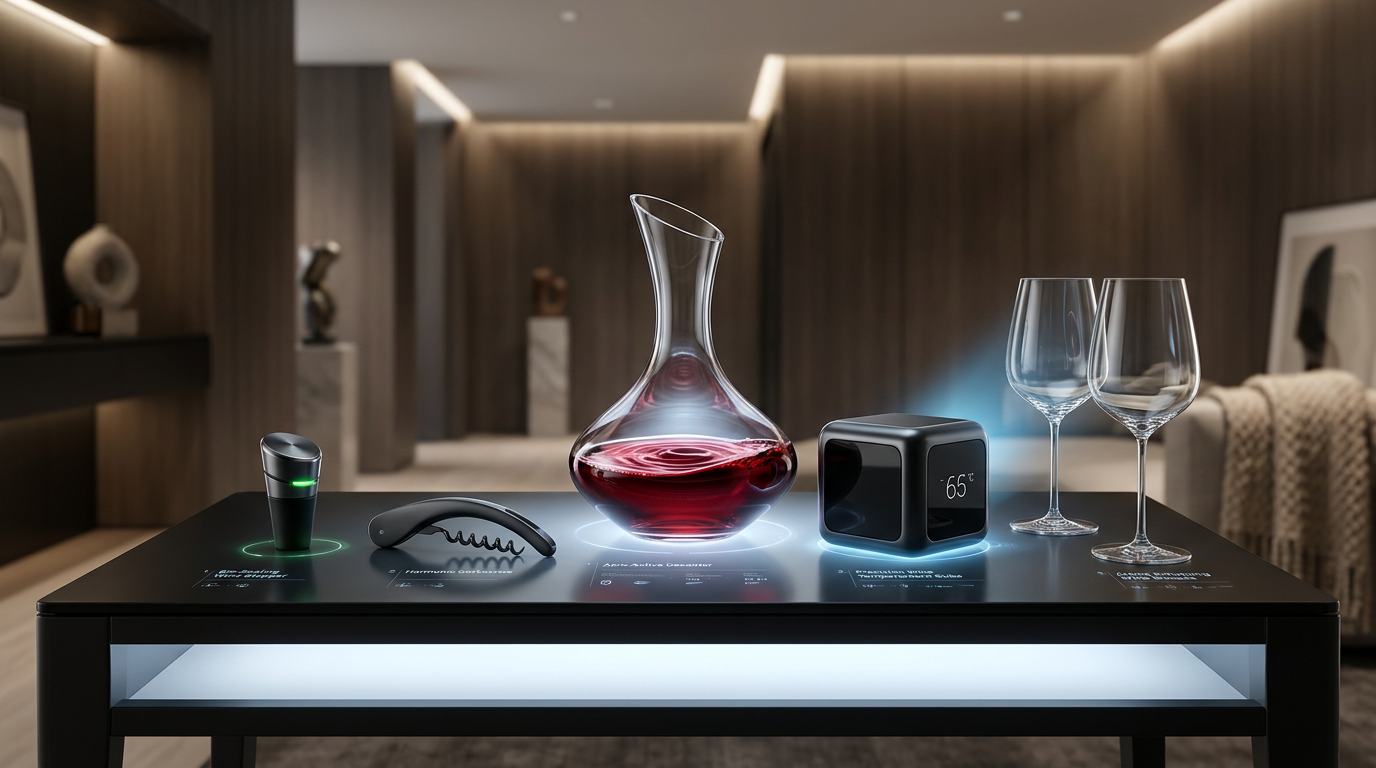
The Vinous Arsenal: Essential Tools for Elevating Your Wine Experience in 2026
As we navigate May 2026, the world of wine continues to evolve, offering enthusiasts unprecedented tools. Discover the essential wine accessories for 2026 that will elevate your enjoyment, from innovative aerators to smart preservation systems. Upgrade your vinous arsenal today with Greatest Wine.
Juniper Thorne