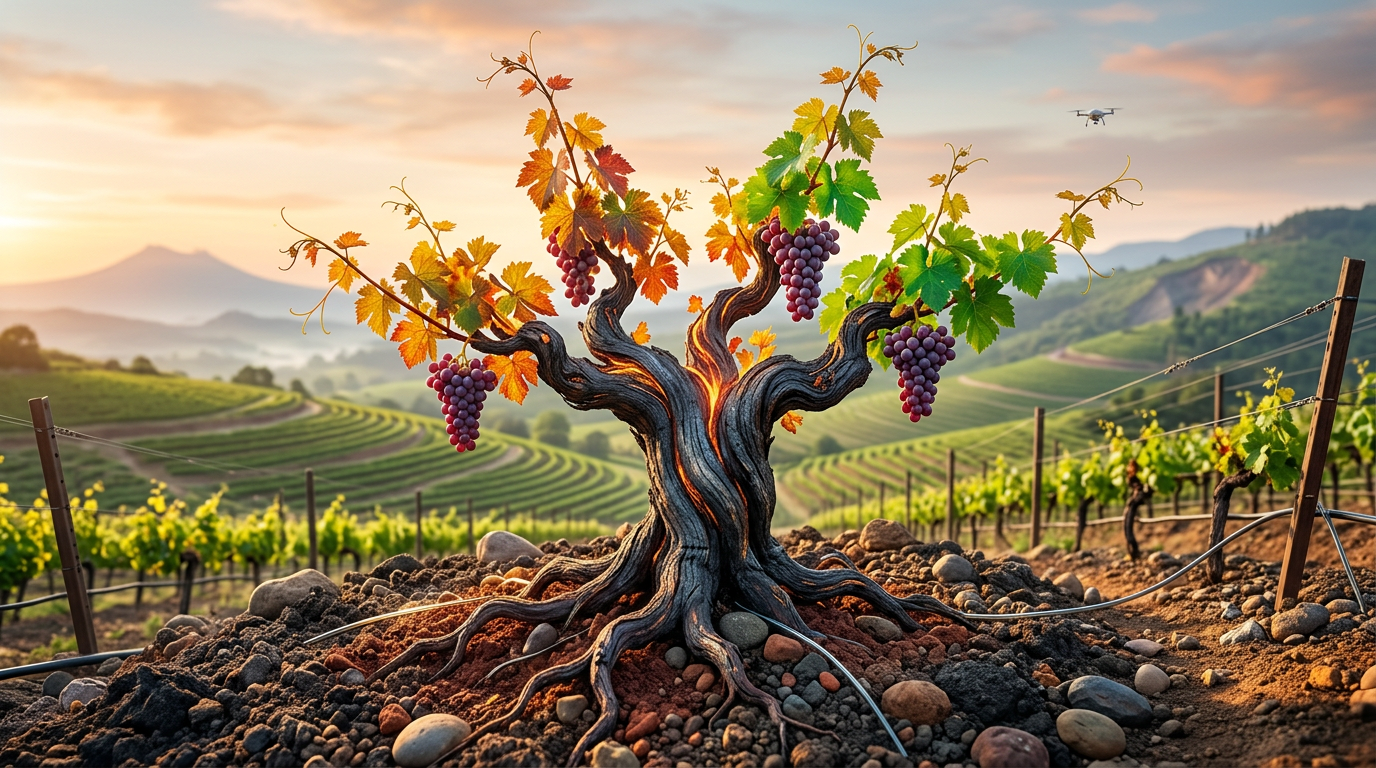
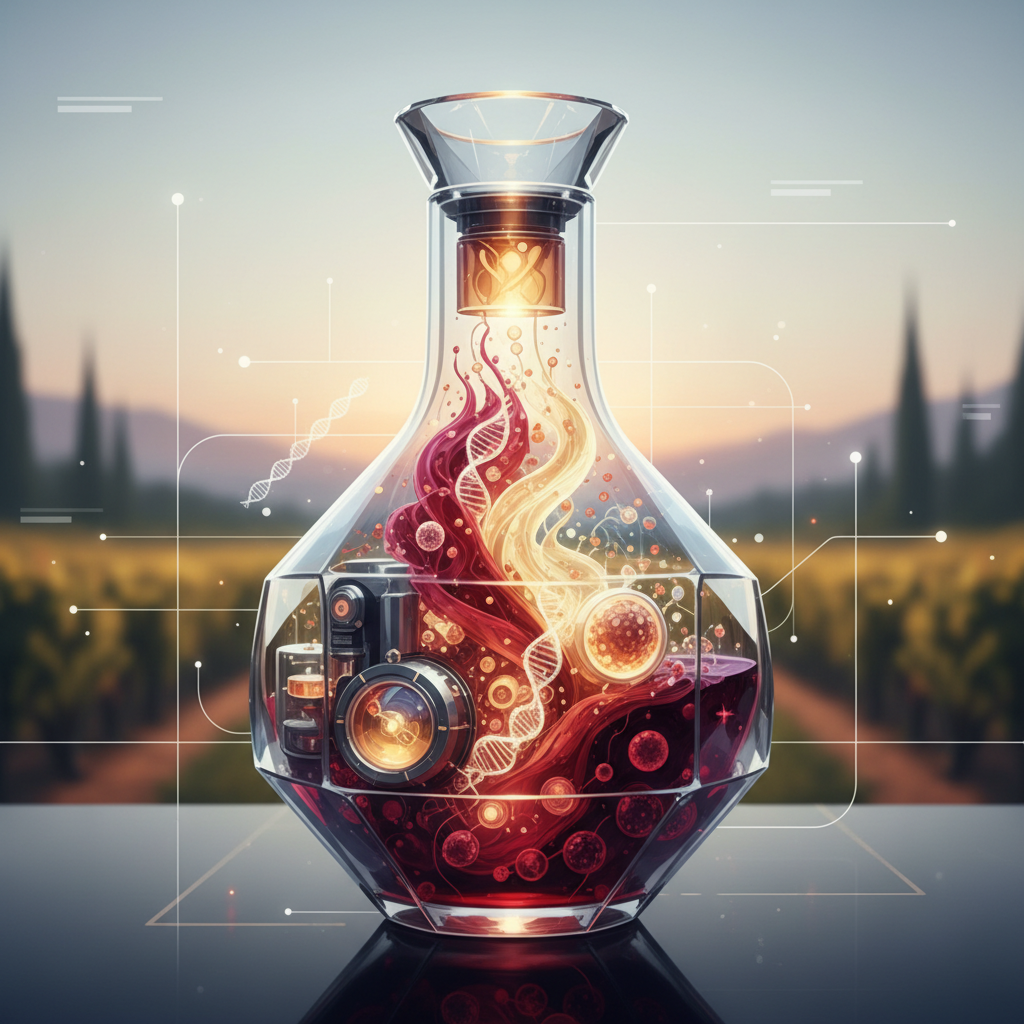
The Art of the 'Vinous Metaverse': Crafting Immersive Digital Wine Experiences for 2026
As we navigate 2026, the boundaries between the physical and digital realms continue to blur, ushering in an exciting new era for industries worldwide. For the world of wine, this convergence is manifesting as the vinous metaverse – a digital frontier where wine enthusiasts can explore, learn, and connect in unprecedented ways. This revolutionary concept is not just about virtual tastings, but a complete reimagining of how consumers interact with wine, from grape to glass, within a dynamic and engaging digital environment. Discover the art of crafting these immersive experiences.

The Art of the 'Vinous Metaverse': Crafting Immersive Digital Wine Experiences for 2026
As we navigate 2026, the boundaries between the physical and digital realms continue to blur, ushering in an exciting new era for industries worldwide. For the world of wine, this convergence is manifesting as the vinous metaverse – a digital frontier where wine enthusiasts can explore, learn, and connect in unprecedented ways. This revolutionary concept is not just about virtual tastings; it's about building comprehensive, immersive experiences that deepen our understanding and appreciation of wine, extending the rich culture and craftsmanship of viniculture into a vibrant digital space. At Greatest Wine, we believe the vinous metaverse offers an unparalleled opportunity to elevate the wine journey, making it more accessible, educational, and engaging for a global audience.
Defining the Vinous Metaverse: More Than Just Virtual Reality
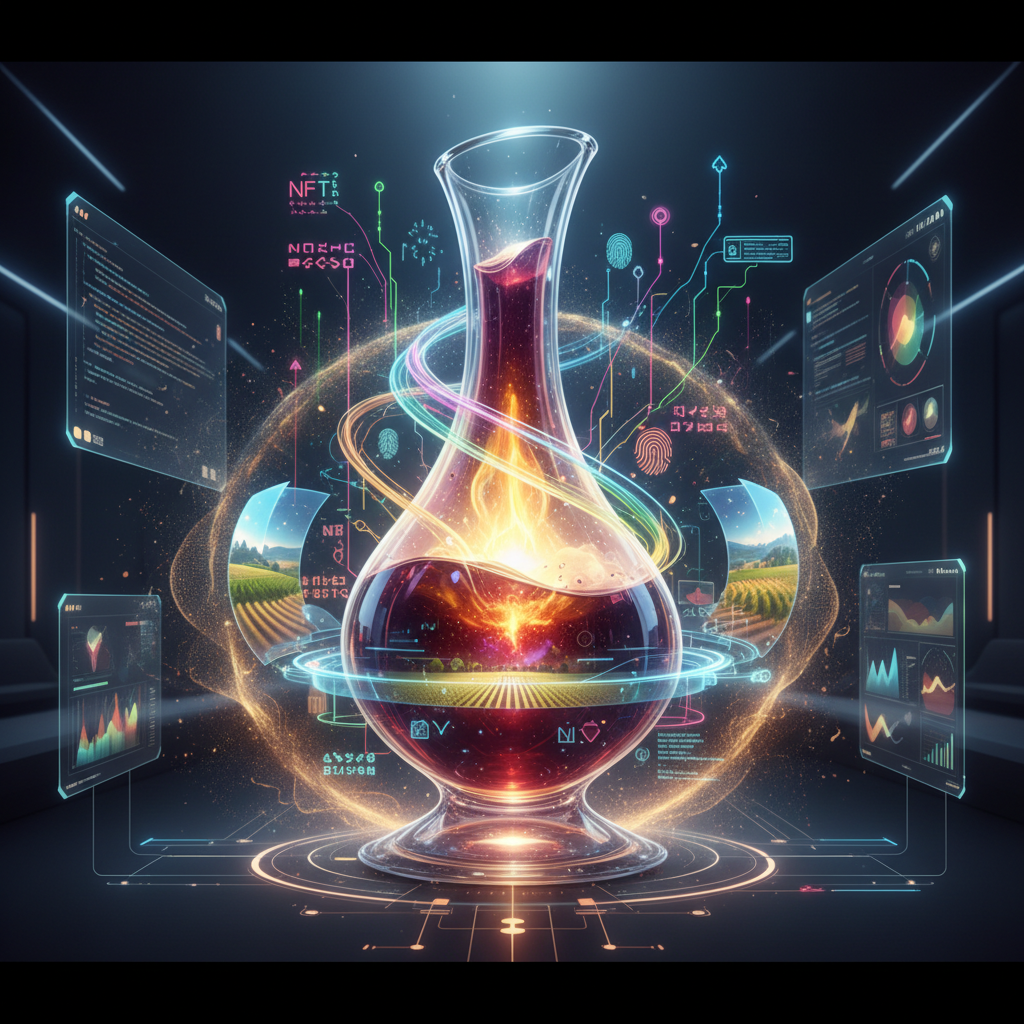
The term "metaverse" often conjures images of VR headsets and digital avatars, but the vinous metaverse encompasses a much broader spectrum. In 2026, it refers to a persistent, interconnected digital environment where users can engage with wine-related content, products, and communities in a highly interactive and often multi-sensory manner. This includes sophisticated virtual vineyard tours, interactive educational platforms, AI-driven tasting guides, and even blockchain-verified wine provenance. It's about creating a living, breathing digital ecosystem for wine, a true vinous metaverse experience.
What Constitutes a Vinous Metaverse Experience?
- Virtual Wineries and Vineyards: Immersive 3D environments allowing users to walk through vineyards, witness winemaking processes, and explore cellars from anywhere in the world.
- Interactive Wine Education: Gamified learning modules, AI sommeliers, and virtual masterclasses that teach everything from grape varietals to pairing principles. For a deeper dive into sensory perception, consider how sensory deprivation enhances wine appreciation in 2026.
- Digital Tastings and Events: Synchronized virtual tastings where participants receive physical wine samples and join a guided digital experience.
- NFTs and Digital Collectibles: Unique digital assets representing rare wines, vineyard plots, or exclusive access to events within the vinous metaverse.
- Community Hubs: Social spaces for wine lovers to connect, share notes, and discuss their passion.
The core objective is to replicate and enhance the tactile, olfactory, and intellectual pleasure of wine enjoyment through digital means, offering a new dimension to how we perceive and interact with wine within the vinous metaverse.
Crafting Immersive Experiences in the Vinous Metaverse
Creating truly compelling experiences within the vinous metaverse requires a deep understanding of both wine and cutting-edge technology. It's not enough to simply digitize existing content; the goal is to innovate and redefine what a wine experience can be. From photorealistic vineyard recreations to sophisticated haptic feedback for virtual "bottle handling," the possibilities are vast and exciting in 2026 for the vinous metaverse.
Technologies Driving Vinous Immersion
- Advanced 3D Modeling and Photogrammetry: For hyper-realistic digital reproductions of wineries, landscapes, and even wine bottles. This ties into the art of the vinous architect designing iconic wineries.
- Augmented Reality (AR): Overlaying digital information onto physical wine labels, bottles, or environments, enhancing real-world interactions.
- Virtual Reality (VR): Providing fully immersive, headset-driven experiences for vineyard tours, tasting rooms, and educational simulations.
- Haptic Feedback: Simulating touch sensations, such as the weight of a bottle or the feel of a cork, through specialized devices.
- AI and Machine Learning: Personalizing recommendations, guiding virtual tours, and even predicting flavor profiles based on user preferences, building on concepts explored in how photography and AI are capturing wine's transient beauty.
These technologies are converging to create a truly multi-sensory vinous metaverse that engages users on multiple levels, making digital interactions feel more authentic and impactful.
The Educational Power of the Vinous Metaverse
For platforms like Greatest Wine, the vinous metaverse represents an unparalleled educational tool. Imagine learning about terroir by virtually walking through the soils of Bordeaux, or understanding malolactic fermentation by observing a 3D animation within a virtual cellar. The ability to visualize complex processes and interact with abstract concepts makes wine education more intuitive and memorable within the vinous metaverse.
Enhancing Wine Education through Digital Innovation
By leveraging the interactive nature of the metaverse, we can offer:
- Interactive Sensory Training: Virtual simulations to help users identify specific aromas and flavors, linked to real-world samples.
- Global Vineyard Access: Removing geographical barriers, allowing anyone to "visit" prestigious or remote vineyards and learn from local experts. For instance, exploring the impact of micro-climates on exceptional vintages virtually.
- Personalized Learning Paths: AI-driven curricula that adapt to individual learning styles and paces, ensuring a deep understanding of wine.
- Historical and Cultural Journeys: Recreating historical wine regions or cultural festivals, bringing the rich heritage of wine to life.
The vinous metaverse is set to democratize wine knowledge, making expert-level understanding accessible to a broader audience than ever before.
Future Trends and Challenges for the Vinous Metaverse in 2026
As we look further into 2026 and beyond, the vinous metaverse is poised for explosive growth, but not without its challenges. Interoperability, standardization, and ensuring a seamless user experience across different platforms will be critical. Data privacy and the environmental impact of these digital infrastructures also warrant careful consideration. However, the potential for innovation and engagement vastly outweighs these hurdles for the vinous metaverse.
Key Trends Shaping the Vinous Metaverse
Several key trends are emerging that will define the evolution of the vinous metaverse in the coming years:
- Hyper-Personalization: AI continuously refining experiences based on individual user data, from wine recommendations to educational content. This aligns with the principles of deconstructing your genetic blueprint for wine appreciation.
- Increased Phygital Integration: A stronger blend of physical and digital, where metaverse experiences drive real-world sales and vice-versa. Think virtual tastings leading to physical bottle shipments. For insight into the current landscape, consider the role of the influencer economy and wine media in 2026.
- Decentralized Ownership: Blockchain technology providing new models for ownership of digital wine assets, from virtual land in a vineyard to limited edition NFTs. Learn more about how blockchain is revolutionizing wine traceability.
- Sustainability Focus: Metaverse platforms designed with energy efficiency in mind, promoting sustainable wine practices through digital storytelling. The role of biodynamic viticulture beyond certification remains crucial.
The vinous metaverse is not just a technological fad; it's a profound shift in how we engage with and understand wine. It promises to deepen connections, expand knowledge, and bring the rich, complex world of wine to a global digital stage, truly embodying the spirit of discovery and appreciation that Greatest Wine champions. For further exploration of digital trends in viticulture, the International Organisation of Vine and Wine (OIV) provides valuable resources, and the Wine Institute offers insights into industry advancements.
Written by
Juniper Thorne is an experienced writer and educator with a deep passion for the world of wine. Bringing expertise in sensory analysis and wine culture to the Greatest Wine platform, Juniper helps readers explore and appreciate every nuance of wine.
Related Articles
The Vinous Verse: How Wine's Spirit Inspires 2026's Poetic and Literary Masterpieces
The intricate dance between the grape and the written word has enchanted humanity for millennia. Explore the profound connection between wine and literature, from ancient musings to 2026's contemporary narratives and poetic masterpieces. Discover how the world of wine continually inspires writers.
Juniper Thorne