The Art of the 'Cognitive Cellar': How Sensory Deprivation Enhances Wine Appreciation in 2026
In 2026, wine enthusiasts are embracing the 'Cognitive Cellar' – a new approach using sensory deprivation to enhance appreciation. This innovative method focuses taste and aroma by minimizing external distractions. Learn how this trend is redefining the wine experience, allowing for deeper engagement with the nuanced complexities of each vintage. Discover the science and practice behind this exciting development in the world of oenology.

The Art of the 'Cognitive Cellar': How Sensory Deprivation Enhances Wine Appreciation in 2026
In the evolving world of wine appreciation, enthusiasts in 2026 are increasingly seeking novel ways to deepen their understanding and enjoyment of varietals. One of the most intriguing and effective methods gaining traction is sensory deprivation wine tasting. This innovative approach involves intentionally limiting certain sensory inputs – often sight – to heighten the perception of others, particularly taste and smell, thereby unlocking a more profound connection with the wine. By removing visual cues, tasters are forced to rely solely on their olfactory and gustatory senses, leading to surprisingly insightful and often transformative experiences that challenge preconceptions and enhance the subtle nuances of each pour. This method stands in contrast to how we might typically perceive wines, influenced by factors often discussed, such as the psychological impact of wine packaging.
The Science Behind Sensory Deprivation Wine Tasting
The human brain is constantly bombarded with sensory information. When it comes to wine, our eyes often play a dominant role, influencing our expectations and perceptions before the wine even touches our lips. We see the color, clarity, and viscosity, immediately forming an opinion that can prejudice our actual tasting experience.
In a sensory deprivation wine tasting, this visual bias is eliminated. The lack of sight forces the brain to reallocate cognitive resources, amplifying the input from other senses. This phenomenon is supported by neuroscientific research on cross-modal perception and sensory plasticity, touching upon concepts explored in how our brains harmonize wine flavors.
How Sight Impacts Taste Perception
- Color Association: Our brains associate certain colors with specific flavors (e.g., deep red with rich, bold flavors; pale yellow with lighter, crisper notes). This can lead to misidentification or skewed perception of wine characteristics.
- Preconceived Notions: Seeing a familiar label or a renowned region can create expectations that override objective tasting. Blind tasting, a predecessor to full sensory deprivation, has long been used by experts to combat this. The psychology of these expectations is fascinating and can be further understood by exploring the psychology of wine expectation.
- Distraction: Visual stimuli in a tasting environment, such as other people, decor, or even the shape of the glass, can divert attention from the wine itself.
By removing these visual distractions, participants in a sensory deprivation wine tasting are encouraged to truly listen to their palates and noses, discovering aromas and flavors they might otherwise overlook.
Setting Up Your Own Sensory Deprivation Wine Tasting Experience
Organizing a sensory deprivation wine tasting doesn't require elaborate equipment, but it does necessitate careful planning to ensure a truly immersive experience. The goal is to minimize distractions and maximize sensory focus.
Choosing the Right Environment and Wines
The ideal environment is a quiet, dimly lit room where participants can feel comfortable and relaxed. Remove any strong artificial scents – candles, air fresheners, or even strong perfumes – as these can interfere with wine aromas. For the wines themselves, consider a diverse selection to truly challenge the palate. Include:
- A white wine and a red wine with distinct profiles.
- A wine with a noticeable oak presence versus an unoaked style.
- A New World and an Old World example of the same grape variety.
- A "ringer" – perhaps a non-grape beverage (e.g., balsamic vinegar, black tea) diluted to wine-like consistency, or a heavily doctored wine, to test truly blind perception.
Ensure the wines are served at their optimal temperatures to allow their characteristics to shine through.
Essential Tools for a Successful Tasting
Beyond the wines, a few key items will enhance the sensory deprivation aspect:
- Blindfolds: Comfortable, opaque blindfolds are crucial. Sleep masks work well, or even scarves tied securely.
- Notebooks and Pens: Encourage participants to jot down their impressions while tasting. This avoids reliance on memory after visual cues are restored.
- Neutral Palate Cleansers: Water, unsalted crackers, or plain bread are essential between wines.
- Spittoons: Professional tasters rarely swallow all the wine, and spittoons allow for thorough analysis without alcohol impacting judgment.
The host should provide clear instructions and guide participants through the experience, ensuring safety and comfort throughout the event.
The Unveiling: Discoveries Made Through Sensory Deprivation
The moment of unveiling – when the blindfolds come off – is often the most illuminating part of a sensory deprivation wine tasting. Participants frequently express shock, amusement, and profound insights into their own palate biases.
Common revelations include misidentifying red wines as white, mistaking inexpensive wines for premium labels, or vice versa. The absence of visual cues dramatically alters initial judgments and emphasizes the importance of aroma and true taste profiles.
Challenging Preconceptions and Expanding Palates
- Overcoming Visual Bias: Many discover how heavily they rely on color to predict flavor. A deep red might taste surprisingly light, or a pale white might possess unexpected richness.
- Enhancing Olfactory Acuity: Without sight, the nose becomes extraordinarily sensitive. Subtle notes of fruit, earth, spice, or floral elements are often detected with greater clarity.
- Deepening Flavor Understanding: This approach allows tasters to focus purely on the acid, tannin, sweetness, and body of the wine, understanding how these components truly interact without external influences. This also allows for a greater focus on the individual components that contribute to the overall flavor profile, much like understanding the decoding hidden messages in wine aromas.
This experience not only enhances appreciation for the wines tasted but also recalibrates the taster's approach to all subsequent wine experiences. It’s a powerful tool for developing a more objective and refined palate in 2026.
Sensory Deprivation Wine Tasting in the Professional Sphere of 2026
While often enjoyed as a unique social activity, the principles of sensory deprivation wine tasting are increasingly being integrated into professional wine education and product development in 2026. Sommeliers, winemakers, and industry experts are recognizing its value in fostering unbiased evaluation.
Wine schools and masterclasses are incorporating blindfolded exercises to train students in objective assessment. This helps them identify wine flaws, understand regional characteristics without relying on label knowledge, and develop a more nuanced vocabulary for describing wine. A deeper understanding of global wine trends and production can also be gained through resources such as Wine Institute's research and statistics.
Applications in Winemaking and Retail
- Winemaker Innovation: Wineries are experimenting with sensory deprivation during blending trials to assess subtle differences in component wines purely on taste and aroma, leading to more innovative and balanced final products.
- Retailer Training: Wine retailers use these techniques to train staff to recommend wines based on customer preferences rather than brand prestige or visual appeal, leading to more authentic and satisfying customer experiences.
- Consumer Engagement: As part of Greatest Wine's commitment to exploring the full culture and craftsmanship of wine, we foresee more advanced sensory workshops leveraging these techniques to further engage wine enthusiasts. The evolving landscape of consumer engagement also includes advancements in AI for hyper-personalized wine experiences.
The trend towards deeper, more authentic wine appreciation means that methodologies like sensory deprivation wine tasting will only grow in prominence, moving beyond a niche curiosity to become a fundamental aspect of advanced wine education and enjoyment. For additional insights into the sensory science of wine, the Australian Wine Research Institute provides valuable resources.
Embracing the Future of Wine Appreciation
In 2026, the wine world continues to evolve, pushing boundaries not just in viticulture and winemaking, but also in how we experience and understand wine. The concept of the "Cognitive Cellar" highlights this shift towards a more introspective and analytical approach to tasting.
A sensory deprivation wine tasting is more than just a gimmick; it's a powerful methodology that strips away superficialities, allowing the true essence of the wine to emerge. It encourages us to trust our core senses and to challenge the biases that often cloud our judgment. For those interested in the broader advancements in sensory science, the academic resource ScienceDirect on Sensory Deprivation offers further reading.
Whether you're a seasoned connoisseur or just beginning your wine journey, embracing this unique tasting method can unlock new dimensions of flavor, aroma, and appreciation. It’s a profound way to connect with the craftsmanship and artistry of winemaking, fostering a deeper, more mindful relationship with every glass.
Written by
Juniper Thorne is an experienced writer and educator with a deep passion for the world of wine. Bringing expertise in sensory analysis and wine culture to the Greatest Wine platform, Juniper helps readers explore and appreciate every nuance of wine.
Related Articles
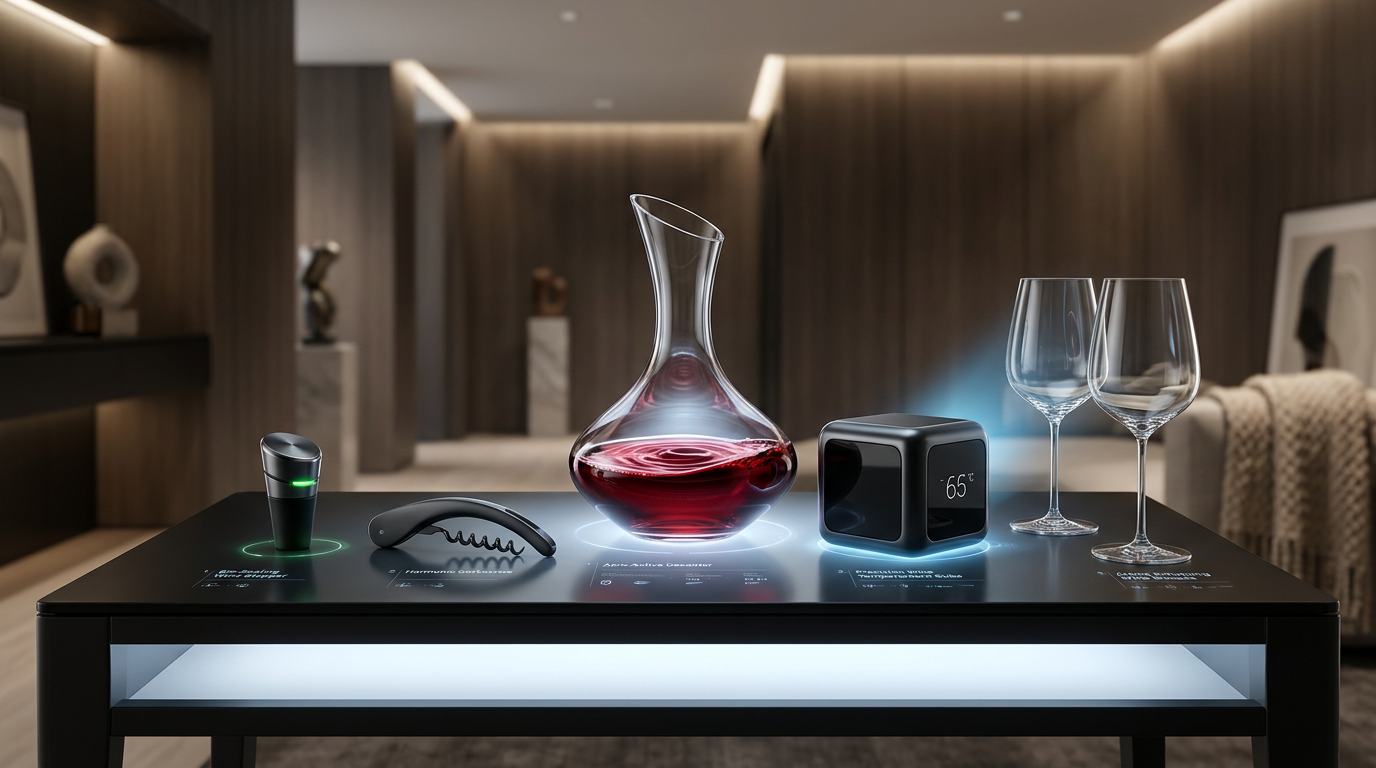
The Vinous Arsenal: Essential Tools for Elevating Your Wine Experience in 2026
As we navigate May 2026, the world of wine continues to evolve, offering enthusiasts unprecedented tools. Discover the essential wine accessories for 2026 that will elevate your enjoyment, from innovative aerators to smart preservation systems. Upgrade your vinous arsenal today with Greatest Wine.
Juniper Thorne