The Art of the 'Palate Revolution': Designing Hyper-Personalized Wine Experiences with AI in 2026
The world of wine is undergoing a profound transformation. In 2026, AI wine personalization is leading a 'Palate Revolution' by leveraging artificial intelligence to craft bespoke, hyper-personalized wine experiences. Moving beyond traditional tasting notes and mass-market recommendations, this groundbreaking technology promises to decode individual preferences like never before. Dive into the future of wine and discover how AI is reshaping how we enjoy and select our favorite vintages.

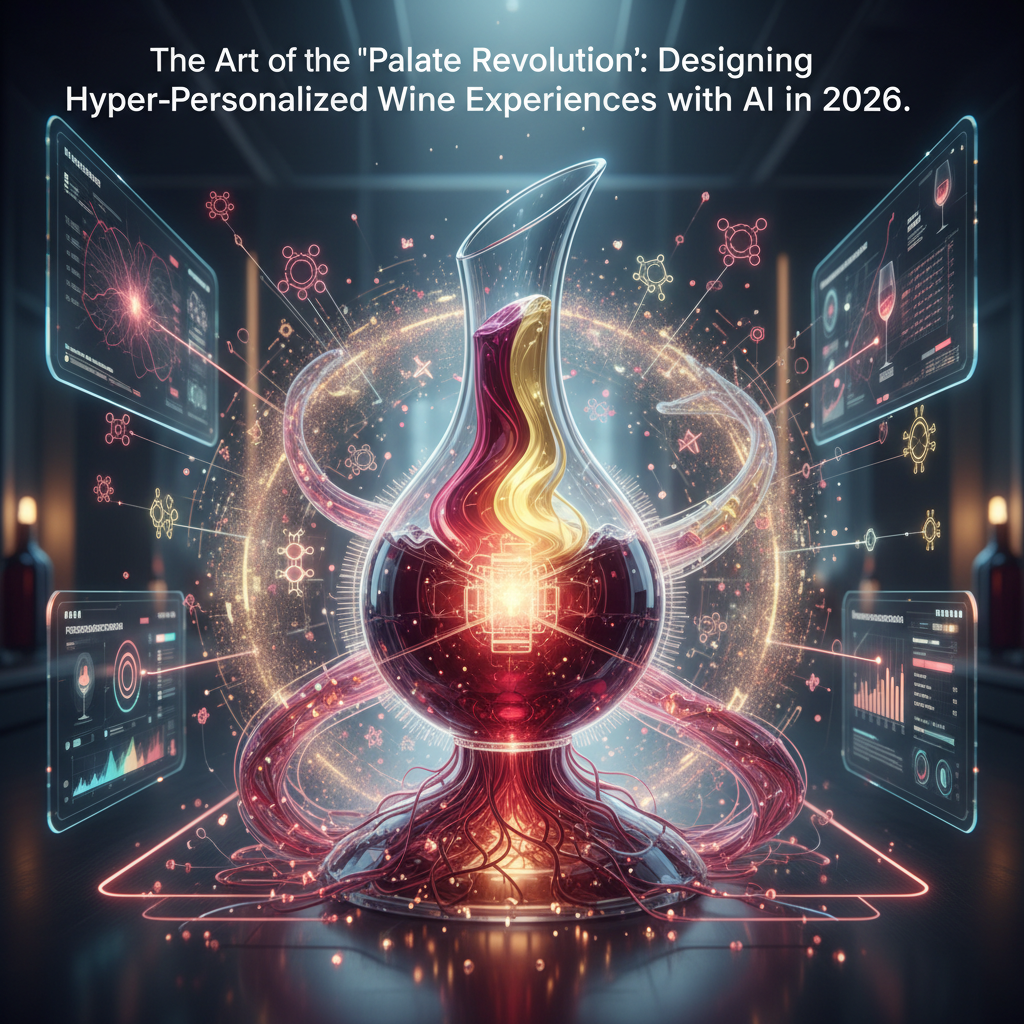
The Art of the 'Palate Revolution': Designing Hyper-Personalized Wine Experiences with AI Wine Personalization in 2026
The world of wine is undergoing a profound transformation, moving beyond traditional tasting notes and mass-market recommendations. In 2026, the forefront of this revolution is AI wine personalization, a groundbreaking approach that leverages artificial intelligence to craft bespoke wine experiences. This technology promises to decode individual palates, making sophisticated wine choices accessible and enjoyable for everyone, from novice sippers to seasoned sommeliers. Greatest Wine is dedicated to exploring how these advancements are reshaping not just how we buy wine, but how we understand and appreciate its intricate nuances, much like how wine ignites creativity and innovation.
Understanding the Mechanics of AI Wine Personalization
At its core, AI wine personalization works by analyzing a vast array of data points to predict and recommend wines that align with an individual's unique preferences. This isn't just about red or white; it delves into granular details of flavor, aroma, texture, and even personal associations. Machine learning algorithms are the engine behind this, continuously learning and refining their recommendations based on user feedback and an ever-expanding database of wine characteristics.
In 2026, these AI systems integrate real-time data from various sources, moving beyond static profiles. They can factor in the current weather, the meal being prepared, the company you're with, and even your mood, to deliver truly context-aware suggestions. This dynamic capability distinguishes modern AI wine personalization from earlier, more rudimentary recommendation engines. The careful analysis involved in this process echoes the scientific precision required to decode wine's oxidation and ageability.
Data Points Fueling Intelligent Wine Recommendations
- Taste Preferences: Analysis of user ratings on specific flavor profiles (e.g., fruity, earthy, spicy, oaky) and sensory descriptors.
- Varietal and Regional History: Tracking wines previously enjoyed or disliked, noting common grape varietals and regions.
- Purchase History: Insights into purchasing habits, including price points and frequency.
- Contextual Information: Incorporating data such as food pairings, occasions, and even current geographical location.
- Demographic and Psychographic Data: Understanding broader consumer trends and motivations, while respecting privacy.
From Taste Buds to Algorithms: The Journey of Your Palate Profile
When you interact with an AI wine personalization platform, you're essentially helping it build a digital representation of your palate. This often starts with a detailed questionnaire, and then evolves through your subsequent ratings and feedback. The more you use these systems, the more accurate and nuanced their recommendations become. Imagine an AI learning that you appreciate the subtle notes of tobacco in an aged Bordeaux but dislike overt jamminess in a Zinfandel – this level of detail is becoming commonplace, much like decoding hidden messages in wine aromas.
The Impact of AI Wine Personalization on the Consumer Experience
For the average wine enthusiast, AI wine personalization translates into less guesswork and more enjoyment. No longer do you need to pore over cryptic tasting notes or solely rely on a sommelier's often subjective opinion. The AI acts as a sophisticated, ever-learning personal guide, helping you discover new wines that genuinely resonate with your specific taste.
This personalized approach extends to various facets of the wine journey. From selecting the perfect bottle for a special occasion to discovering obscure varietals from emerging regions, AI is democratizing access to complex wine knowledge. It empowers consumers to explore with confidence, fostering a deeper, more engaging relationship with wine, similar to how art and experience map the human connection to wine.
Democratizing Wine Knowledge and Exploration
One of the most significant benefits is the breakdown of traditional barriers to wine exploration. Beginners often find the vastness of the wine world intimidating. AI wine personalization provides an accessible entry point, guiding them through a tailored selection that is guaranteed to appeal, thereby building confidence and encouraging further exploration. This is particularly valuable for those looking to understand concepts like aroma wheels, body, acidity, and finish, as the AI can explain why a recommended wine embodies certain characteristics. This also ties into the broader discussion of mastering the psychology of wine expectation.
Enhancing Wine and Food Pairings with AI
Beyond individual bottle recommendations, AI is revolutionizing wine and food pairing. Instead of generic "red meat with red wine" advice, advanced AI systems can suggest specific wine styles to complement a nuanced dish. Consider a delicate pan-seared sea bass with a lemon butter sauce – an AI could suggest a high-acid, mineral-driven Sauvignon Blanc or a crisp Pinot Grigio, explaining precisely why these choices create a harmonious culinary experience. This elevates both everyday meals and fine dining occasions. For a deeper dive into optimal food and wine pairings, Wine Folly's pairing guide offers valuable insights that AI can build upon.
Innovations and Future Trends in AI Wine Personalization for 2026
The field of AI wine personalization is rapidly evolving. In 2026, we are seeing the integration of bio-sensory feedback and advanced analytics to further refine recommendations. Wearable technology, for instance, could potentially measure real-time physiological responses to wine, offering an entirely new layer of personalization data. Think about an AI detecting a subtle positive physiological reaction to a particular aroma compound and using that to inform future suggestions.
Another exciting trend is the development of hyper-local recommendations. AI systems are increasingly factoring in the availability of wines in specific retail locations, offering immediate, actionable suggestions rather than abstract ones. This bridges the gap between desire and acquisition, making the personalized experience seamless from discovery to purchase.
The Role of Augmented Reality and Virtual Sommelier Assistants
Envision walking into a wine shop and, through an augmented reality (AR) app, instantly seeing personalized recommendations highlighted on bottles around you. Or having a virtual sommelier assistant, powered by AI wine personalization, guide you through a tasting by analyzing your real-time reactions and offering educational insights. These futuristic scenarios are becoming increasingly feasible, enhancing the interactive nature of wine discovery. Similar advancements are also shaping the vinous metaverse and digital wine experiences.
Sustainability and Ethical Considerations in AI-Powered Wine Choices
As AI wine personalization becomes more sophisticated, it will also play a role in promoting sustainable wine choices. AI can recommend wines from producers employing organic or biodynamic practices, or those with a lower carbon footprint, aligning consumer preferences with ethical values. Addressing data privacy and algorithmic bias remains crucial, ensuring that personalization is inclusive and respects individual choices without undue influence. For more on ethical AI development, the IBM Research Blog on Ethical AI Principles provides valuable context.
Designing a Deeper Connection: AI and the Culture of Wine
At Greatest Wine, we believe that technology should augment, not replace, the rich culture and craftsmanship inherent in wine. AI wine personalization, when thoughtfully implemented, can deepen our appreciation. By removing the intimidation factor and guiding us to wines we genuinely love, AI allows us to focus on the stories behind the bottle—the terroir, the winemaker's philosophy, the history of the region. It can inspire curiosity, leading individuals to learn more about viticulture, winemaking techniques, and global wine trends.
This personalized journey can transform passive consumption into an active, educational, and profoundly enjoyable experience. It encourages users to delve into tasting notes, understand sensory analysis, and even participate in wine festivals and vineyard events with a more informed and refined palate. The goal is not just to recommend a wine, but to foster a lifelong love affair with the beverage, underpinned by knowledge and personal connection.
AI as a Catalyst for Wine Education and Appreciation
For beginners and experienced enthusiasts alike, AI can act as a powerful educational tool. It can explain why certain wines pair well with specific dishes, describe the nuances of different grape varietals, and even provide insights into the fermentation process. This constant stream of tailored information transforms every tasting into a learning opportunity, making the complex world of wine more accessible and engaging. The platform Greatest Wine aims to integrate such educational insights, enhancing the value of every personalized recommendation. This parallels the growing importance of personal branding and online influence for sommeliers in 2026.
The Future: A Symphony of Human Expertise and AI Precision
Ultimately, the future of AI wine personalization is not about replacing the sommelier or the winemaker, but about augmenting their expertise with unprecedented data analysis. It’s a powerful collaboration where human judgment and passion are enhanced by the precision and scale of artificial intelligence. This synergy promises a future where every wine experience is uniquely memorable, perfectly tailored, and deeply enriching for wine lovers across the globe. For similar discussions on the evolution of wine technology, delve into insights from Decanter's exploration of wine tech trends.
Written by
Juniper Thorne is an experienced writer and educator with a deep passion for the world of wine. Bringing expertise in sensory analysis and wine culture to the Greatest Wine platform, Juniper helps readers explore and appreciate every nuance of wine.
Related Articles
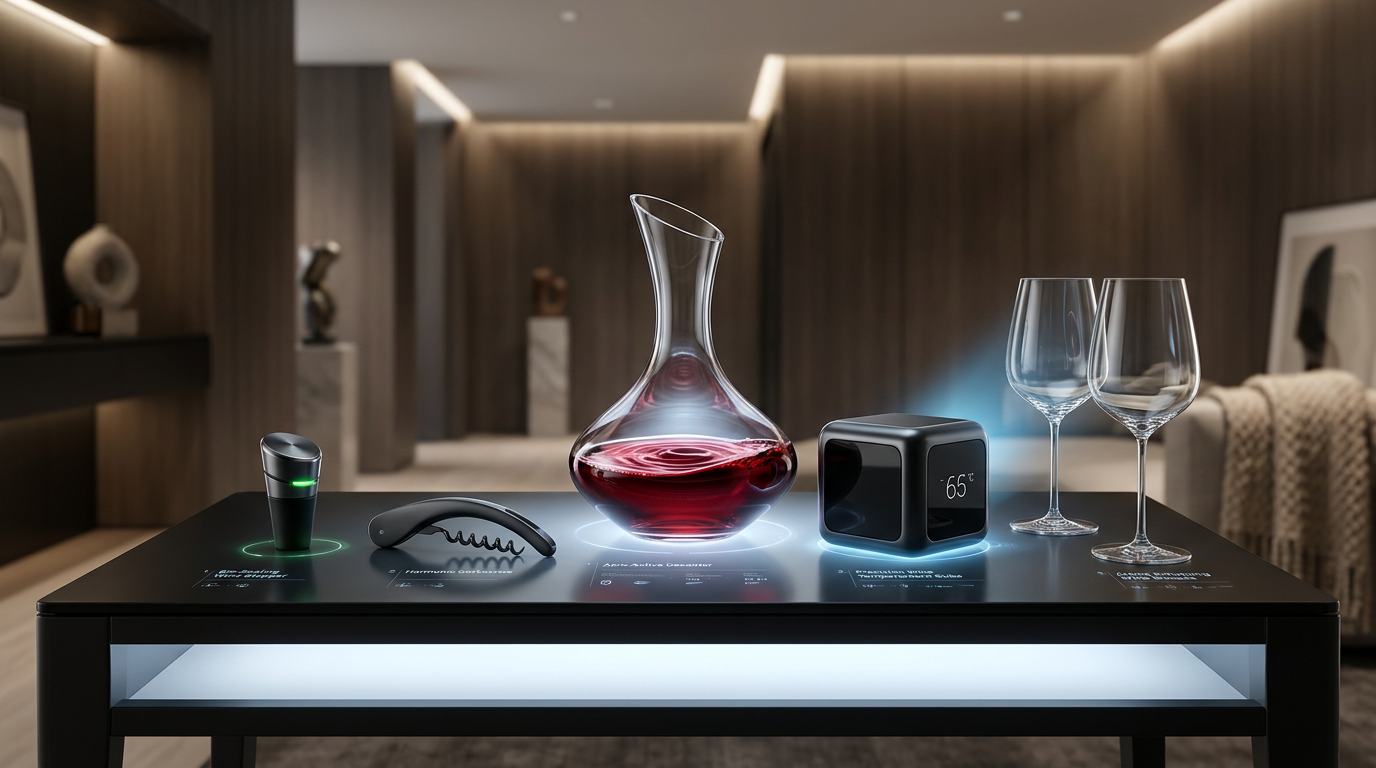
The Vinous Arsenal: Essential Tools for Elevating Your Wine Experience in 2026
As we navigate May 2026, the world of wine continues to evolve, offering enthusiasts unprecedented tools. Discover the essential wine accessories for 2026 that will elevate your enjoyment, from innovative aerators to smart preservation systems. Upgrade your vinous arsenal today with Greatest Wine.
Juniper Thorne