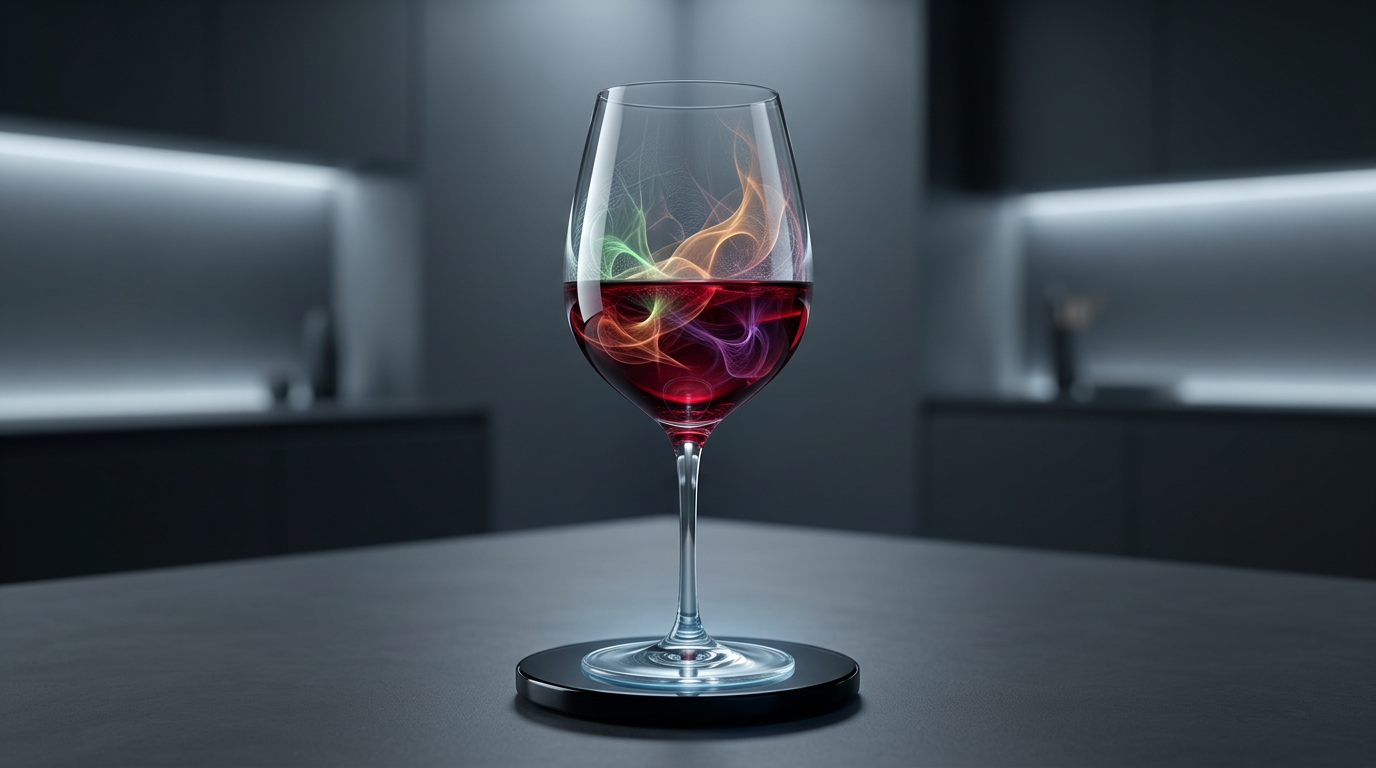
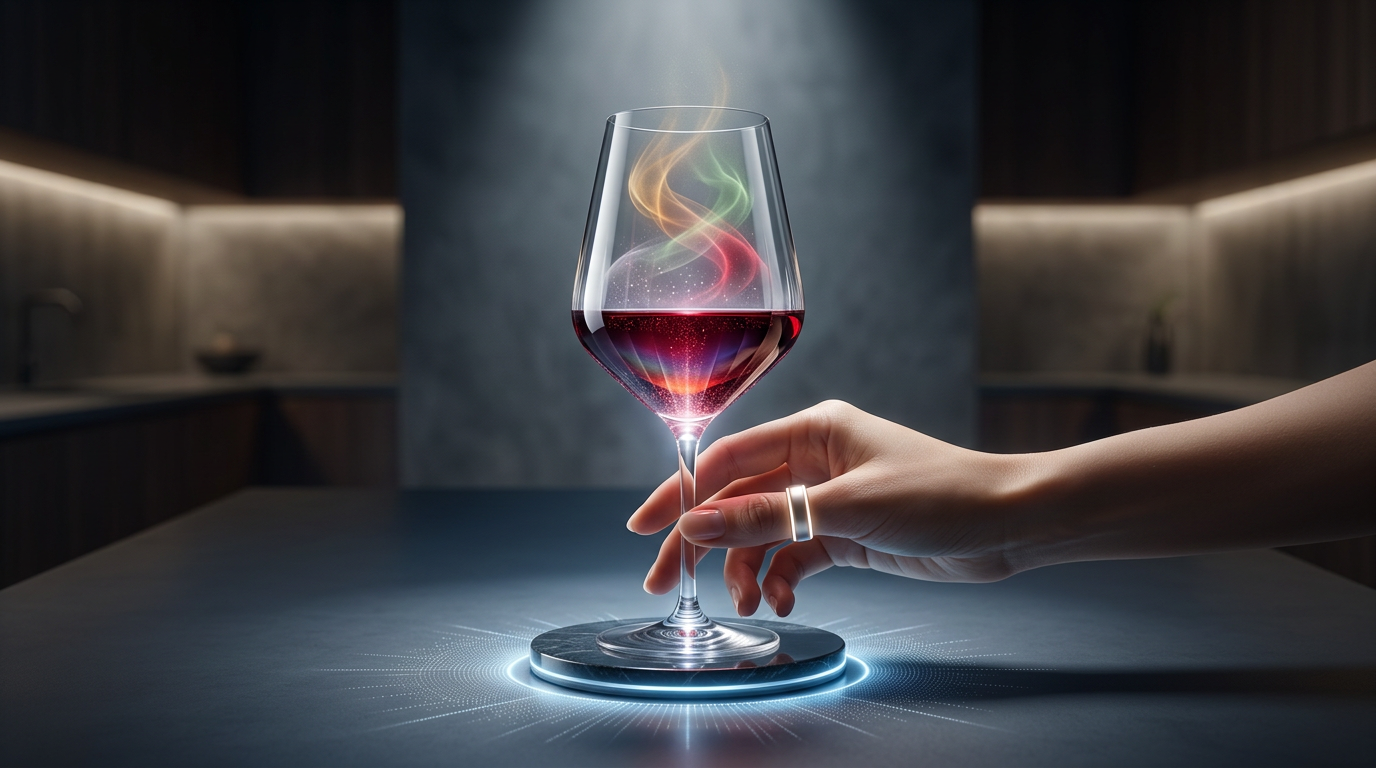
The Art of the 'Cognitive Blend': How Our Brains Harmonize Wine Flavors in 2026
The intricate journey from grape to glass culminates in a sensory experience unlike any other, and at its heart lies the fascinating field of wine flavor perception neuroscience. Understanding how our brains transform a complex liquid into a tapestry of aromas, tastes, and textures is central to truly appreciating wine. In 2026, research continues to unveil the secrets of this 'cognitive blend,' offering new insights into why we perceive wine flavors the way we do.

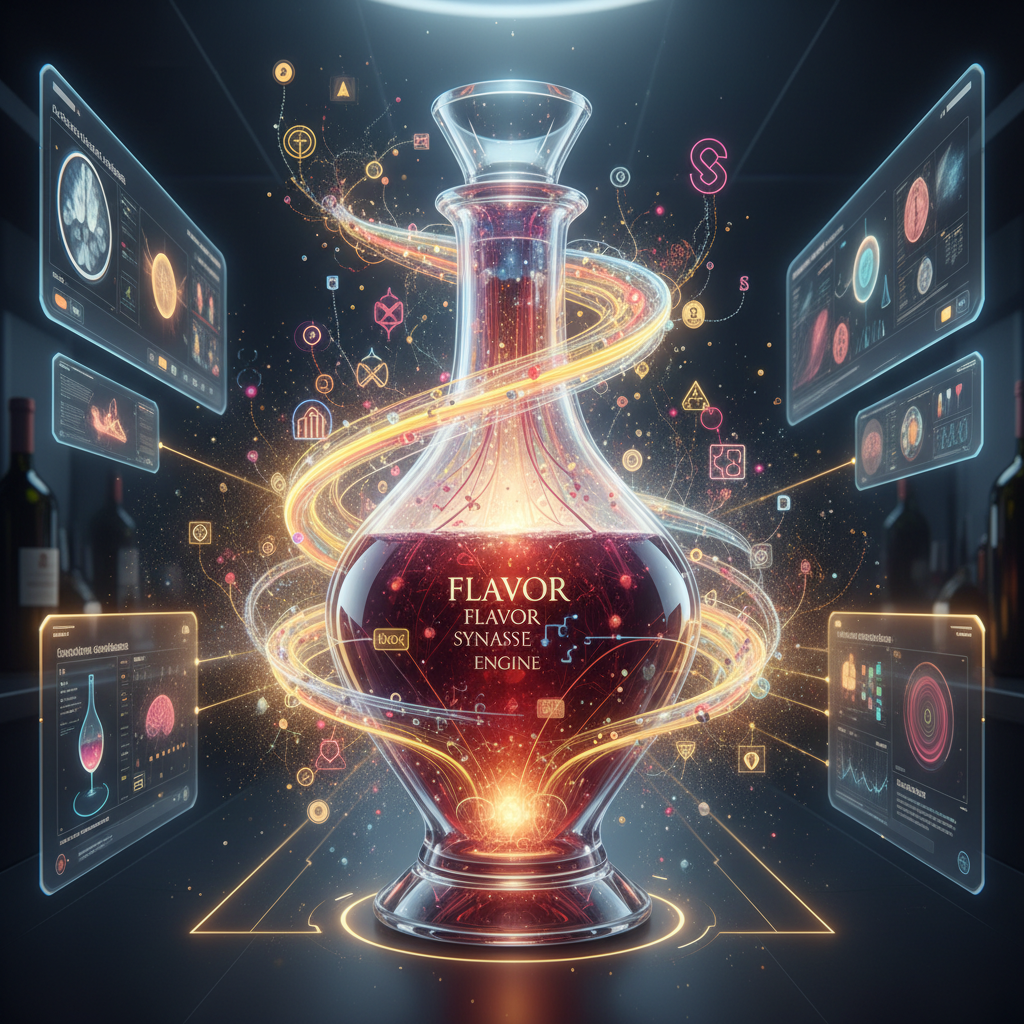
The Art of the 'Cognitive Blend': How Our Brains Harmonize Wine Flavors in 2026 – A Deep Dive into Wine Flavor Perception Neuroscience
The intricate journey from grape to glass culminates in a sensory experience unlike any other, and at its heart lies the fascinating field of wine flavor perception neuroscience. Understanding how our brains transform a complex liquid into a tapestry of aromas, tastes, and textures is central to truly appreciating wine. In 2026, research continues to unveil the sophisticated neural mechanisms that allow us to perceive and interpret the myriad flavor compounds found in wine, revealing a profound interplay between our senses, our biology, and our cognitive processes.
The Foundations of Wine Flavor Perception Neuroscience: Beyond Taste Buds
While commonly associated with the tongue, taste is just one component of flavor. The rich tapestry of notes we detect in a fine vintage is a multisensory phenomenon. Olfaction, touch (mouthfeel), and even vision play crucial roles, all integrated by the brain into a cohesive experience.
Imagine swirling a glass of Cabernet Sauvignon. The aroma hits first, then the liquid touches your palate, and finally, the aftertaste lingers. Each step involves a cascade of neural signals, interpreted and blended in real-time. This dynamic process is what makes wine flavor perception neuroscience such a captivating area of study. For a deeper dive into how expectations shape these perceptions, explore The Art of the 'Cognitive Vintage': Mastering the Psychology of Wine Expectation in 2026.
The Olfactory System: The Dominant Player in Wine Aroma
The human sense of smell is incredibly sophisticated, capable of discerning thousands of distinct odors. For wine, this is paramount. Volatile aromatic compounds, released both retronasally (from the mouth up to the nasal cavity) and orthonasally (directly through the nostrils), bind to specialized receptors in our olfactory epithelium.
- Orthonasal Olfaction: The initial sniff of a wine, revealing primary aromas from the grapes and secondary aromas from fermentation.
- Retronasal Olfaction: The "flavor" experienced when wine is in the mouth. As we swallow, volatile compounds travel up to the olfactory bulb, contributing significantly to our overall perception. This is where primary tastes like sweet or sour merge with specific fruit or earthy notes.
Advanced imaging techniques in 2026 continue to map the precise neural pathways involved, showing how the olfactory bulb relays information to the piriform cortex, amygdala, and hippocampus, linking smells to memory and emotion – crucial for appreciating the narrative of a wine. Understanding these aromatic complexities can even lead to Decoding Hidden Messages in Wine Aromas for 2026.
Gustation: The Five Basic Tastes and Beyond
Our taste buds detect five primary tastes: sweet, sour, salty, bitter, and umami. In wine, these contribute to balance and structure.
- Sweetness: Primarily from sugars, though residual sweetness can be perceived even in dry wines due to other compounds.
- Sourness: Attributed to acids (tartaric, malic, lactic, citric), providing freshness and structure.
- Bitterness: Often from tannins, particularly in red wines, contributing to complexity and aging potential.
- Umami: Less common as a dominant taste in wine, but certain aged wines, especially those involving yeast autolysis (e.g., Champagne), can exhibit umami notes.
The interaction between these tastes, as perceived through the intricate mechanisms of wine flavor perception neuroscience, dictates a wine's overall harmony.
The Cognitive Blend: How the Brain Integrates Sensory Input for Wine Flavor Perception Neuroscience
The 'cognitive blend' is where the magic happens. It's the brain's remarkable ability to take disparate sensory signals – smell, taste, touch, vision – and fuse them into a singular, unified perception of wine flavor. This isn't just a simple addition of inputs; it's a sophisticated, dynamic integration that often involves cross-modal interactions.
For example, the color of a red wine (visual input) can influence our perception of its sweetness or fruit intensity, even before we taste it. Similarly, the texture (mouthfeel) – whether velvety, astringent, or crisp – profoundly impacts how we perceive acidity and body. This complex integration is a cornerstone of modern wine flavor perception neuroscience studies. The very design of wineries can even influence this perception, as explored in The Art of the Vinous Architect.
The Role of Expectation and Memory
Our past experiences, cultural background, and even the label on the bottle can significantly influence our perception of wine flavor. This top-down processing demonstrates the powerful influence of cognitive factors. If we expect a wine to be exquisite, our brain might interpret its nuances more favorably.
Memory plays a vital role too. The ability to recall specific aromas (e.g., "this reminds me of blackcurrant") or relate a wine to a particular experience enriches the overall tasting. These memories are stored and retrieved from various brain regions, contributing to the context and enjoyment of the wine.
Neural Correlates of Flavor Integration
Recent advancements in fMRI and EEG technology in 2026 allow scientists to observe brain activity during wine tasting. Studies show intense activity in several cortical areas, including the orbitofrontal cortex, insula, and anterior cingulate cortex, all working in concert to integrate olfactory, gustatory, and somatosensory information. This intricate network is at the core of wine flavor perception neuroscience, illustrating how a unified flavor perception emerges from distributed neural processes. For more scientific insights into brain function related to taste, consider resources like the Journal of Neuroscience.
The Neuroscience of Mouthfeel and Trigeminal Sensations
Beyond taste and smell, mouthfeel is a critical component of wine appreciation. These sensations are detected by the trigeminal nerve, which innervates the oral and nasal cavities.
- Astringency: The drying, puckering sensation often caused by tannins, particularly in young red wines.
- Viscosity: The perceived "body" or thickness of a wine, influencing how it coats the mouth.
- Pungency/Irritation: Less common, but some compounds, like ethanol, can trigger a slight burning sensation at higher concentrations.
- Coolness: The refreshing sensation, often associated with higher acidity or certain volatile compounds.
These trigeminal sensations are not just background noise; they are integral to the overall flavor profile and quality assessment of a wine. The brain integrates these inputs seamlessly with taste and aroma to form a complete sensory picture, demonstrating the holistic nature of wine flavor perception neuroscience. Research from institutions like the Monell Chemical Senses Center often features studies on these complex interactions.
How to Enhance Your Wine Flavor Perception in 2026
Understanding the neuroscience behind wine flavor isn't just for scientists; it can profoundly enhance your tasting experience. By consciously engaging your senses and knowledge, you can deepen your appreciation.
- Engage Your Olfactory System: Take multiple sniffs, both before and during tasting. Try to identify individual aromas.
- Practice Retronasal Smelling: Pay attention to the flavors that develop as you hold the wine in your mouth and as you swallow.
- Focus on Mouthfeel: Notice the texture, weight, and any astringency or creaminess.
- Be Mindful of Context: Consider the wine's vintage, region, and food pairing; these external factors can subtly influence your perception.
- Train Your Palate: Regular tasting, coupled with conscious effort to identify specific notes, strengthens neural pathways involved in flavor perception. Using aroma kits or structured tasting exercises can be highly beneficial. For an even more intense experience, consider exploring concepts like The Art of the 'Cognitive Cellar': How Sensory Deprivation Enhances Wine Appreciation in 2026.
By actively engaging with the rich science of wine flavor perception neuroscience, enthusiasts can unlock a more profound and rewarding relationship with every glass. For further information on the scientific community's work in this domain, a visit to the Center for Brain and Cognition at UC San Diego might be enlightening.
Written by
Juniper Thorne is an experienced writer and educator with a deep passion for the world of wine. Bringing expertise in sensory analysis and wine culture to the Greatest Wine platform, Juniper helps readers explore and appreciate every nuance of wine.
Related Articles
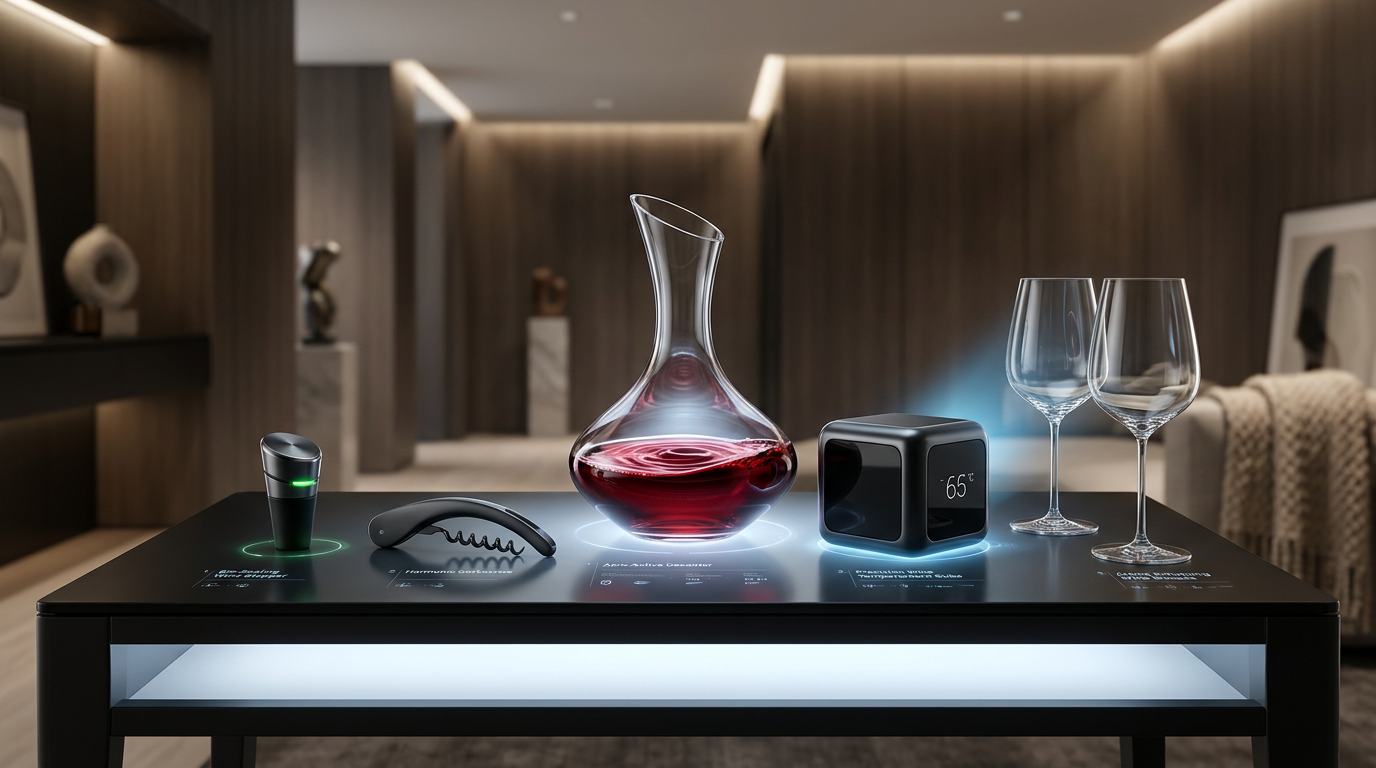
The Vinous Arsenal: Essential Tools for Elevating Your Wine Experience in 2026
As we navigate May 2026, the world of wine continues to evolve, offering enthusiasts unprecedented tools. Discover the essential wine accessories for 2026 that will elevate your enjoyment, from innovative aerators to smart preservation systems. Upgrade your vinous arsenal today with Greatest Wine.
Juniper Thorne