The Art of the 'Vinous Echo': Tracing the Enduring Influence of Historic Climate Shifts on 2026's Old Vine Wines
The world of wine is a tapestry woven with threads of terroir, tradition, and time. Amongst these, the concept of historic climate wine stands as a profound testament to the subtle yet significant imprint left by past weather patterns on the very character of the wines we enjoy today. As we delve into the complexities of old vine wine in 2026, understanding this 'vinous echo' is crucial. This article traces the enduring influence of these climate shifts on the quality and profile of aged vintages.


The Art of the 'Vinous Echo': Tracing the Enduring Influence of Historic Climate Wine Shifts on 2026's Old Vine Wines
The world of wine is a tapestry woven with threads of terroir, tradition, and time. Amongst these, the concept of historic climate wine stands as a profound testament to the subtle yet significant imprint left by past weather patterns on the very character of the wines we enjoy today. As we delve into the complexities of old vine wines in 2026, understanding how historical climate shifts shape their 'vinous echo' becomes not just an academic exercise, but a key to unlocking deeper appreciation for every pour. This article will explore the enduring legacy of historic climate wine on viticulture, particularly focusing on how these past influences manifest in the exceptional quality of old vine wines.
Understanding the Climate's Hand in Old Vine Development
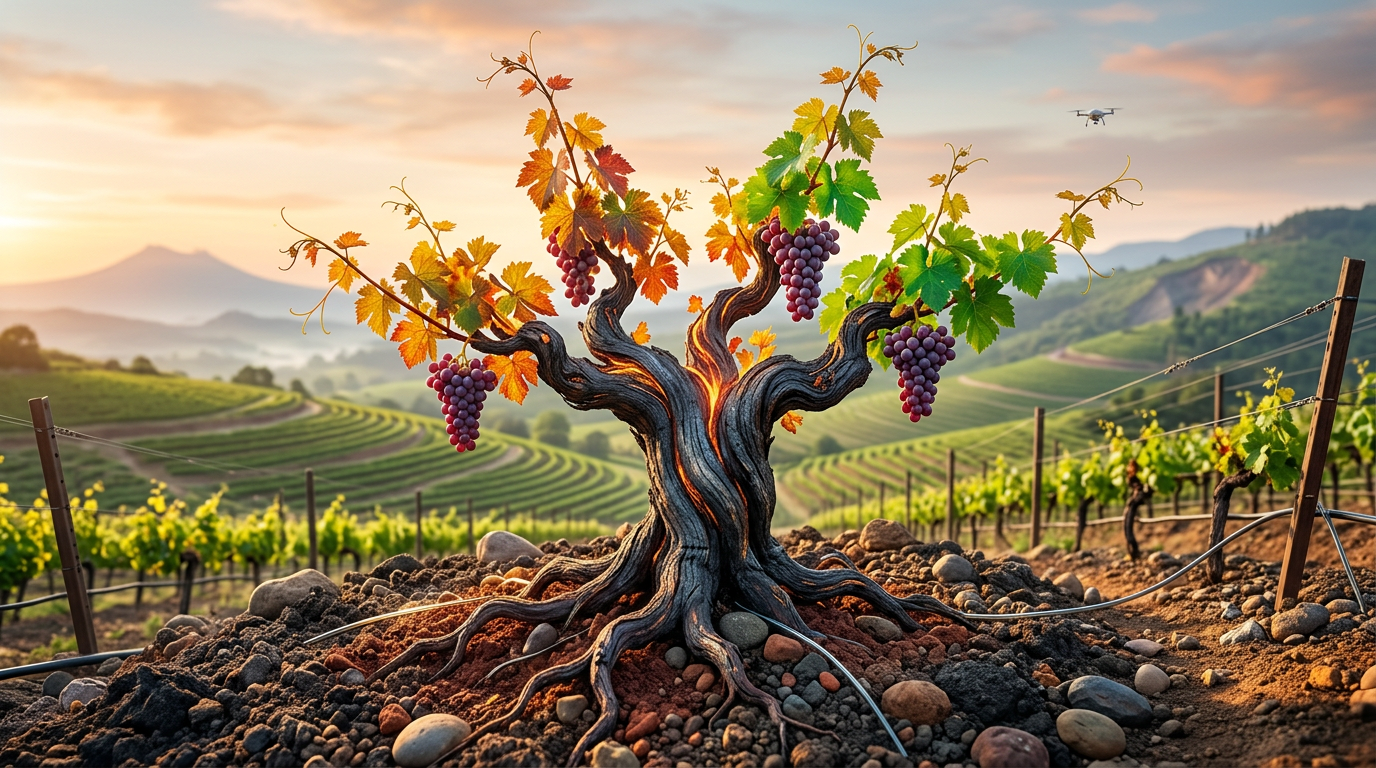
Old vines, by their very nature, are living archives. They have witnessed decades, sometimes even centuries, of changing weather, evolving ecosystems, and human intervention. Each year's growing season contributes to their physiological memory, influencing root development, canopy structure, and, ultimately, grape composition. This long-term interaction with the environment is what defines the character of historic climate wine.
The resilience of old vines in adapting to varying conditions is remarkable. Their deep root systems allow them to access water and nutrients from deeper soil layers, making them less susceptible to superficial droughts or sudden downpours compared to younger vines. Consequently, this inherent strength contributes significantly to the unique concentration and complexity found in wines made from these venerable plants, truly embodying the essence of historic climate wine.
The Long-Term Impact of Rainfall and Temperature
- Rainfall Variability: Historically, periods of intense rainfall followed by drought have forced old vines to develop extensive root networks. This historical adaptation means they are better equipped to handle the increasingly unpredictable weather patterns observed in 2026. Less water stress translates to more balanced ripening.
- Temperature Extremes: Vineyards have experienced various degrees of heatwaves and cold snaps. Old vines that survived these past extremities possess genetic predispositions or acquired resistances that allow them to continue producing quality fruit, even under challenging current conditions. This resilience is a hallmark of truly exceptional historic climate wine.
Soil Memory and Nutrient Cycling
The soil itself acts as a historical record, accumulating organic matter and mineral deposits over time. The interaction between old vine roots and this established soil structure is complex. Furthermore, past climatic events, such as prolonged dry spells or periods of heavy erosion, have shaped the soil's composition. Old vines, having grown through these changes, have adapted to extract specific nutrients, contributing to the distinctive mineral notes often found in their wines. This intimate relationship among vine, soil, and historical climate is crucial for the identity of any historic climate wine.
The Vinous Echo: How Historic Climate Wine Influences Flavor Profiles
The term 'vinous echo' perfectly encapsulates how past climate conditions resonate in the sensory experience of a wine. For old vine wines, these echoes are particularly pronounced, manifesting in depth, complexity, and age-worthiness that often surpass those of younger vine counterparts. This is the true essence of historic climate wine.
Consider a vintage from 2026 produced from vines that experienced a particularly cool, wet summer in the late 1990s and then a series of hot, dry years in the 2010s. The vine’s physiological response to those earlier conditions – perhaps slower sugar accumulation, higher acidity retention, or a specific ripening sequence – has subtly set the stage for its current metabolic processes. Therefore, these historical adaptations are woven into the very fabric of the vine's DNA and its yearly production, contributing to the unique character of historic climate wine.
Phenolic Ripeness and Tannin Structure
Optimal phenolic ripeness, crucial for color, flavor, and texture in red wines, is a delicate balance influenced by the entire growing season. Historical climate conditions, particularly sunlight exposure and temperature at various stages, affect the synthesis and polymerization of tannins. In old vines, these compounds often appear more refined and integrated, reflecting decades of consistent, albeit varied, environmental exposure. Ultimately, this contributes to the smooth, elegant tannin structure prized in aged historic climate wine.
Acidity and Balance
Maintaining vibrant acidity while achieving full phenolic ripeness is a winemaker's perennial challenge, especially with increasing global temperatures. Old vines often show a remarkable ability to retain acidity, even in warmer vintages. This phenomenon can be partly attributed to their deep root systems, which access cooler, more stable soil temperatures, and their greater physiological regulation developed over many growing cycles. The resulting balance between fruit concentration and acidity is a hallmark of high-quality old vine historic climate wine, providing longevity and freshness.
Climate Change and the Future of Old Vine Historic Climate Wine
As we navigate the realities of climate change in 2026, the discussion around old vines takes on new urgency. While these venerable plants demonstrate remarkable resilience, even they are not immune to the accelerating pace of environmental shifts. Understanding their historical adaptability provides crucial insights into strategies for future viticulture and the continued production of exceptional historic climate wine.
Winemakers are increasingly turning to traditional knowledge and historical vineyard practices to buffer the impacts of modern climate challenges. This often involves reducing irrigation where possible, adopting regenerative agricultural practices to improve soil health, and selecting rootstocks that offer better drought or heat resistance, effectively leveraging the lessons learned from centuries of viticultural history. This approach is supported by organizations like the International Organisation of Vine and Wine (OIV), which actively promotes sustainable viticultural practices globally.
Preserving Genetic Diversity
The survival of old vines represents a vital genetic resource. Many old vineyards are planted with massal selections, meaning they contain a diverse array of genetic material adapted to their specific microclimates. This genetic diversity, a product of historical vineyard development, is invaluable in the face of a changing climate. It offers a broader spectrum of characteristics that might prove beneficial for future generations of vines, ensuring the continuation of historic climate wine traditions.
- Identification of heat-tolerant clones from existing old vines.
- Research into 'ancestral' grape varieties that historically thrived in extreme conditions.
- Establishing germplasm banks to preserve unique genetic material.
Adapting Vineyard Management for Longevity
Vineyard management for old vines in 2026 is a careful balancing act. Pruning techniques might be adapted to provide more shade for grape clusters, preventing sunburn. Leaf pulling could be precisely managed to balance photosynthesis with fruit protection. Furthermore, cover cropping becomes even more critical for moisture retention and soil temperature regulation. These adjustments are all geared towards supporting the vine's natural resilience, honed over decades of adapting to past climates, enabling it to continue producing exceptional historic climate wine.
The focus is gradually shifting from solely maximizing yield to ensuring vine health and sustainable production, especially for these irreplaceable assets. Importantly, the long-term perspective of old vine viticulture naturally aligns with the pressing need for climate-resilient farming. For more information on climate change impacts on viticulture, resources like the Intergovernmental Panel on Climate Change (IPCC) provide invaluable data and reports.
Connecting Terroir, History, and the Sensory Experience of Historic Climate Wine
Ultimately, appreciating historic climate wine from old vines is about connecting with a deeper narrative. Each bottle tells a story not just of a single vintage, but of the cumulative climatic experiences of the vineyard over decades. When tasting such a wine, one is not merely assessing current flavors and aromas, but also sensing the echoes of past summers and winters that shaped its very essence.
For wine enthusiasts and professionals alike, this understanding enriches the tasting experience significantly. Identifying the characteristic concentration, complexity, and unique mineral nuances often found in old vine wines becomes a journey through time and terroir. It encourages a more thoughtful consumption, fostering a greater respect for the land and the endurance of these magnificent plants, and the unique qualities of historic climate wine.
Tasting Notes: Decoding the Climatic Footprint
When approaching an old vine wine, particularly one with a known history of climatic variations:
- Observe the color: Rich, deep hues can indicate balanced ripening over several decades.
- Assess the aroma: Tertiary aromas (leather, tobacco, forest floor) suggest bottle age, but also reflect the slow, steady development of compounds influenced by long-term vine health.
- Evaluate the palate: Look for seamless integration of tannins, sustained acidity, and a long, complex finish – these are often signs of a vine that has harmonized with its environment over many varied growing seasons.
The focus is on how the vine adapted to its entire lifespan’s worth of weather, not just the conditions of the most recent vintage. This 'vinous echo' is what makes a great historic climate wine truly great. Further insights into wine aging and oxidation can be found in discussions about The Art of the 'Vinous Chronometer'.
Conclusion: The Enduring Legacy of Historic Climate Wine in 2026
In 2026, as the wine world continues to grapple with the increasingly apparent effects of global climate change, the wisdom encapsulated within old vines and their historic climate wine becomes more relevant than ever. These ancient plants, having weathered countless seasons and climatic shifts, offer profound insights into resilience, adaptation, and the enduring power of terroir.
The 'vinous echo' inherent in old vine wines is a reminder that the past is not merely prologue; it is an active participant in the present, shaping the character, complexity, and longevity of the wines we cherish. By understanding and appreciating the deep connection between historical climate and the art of winemaking with old vines, we not only savor exceptional wines but also gain a deeper respect for the intricate dance between nature and cultivation that defines the world of wine.
As we continue to explore and enjoy these magnificent expressions, let us raise a glass to the enduring legacy of old vines and the remarkable stories they tell of climate, time, and human endeavor. For more perspectives on the future of viticulture, consider the discussions on Wine Institute, which offers updates on industry trends and sustainability initiatives.
Written by
Juniper Thorne is an experienced writer and educator with a deep passion for the world of wine. Bringing expertise in sensory analysis and wine culture to the Greatest Wine platform, Juniper helps readers explore and appreciate every nuance of wine.
Related Articles

The Vinous Verse: How Wine's Spirit Inspires 2026's Poetic and Literary Masterpieces
The intricate dance between the grape and the written word has enchanted humanity for millennia. Explore the profound connection between wine and literature, from ancient musings to 2026's contemporary narratives and poetic masterpieces. Discover how the world of wine continually inspires writers.
Juniper Thorne