The Art of the 'Cognitive Corkscrew': Understanding Consumer Psychology in Wine Purchasing Decisions for 2026
In 2026, understanding wine consumer psychology is paramount for anyone involved in the wine industry. It's not just about taste; a complex interplay of psychological factors, from brand perception to social influence, dictates purchasing decisions. This article delves into the art of the 'Cognitive Corkscrew,' exploring these elements to provide actionable insights for producers, retailers, and enthusiasts alike. Learn how to better connect with consumers and navigate the evolving wine market.

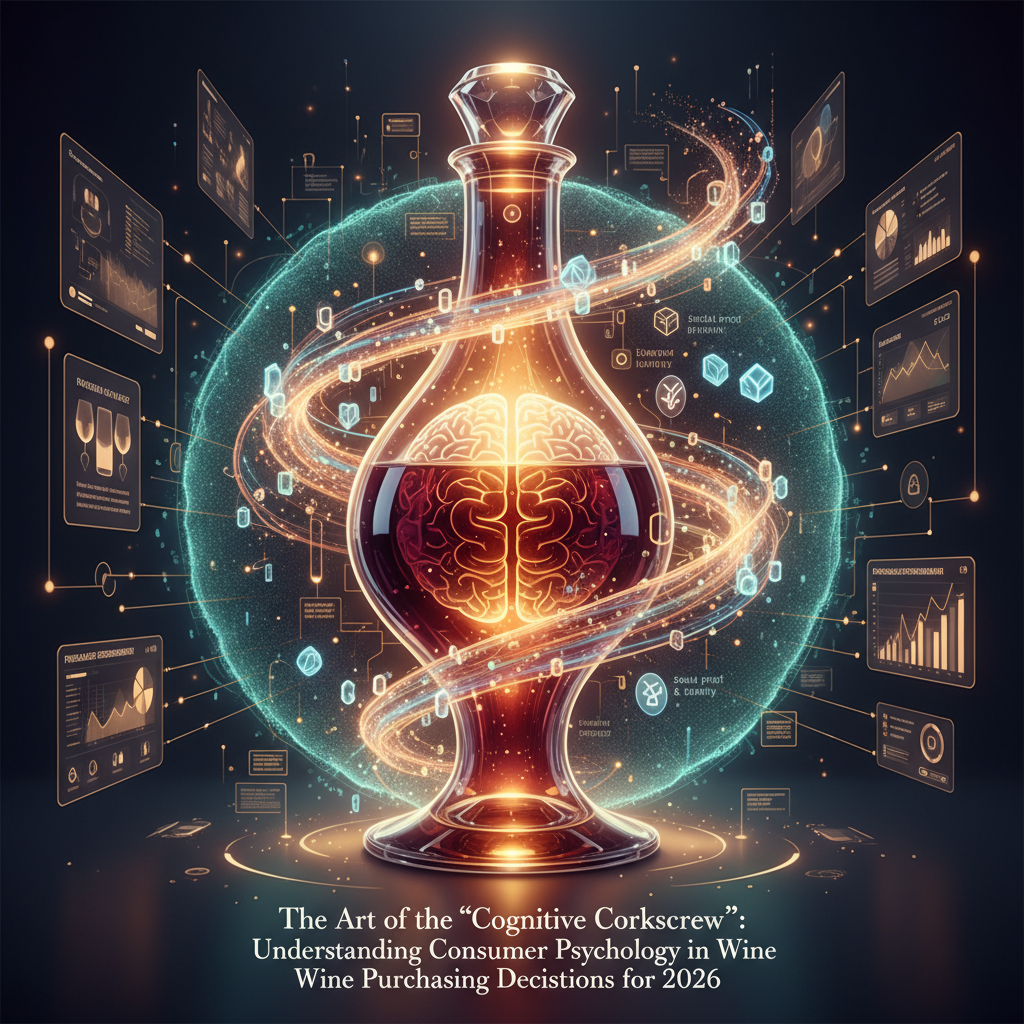
The Art of the 'Cognitive Corkscrew': Understanding Wine Consumer Psychology
The world of wine is as complex and nuanced as the palates it serves. In 2026, understanding wine consumer psychology is more critical than ever for producers, retailers, and even enthusiasts looking to discover new favorites. It's not merely about the taste; a myriad of psychological factors, from brand perception to social influence and price, subtly (or overtly) guide our choices in the wine aisle and beyond. This intricate dance between sensory experience and cognitive biases shapes the purchasing decisions of consumers worldwide, making it a fascinating field of study for anyone deeply invested in the wine industry. For a deeper dive into the rituals surrounding wine, explore The Art of the 'Cognitive Corkscrew': Deconstructing the Psychological Rituals of Opening and Serving Wine in 2026.
The Evolving Landscape of Wine Consumer Psychology: Trends in 2026
The wine market is dynamic, constantly influenced by global events, technological advancements, and shifting consumer values. As we navigate 2026, several key trends are significantly impacting wine consumer psychology.
These trends not only shape what consumers buy but also how they perceive wine, its value, and its role in their lifestyles.
Sustainability and Ethical Sourcing
Consumers are increasingly conscious of the environmental and social impact of their purchases. Wine brands that can clearly demonstrate commitment to sustainable farming, fair labor practices, and eco-friendly packaging are gaining a significant edge. This isn't just a niche concern; it's becoming a mainstream expectation guiding purchase decisions for a growing segment of the market.
- Organic and Biodynamic Wines: A strong preference for wines produced with minimal intervention and without harmful chemicals.
- Carbon Footprint: Consumers are actively looking for brands that transparently report their carbon footprint and efforts to reduce it.
- Fair Trade Certifications: Ethical treatment of workers in vineyards and wineries is a growing concern.
The Rise of Online Retail and Digital Influence
E-commerce continues to revolutionize how wine is discovered and purchased. Online reviews, expert recommendations, and social media influence play a massive role in shaping consumer perception and driving sales. The digital storefront is now as important, if not more so, than the physical one. This digital exposure significantly impacts initial brand awareness and subsequent purchasing behavior, illustrating a fundamental shift in wine consumer psychology. The amplified influence of online communities, as discussed in The Art of the 'Vinous Echo-Chamber': Unmasking the Amplified Influence of Online Wine Communities in 2026, is a prime example of this trend.
Health and Wellness Consciousness
While wine is often enjoyed for pleasure, increasing health consciousness is influencing choices. This includes a growing interest in:
- Lower Alcohol Wines: A demand for lighter wines that still offer complexity and flavor.
- Sugar-Free/Low-Sugar Options: Wines with clear labeling regarding sugar content are attracting a health-conscious demographic.
- Transparency in Ingredients: Consumers want to know what's in their wine, leading to a push for clearer ingredient labeling.
The Power of Packaging and Branding in Wine Consumer Psychology
Before a single sip is taken, the visual elements of a wine bottle communicate volumes. Packaging and branding are critical tools in influencing wine consumer psychology, often serving as the primary drivers for initial selection. The label, bottle shape, and even the closure can tell a story, conveying information about quality, origin, and even the emotional experience the wine promises to deliver. For more on this, delve into The Art of the 'Cognitive Cork': Deconstructing the Psychological Impact of Wine Packaging on Perception in 2026.
Label Design and Aesthetics
A well-designed label can draw the eye, evoke curiosity, and even suggest the wine's character. Modern, minimalist designs appeal to some, while traditional, intricate labels attract others. The font, imagery, and color palette all contribute to the consumer's perception.
For example, a vivid, abstract label might suggest a bold, unconventional wine, whereas a classic, elegant design might hint at a traditional, high-quality vintage. These visual cues are powerful elements in wine consumer psychology.
Bottle Shape and Material
Beyond the label, the physical form of the bottle itself plays a role. Heavier bottles can sometimes be perceived as higher quality or more premium, even if the wine inside is identical. The choice of closure – cork, screw cap, or even alternative forms – also impacts perception:
- Cork: Often associated with tradition, quality, and age-worthiness.
- Screw Cap: Perceived for convenience, consistency, and preventing cork taint.
- Alternative Packaging: Cans or bag-in-box options for casual consumption and sustainability.
Brand Storytelling and Narrative
Consumers connect with stories. A compelling narrative about the vineyard's history, the winemaker's philosophy, or the unique terroir can significantly enhance a wine's appeal. This emotional connection fosters loyalty and differentiates a brand in a crowded market.
Authenticity in storytelling is paramount; consumers are adept at detecting genuine passion versus marketing fluff.
Price Perception and Value in Wine Purchasing: Understanding Wine Consumer Psychology
Price is a complex psychological signal in the wine world. It’s not just a measure of cost but often a perceived indicator of quality, exclusivity, and status. Understanding how consumers interpret price reveals much about wine consumer psychology.
A higher price point can evoke expectations of superior quality, even influencing the sensory experience itself.
The Price-Quality Heuristic
Many consumers operate under the heuristic that "you get what you pay for." A more expensive bottle is often assumed to be of higher quality, even without empirical evidence. This can lead to a self-fulfilling prophecy, where the expectation of a better experience actually enhances the perceived enjoyment.
Conversely, a very low price might raise suspicion about the wine's quality, even if it's an excellent value.
Anchoring and Framing Effects
How a price is presented (framed) can significantly alter perception. For instance, placing a mid-priced wine next to a very expensive one can make the mid-priced option seem like a reasonable, high-value choice. This is known as the anchoring effect. Discounts and special offers also exploit framing, making consumers feel they are getting a better deal.
These cognitive biases are powerful influencers in wine consumer psychology.
Value for Money vs. Premium Experience
Consumers make a trade-off between perceived value for money and the desire for a premium experience. Some seek the best possible wine at an affordable price point, while others are willing to pay a premium for a special occasion, unique varietal, or a wine with a prestigious reputation. This differentiation is crucial for market segmentation.
Understanding these motivations helps brands position their products effectively.
Social Influence and Experiential Factors in Wine Consumer Psychology
Wine is often a social beverage, and as such, social influence plays a significant role in purchasing decisions. Beyond individual preferences, the opinions and behaviors of others, along with shared experiences, heavily impact wine consumer psychology.
From peer recommendations to the desire for a memorable experience, these factors shape choices and build loyalty.
Word-of-Mouth and Peer Recommendations
Trust in recommendations from friends, family, and trusted influencers is incredibly strong. A positive review from a peer can be far more convincing than an advertisement. Online communities and wine forums also serve as powerful platforms for shared recommendations.
This social validation is a cornerstone of how many discover new wines.
Expert Endorsements and Reviews
While peer recommendations are vital, expert opinions from sommeliers, critics, and trusted publications also carry significant weight. Major awards, high scores, and glowing reviews can elevate a wine's status and drive demand, particularly among serious enthusiasts.
Such endorsements instill confidence and justify higher price points, reinforcing aspects of wine consumer psychology. For further reading on expert influence, sites like Wine Folly offer valuable insights into reviews and regional guides.
The Experiential Aspect: Wine Tourism and Events
Wine is not just a drink; it's an experience. Visiting vineyards, attending tasting events, and participating in wine festivals create lasting memories and deeper connections to brands. These experiences foster emotional loyalty that transcends the product itself.
The stories and relationships forged through these events often translate into repeat purchases and brand advocacy. Organizations like Wines of Chile frequently promote such experiential tourism.
Future Directions in Wine Consumer Psychology for 2026 and Beyond
Looking ahead, wine consumer psychology will continue to be shaped by innovations in technology and evolving societal values. Personalization, augmented reality, and further integration of sustainability will likely dominate the landscape. For instance, the concept of The Art of the 'Palate Revolution': Designing Hyper-Personalized Wine Experiences with AI in 2026 highlights the future of tailored wine recommendations.
Brands that adapt to these shifts will be best positioned for success in the coming years.
Personalization and AI-Driven Recommendations
As AI becomes more sophisticated, personalized wine recommendations based on past purchases, taste preferences, and even mood are becoming a reality. This bespoke approach caters to the individual consumer, making the selection process easier and more enjoyable.
Platforms that can accurately predict and suggest wines will gain a substantial advantage.
Augmented Reality (AR) and Interactive Labels
AR technology is already being used to bring wine labels to life, offering interactive experiences with brand stories, tasting notes, and food pairing suggestions. This immersive engagement adds a new dimension to the purchasing experience and educates consumers in a fun, dynamic way.
Such innovations capture attention and enhance recall, deeply influencing wine consumer psychology. Decanter often features articles on emerging wine technologies, including AR applications.
The Continued Emphasis on Transparency and Authenticity
Consumers in 2026 demand greater transparency across the board – from vineyard practices to bottling processes. Brands that are authentic, honest, and truly stand by their values will resonate most strongly. This goes beyond marketing; it's about building genuine trust with the customer.
Understanding and responding to these evolving expectations is crucial for anyone engaging with the intricate world of wine consumer psychology.
At Greatest Wine, we believe that truly understanding wine goes beyond the glass. It involves delving into the 'cognitive corkscrew' – the fascinating labyrinth of human decision-making that guides our choices. By exploring the depths of wine consumer psychology, we aim to provide insights that are as rich and complex as the wines themselves, helping both enthusiasts and industry professionals navigate the exciting world of wine in 2026 and beyond.
Written by
Juniper Thorne is an experienced writer and educator with a deep passion for the world of wine. Bringing expertise in sensory analysis and wine culture to the Greatest Wine platform, Juniper helps readers explore and appreciate every nuance of wine.
Related Articles

The Vinous Verse: How Wine's Spirit Inspires 2026's Poetic and Literary Masterpieces
The intricate dance between the grape and the written word has enchanted humanity for millennia. Explore the profound connection between wine and literature, from ancient musings to 2026's contemporary narratives and poetic masterpieces. Discover how the world of wine continually inspires writers.
Juniper Thorne