The Art of the 'Palate Revolution': Designing Hyper-Personalized Wine Experiences with AI in 2026
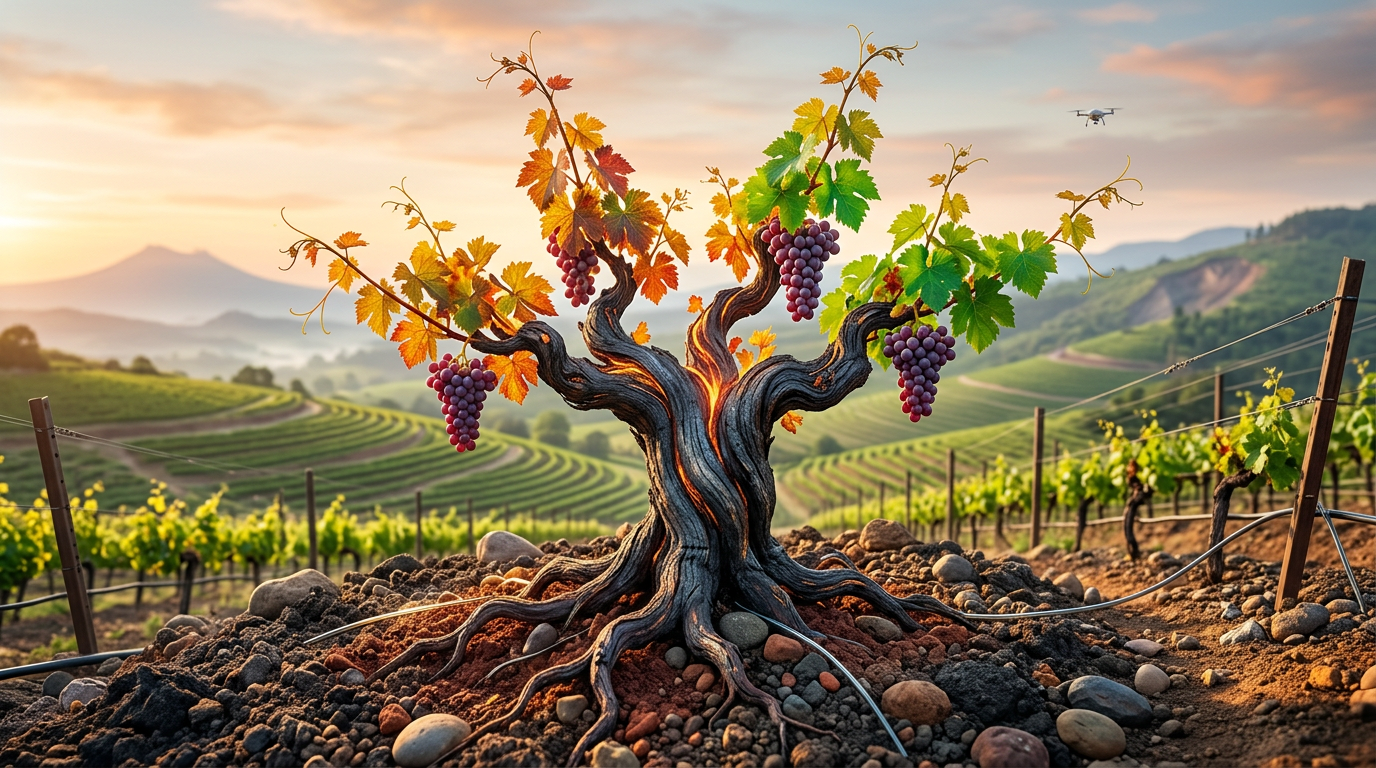
The wine industry is undergoing a profound transformation this year, 2026, driven by artificial intelligence. We are witnessing a "Palate Revolution" where AI is actively shaping how we discover, appreciate, and even produce our favorite vintages, creating hyper-personalized experiences unlike ever before. This marks a significant shift in wine technology.

The Art of the 'Palate Revolution': Designing Hyper-Personalized Wine Experiences with AI in 2026
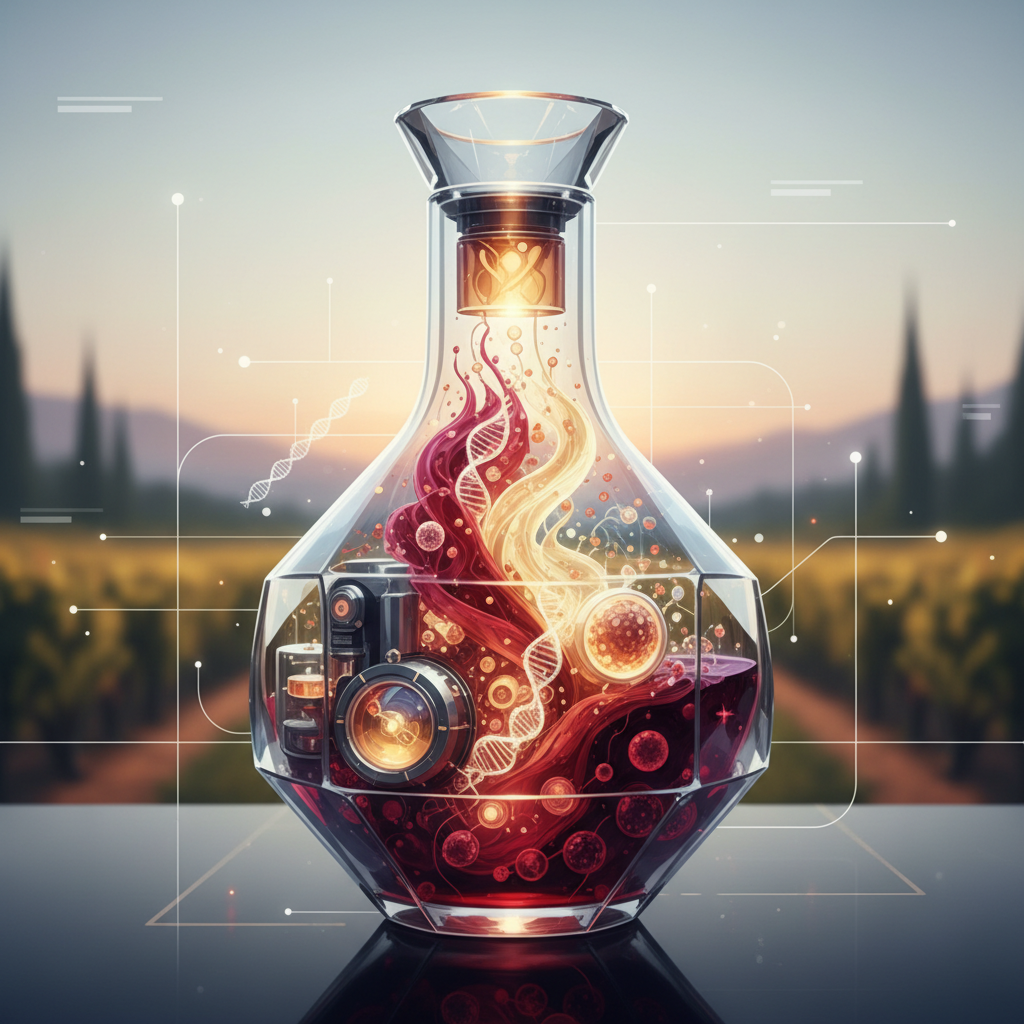
The wine industry is undergoing a profound transformation, and at the heart of this change is the innovative application of artificial intelligence. In AI in wine 2026, we are witnessing a "Palate Revolution" where technology is not just assisting but actively shaping how we discover, appreciate, and even produce our favorite vintages. This year marks a significant shift towards hyper-personalized wine experiences, moving beyond traditional tasting notes to truly understand individual preferences on an unprecedented scale. Greatest Wine is dedicated to exploring these cutting-edge developments, ensuring our readers stay informed about how AI is redefining the culture, craftsmanship, and enjoyment of wine. For a deeper dive into the science behind our enjoyment, explore The Art of the 'Cognitive Blend': How Our Brains Harmonize Wine Flavors in 2026.
Understanding the Evolution of AI in Wine 2026
The journey of AI in the wine sector has been a steady climb, but AI in wine 2026 showcases an acceleration in its capabilities and adoption. Early applications focused on vineyard management and climate prediction. Now, the scope has broadened dramatically, impacting everything from grape growing to consumer engagement.
This includes robust data analysis for optimal harvest times, pest detection, and even predicting wine quality years in advance. The integration of advanced machine learning algorithms is allowing vintners to make more informed decisions than ever before, leading to consistently higher quality products. For an exploration into understanding these predictions, see The Art of the Vinous Blueprint: Deconstructing the Science of Predictive Wine Character in 2026.
- Predictive Analytics: AI models analyze historical weather data, soil composition, and grape varietal characteristics to forecast yield and quality.
- Precision Viticulture: Drones and sensors equipped with AI monitor vineyard health, identifying specific areas needing water, nutrients, or pest control.
- Supply Chain Optimization: AI helps manage inventory, logistics, and distribution, reducing waste and ensuring fresh products reach consumers efficiently.
From Vineyard to Cellar: AI's Impact on Production
AI's influence begins long before the wine reaches your glass. In 2026, vineyard operations are increasingly automated and optimized by intelligent systems. Computer vision, for instance, can assess grape ripeness with incredible accuracy, guiding harvest decisions.
In the cellar, AI algorithms are being employed to monitor fermentation processes, detect faults, and even suggest blending ratios to achieve desired flavor profiles. This level of precision was once the exclusive domain of highly experienced winemakers, but now AI acts as an invaluable assistant, enhancing human expertise.
- Automated temperature and humidity control in cellars.
- AI-driven sensory analysis of wines during aging.
- Robotics for efficient bottling and labeling, reducing human error.
Designing Hyper-Personalized Wine Experiences with AI in 2026
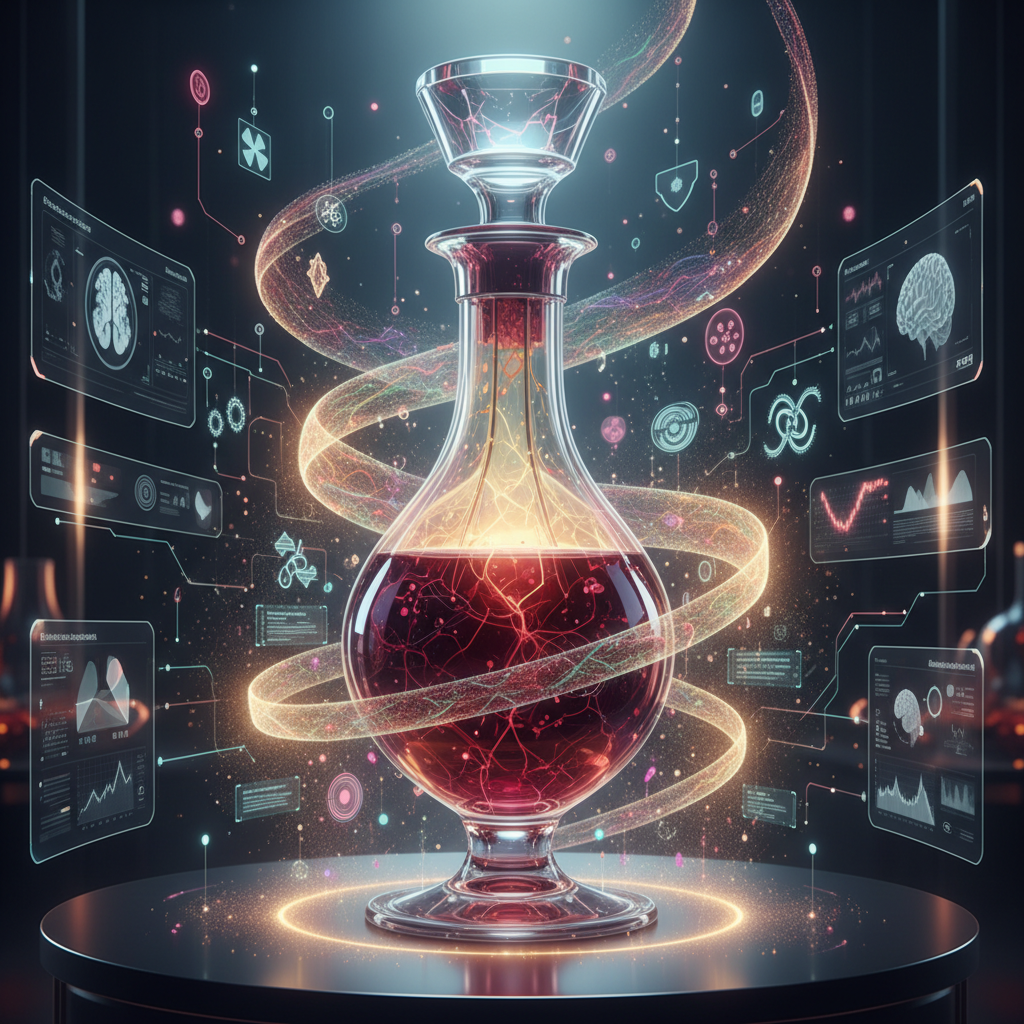
The real revolution for consumers lies in the hyper-personalization of wine discovery and consumption, powered by AI in wine 2026. Gone are the days of aimlessly browsing shelves or relying solely on general recommendations. AI is now capable of understanding individual palates with remarkable depth.
Platforms and apps are leveraging machine learning to analyze user preferences, tasting notes, purchase history, and even genetic predispositions to suggest wines that are perfect for them. This creates a truly bespoke wine journey for every enthusiast, from novice to connoisseur.
Imagine receiving curated wine suggestions not just based on "red" or "white" but on your specific preferences for tannic structure, aromatic compounds, residual sugar, and regional styles. This granular understanding is what defines the "Palate Revolution."
The Role of Data and User Preferences
Central to hyper-personalization is data. Every interaction a user has with a wine platform – a rating, a purchase, a skipped recommendation – feeds into AI algorithms. These algorithms build sophisticated profiles, identifying patterns and correlations that humans would struggle to process.
Furthermore, some pioneering companies are even exploring how genomic data could influence wine preferences. While still in early stages, the idea is that certain genetic markers might correlate with heightened sensitivities to particular flavors or aromas, allowing for even deeper personalization. For more on the future of wine-related personal data, consider insights from a reputable source like the Wine Institute's data compliance resources.
- Analyzing explicit user ratings and reviews.
- Inferring preferences from purchase history and browsing behavior.
- Utilizing natural language processing (NLP) to understand complex tasting notes.
AI in Tasting Guides and Sensory Analysis
Our platform, Greatest Wine, embraces this shift by integrating AI into our tasting guides. Users can input their own sensory perceptions, and AI can help interpret them, comparing them against vast databases of expert notes and similar wines. This helps individuals refine their palate and articulate their experiences more precisely.
For example, an AI might suggest specific aromatic compounds to look for in a particular varietal based on your expressed preferences, or recommend wines that share similar flavor profiles with bottles you've previously enjoyed. It transforms wine education into an interactive and individualized process. This also ties into how wine packaging affects appreciation, as discussed in The Art of the 'Cognitive Cork': Deconstructing the Psychological Impact of Wine Packaging on Perception in 2026.
The Future of Wine Pairing and Global Trends with AI in Wine 2026
AI in wine 2026 significantly enhances the art of food and wine pairing. Beyond classic pairings, AI can now analyze the chemical components of both food and wine to suggest novel combinations that might not be immediately obvious but offer exceptional gastronomic harmony. This opens up a world of culinary exploration.
Globally, AI is also instrumental in identifying emerging wine trends. By analyzing sales data, social media sentiment, and search queries across different regions, AI can predict which varietals, styles, or even eco-friendly practices are gaining traction. This insight is invaluable for producers, retailers, and consumers alike.
- Dynamic pairing suggestions based on personal preferences and meal ingredients.
- Identification of niche market trends and consumer demands.
- Monitoring of global wine festival attendance and industry buzz.
AI-Powered International Wine Festivals and Events
Even international wine festivals are being impacted by AI in wine 2026. AI can help personalize event itineraries for attendees, suggesting specific tastings, seminars, and networking opportunities based on their professional interests or palate preferences. This makes large-scale events more manageable and rewarding.
Think of an AI concierge at a major wine exhibition, guiding you to booths featuring producers whose wines align perfectly with your past ratings, or connecting you with experts in regions you're keen to explore. This streamlines the experience and maximizes engagement for every participant. For more ideas on how technology shapes engagement, refer to a leading tech publication like Wired's articles on AI.
Ethical Considerations and the Human Element in AI in Wine 2026
While the benefits of AI in wine 2026 are undeniable, it's crucial to address the ethical considerations and ensure technology enhances, rather than replaces, the human element. The art of winemaking is steeped in tradition, intuition, and personal touch. AI should serve as a powerful tool to augment human expertise, not overshadow it.
Data privacy is paramount, especially when dealing with detailed user preferences. Transparency in how AI makes its recommendations is also important, ensuring consumers understand the logic behind their personalized suggestions. Striking this balance is key to sustainable AI integration.
Ultimately, the role of the winemaker's passion, the sommelier's guidance, and the shared experience of enjoying wine remain irreplaceable. AI amplifies these elements, making the world of wine more accessible, understandable, and deeply personal for everyone.
Written by
Juniper Thorne is an experienced writer and educator with a deep passion for the world of wine. Bringing expertise in sensory analysis and wine culture to the Greatest Wine platform, Juniper helps readers explore and appreciate every nuance of wine.
Related Articles
The Vinous Verse: How Wine's Spirit Inspires 2026's Poetic and Literary Masterpieces
The intricate dance between the grape and the written word has enchanted humanity for millennia. Explore the profound connection between wine and literature, from ancient musings to 2026's contemporary narratives and poetic masterpieces. Discover how the world of wine continually inspires writers.
Juniper Thorne