The Art of the Vinous Palate Print: Decoding Your Unique Genetic Blueprint for Wine Appreciation in 2026
In 2026, understanding your unique sensory profile in wine is paramount. The concept of a wine genetic palate is gaining significant traction, offering a deeper dive into why certain wines appeal to us more than others. Far from being just personal preference, recent scientific advancements suggest a genetic component.

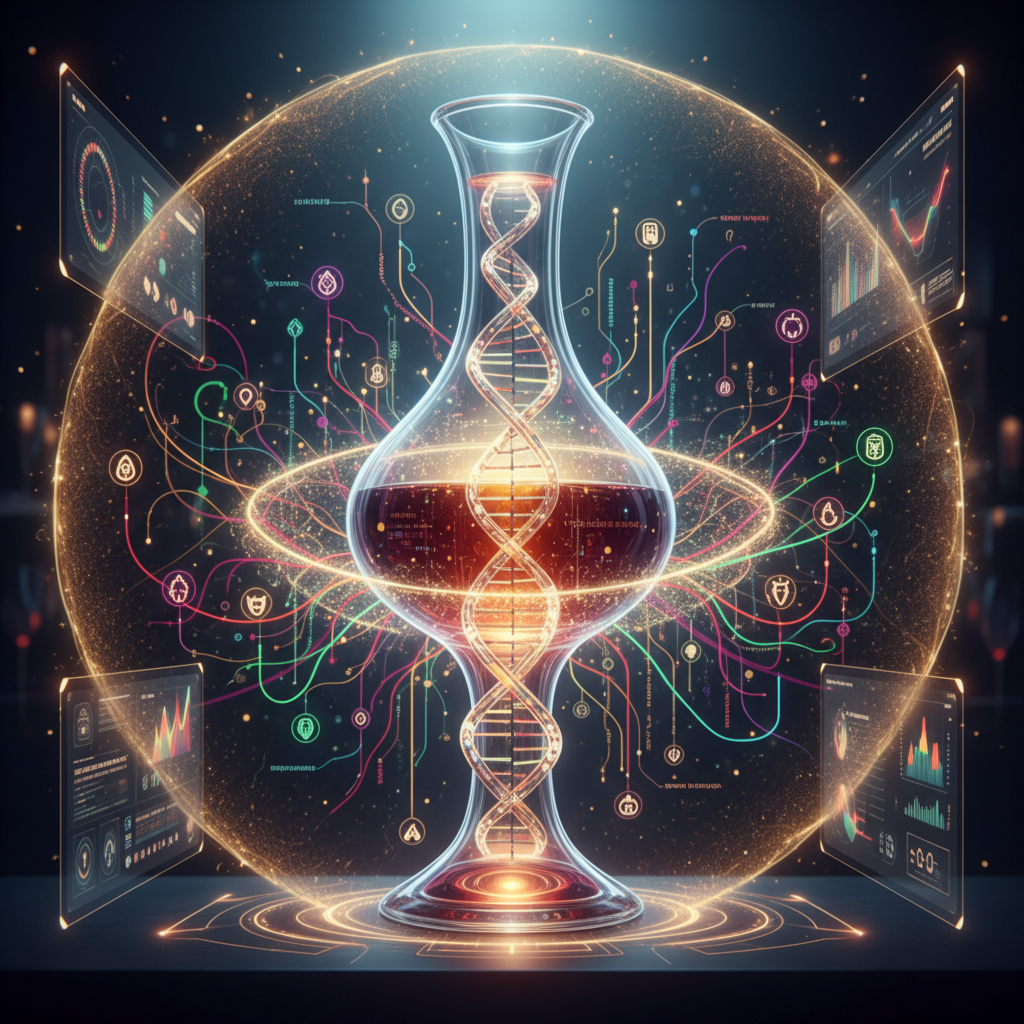
The Art of the Vinous Palate Print: Decoding Your Unique Wine Genetic Palate for Wine Appreciation in 2026
In the evolving world of wine appreciation, understanding your unique sensory profile is paramount. The concept of a wine genetic palate is gaining significant traction in 2026, offering a deeper dive into why certain wines appeal to us more than others. Far from being just a matter of personal preference, recent scientific advancements suggest that our ability to perceive specific aromas, tastes, and textures in wine is heavily influenced by our genetic makeup. This insight is revolutionizing how we approach wine tasting, pairing, and even production, moving us towards a more personalized and profound vinous experience.
Unveiling Your Unique Wine Genetic Palate: More Than Just Taste Buds
While the human tongue boasts thousands of taste buds, responsible for detecting sweet, sour, salty, bitter, and umami, the perception of wine is far more complex. It's an intricate dance between taste, smell (trigeminal sensations), and even tactile feelings in the mouth. Our genetics play a crucial role in shaping the sensitivity of our chemoreceptors and olfactory receptors, directly impacting our individual wine genetic palate.
For example, some individuals are "supertasters," possessing a higher density of taste papillae, particularly for bitter compounds. This genetic predisposition can lead to a heightened sensitivity to tannins in red wines, causing them to perceive some robust varieties as excessively astringent. Conversely, those with fewer bitter receptors might enjoy highly tannic wines without discomfort, perceiving their complexity more readily.
The Science Behind Sensory Perception
The field of nutrigenomics and sensory science is rapidly expanding our understanding of the human palate. Researchers are identifying specific genes linked to how we perceive various compounds found in wine:
- TAS2R38 Gene: This gene dictates our ability to taste PTC (phenylthiocarbamide) and PROP (6-n-propylthiouracil), which are often used to identify supertasters. A strong correlation exists between an individual's TAS2R38 genotype and their perception of bitterness in certain wines.
- Olfactory Receptor Genes: The human genome contains hundreds of olfactory receptor genes, leading to an astonishing diversity in our ability to detect and differentiate aromas. Some individuals might be acutely sensitive to certain volatile organic compounds (VOCs) that contribute to notes of bell pepper in Cabernet Franc or passionfruit in Sauvignon Blanc, while others may not perceive them at all.
- Salivary Protein Composition: Our saliva's composition, also genetically influenced, affects how tannins interact with proteins in the mouth, leading to different perceptions of astringency and mouthfeel.
How Genetics Influence Wine Preference
Understanding your wine genetic palate can explain enduring preferences, both for specific grape varietals and winemaking styles. For instance, someone with a genetic predisposition to perceive higher levels of acidity might naturally gravitate towards crisp, high-acid wines like Sauvignon Blanc or certain Rieslings. Conversely, a person less sensitive to acidity might prefer richer, lower-acid wines.
This isn't to say that experience and training don't play a role; they undoubtedly refine and expand our palate. However, genetics lay the fundamental groundwork, setting the stage for what our senses are inherently tuned to detect. For a deeper dive into how sensory expectation also plays a role, explore The Art of the 'Cognitive Cellar': How Sensory Expectation Shapes Wine Appreciation in 2026.
Beyond Supertasters: Exploring the Spectrum of the Wine Genetic Palate
While the "supertaster" concept is a useful illustration, the truth is that the wine genetic palate exists on a complex spectrum. It's not about being "better" or "worse" at tasting, but rather about having a unique sensory fingerprint. In 2026, personalized tasting experiences are moving beyond broad classifications.
Consider the perception of sweetness. While the primary sensation is universal, the intensity and lingering qualities can vary due to genetic factors that influence receptor density and signaling pathways. This can impact how much residual sugar we prefer in a wine or how we experience fruit-forward varietals.
Similarly, the detection of specific volatile compounds that contribute to wine's aroma profile varies widely among individuals. Some might be anosmic (unable to smell) to certain compounds, while others are hyperosmic (highly sensitive). This explains why two people can taste the same wine and describe vastly different aromatic profiles. This variability is just one aspect of the 'Cognitive Blend': How Our Brains Harmonize Wine Flavors in 2026.
Regional and Dietary Influences
Beyond direct genetic markers, ancestral diets and regional adaptations can also indirectly influence the overall wine genetic palate. Populations traditionally consuming certain types of foods might have evolved heightened sensitivities or tolerances to specific compounds. This intersection of genetics, epigenetics, and environment presents a fascinating area of ongoing research within the wine world.
As we delve deeper into personalized nutrition and lifestyle, the concept of linking dietary history to sensory preferences in wine becomes increasingly relevant, opening new avenues for understanding why different cultures developed unique wine traditions. This echoes the broader theme of The Art of the Vinous Tapestry: Weaving the Untold Stories of Wine's Global Migration in 2026.
Practical Applications: Leveraging Your Wine Genetic Palate in 2026
The growing understanding of the wine genetic palate has profound implications for both consumers and the wine industry. In 2026, we're seeing practical tools and services emerge that help individuals explore their unique sensory profiles.
For the consumer, this knowledge is empowering:
- Personalized Recommendations: Imagine receiving wine recommendations tailored not just to your stated preferences, but to your actual genetic predispositions. Startup companies are beginning to offer genetic testing kits that analyze relevant genes, providing insights into potential sensitivities and preferences.
- Enhanced Tasting Experiences: Armed with an understanding of their genetic palate, enthusiasts can approach wine tasting with greater insight. They can focus on identifying specific characteristics they are likely to perceive strongly, and also understand why certain wines might present challenges to their palate.
- Improved Food Pairings: Knowing how specific components of wine (e.g., tannins, acidity, sweetness) interact with one's genetic palate allows for more precise and enjoyable food pairings. Someone highly sensitive to bitterness might avoid pairing high-tannin reds with bitter greens, for example.
For the Wine Industry
Winemakers, sommeliers, and retailers also stand to benefit:
- Targeted Marketing: Wineries can better understand their target demographics based on genetic predispositions, allowing for more effective marketing strategies and product development.
- Sommelier Training: Future sommelier training may incorporate modules on genetic variations in taste perception, enabling professionals to better guide and educate diverse clientele.
- Blended Wines: Knowledge of common genetic predispositions could even influence blending decisions, creating wines that appeal to a broader segment of the population or specific niche markets.
The Future of Wine Appreciation: A Harmonious Blend of Science and Art
As we look deeper into 2026 and beyond, the integration of genetic understanding with the art of wine appreciation promises a richer, more personalized experience. This isn't about reducing wine to a mere scientific formula, but rather about using science to unlock deeper levels of enjoyment and understanding. The wine genetic palate provides a new lens through which to explore the endless nuances of wine.
It encourages us to celebrate the diversity of human perception and to approach wine with an open mind, recognizing that each individual's journey through the world of wine is truly unique. This scientific insight complements, rather than replaces, the traditional art of winemaking and tasting. It adds another fascinating layer to the "stories, techniques, rituals, and pleasures" that define the greatest wines.
Ethical Considerations and Responsible Use
As with any burgeoning field involving genetic data, ethical considerations surrounding privacy, data security, and potential biases are paramount. Companies offering genetic palate profiling must adhere to strict ethical guidelines, ensuring consumer consent, transparency, and responsible use of personal information. For more information on ethical data practices in science, consult the World Health Organization's ethics initiatives. The goal is to enhance the wine experience, not to dictate it.
Ultimately, the exploration of the wine genetic palate serves to deepen our connection with this ancient beverage, making the journey of discovery even more compelling and personal for every wine enthusiast in 2026. To understand more about the genetic basis of taste perception, you can explore resources from the National Human Genome Research Institute. For those interested in the role of taste receptors, a study on Human Taste Receptor Gene Variation offers further insights into this complex field.
Written by
Juniper Thorne is an experienced writer and educator with a deep passion for the world of wine. Bringing expertise in sensory analysis and wine culture to the Greatest Wine platform, Juniper helps readers explore and appreciate every nuance of wine.
Related Articles
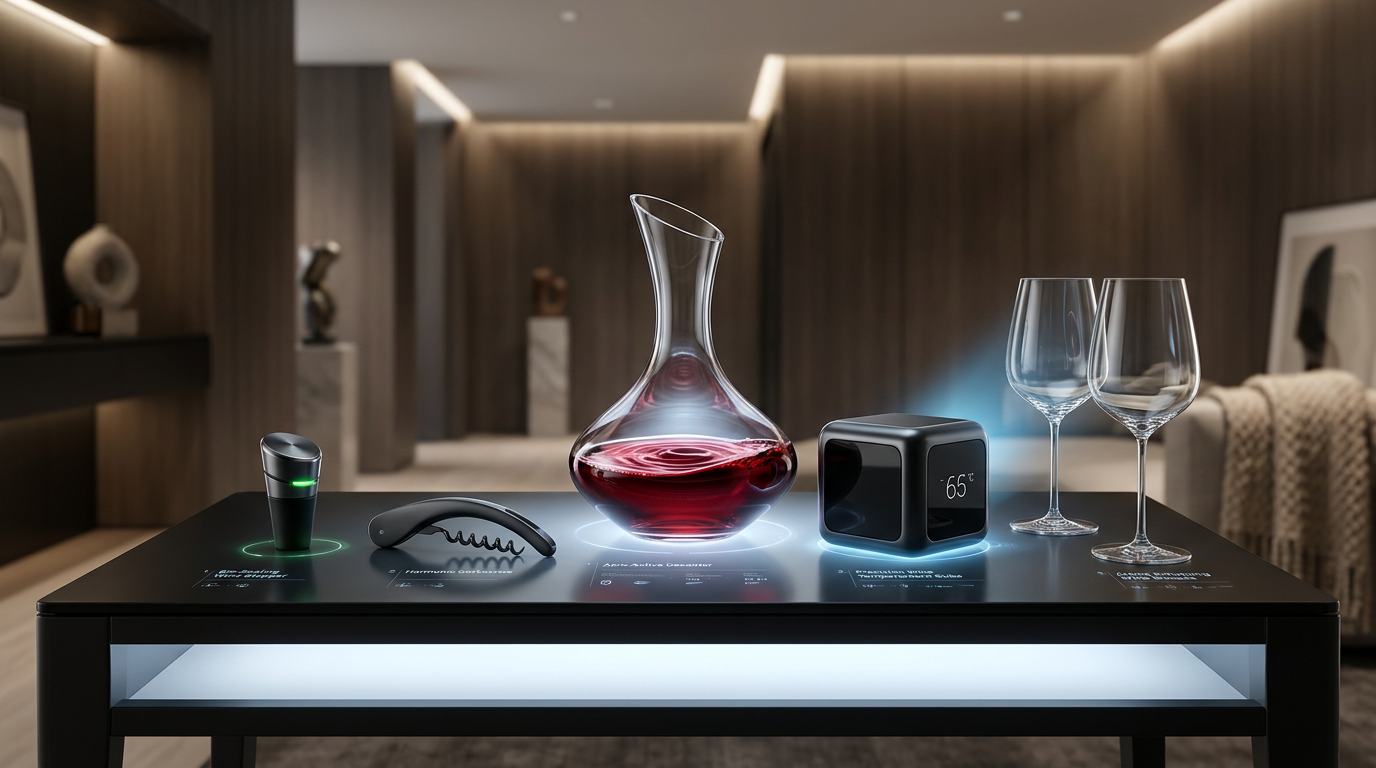
The Vinous Arsenal: Essential Tools for Elevating Your Wine Experience in 2026
As we navigate May 2026, the world of wine continues to evolve, offering enthusiasts unprecedented tools. Discover the essential wine accessories for 2026 that will elevate your enjoyment, from innovative aerators to smart preservation systems. Upgrade your vinous arsenal today with Greatest Wine.
Juniper Thorne