The Art of the 'Cognitive Cellar': How Sensory Expectation Shapes Wine Appreciation in 2026
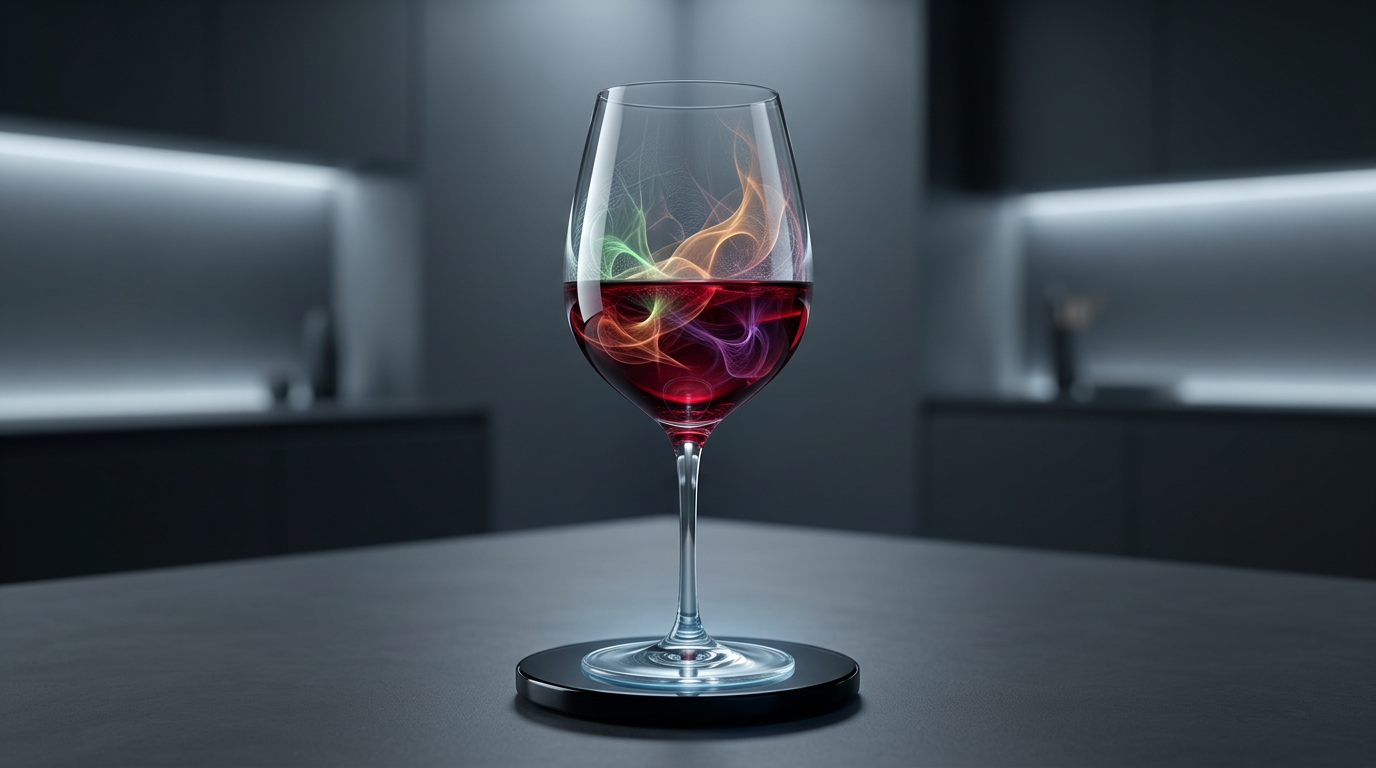
In 2026, the concept of the 'cognitive cellar wine' is revolutionizing how we understand and appreciate wine. This fascinating intersection of neuroscience, psychology, and oenology delves into how sensory expectation fundamentally reshapes our perception and enjoyment of wine, moving beyond just the liquid itself.


The Art of the 'Cognitive Cellar': How Sensory Expectation Shapes Wine Appreciation in 2026
In the evolving world of wine appreciation, understanding how our minds influence our palates is becoming increasingly vital. This is precisely where the concept of the cognitive cellar wine comes into play, a fascinating intersection of neuroscience, psychology, and oenology that fundamentally reshapes how we perceive and enjoy wine. Far beyond just the liquid in the glass, it's about the entire tapestry of senses, expectations, and memories that our brain constructs around every sip. As we delve into 2026, the scientific community and discerning wine enthusiasts alike are recognizing the profound impact of these mental constructs on our tasting experiences, moving beyond simple sensory input to a more holistic understanding of wine enjoyment.
For a complementary perspective, explore The Art of the 'Cognitive Cellar': How Sensory Deprivation Enhances Wine Appreciation in 2026, which delves into another facet of sensory influence.
Decoding the Cognitive Cellar Wine: More Than Just Taste
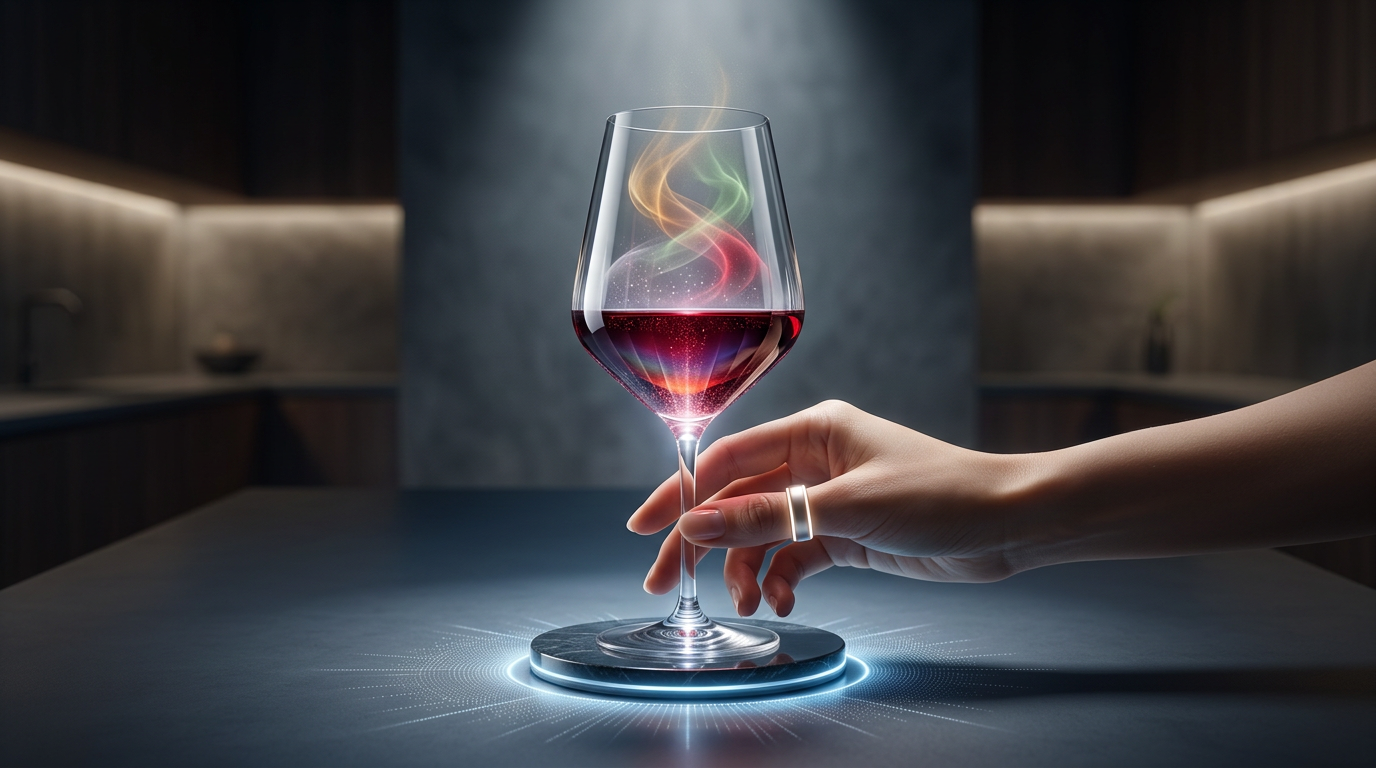
The term "cognitive cellar" encapsulates the idea that our perception of wine is not purely objective. It is heavily influenced by a myriad of internal and external factors that have little to do with the chemical composition of the wine itself. This mental framework dramatically alters how we interpret aromas, flavors, and textures. Understanding the cognitive cellar wine helps us appreciate these influences.
Consider the power of suggestion. If you're told a wine is from a prestigious vineyard with a century-long legacy, your brain is likely to seek out and "find" more nuanced flavors and a richer experience. This isn't just imagination; it's a genuine physiological response.
The Science Behind Sensory Perception
- Top-Down Processing: Our brain doesn't just receive raw sensory data; it actively interprets it based on prior knowledge, expectations, and context. This "top-down" influence is a cornerstone of the cognitive cellar wine experience.
- Multisensory Integration: While we primarily focus on taste and smell with wine, sight and even sound (e.g., the clinking of glasses) contribute to the overall perception. Experts are exploring how these elements coalesce into a unified sensory experience. Learn more about sound's influence in The Art of the 'Vinous Symphony': Deconstructing How Music and Sound Influence Wine Perception in 2026.
- Emotional Connection: Wine triggers memories and emotions. A wine tasted during a celebratory event might inherently taste better due to the positive emotional baggage associated with that moment.
Understanding these mechanisms allows us to better appreciate the complexity of wine tasting and how our internal "cellar" of experiences shapes every pour. This recognition is particularly prevalent in 2026 as wine education matures, further solidifying the importance of the cognitive cellar wine concept.
The Impact of Expectation on Wine Appreciation in 2026
Expectation is a powerful modulator of sensory experience. In the realm of wine, it can elevate a simple pour into an extraordinary one, or conversely, diminish a truly fine vintage. This phenomenon is a key component of the cognitive cellar wine concept, deeply influencing both casual drinkers and seasoned sommeliers. The psychological impact of anticipation is further explored in The Art of the 'Cognitive Vintage': Mastering the Psychology of Wine Expectation in 2026.
Blind tastings are the ultimate test of this theory, often revealing how labels, price points, and vineyard reputation can sway our judgment. The surprise on tasters' faces when a perceived "cheap" wine outranks a "premium" one is a testament to the power of preconception in the cognitive cellar wine experience.
Factors Shaping Wine Expectations
- Price: Higher prices often correlate with higher expectations of quality, even if the wine itself doesn't inherently justify it.
- Label Design: An elegant, classic, or minimalist label can evoke a sense of sophistication and quality before the cork is even pulled. The field of wine packaging psychology is gaining traction in 2026 for understanding this influence.
- Reputation and Reviews: Positive reviews from critics or endorsements from trusted sources can significantly boost our anticipation and, consequently, our enjoyment.
- Narrative and Storytelling: Learning about the vineyard's history, the winemaker's philosophy, or the challenging vintage conditions can create a compelling narrative that enhances the perceived value and taste of the wine.
As we navigate the vast selection of wines available in 2026, being aware of these influencing factors empowers us to engage with wine more mindfully, allowing for a more authentic appreciation of every cognitive cellar wine.
Cultivating Your Personal Cognitive Cellar Wine
While external factors heavily influence our wine perception, we can actively cultivate our internal cognitive cellar wine to enhance our tasting experiences. It's about developing a conscious awareness of our biases and actively seeking ways to broaden our sensory repertoire.
This isn't about tricking ourselves; it's about enriching our understanding and enjoyment. By engaging with wine in a more thoughtful and deliberate manner, we unlock deeper layers of appreciation that extend beyond mere gustatory pleasure, truly mastering the art of the cognitive cellar wine.
Practical Steps for Enhancement
- Mindful Tasting: Slow down. Engage all your senses. Before you even taste, observe the color, sniff the aromas deeply. Try to identify specific notes before reading any descriptions.
- Blind Tasting Practice: Periodically engaging in blind tastings (even informally with friends) can help strip away preconceptions and allow you to focus purely on the wine's intrinsic qualities. This is key for understanding your personal cognitive cellar wine.
- Expanding Your Palate: Experiment with wines from different regions, varietals, and vintages. The more diverse your tasting experiences, the richer your internal reference library becomes.
- Learning and Education: Educate yourself on wine regions, winemaking techniques, and grape characteristics. This knowledge provides a framework for understanding and appreciating what you're tasting.
- Journaling: Keep a tasting journal. Documenting your impressions, along with the context (who you were with, where you were, what you were eating), can reveal patterns in your preferences and help you articulate your sensory experiences. This builds a robust mental framework for your cognitive blend of wine flavors.
These practices, widely endorsed by wine educators in 2026, help to build a more sophisticated and nuanced appreciation for wine, allowing you to move beyond superficial judgments and truly embrace the power of your cognitive cellar wine.
The Future of Wine Appreciation: Technology and the Cognitive Cellar Wine
Looking ahead in 2026, technology is poised to play an increasingly significant role in understanding and even influencing the cognitive cellar wine. From AI-powered recommendations to augmented reality tasting experiences, innovation is rapidly changing how we interact with wine.
Imagine applications that analyze your past tasting notes, preferences, and even your mood to suggest specific wines tailored to enhance your cognitive experience. Or AR overlays that provide instant information about a wine's origin and history, enriching the narrative before you even take a sip, all contributing to your personal cognitive cellar wine.
Emerging Technologies in Wine
- AI-Driven Personalization: Algorithms are becoming increasingly sophisticated at predicting individual preferences, helping consumers discover wines that resonate deeply with their personal taste profiles and cognitive biases. These hyper-personalized wine experiences are a hallmark of 2026.
- Sensory Enhancement Devices: While still nascent, research into devices that can subtly alter sensory perception (e.g., through scent diffusion or specific light frequencies) could entirely redefine tasting environments.
- Neuroscience of Taste: Advanced brain imaging and research are continuously uncovering the neural pathways involved in taste and smell, offering deeper insights into how our brains construct flavor perception, further evolving our understanding of the cognitive cellar wine. You can explore a fascinating study on this topic from Nature Communications on multisensory flavor perception.
- Immersive Digital Experiences: Virtual tours of vineyards or interactive stories about winemaking processes can build rich contextual information even before the bottle is opened, priming the cognitive cellar. The Vinous Metaverse is bringing these experiences to life in 2026.
These advancements promise to make wine appreciation even more engaging, personalized, and deeply understood, allowing a greater immersion into the art and science of every bottle and enhancing the cognitive cellar wine experience.
Beyond the Bottle: The Cultural Significance of Cognitive Cellar Wine
The concept of the cognitive cellar wine extends beyond individual perception to encompass the broader cultural and social aspects of wine. Wine has always been intertwined with culture, tradition, and shared experiences, and our understanding of these elements shapes our appreciation.
From regional festivals celebrating harvest to the ritual of uncorking a special bottle, these social contexts imbue wine with layers of meaning that purely chemical analysis cannot capture. The shared narrative of a wine's journey, from vine to glass, becomes part of its flavor profile in our minds, enriching the cognitive cellar wine experience.
Cultural Dimensions of Wine Perception
- Terroir and Heritage: The story of a wine's origin – its specific soil, climate, and the traditions of the winemakers – creates a powerful narrative that enhances its perceived quality and distinctiveness. This connection to a wine's heritage is deeply explored in The Art of the Vinous Tapestry: Weaving the Untold Stories of Wine's Global Migration in 2026.
- Social Rituals: The act of sharing wine with friends, celebrating milestones, or pairing it with a carefully prepared meal adds a significant dimension to its enjoyment. These rituals activate our positive associations and elevate the experience.
- Art and Design: The aesthetics of wine, from the bottle's shape to the label's artwork, are part of its cultural presentation. These elements contribute to the initial impression and shape our expectations.
- Global Trends in 2026: Current trends, such as the increasing focus on sustainable winemaking or the resurgence of indigenous grape varietals, also influence consumer perception. Wines aligned with these values are often perceived more positively. For insights into wine trends, consult reports from organizations like the International Organisation of Vine and Wine (OIV).
Ultimately, the cognitive cellar wine is a testament to the fascinating interplay between our minds, our senses, and the rich cultural tapestry that surrounds every bottle. By embracing this holistic view, we unlock a deeper, more meaningful connection to the world of wine.
Written by
Juniper Thorne is an experienced writer and educator with a deep passion for the world of wine. Bringing expertise in sensory analysis and wine culture to the Greatest Wine platform, Juniper helps readers explore and appreciate every nuance of wine.
Related Articles
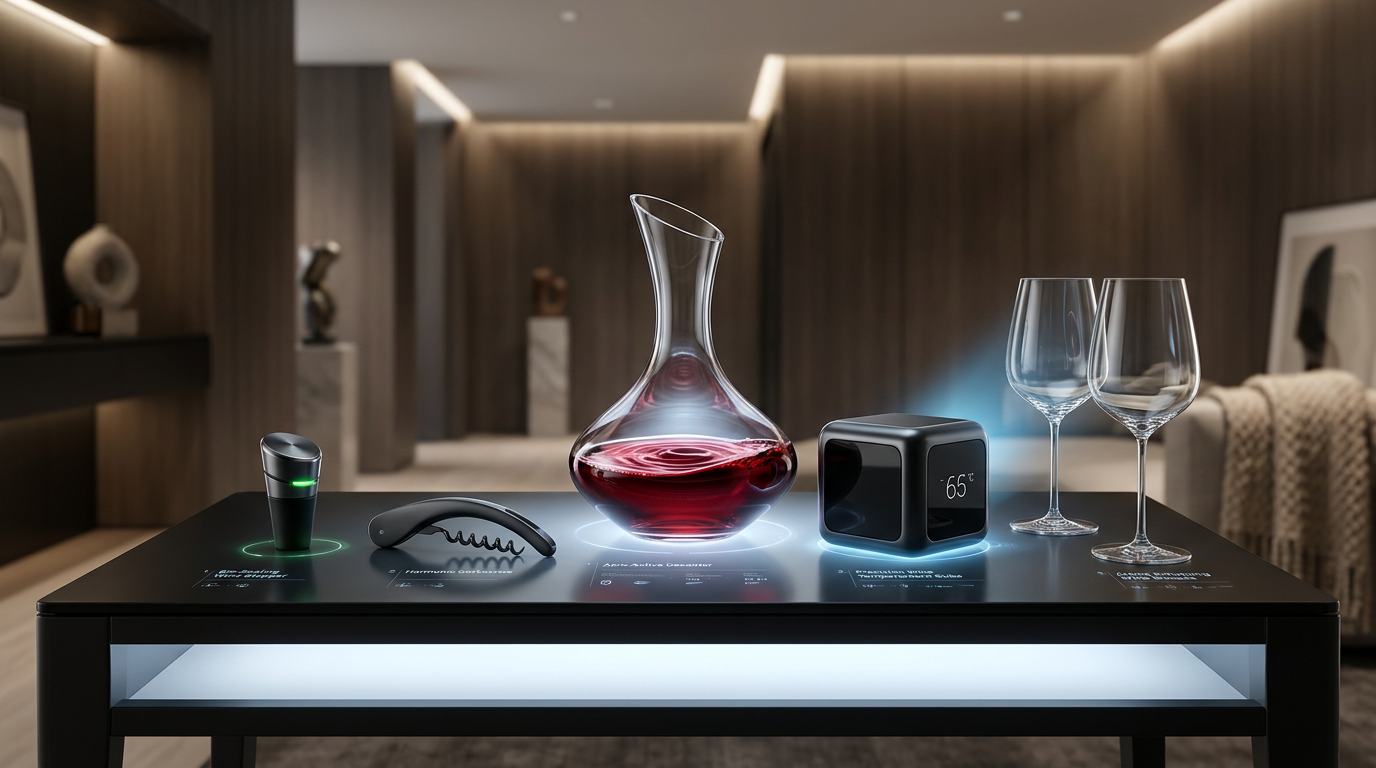
The Vinous Arsenal: Essential Tools for Elevating Your Wine Experience in 2026
As we navigate May 2026, the world of wine continues to evolve, offering enthusiasts unprecedented tools. Discover the essential wine accessories for 2026 that will elevate your enjoyment, from innovative aerators to smart preservation systems. Upgrade your vinous arsenal today with Greatest Wine.
Juniper Thorne