The Art of the Vinous Tapestry: Weaving the Untold Stories of Wine's Global Migration in 2026
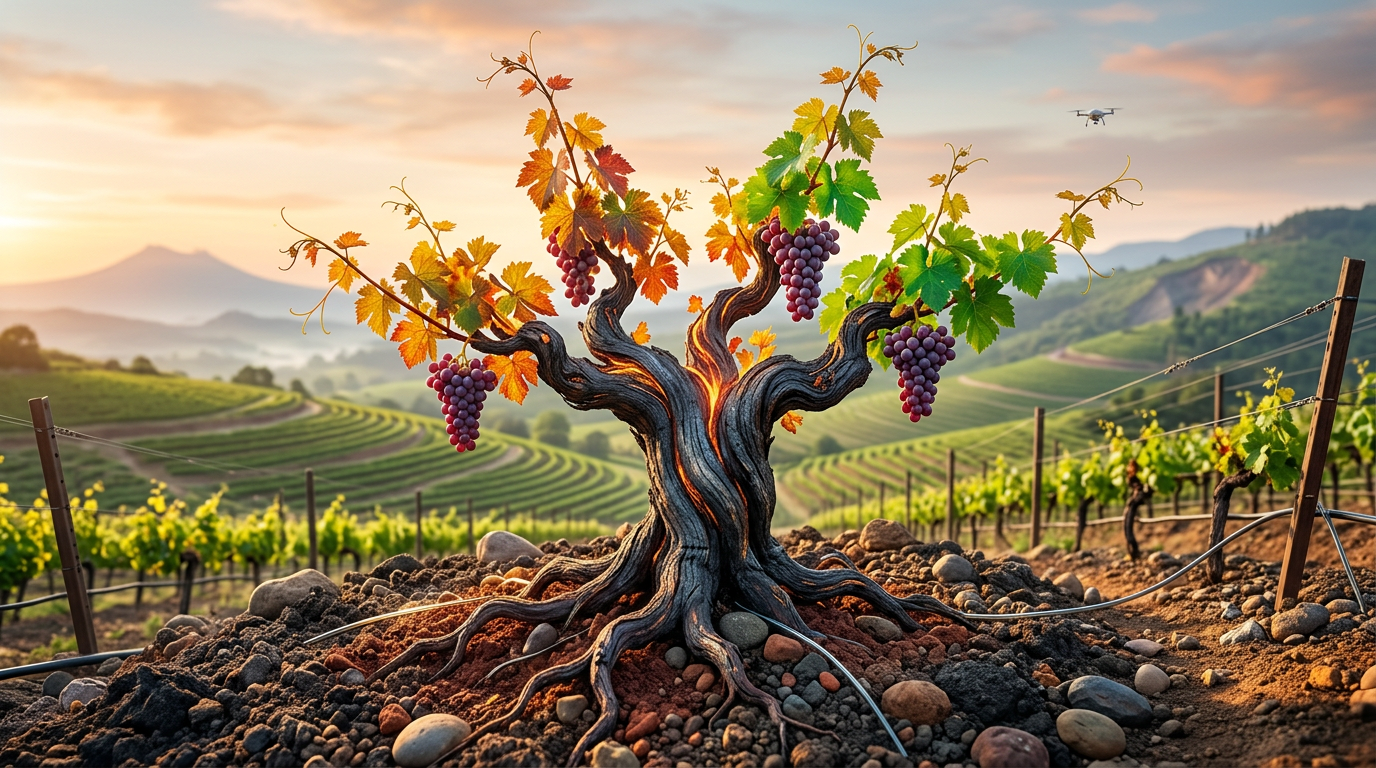
In 2026, the global wine industry is experiencing an unprecedented evolution. This article delves into the 'vinous tapestry,' uncovering the significant phenomenon of wine's global migration. More than just bottles moving, it encompasses the transfer of grapevines, winemaking expertise, and shifting consumer preferences to new regions across the world. Discover the intricate dance of viticulture and culture shaping the future of wine.


The Art of the Vinous Tapestry: Weaving the Untold Stories of Wine's Global Migration
In 2026, the world of wine continues to evolve at an unprecedented pace, marked by fascinating shifts and expansions. The phenomenon of wine global migration is not merely about bottles traveling across borders; it encompasses the movement of grapevines, winemaking techniques, and even consumer palates into new territories. This intricate dance of viticultural exchange tells a rich story of adaptation, innovation, and cultural integration, profoundly shaping the industry we know today.
Understanding the Dynamics of Wine Global Migration
The concept of wine global migration extends far beyond simple export and import figures. It delves into how grape varietals, traditionally associated with specific regions, are now thriving in unexpected terroirs. Climate change, evolving consumer tastes, and advancements in viticultural science are all contributing factors to this dynamic reshuffling of the vinous landscape.
This migration often brings with it unique challenges and exciting opportunities. New regions are emerging as significant players, while established areas are exploring novel approaches to maintain their relevance and adapt to changing conditions. The resilience and adaptability of the global wine community are truly remarkable.
Historical Roots of Vinous Movement
- Ancient Spreading: The earliest forms of wine global migration date back millennia, with Phoenicians, Greeks, and Romans spreading viticulture across the Mediterranean and beyond.
- Colonial Expansion: European powers introduced Vitis vinifera to the Americas, Australia, and South Africa, laying the groundwork for many New World wine regions.
- Modern Globalization: Post-20th century, technological advancements and trade agreements accelerated the movement of wine and expertise, setting the stage for current trends.
Key Drivers Behind Current Migration Trends
Several forces are at play in stimulating the current wave of wine global migration. These drivers are complex and often interconnected, influencing both supply and demand sides of the industry.
- Climate Change Adaptation: As traditional wine regions face hotter, drier conditions, winemakers are looking for cooler climates, sometimes at higher altitudes or in previously unconsidered latitudes. This search for suitable terroir is a primary catalyst. For more on this, consider The Art of the 'Vinous Echo': Tracing the Enduring Influence of Historic Climate Shifts on 2026's Old Vine Wines.
- Consumer Curiosity and Demand: There's a growing desire among consumers for new and unique wine experiences. This includes interest in indigenous varietals from lesser-known regions and wines produced using innovative or sustainable methods.
- Technological Advancements: Improved viticultural and oenological techniques allow grapes to be grown and wine to be made successfully in diverse environments that were once thought unsuitable.
- Economic Opportunities: Developing nations are often eager to establish wine industries as a means of economic diversification and agricultural development, sometimes with significant government support.
Emerging Terroirs and Shifting Varietals Due to Wine Global Migration
One of the most exciting aspects of wine global migration in 2026 is the rise of new wine-producing regions and the successful cultivation of traditionally "foreign" varietals in these areas. This phenomenon is diversifying the global wine offerings and challenging long-held perceptions about where great wine can be made.
For instance, countries like England and Denmark are seeing remarkable success with sparkling wines, largely due to warming temperatures favoring Champagne-method grape cultivation. Similarly, high-altitude regions in South America and unexpected pockets in Asia are demonstrating significant potential for quality wine production.
The Rise of English Sparkling Wine
The chalk soils and cooler climate of Southern England are proving to be ideal for growing Chardonnay, Pinot Noir, and Pinot Meunier. This has propelled English sparkling wine onto the international stage, competing directly with traditional Champagne houses. The success here is a direct result of both climate shifts and dedicated investment in viticulture.
Asian Frontiers in Wine Production
Countries like China, India, and Thailand are aggressively investing in their domestic wine industries. While still nascent for many, regions within these countries are demonstrating potential, especially with hybrid grapes or varietals adapted to local conditions. This represents a significant long-term shift in the geography of wine production.
High-Altitude Viticulture
From the Andes in Argentina to remote vineyards in Tibet, winemakers are increasingly exploring high-altitude regions. The unique combination of intense sunlight, significant diurnal temperature shifts, and often virgin soils contributes to wines with distinct characteristics, often high in acidity and concentrated fruit flavors. This is another facet where wine global migration is literally reaching new heights.
Impacts of Wine Global Migration on Winemaking and Culture
The extensive movement of grape species and winemaking expertise under the umbrella of wine global migration has profound implications for viticulture, oenology, and wine culture itself. It promotes a cross-pollination of ideas and techniques, enriching the global wine tapestry.
Winemakers in new regions often combine traditional methods inherited from established wine cultures with innovative approaches tailored to their specific environment. This fusion leads to unique wine styles and increased biodiversity in grape cultivation globally.
Blending Old World and New World Techniques
As winemakers move to new regions or plant new varietals, they often bring with them generations of knowledge. This "Old World" wisdom might be adapted to "New World" conditions, leading to exciting hybrid techniques. For example, traditional European barrel aging might be combined with modern, sustainable vineyard practices in South America.
Cultural Exchange and Local Adaptation
The introduction of viticulture into a new region isn't just about agriculture; it's a cultural event. Local communities often embrace winemaking, integrating it into their customs and cuisine. This leads to the development of unique wine and food pairings and a broader appreciation of wine's role in society.
Consider the integration of wine into Asian dining traditions, creating new pairing opportunities that challenge Western norms. This cultural adaptation is a natural and beautiful outcome of wine global migration. For related cultural insights, see The Art of the Vinous Tapestry: Weaving Indigenous Crafts and Wine Culture in 2026.
Challenges and Opportunities in the Evolving Landscape of Wine Global Migration
While wine global migration presents numerous opportunities, it is not without its challenges. New regions must overcome hurdles ranging from technical viticultural issues to establishing market recognition and navigating regulatory frameworks.
However, these challenges often spur innovation and resilience within the industry. The long-term perspective promises a more diverse, dynamic, and globally interconnected world of wine.
Environmental and Sustainability Concerns
Establishing vineyards in new territories raises crucial questions about environmental impact. Responsible viticulture, including water conservation, biodiversity protection, and organic practices, is paramount. The industry is increasingly focused on ensuring that expansion driven by wine global migration is sustainable.
Many new regions are leveraging this opportunity to adopt sustainable practices from the outset, aiming to be leaders in environmentally friendly winemaking. For example, further discussion topics related to this are available from sources like the International Organisation of Vine and Wine (OIV), which provides comprehensive reports on global vitivinicultural trends and sustainable practices.
Market Acceptance and Branding
One of the biggest challenges for emerging wine regions is gaining consumer trust and market share in a competitive global landscape. Building a strong brand identity and educating consumers about their unique terroir and wine styles is critical. This requires significant investment in marketing and storytelling.
In 2026, social media and direct-to-consumer models are playing a significant role in helping these new regions tell their stories effectively and reach a global audience. The narrative of wine global migration itself can be a powerful marketing tool.
Economic Investment and Infrastructure
Developing a wine industry from scratch requires substantial capital investment in vineyards, wineries, equipment, and infrastructure. Access to skilled labor and viticultural expertise is also vital. Government support and private investment are often essential catalysts for success in these new ventures.
The long-term nature of viticulture means that investors must be patient, but the potential rewards of a successful new wine region can be significant, creating jobs and economic growth. The Wines of Chile organization offers a great example of how a national body can promote and support its wine industry on a global scale, showcasing successful approaches to market development stemming from geographical advantages and focused investment strategies.
The Future Palate: What Wine Global Migration Means for Wine Lovers
For the wine enthusiast, the ongoing wine global migration promises an exciting future filled with discovery. The expansion of wine regions and the diversification of varietals mean an ever-broader selection of wines to explore and enjoy.
From tasting notes of exotic grapes in high-altitude vineyards to sparkling wines from surprising European locales, the vinous tapestry is becoming richer and more complex. This global movement encourages us to broaden our palates and preconceptions about wine.
Diversifying Your Wine Rack
In 2026, it's easier than ever to find wines from non-traditional regions. Experimenting with these new offerings can lead to delightful discoveries. Don't be afraid to try a Grüner Veltliner from Central Europe or a sparkling wine from England; they might just become your new favorites.
This openness to new experiences is central to appreciating the full scope of wine global migration. Discover more about The Art of the 'Palate Revolution': Designing Hyper-Personalized Wine Experiences with AI in 2026 for future tasting adventures.
Enhancing Global Wine Tourism
As new wine regions emerge, they also become new destinations for wine tourism. Visiting these burgeoning areas offers a unique opportunity to witness the pioneering spirit of winemakers, explore diverse landscapes, and experience distinct local cultures alongside exceptional wines. This creates new opportunities for immersive, educational experiences.
Wine festivals and events are expanding to these new regions, offering platforms for showcasing their unique contributions to the global wine scene, a direct benefit of wine global migration. For current wine tourism trends, explore reputable sources like The World Tourism Organization (UNWTO), which often publishes reports on how specialized tourism, including wine tourism, is expanding globally and adapting to new opportunities generated by evolving wine regions.
In conclusion, the story of wine global migration is a compelling narrative of human ingenuity, adaptation, and a deep appreciation for the vine. As we move further into 2026, this dynamic process will continue to shape how wine is made, consumed, and cherished around the world.
Written by
Juniper Thorne is an experienced writer and educator with a deep passion for the world of wine. Bringing expertise in sensory analysis and wine culture to the Greatest Wine platform, Juniper helps readers explore and appreciate every nuance of wine.
Related Articles

The Vinous Verse: How Wine's Spirit Inspires 2026's Poetic and Literary Masterpieces
The intricate dance between the grape and the written word has enchanted humanity for millennia. Explore the profound connection between wine and literature, from ancient musings to 2026's contemporary narratives and poetic masterpieces. Discover how the world of wine continually inspires writers.
Juniper Thorne