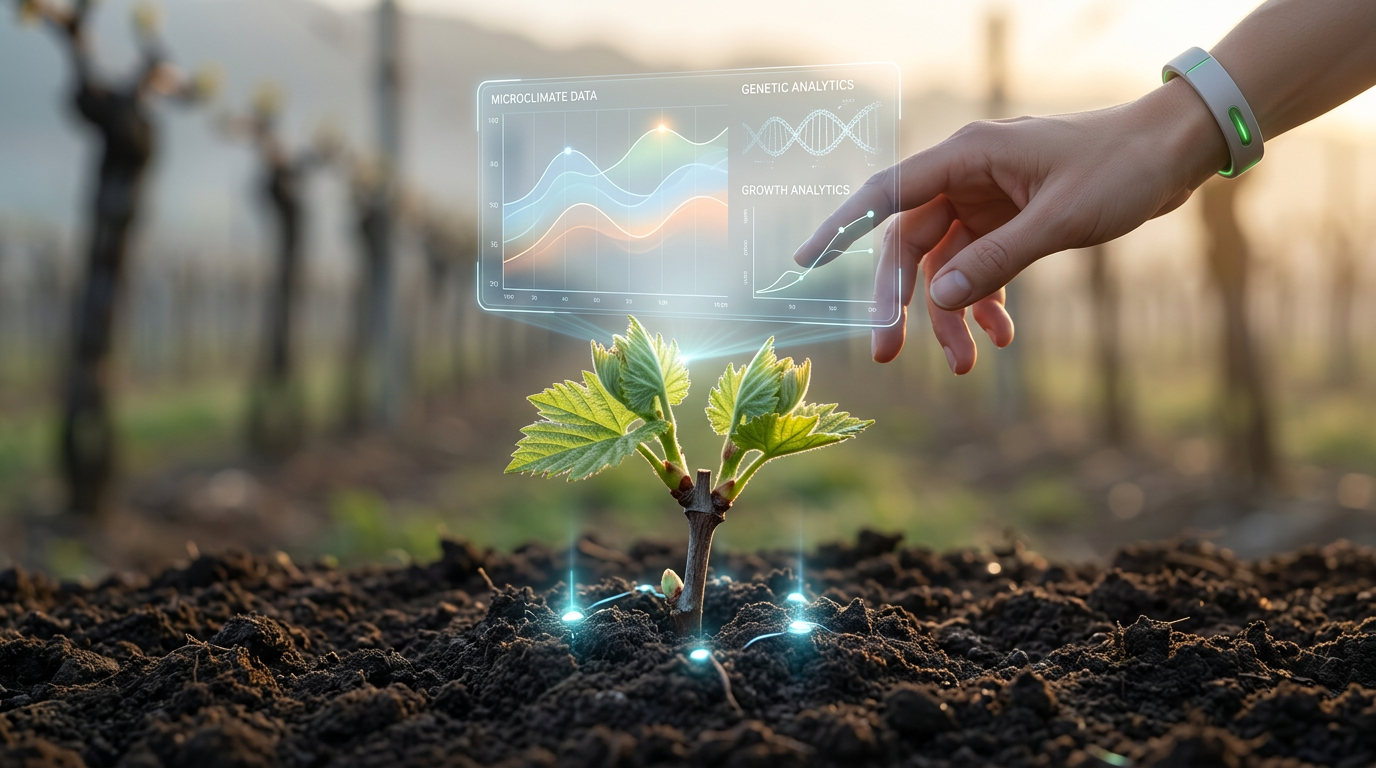
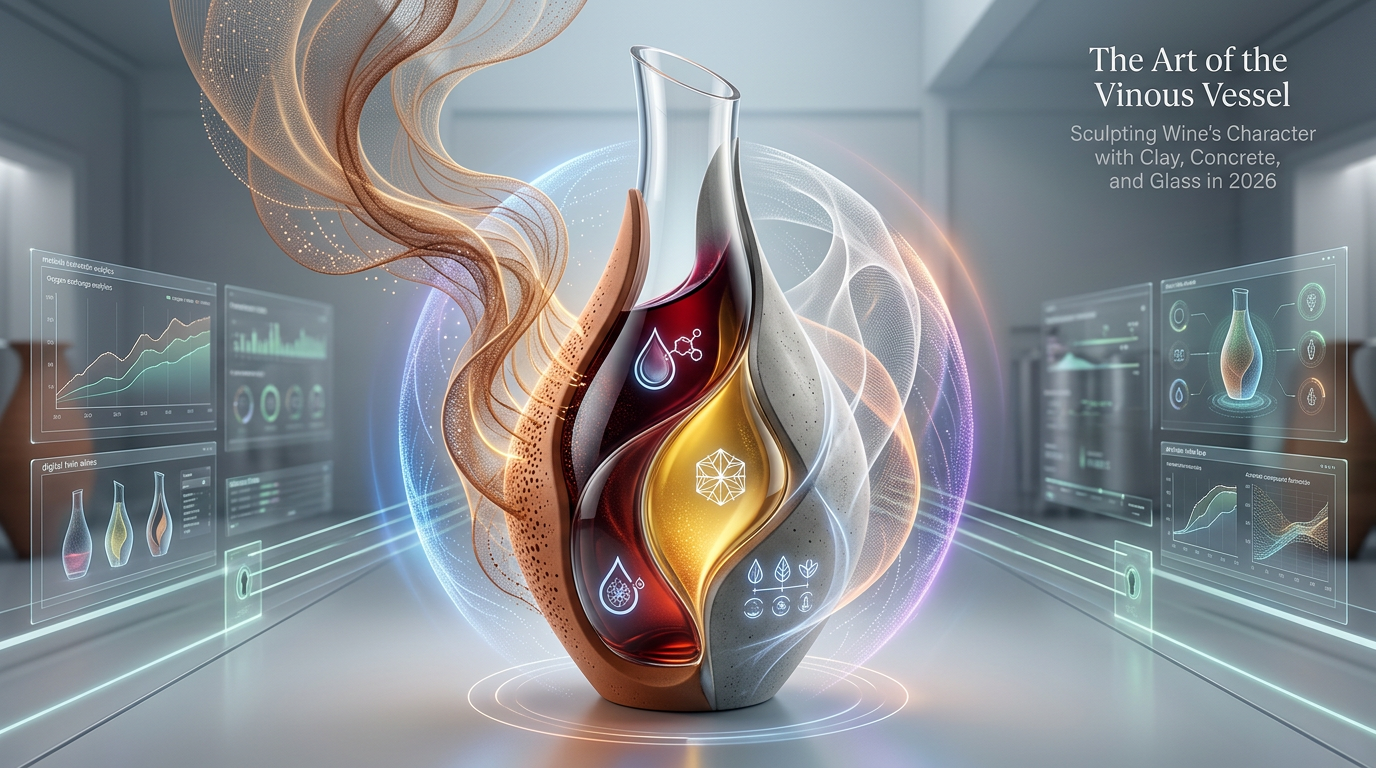
The Art of Vinous Empathy: Connecting with Winemakers' Stories Through Every Sip in 2026
In 2026, vinous empathy offers a profound way to connect with wine beyond taste. This concept involves delving into the passion, struggles, and triumphs of winemakers. Understanding this connection elevates the drinking experience, fostering appreciation for the craftsmanship and humanity behind each bottle. It’s about feeling the story in every sip.

The Art of Vinous Empathy: Connecting with Winemakers' Stories Through Every Sip in 2026
In the vibrant and ever-evolving world of wine, a concept often overlooked but profoundly impactful is vinous empathy. This isn't merely about appreciating a wine's taste; it's about delving deeper, connecting with the passion, the struggles, and the triumphs of the hands that crafted it. As we navigate 2026, understanding this connection between the drinker and the producer is more relevant than ever, transforming a simple sip into a journey through history, culture, and personal narrative.
Understanding the human element behind each bottle can significantly enhance the tasting experience, moving beyond mere cognitive blends of flavor perception to a more profound appreciation.
Cultivating Vinous Empathy: Beyond the Tasting Notes
To truly experience wine, we must move past just identifying aromas and flavors. While sensory analysis is crucial, vinous empathy invites us to consider the broader context. It encourages us to ask:
- What challenges did the winemaker face this vintage?
- What specific techniques were employed to express the terroir?
- What is the story behind this vineyard's name or the label's design?
By seeking these answers, we begin to build a bridge between ourselves and the artisan, enriching our appreciation exponentially. This isn't just about consumer education; it is about fostering a deeper, more mindful relationship with what's in our glass. This connection also taps into the psychology of wine expectation, shaping our perception of quality.
The Winemaker's Journey: A Tapestry of Dedication
Every bottle of wine is a culmination of intense dedication. From selecting the perfect clone to meticulously managing the canopy, each decision reflects the winemaker's vision and philosophy. Understanding this journey is key to developing vinous empathy.
Consider the recent challenges of climate change in 2026, which have necessitated innovative viticultural practices. Winemakers are increasingly adapting to extreme weather patterns, making their agricultural decisions even more critical. Knowing a wine hails from a region that overcame significant frost or drought, for instance, adds another layer of respect to its character. This adaptation process ties into understanding the enduring influence of historic climate shifts on modern vintages.
Terroir and Connection: The Landscape's Voice
The concept of terroir – the unique combination of soil, climate, and topography – is fundamental to wine production. But vinous empathy pushes us to see terroir not just as a scientific description, but as the very voice of the land, articulated by the winemaker.
When you taste the minerality in a Riesling from a slate-rich vineyard, or the earthy notes from a Pinot Noir grown on limestone, you're not just tasting chemicals. You're experiencing the winemaker's interpretation of that specific soil, that particular microclimate, brought to life through their craft. Delving into the nuances of specific soil types can illuminate the winemaker's craft, akin to appreciating a winemaker's 'signature soil'.
The Human Element: Winemakers as Storytellers Through Vinous Empathy
Winemakers are, in essence, storytellers. Their medium is grapes, their canvas is the vineyard, and their narratives are bottled for us to interpret. Developing vinous empathy means recognizing and valuing these stories.
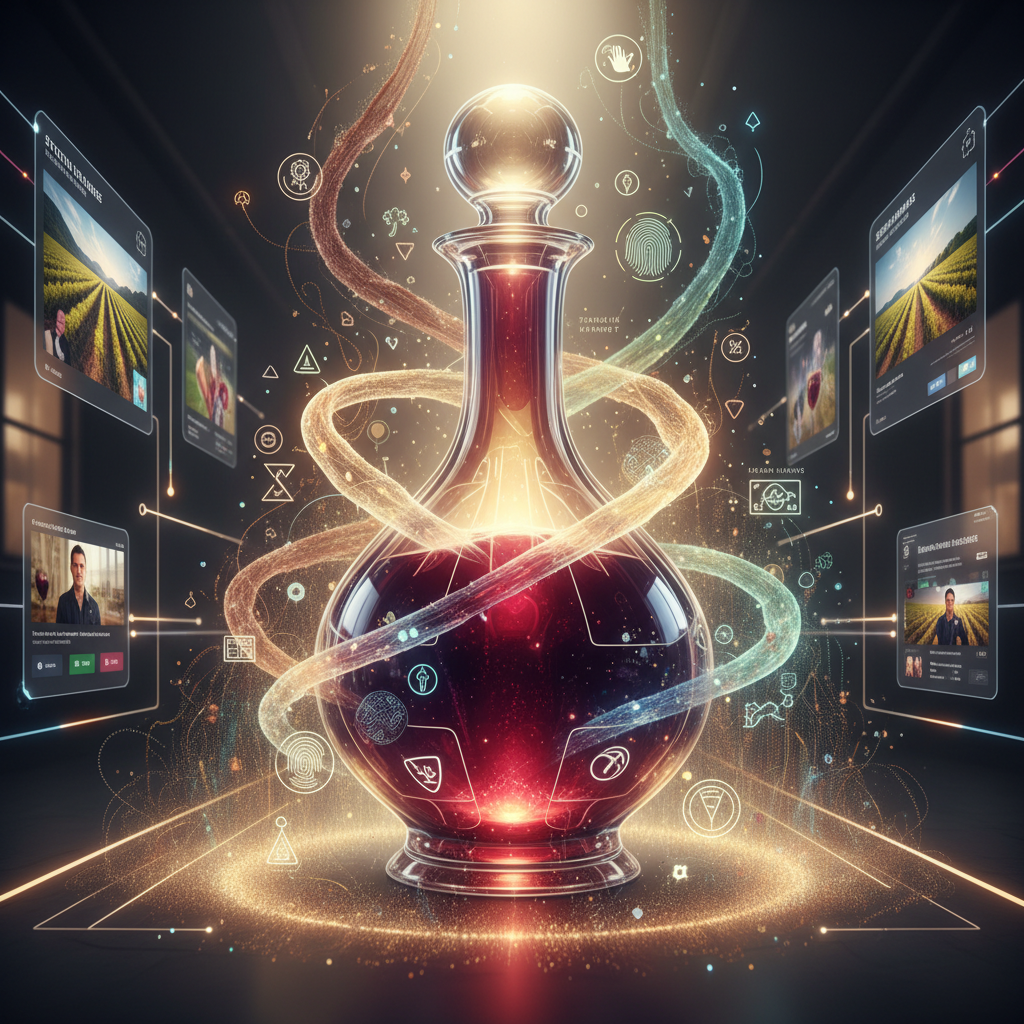
In 2026, with the rise of direct-to-consumer sales and more accessible online platforms, winemakers are sharing their personal stories more openly than ever. Blogs, social media, and virtual tastings offer unprecedented access to the personalities behind the labels, making it easier for consumers to foster this empathetic connection.
For example, a small, family-owned winery might share tales of generations working the same plot of land, passing down traditional methods. A cutting-edge producer might detail their experiments with biodynamic practices or novel fermentation techniques. Each narrative adds depth to the wine's identity. This trend is amplified by the growing digital footprint of sommeliers and producers, making their stories more widely accessible.
Decoding the Label: Clues to the Artisan's Soul
The wine label itself can be a rich source of information, offering clues to the winemaker's intent and philosophy. Beyond the legal requirements, look for:
- Estate origins and family history
- Specific vineyard designations
- Artistic elements or symbols with personal meaning
- Certifications (organic, biodynamic, sustainable) that reflect their ethos
These details are not mere decoration; they are subtle invitations to understand the spirit embedded within the bottle, a direct line to practicing vinous empathy. Embracing organic or biodynamic practices, for instance, highlights a commitment often going beyond simple certification.
Elevating Your Tasting Experience with Vinous Empathy
How can you actively incorporate vinous empathy into your wine tasting rituals? It starts with curiosity and a willingness to explore beyond the obvious.
Practical Steps for Greater Connection:
- Research the Producer: Before or during your tasting, take a few minutes to look up the winery. What's their history? What are their values?
- Consider the Vintage: Understand the weather conditions of that particular year in the region. Was it a challenging year or a bountiful one?
- Attend Virtual or In-Person Tastings: Engaging directly with winemakers or their representatives offers invaluable insights. Ask questions about their philosophy and challenges.
- Read Wine Publications: Beyond simple reviews, seek out articles that delve into the winemaking process, regional characteristics, and producer profiles. A highly recommended resource for detailed wine information is Wine-Searcher.com.
- Visit Vineyards: If possible, visiting a wine region and walking through a vineyard offers a tangible connection to the source and the hard work involved. Resources like Wines of Chile or Vins d'Alsace often provide visitor information and stories from their regions.
By integrating these practices, you move from passive consumption to active engagement, transforming your appreciation for wine from superficial to profound. This holistic approach is what Greatest Wine aims to cultivate in every enthusiast.
The Future of Wine Appreciation: A Symphony of Senses and Stories in 2026
As we look deeper into 2026, the trend towards authentic, story-driven consumption is only growing. Consumers are increasingly seeking products with transparency and integrity, and wine is no exception. Vinous empathy aligns perfectly with this desire for deeper meaning and connection.
The industry is responding by making winemakers' stories more accessible. From interactive winery websites featuring virtual tours to detailed QR codes on bottles linking to vineyard information, technology is facilitating a more intimate relationship between producer and consumer. This evolution is enriching the wine experience for everyone, turning each glass into a curated journey.
Ultimately, vinous empathy is not just a concept; it's a practice that enriches every aspect of wine enjoyment. It transforms a simple beverage into a vibrant tapestry of culture, craft, and human endeavor. So, the next time you pour a glass, take a moment. Reflect on the journey it took to reach you, and allow yourself to connect with the winemaker's story. You might just find that the wine tastes even better.
Written by
Juniper Thorne is an experienced writer and educator with a deep passion for the world of wine. Bringing expertise in sensory analysis and wine culture to the Greatest Wine platform, Juniper helps readers explore and appreciate every nuance of wine.
Related Articles
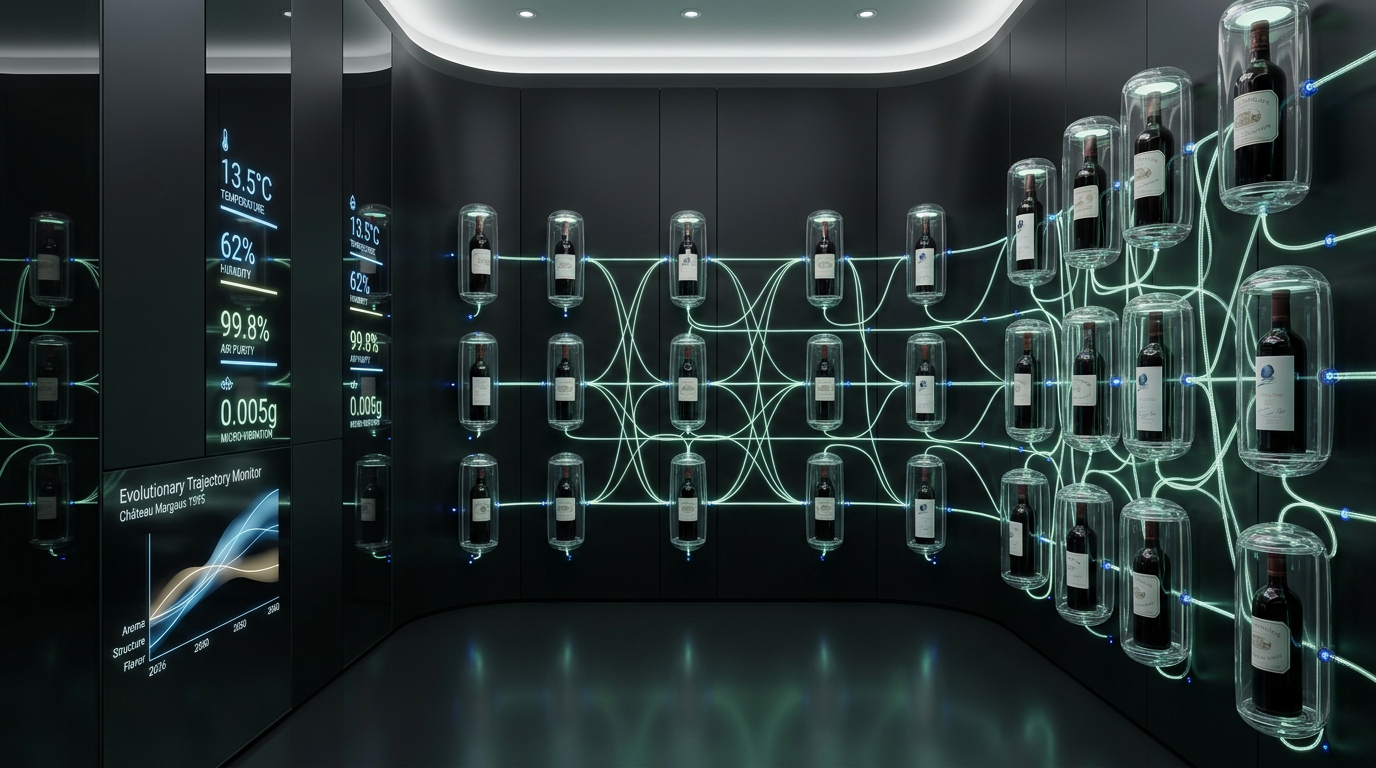
The Cellar Architects: Mastering Elite Wine Preservation and Evolution in 2026
For the true connoisseur, wine is more than just a beverage; it's a living entity, an investment, and a passion. Mastering its preservation and evolution is an art form, especially in 2026 with new technologies and insights. Learn how to protect and enhance your cherished collection.
Juniper Thorne