The Art of the Vinous Tapestry: Weaving Indigenous Crafts and Wine Culture in 2026
The world of wine is experiencing a fascinating transformation in 2026, moving beyond simple consumption to embrace holistic cultural experiences. A particularly exciting development is the synergistic connection between viticulture and traditional artistry. This intersection, often highlighted by the term indigenous crafts wine, is creating immersive experiences that celebrate rich cultural heritage alongside exceptional vintages. Discover how this trend is redefining wine appreciation.

The Art of the Vinous Tapestry: Weaving Indigenous Crafts Wine Culture in 2026
The world of wine is undergoing a fascinating transformation in 2026, moving beyond mere beverage consumption to embrace holistic cultural experiences. One of the most exciting trends is the synergistic connection between viticulture and traditional artistry. This intersection, often highlighted by the term indigenous crafts wine, is creating immersive experiences that celebrate both heritage and modern winemaking. From handcrafted decanters to culturally inspired vineyard labels, this movement is enriching the narrative of wine, making it a deeper, more meaningful journey for enthusiasts worldwide. The integration of indigenous crafts wine offers a unique blend of tradition and innovation. For a deeper dive into the emotional connection forged by winemakers, consider exploring The Art of Vinous Empathy: Connecting with Winemakers' Stories Through Every Sip in 2026.
The Deep Roots of Indigenous Crafts Wine: A Cultural Fusion
The concept of indigenous crafts wine is much more than a marketing gimmick; it's a testament to the shared human spirit of creation and connection to the land. Many winemaking regions around the globe are also home to rich traditions of craft, passed down through generations. This natural synergy often leads to breathtaking collaborations that tell a story far beyond the vintage.
In 2026, consumers are increasingly seeking authenticity and sustainability. They want to understand the origins of their products and the hands that shaped them. This desire for connection makes the integration of local crafts into the wine experience particularly appealing, providing a tangible link to culture and community. Understanding these deep connections can sometimes feel like decoding hidden messages, much like The Art of the Vinous Cipher: Decoding Hidden Messages in Wine Aromas for 2026.
Celebrating Terroir Through Artistry: The Essence of Indigenous Crafts Wine
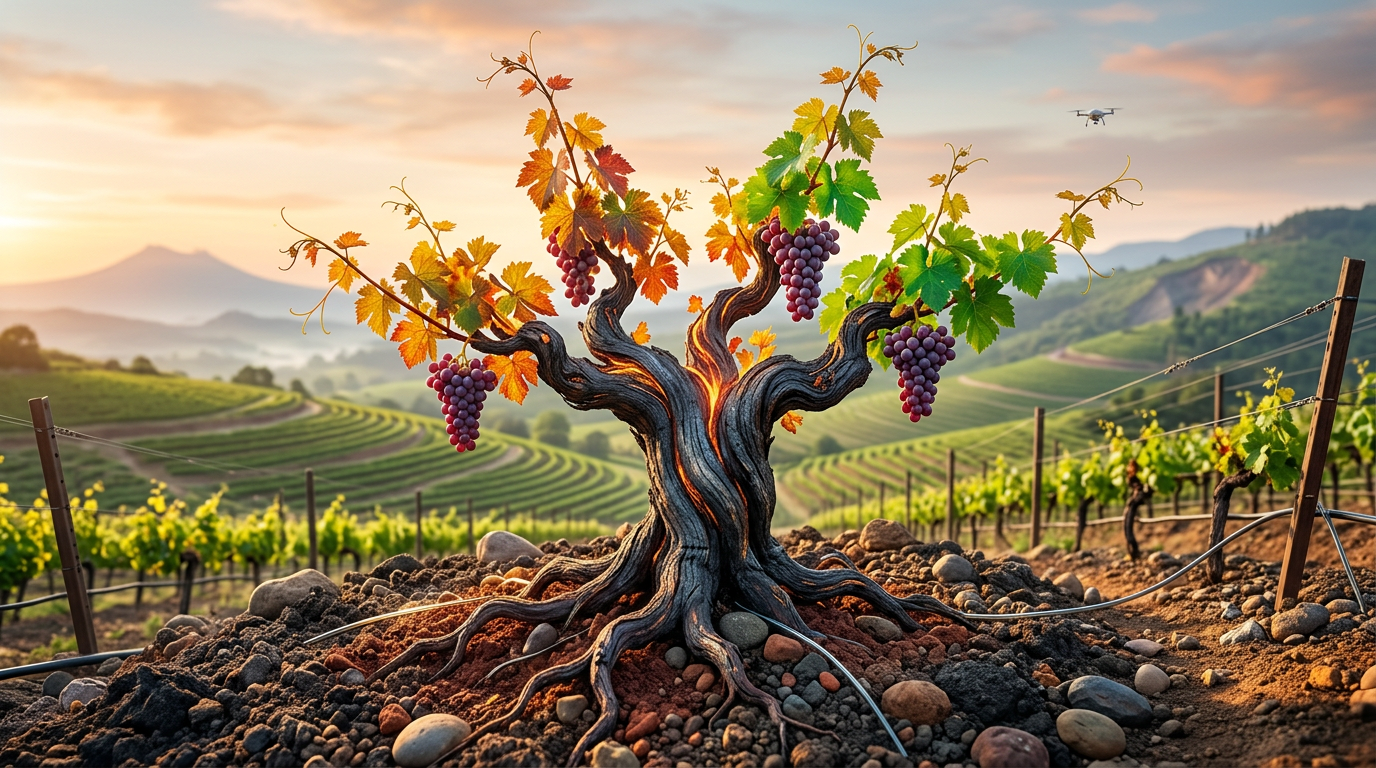
Just as wine expresses its unique terroir – the distinct characteristics of the land, climate, and tradition – so too do indigenous crafts reflect the natural resources and cultural history of a region. When these two expressions intertwine, a powerful narrative emerges. Think of a hand-woven basket from a Portuguese village cradling a bottle of its finest vintage, or a ceramic tasting cup crafted by Incan descendants, reflecting the very soil that nourishes the grapes in a Peruvian vineyard. This fusion truly defines the spirit of indigenous crafts wine. For further insights into the profound influence of a region's soil, read about The Art of the Winemaker's 'Signature Soil': Cultivating Unique Terroir Through Advanced Soil Science in 2026.
These pairings elevate the tasting experience, grounding it in a sense of place and heritage. They move wine appreciation beyond just the palate, engaging sight and touch in a multi-sensory celebration of culture.
Enhancing the Wine Experience with Handcrafted Elements
- Packaging Design: Labels featuring intricate traditional artwork, stoppers made from unique local woods, or bottles adorned with hand-painted motifs.
- Serving Rituals: Bespoke carafes, decanters, and glassware crafted using ancient glassblowing techniques or pottery styles.
- Vineyard Accessories: Hand-stitched aprons for winery staff, woven picnic blankets for vineyard tours, or decorative elements within the tasting rooms themselves.
Global Trends in Indigenous Crafts Wine in 2026
The movement uniting indigenous crafts wine is gaining significant momentum across continents. From the ancient traditions of Europe to the vibrant cultures of South America and the artistic heritage of Oceania, wineries are actively seeking partnerships that highlight local artistry. This not only supports local economies but also enriches the global wine narrative.
This trend is also driven by consumer demand for ethical sourcing and unique, story-rich products. The provenance of a wine, coupled with the provenance of its accompanying crafts, becomes a powerful selling point that resonates with a conscientious audience. This aligns with broader shifts towards sustainability, as discussed in agricultural trends by organizations like the Food and Agriculture Organization of the United Nations (FAO).
Notable Collaborations and Initiatives
- Chilean Wineries & Mapuche Textiles: Several wineries in Chile are collaborating with Mapuche artisans to create unique textile designs for wine labels and accessories, reflecting the rich cultural heritage of the region.
- Australian Vineyards & Aboriginal Art: In Australia, winemakers are partnering with Aboriginal artists to incorporate traditional dot painting and Dreaming stories onto their bottles, offering a glimpse into one of the world's oldest continuous cultures.
- Italian Estates & Ceramic Artisans: Historic Italian wine estates are commissioning local ceramicists to produce bespoke serving platters and decanters, drawing on centuries-old traditions of Tuscan or Sicilian pottery.
- South African Wineries & Zulu Beading: Some South African vineyards are working with Zulu beadwork artists to create intricate bottle decorations, transforming each bottle into a vibrant piece of art.
The Economic and Social Impact of Weaving Craft into Wine: The Power of Indigenous Crafts Wine
The integration of indigenous crafts wine initiatives extends far beyond aesthetics; it creates tangible economic and social benefits for local communities. By commissioning artisans and featuring their work, wineries contribute to the preservation of traditional skills and provide sustainable livelihoods.
This collaborative model empowers craftspeople, ensuring that their invaluable cultural knowledge and techniques are passed down to future generations. It also offers a diversified income stream, reducing vulnerability to economic shifts often faced by rural communities. The wine industry, in turn, benefits from a stronger connection to its local environment and a deeper, more authentic story to tell. For more on the economic impact of cultural industries, the UNESCO Framework for Cultural Statistics provides relevant insights.
Supporting Local Economies and Preserving Heritage
When you purchase a bottle of wine that features indigenous crafts, you're not just buying a beverage; you're investing in a cultural ecosystem. You're supporting an artisan, a family, and a tradition that might otherwise fade. This conscious consumerism is a powerful force for positive change in 2026.
Moreover, the influx of interest helps to elevate the status of these crafts, bringing them onto a global stage and fostering a renewed sense of pride within the communities themselves. It highlights the intricate link between land, people, and product, embodying the very essence of terroir in a broader cultural sense.
Future Forward: The Enduring Appeal of Indigenous Crafts Wine
As we look deeper into 2026 and beyond, the trend of combining indigenous crafts wine is set to grow even stronger. Consumers are increasingly seeking authenticity, ethical production, and experiences that resonate on a deeper level. The wine world, with its inherent connection to land and tradition, is perfectly positioned to deliver this.
This movement is not just about decorating bottles; it's about celebrating a shared humanity, fostering community, and providing a sensory journey enriched by history, art, and passion. It's about recognizing that a truly exceptional wine experience encompasses more than just taste – it's about the stories, the people, and the culture woven into every drop.
Engaging with the Future of Wine and Craft
- Educating Consumers: Wineries are increasingly providing detailed information about the artisans and their crafts, including QR codes on labels linking to videos or profiles.
- Curated Experiences: Tasting room experiences are incorporating craft workshops or exhibitions, allowing visitors to engage directly with the art forms.
- Sustainable Sourcing: Emphasis on sustainably sourced materials for crafts, aligning with the wine industry's growing focus on environmental responsibility.
The union of indigenous crafts wine is a beautiful illustration of how traditional knowledge and contemporary industries can not only co-exist but thrive together, creating a richer, more meaningful world for all.
Written by
Juniper Thorne is an experienced writer and educator with a deep passion for the world of wine. Bringing expertise in sensory analysis and wine culture to the Greatest Wine platform, Juniper helps readers explore and appreciate every nuance of wine.
Related Articles

The Vinous Verse: How Wine's Spirit Inspires 2026's Poetic and Literary Masterpieces
The intricate dance between the grape and the written word has enchanted humanity for millennia. Explore the profound connection between wine and literature, from ancient musings to 2026's contemporary narratives and poetic masterpieces. Discover how the world of wine continually inspires writers.
Juniper Thorne