The Art of the Vinous Tapestry: Weaving Indigenous Traditions with Modern Winemaking in 2026
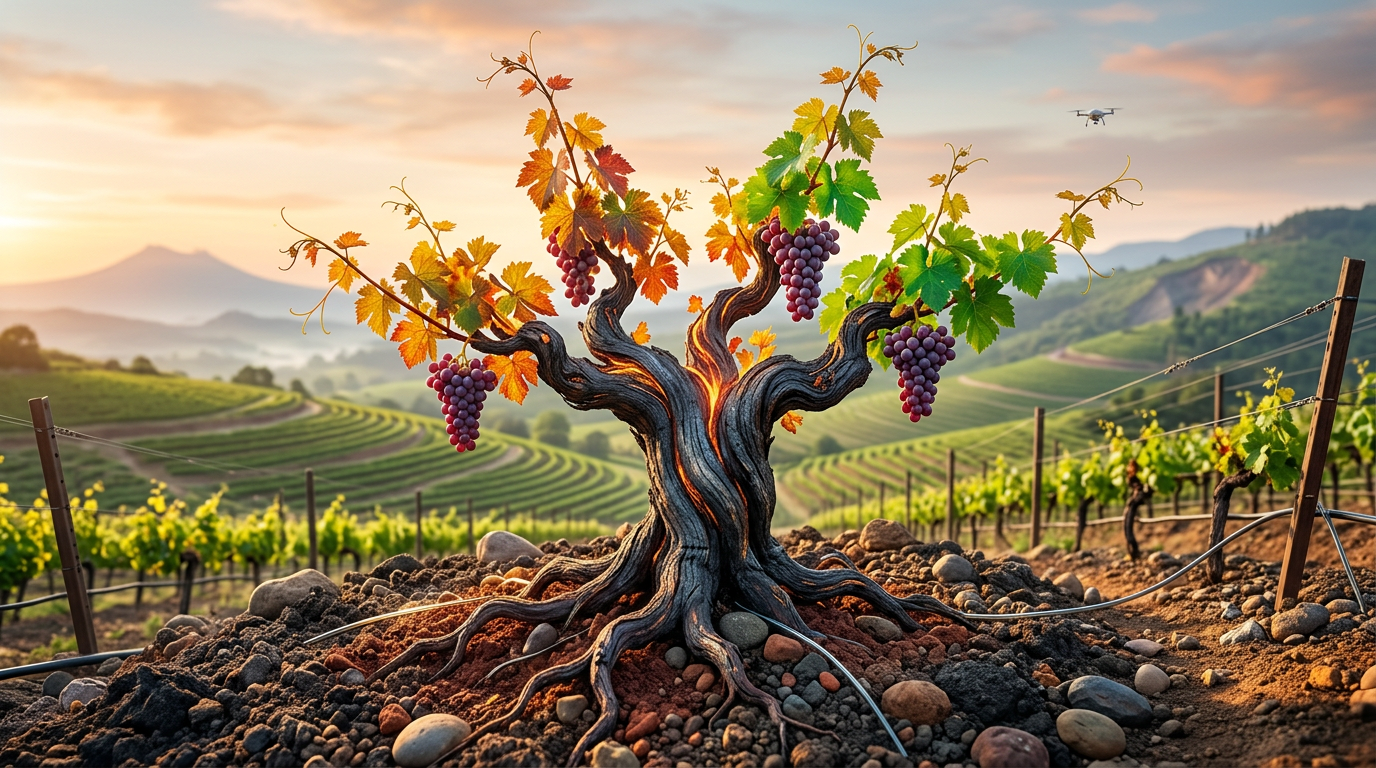
As we navigate the fascinating landscape of global viticulture in 2026, a powerful and increasingly recognized trend is the resurgence and celebration of indigenous winemaking practices. This movement goes beyond mere heritage; it's a profound reconnection with ancestral knowledge, sustainable methods, and unique terroir expressions that are shaping the future of wine.


The Art of the Vinous Tapestry: Weaving Indigenous Traditions with Modern Indigenous Winemaking 2026
As we navigate the fascinating landscape of global viticulture in 2026, a powerful and increasingly recognized trend is the resurgence and celebration of indigenous winemaking 2026 practices. This movement goes beyond mere heritage; it's a profound reconnection with ancestral knowledge, sustainable methods, and unique terroir expressions that are shaping the future of wine. Winemakers worldwide are looking back to move forward, integrating ancient techniques with modern advancements to craft exceptional wines that tell a deeper story. The focus on indigenous winemaking 2026 highlights a global shift towards authenticity and environmental stewardship in the wine industry.
This evolving landscape is also prompting discussions around related topics, such as how AI is designing hyper-personalized wine experiences and the psychological impact of wine packaging on perception, as explored in The Art of the 'Cognitive Cork'.
The Global Revival of Indigenous Winemaking 2026 Traditions
The past decade has seen an exponential growth in interest surrounding heritage grape varieties and traditional cultivation methods. In 2026, this interest has blossomed into a full-fledged revival, driven by consumers seeking authenticity, sustainability, and distinctive taste profiles. From the rugged Caucasus mountains to the ancient vineyards of the Americas, indigenous communities are sharing their deep-rooted viticultural wisdom, redefining the landscape of indigenous winemaking 2026.
Ancient Grapes, New Horizons
Many forgotten or marginalized grape varietals are being meticulously rediscovered and brought back into cultivation. These grapes, often naturally resilient to local climates and pests, offer unique genetic diversity and exciting flavor profiles. Winemakers are recognizing their potential to create truly original wines, often celebrating their heritage through blockchain authenticity. This focus on ancient varietals is a cornerstone of indigenous winemaking 2026.
- Rkatsiteli (Georgia): A white grape with thousands of years of history, known for its longevity and complex aromatics when made in qvevri.
- Listán Negro (Canary Islands): A red grape thriving in volcanic soils, producing wines with distinctive minerality and smoky notes.
- Mission Grape (Americas): Historically significant, this red grape is experiencing a renaissance, offering simple yet charming wines.
Qvevri and Amphora: Echoes of the Past
The use of traditional fermentation vessels like Georgian qvevri and ancient amphorae is no longer a niche practice but a respected method in the broader winemaking community. These porous clay vessels allow for slow, natural fermentation and maturation, often resulting in wines with unique textures and profound complexity. The embracing of these methods highlights a desire for minimal intervention winemaking. This approach aligns with the growing appreciation for the unseen forces shaping vintage uniqueness, emphasizing a respect for natural processes, and is a key element of indigenous winemaking 2026.
Sustainability and Terroir: The Core of Modern Indigenous Winemaking 2026
At its heart, the movement towards indigenous winemaking 2026 is intrinsically linked with principles of sustainability and an acute understanding of terroir. These traditional practices often predate industrial agriculture, relying on harmony with the natural environment rather than imposing upon it. This holistic approach is resonating strongly with environmentally conscious consumers and producers alike, making sustainability a defining characteristic of indigenous winemaking 2026.
Biodiversity and Ecological Balance
Indigenous agricultural practices often promote biodiversity within the vineyard ecosystem. This includes intercropping, natural pest control, and fostering healthy soil microbiomes. Such methods reduce the need for chemical inputs, contributing to healthier vineyards and more resilient vines. In 2026, the value of such ecological stewardship is more recognized than ever, especially within the realm of indigenous winemaking 2026.
This commitment to biodiversity extends beyond the vineyard, influencing broader land management and conservation efforts within winemaking regions. It's a proactive step towards preserving indigenous flora and fauna.
Expressing the True Terroir
By using native grape varieties and traditional techniques, winemakers aim to allow the unique characteristics of their land – the soil, climate, and topography – to shine through unadulterated. This authentic expression of terroir is highly prized by connoisseurs. It is seen as a way to create wines that truly belong to their place of origin, offering an unparalleled sensory experience. This dedication to authentic expression mirrors the broader trend of connecting with the winemakers' stories through every sip, and is a hallmark of quality indigenous winemaking 2026.
The focus on minimal intervention, such as natural fermentation with wild yeasts and little to no fining or filtration, further amplifies the terroir's voice in the final wine.
Challenges and Opportunities in Indigenous Winemaking 2026
While the movement gains momentum, it's not without its hurdles. However, these challenges often present opportunities for innovation and collaboration within the indigenous winemaking community and beyond. The future of indigenous winemaking 2026 depends on addressing these aspects thoughtfully.
Navigating Modern Regulations
Traditional winemaking methods, particularly those involving skin contact for white grapes (orange wines) or natural fermentation in different vessels, sometimes fall outside conventional regulatory definitions. Advocating for updated appellation rules and quality standards that embrace these methods is crucial for the growth of indigenous winemaking 2026.
Producers are working with regulatory bodies to create classifications that acknowledge and protect wines made with traditional indigenous practices, ensuring their authenticity and market presence. More information on global wine regulations can be found from organizations like the International Organisation of Vine and Wine (OIV).
Market Recognition and Education
Educating consumers about the unique characteristics, historical significance, and sustainable benefits of indigenous wines is vital. Marketing efforts need to highlight the stories behind these wines, connecting drinkers to the cultural heritage and craftsmanship involved in indigenous winemaking 2026.
- Tasting Events: Specialized tastings and festivals dedicated to indigenous wines are becoming more prevalent.
- Sommelier Training: Increased inclusion of indigenous wines in sommelier certification programs.
- Digital Storytelling: Leveraging online platforms to share the narratives of producers and their ancestral lands.
The Economic and Cultural Impact of Indigenous Winemaking 2026
The resurgence of indigenous winemaking offers significant economic opportunities for local communities. It creates jobs, promotes tourism, and helps preserve cultural traditions that might otherwise fade. This economic empowerment is a powerful facet of the indigenous winemaking 2026 movement.
Supporting Local Economies
By focusing on hyper-local production, this movement often circulates wealth within the community, supporting growers, artisans, and other related businesses. It also encourages the repatriation of intellectual property surrounding traditional techniques, strengthening the foundation of indigenous winemaking 2026.
Preserving Cultural Heritage
Wine is deeply intertwined with culture, and indigenous winemaking acts as a vital conduit for preserving and celebrating ancestral traditions, languages, and rituals. Each bottle becomes a testament to enduring heritage.
Many traditional winemaking families are experiencing a renewed sense of pride and purpose, as their age-old knowledge is now valued and sought after globally. They are becoming custodians of invaluable viticultural legacies. For deeper insights into indigenous cultural preservation, resources like the United Nations Department of Economic and Social Affairs (UNDESA) Indigenous Peoples initiatives can be helpful.
Looking Ahead: The Future of Indigenous Winemaking 2026 and Beyond
As we look to the rest of 2026 and into the future, the integration of indigenous wisdom into modern viticulture is set to deepen. This isn't just a fleeting trend but a foundational shift towards a more diverse, sustainable, and culturally rich wine world. The global wine community is learning that the oldest ways can often be the most innovative.
The continued exploration of ancient grape varietals, the refinement of traditional techniques, and the unwavering commitment to sustainability will define this exciting chapter in wine history. Indigenous winemaking 2026 is not just about making wine; it's about reconnecting with the earth, honoring heritage, and crafting beverages with soul and story. The blending of ancient wisdom with modern approaches is creating a vinous tapestry of indigenous crafts and wine culture for 2026.
We at Greatest Wine are thrilled to witness this evolution. We believe that understanding these deep roots of winemaking enriches the entire wine experience, from the soil to the glass.
Written by
Juniper Thorne is an experienced writer and educator with a deep passion for the world of wine. Bringing expertise in sensory analysis and wine culture to the Greatest Wine platform, Juniper helps readers explore and appreciate every nuance of wine.
Related Articles

The Vinous Verse: How Wine's Spirit Inspires 2026's Poetic and Literary Masterpieces
The intricate dance between the grape and the written word has enchanted humanity for millennia. Explore the profound connection between wine and literature, from ancient musings to 2026's contemporary narratives and poetic masterpieces. Discover how the world of wine continually inspires writers.
Juniper Thorne