The Art of the Vinous Tapestry, Re-Interpreted: Weaving Heritage Grapes and Blockchain Authenticity in 2026
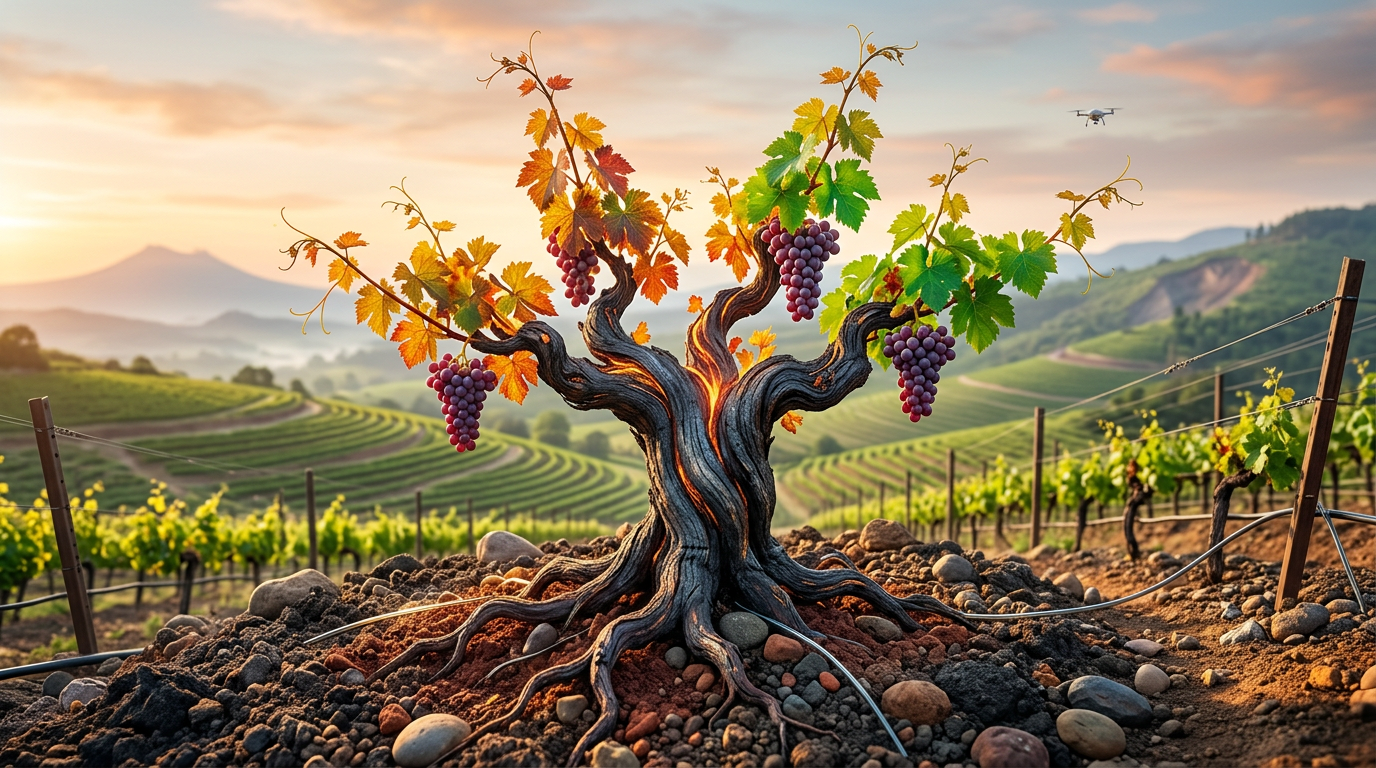
The world of wine continues its fascinating evolution in 2026, with a renewed focus on tradition meeting cutting-edge innovation. Among the most exciting trends is the resurgence of interest in heritage grape wines 2026, celebrating the forgotten varietals and time-honored winemaking techniques that define unique terroirs. These aren't just beverages; they are liquid histories, each bottle telling a story of place, climate, and dedication. This article delves into how winemakers are preserving these precious grapes and how blockchain technology is revolutionizing authenticity, ensuring consumer trust in every sip.


Heritage Grape Wines 2026: Weaving Tradition and Blockchain Authenticity
The world of wine continues its fascinating evolution in 2026, with a renewed focus on tradition meeting cutting-edge innovation. Among the most exciting trends is the resurgence of interest in heritage grape wines 2026, celebrating the forgotten varietals and time-honored winemaking techniques that define unique terroirs. These aren't just beverages; they are liquid histories, telling stories of land, climate, and human ingenuity that stretch back centuries. This year, we delve deep into how these ancestral grapes are being revitalized, offering unparalleled complexity and a genuine taste of the past, while embracing modern advancements like blockchain for authenticity.
Rediscovering the Roots: The Appeal of Heritage Grape Wines 2026
In an era of mass production and globalized palates, heritage grape wines 2026 stand out as beacons of individuality and character. These wines are often made from indigenous grape varieties that have adapted perfectly to their local environments over generations, producing distinct flavor profiles that simply cannot be replicated elsewhere. Winemakers are increasingly looking to these ancestral vines to differentiate their offerings and provide consumers with truly unique tasting experiences.
What Defines a Heritage Grape?
A heritage grape is typically an ancient varietal, often heirloom or indigenous to a specific region, that has historically played a significant role in local winemaking but may have fallen out of favor due to changing trends, economic pressures, or the dominance of more commercially popular international grapes. Their resilience and distinct characteristics are now being celebrated, contributing to the rich tapestry of heritage grape wines 2026.
- Rarity: Many heritage grapes are cultivated in small plots, making their wines exclusive.
- Terroir Expression: They often offer a more profound expression of their specific soil and climate. For more on how environmental factors influence wine, explore The Art of the 'Vinous Nebula': Deconstructing the Cosmic Influences on Terroir in 2026.
- Biodiversity: Their revival contributes significantly to viticultural biodiversity.
- Flavor Complexity: Expect unusual and nuanced aromatic and flavor profiles. If you’re interested in the science behind these profiles, check out The Art of the 'Cognitive Blend': How Our Brains Harmonize Wine Flavors in 2026.
Notable Heritage Varietals Gaining Traction
From the depths of Portugal’s northern regions to the sun-drenched hills of Greece, winemakers are unearthing and championing varietals that were once on the brink of extinction. Examples include Verdejo from Spain (beyond just Rueda), Timorasso from Piedmont, Italy, and a renewed focus on grapes like País in Chile. Expect to see these and many others appearing on fine dining menus and specialist wine lists throughout 2026, enriching the world of heritage grape wines 2026.
The Craftsmanship Behind Heritage Grape Wines
Producing heritage grape wines 2026 often involves a meticulous, artisanal approach. These are not wines made for high-volume markets, but rather for discerning palates that appreciate tradition and subtle nuances. Winemakers dedicated to these varietals often employ sustainable and organic farming practices, believing that healthy vines are key to expressing the true character of the grape.
Sustainable Viticulture and Old-World Techniques
Many producers of heritage grapes lean heavily on traditional viticultural methods. This can include dry farming, hand-harvesting, and minimal intervention in the cellar. The goal is to allow the grape, and the land it comes from, to speak for itself. These practices also align with the growing consumer demand for environmentally friendly and ethically produced wines, making heritage grape wines 2026 a sustainable choice.
For example, some wineries are re-introducing ancient trellising systems or even using animals for vineyard maintenance, all contributing to a holistic approach that honors the grape's legacy. This careful stewardship results in wines that are not only delicious but also reflect a deep respect for the environment.
Ensuring Authenticity: Blockchain and Heritage Grape Wines 2026
As the market for rare and coveted wines expands, so does the demand for verifiable authenticity. This is where modern technology, specifically blockchain, plays a pivotal role for heritage grape wines 2026. Blockchain provides an immutable, transparent ledger that can track a bottle's journey from vine to cellar to consumer, safeguarding against counterfeiting and ensuring provenance.
How Blockchain Protects Your Investment
A wine bottle tagged with a blockchain-based certificate of authenticity allows buyers to scan a QR code and access a detailed history of the wine. This includes information about the vineyard, harvest date, winemaking process, bottling date, storage conditions, and even previous ownership. For high-value heritage wines, this level of transparency is invaluable.
The integrity of heritage grape wines 2026 is paramount, and blockchain technology offers a robust solution:
- Provenance Verification: Confirms the wine's origin and lineage.
- Counterfeit Prevention: Makes it exceedingly difficult to introduce fake bottles into the market. For more on combating wine fraud, explore resources like the Wine Fraud website.
- Supply Chain Transparency: Provides a clear record of every step in the wine's journey. Learn about the broader applications of this technology from sources like IBM's guide to blockchain.
- Consumer Confidence: Builds trust in the buyer by offering undeniable proof of legitimacy.
This integration of ancient varietals with futuristic technology creates a powerful narrative of past and present converging for a more secure future in fine wine appreciation of heritage grape wines 2026.
Tasting the Legacy: Sensory Analysis of Heritage Grapes
When approaching heritage grape wines 2026, prepare for an adventure for your senses. These wines often deviate from the more familiar flavor spectra of international varietals, offering nuanced aromas and complex palates that invite deeper exploration. Understanding how to taste and appreciate these unique characteristics is key to unlocking their full potential.
Developing Your Palate for Unique Profiles
Tasting heritage grape wines requires an open mind and a willingness to explore. You might encounter aromas that are herbaceous, mineral-driven, or floral in ways you haven't experienced before. Pay attention to the acidity, which often provides remarkable freshness and longevity, and the texture, which can range from silky to robust. Decant these wines, allow them to breathe, and observe their evolution in the glass.
Consider attending specialized tastings or educational workshops focused on indigenous varietals to deepen your understanding. The learning journey is part of the enjoyment with these distinctive wines.
Food Pairing with Heritage Grape Wines
Due to their unique profiles, heritage wines offer exciting opportunities for food pairing. Often, the best pairings lie with traditional regional cuisines that have evolved alongside these grapes. A hearty, rustic meal might find its perfect match in a robust, earthy red from an ancient varietal, while a delicate seafood dish could be elevated by a crisp, aromatic white. Don't be afraid to experiment beyond conventional wisdom – the unexpected pairings are often the most rewarding.
The Future of Wine: Celebrating Diversity in 2026
The embrace of heritage grape wines 2026 signifies a broader movement towards celebrating diversity, sustainability, and authentic experiences within the wine industry. It's a testament to the enduring power of tradition combined with a forward-thinking approach to quality and integrity. As consumers become more sophisticated and demand greater transparency, these unique wines, backed by innovative technologies like blockchain, are perfectly positioned to thrive.
Greatest Wine is committed to exploring these fascinating narratives, offering tasting guides, pairing recommendations, and cultural insights to help you navigate the rich tapestry of wine. The journey through heritage grapes is one of discovery, history, and unparalleled sensory pleasure. Join us as we toast to the past, present, and future of these extraordinary heritage grape wines 2026.
Written by
Juniper Thorne is an experienced writer and educator with a deep passion for the world of wine. Bringing expertise in sensory analysis and wine culture to the Greatest Wine platform, Juniper helps readers explore and appreciate every nuance of wine.
Related Articles

The Vinous Verse: How Wine's Spirit Inspires 2026's Poetic and Literary Masterpieces
The intricate dance between the grape and the written word has enchanted humanity for millennia. Explore the profound connection between wine and literature, from ancient musings to 2026's contemporary narratives and poetic masterpieces. Discover how the world of wine continually inspires writers.
Juniper Thorne