The Art of the Vinous Palate: Deconstructing Global Flavor Preferences in 2026
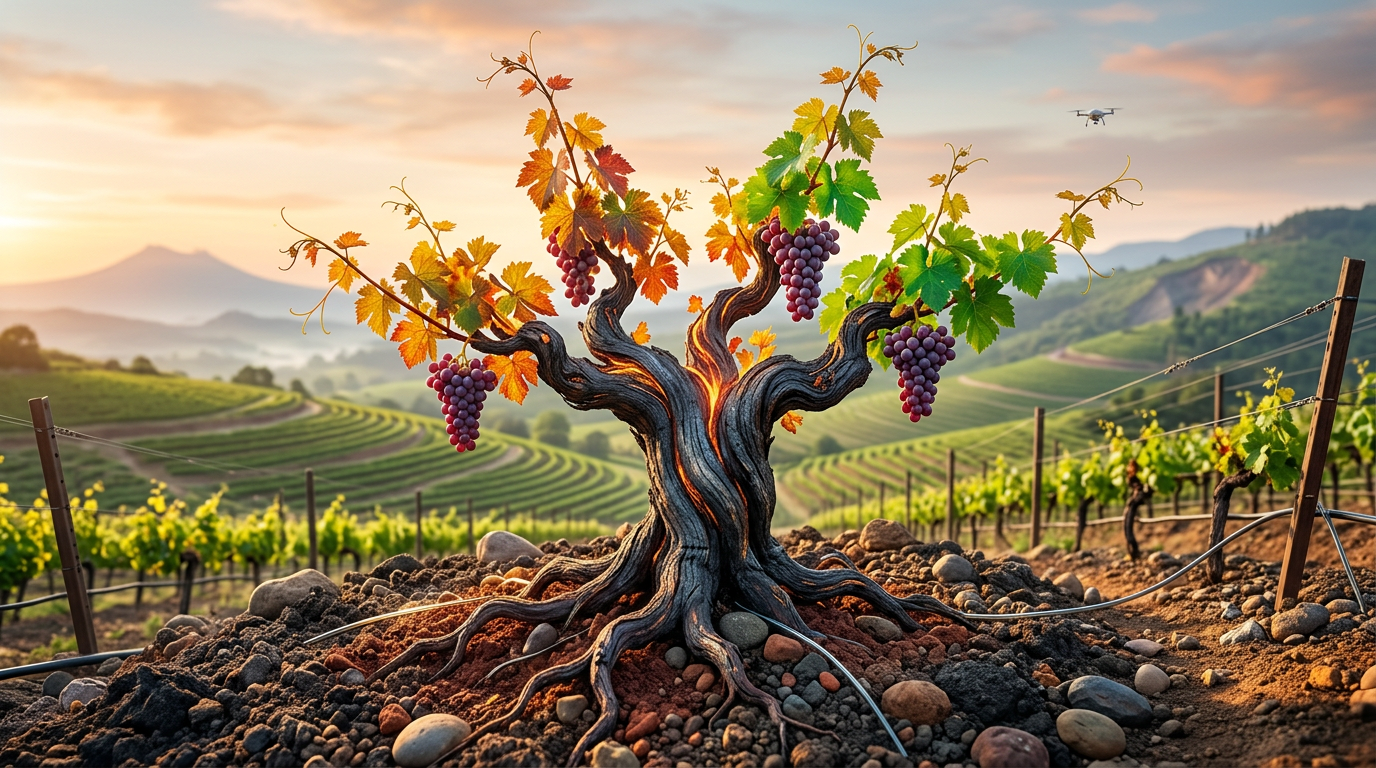
As we navigate through 2026, the landscape of global wine preferences continues to evolve, reflecting shifting consumer tastes, environmental consciousness, and innovative production methods. This year promises exciting developments, from a renewed interest in classic regions to a surge in sustainable and experimental wines, shaping the future of the industry.

Decoding Global Wine Preferences 2026: A Deep Dive into the Modern Palate
As we navigate through 2026, the landscape of global wine preferences 2026 continues to evolve, reflecting shifting consumer tastes, environmental consciousness, and innovative production methods. Wine enthusiasts and industry professionals alike are keenly observing these trends to understand what's filling glasses worldwide. This year promises exciting developments, from a renewed interest in lesser-known varietals to a significant push towards sustainable and ethically produced wines. Join us as Greatest Wine deconstructs the art of the vinous palate, exploring the nuances that define current wine consumption.
Evolving Tastes: What's Driving Global Wine Preferences in 2026?
The palate of the global wine consumer is more diversified than ever. No longer confined to traditional regions, drinkers are showing remarkable openness to exploring new terroirs and styles. This adventurous spirit is a significant driver of current global wine preferences 2026.
The Rise of Lighter-Bodied Reds
- Gone are the days when bold, heavy reds dominated every occasion. Consumers are increasingly gravitating towards lighter-bodied reds.
- Varietals like Pinot Noir, Gamay, and even lighter expressions of Grenache are gaining immense popularity. For more on how specific grape characteristics influence perception, see The Art of the Vinous Palate Print.
- This shift is often attributed to a preference for versatility, allowing these wines to pair seamlessly with a wider range of cuisines and enjoyed more casually.
Demand for Aromatic Whites and Orange Wines
Aromatic white wines, with their expressive bouquets and refreshing acidity, are capturing a significant market share. Furthermore, orange wines continue their ascent from niche to mainstream. Their unique tannic structure and complex aromatics appeal to those seeking something different. Understanding these complex scents is crucial, and our article The Art of the Vinous Cipher: Decoding Hidden Messages in Wine Aromas for 2026 delves deeper into this.
Sparkling Wine Dominance
Sparkling wines, particularly Prosecco and Cava, continue to hold a strong position. However, there's a growing appreciation for artisanal Champagne and other traditional method sparkling wines beyond celebratory occasions, becoming a go-to for everyday enjoyment.
Sustainability and Ethics: A Core Pillar of Global Wine Preferences 2026
Environmental and social consciousness have profoundly impacted purchasing decisions across all industries, and wine is no exception. This commitment to responsible consumption is a defining characteristic of global wine preferences 2026.
Organic and Biodynamic Wines Flourish
- The demand for organically and biodynamically farmed wines is skyrocketing. Consumers are actively seeking wines produced without synthetic pesticides, herbicides, or fertilizers.
- This trend is driven by health concerns, a desire for purer expressions of terroir, and a commitment to environmental protection.
- Wineries adopting these practices are often rewarded with loyal customer bases. For insights into ancient practices and their modern revival, refer to The Art of the 'Vinous Archaeologist'.
Fair Trade and Ethical Sourcing
Beyond environmental factors, ethical sourcing practices are also paramount. Wines certified fair trade, ensuring fair wages and working conditions for vineyard workers, are gaining traction. Consumers are increasingly scrutinizing the entire supply chain. Organisations like Fair Trade America provide excellent resources on this topic.
Packaging Innovation and Carbon Footprint Reduction
Sustainable packaging solutions, such as lighter glass bottles, recycled materials, and alternative packaging formats (e.g., cans, bag-in-box), are becoming more common. Wineries are also focusing on reducing their carbon footprint throughout production and distribution.
Technology and Accessibility: Shaping How We Discover Wine
Technological advancements are revolutionizing how consumers discover, purchase, and learn about wine. This increased accessibility and information flow are pivotal in molding global wine preferences 2026.
E-commerce and Direct-to-Consumer (DTC) Sales
- Online wine sales continue their upward trajectory, offering unparalleled convenience and access to a global selection.
- Wineries are investing heavily in their DTC channels, allowing them to build direct relationships with consumers and offer exclusive releases.
- Subscription boxes and personalized recommendations, powered by AI, are also significant drivers of online sales. Online wine communities further amplify this trend.
Augmented Reality (AR) and Virtual Winery Tours
Innovative technologies like AR are enhancing the wine experience. Consumers can scan bottle labels to access detailed tasting notes, food pairing suggestions, and even virtual tours of the vineyard. This immersive approach educates and engages. For an example of AR in wine, explore apps like Vivino.
Social Media and Influencer Marketing
Social media platforms remain powerful tools for wine discovery. Influencers and content creators are playing a crucial role in shaping trends and introducing new wines to a broad audience. Community-driven reviews and recommendations also hold significant weight.
The Quest for Authenticity and Terroir
In a world of mass production, there's a growing desire for authenticity and wines that genuinely express their origin. This focus on terroir is deeply influencing global wine preferences 2026.
Emphasis on Regional Identity
- Consumers are increasingly seeking wines that distinctly reflect their geographical origin. This means a greater appreciation for specific appellations and their unique characteristics.
- Understanding the soil, climate, and traditions behind a wine adds a layer of depth and enjoyment. Our article The Art of the Vinous Bioregion explores this connection.
Indigenous Varietals Make a Comeback
Long overshadowed by international varietals, indigenous grapes from various regions are experiencing a renaissance. Drinkers are curious about unique flavor profiles and the stories behind these traditional grapes. This diversification enriches the wine world significantly. Learn more about this in The Art of the Vinous Renaissance.
Minimal Intervention Winemaking
The "natural wine" movement, focusing on minimal intervention winemaking with little to no additives, continues to gain momentum. These wines, often unfiltered and unfined, are celebrated for their raw, expressive character and their ability to convey a true sense of place. A classic overview of natural wine can be read in Decanter's Natural Wine Guide.
Looking Ahead: What’s Next for Global Wine Preferences in 2026 and Beyond?
As we observe the current trends, it's clear that the wine industry is in a dynamic state of flux. The consumer of 2026 is informed, conscious, and adventurous, demanding quality, sustainability, and authenticity in their glass. The shift towards lighter styles, environmentally friendly practices, and technological integration will undoubtedly continue to shape the market.
Health and Wellness Integration
Expect to see further innovation in low-alcohol and alcohol-free wine alternatives, catering to health-conscious consumers. The integration of "clean eating" philosophies into wine choices will likely deepen.
Education and Experience
The desire for knowledge and immersive experiences will grow. Wineries offering educational tours, tasting workshops, and bespoke events will attract a discerning clientele. Platforms like Greatest Wine, which provide in-depth guides on sensory analysis, food pairing, and regional cultures, will become indispensable resources for enthusiasts aiming to deepen their understanding of global wine preferences 2026 and beyond.
Untapped Regions and Varietals
As consumers continue their quest for novelty, lesser-known wine regions and previously overlooked varietals from Eastern Europe, South America, and Asia will gain more prominence. The global palate is expanding, eager to discover new stories and flavors.
The world of wine in 2026 is vibrant, diverse, and perpetually evolving. Understanding these intricate layers of preference is key to appreciating the full spectrum of viticulture. At Greatest Wine, we are committed to exploring every facet of this incredible journey, bringing you closer to the heart and history of every bottle.
Written by
Juniper Thorne is an experienced writer and educator with a deep passion for the world of wine. Bringing expertise in sensory analysis and wine culture to the Greatest Wine platform, Juniper helps readers explore and appreciate every nuance of wine.
Related Articles

The Vinous Verse: How Wine's Spirit Inspires 2026's Poetic and Literary Masterpieces
The intricate dance between the grape and the written word has enchanted humanity for millennia. Explore the profound connection between wine and literature, from ancient musings to 2026's contemporary narratives and poetic masterpieces. Discover how the world of wine continually inspires writers.
Juniper Thorne