The Art of the Vinous Renaissance: Reviving Nearly Extinct Local Grape Varieties for 2026's Authentic Terroir
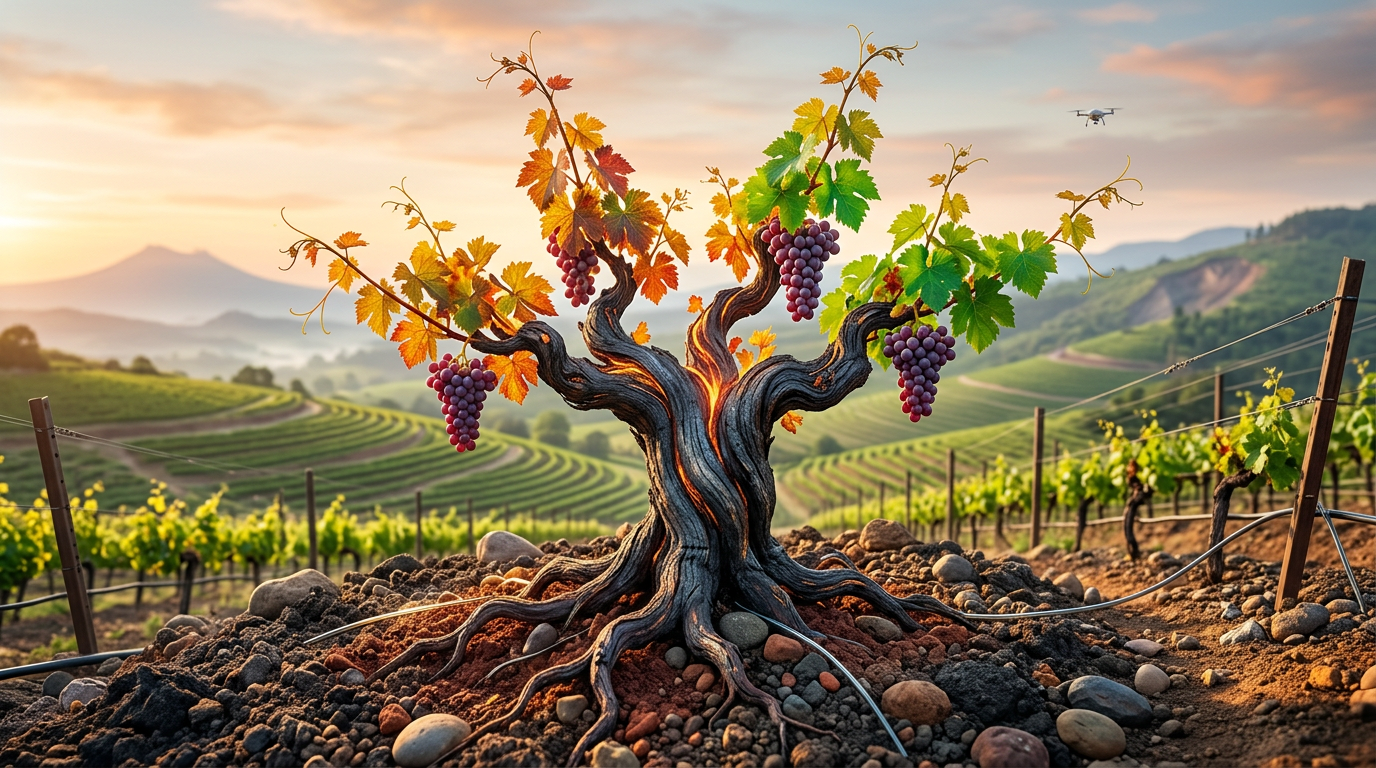
In 2026, the wine world is witnessing a significant and exciting trend: the indigenous grape revival. This movement focuses on unearthing and cultivating nearly extinct local grape varieties, breathing new life into forgotten terroirs and offering truly unique tasting experiences. This revival is not just about preserving biodiversity; it's about reconnecting with the historical and cultural roots of winemaking. As climate change pressures global viticulture, these resilient local grapes often possess inherent resistance to regional challenges, making them more sustainable choices for future wine production. Demand for authentic, unique wines continues to climb, and these revived varieties offer a compelling answer, providing distinct flavor profiles that stand apart from mainstream offerings. This article delves into the fascinating story of how these forgotten grapes are being brought back from the brink.

The Art of the Vinous Renaissance: Understanding Indigenous Grape Revival in 2026
In the ever-evolving world of wine, a significant and exciting trend is capturing the attention of connoisseurs and curious palates alike: the indigenous grape revival. This movement, gaining considerable momentum in 2026, focuses on unearthing and cultivating nearly extinct local grape varieties, breathing new life into forgotten terroirs and offering truly unique tasting experiences. As we delve into the depths of wine culture, craftsmanship, and experience here at Greatest Wine, understanding this revival is crucial to appreciating the authenticity and diversity now gracing our glasses. Explore The Art of the Vinous Tapestry: Weaving Indigenous Traditions with Modern Winemaking in 2026 for more insights into this fascinating blend of past and present.
The Urgency and Importance of Indigenous Grape Revival
For centuries, the global wine industry has largely relied on a handful of internationally recognized grape varieties. While Cabernet Sauvignon, Merlot, Chardonnay, and Pinot Noir have undeniably produced magnificent wines, their dominance has inadvertently led to the decline, and in many cases, outright disappearance, of numerous native grapes. These forgotten varieties represent a rich tapestry of history, local tradition, and unparalleled genetic diversity. You might also be interested in The Art of the 'Vinous Echo': Tracing the Enduring Influence of Historic Climate Shifts on 2026's Old Vine Wines to understand the historical context.
The push for indigenous grape revival is not merely a romantic notion; it's a critical response to several modern challenges. Climate change, for instance, is making viticulture in traditional regions increasingly difficult. Many native varieties are naturally better adapted to specific local climates and soils, offering greater resilience and sustainability. Furthermore, consumer demand for authentic, distinctive, and environmentally conscious products continues to grow in 2026, making these unique wines highly sought after. Learn more about how Online Wine Communities Influence Wine Trends in 2026.
Preserving Genetic Diversity
- Many indigenous grapes possess incredible resistance to diseases, pests, and extreme weather conditions.
- Their genetic makeup provides a crucial resource for developing new, more resilient grapevines for the future.
- Loss of these varieties means the permanent loss of unique flavor profiles and adaptation strategies.
Responding to Climate Change
- Local varieties often thrive in specific microclimates where international grapes struggle under current conditions.
- Their inherent adaptability can reduce the need for extensive irrigation or chemical interventions.
- The revival promotes biodiversity in vineyards, leading to healthier and more stable ecosystems.
Pioneering Regions and Their Indigenous Grape Revival Projects
Across the globe, various wine regions are leading the charge in the indigenous grape revival. From the sun-drenched hills of Southern Italy to the ancient vineyards of Georgia, winemakers are dedicating considerable resources to identify, propagate, and ultimately vinify these rare varieties. This commitment requires extensive research, often involving collaboration with agricultural universities and local historical societies.
The stories behind these revivals are often as compelling as the wines themselves. Many grapes were kept alive by a handful of dedicated farmers or discovered in forgotten parcels of land. The journey from discovery to bottle can span decades, involving meticulous clonal selection and experimental winemaking techniques to truly understand and express their unique character. For a deeper dive into the science, explore The Art of the 'Molecular Terroir': Unlocking the Chemical Fingerprint of Wine in 2026.
Italy: A Hotbed for Rediscovery
Italy, with its thousands of native grape varieties, is perhaps the epicenter of the indigenous grape revival. Regions like Calabria are bringing back 'Magliocco' and 'Greco Nero', while Sicily champions 'Perricone' and 'Frappato'. These efforts are enriching the Italian wine landscape, offering consumers wines with profound local identity and distinct flavor profiles that stand apart from more common varietals. For further insights into Italy's viticultural heritage, consider exploring the Indigenous Italian Grape Varieties.
- Calabria's Magliocco: Producing robust, tannic reds with notes of dark fruit and spice.
- Sicily's Perricone: Yielding savory, elegant wines with vibrant acidity and red fruit flavors.
- Piedmont's Ruché: Aromatic and fragrant, offering a compelling alternative to Nebbiolo.
Portugal: From Obscurity to Acclaim
Portugal, too, boasts an incredible wealth of indigenous grapes, many of which are now gaining international recognition. Varieties like 'Encruzado' (Dão) and 'Baga' (Bairrada) are experiencing a resurgence, showcasing the diverse terroir of the country. Winemakers are moving beyond traditional Port grape blends to highlight the individual strengths of these varieties in single-varietal wines. You can find more information about Portugal's Indigenous Grape Varieties on their official wine portal.
The Winemaking Philosophy Behind the Revival
The philosophy underpinning the indigenous grape revival often aligns with minimal intervention winemaking. The goal is to allow the unique characteristics of the grape and its terroir to shine through, unmasked by excessive oak or manipulative techniques. This focus on purity and authenticity results in wines that truly tell a story of their origin.
Winemakers involved in this movement are typically deeply passionate about their heritage and the land. They are pioneers, taking risks to cultivate varieties that have no established market or recognized best practices in the cellar. Their dedication is helping to redefine what makes a "great" wine in the 21st century, shifting the focus from international norms to local distinctiveness.
Sustainable Practices and Terroir Expression
- Emphasis on organic and biodynamic viticulture to preserve soil health and grape purity.
- Gentle winemaking techniques that respect the delicate characteristics of these unique grapes.
- Reduced use of new oak, allowing the varietal character and mineral notes to dominate.
Challenges and Rewards
While the rewards are significant, the process of indigenous grape revival is fraught with challenges. Researching and identifying viable clones, re-establishing vineyards, and educating consumers about unfamiliar names all require immense effort and investment. However, the satisfaction of bringing a forgotten piece of viticultural history back to life, and offering consumers truly original wines, makes it a deeply fulfilling endeavor.
The Consumer and Culinary Impact in 2026
For wine enthusiasts, the indigenous grape revival offers an exciting frontier of discovery. These wines provide an opportunity to explore new flavor profiles, understand diverse regional histories, and support sustainable viticulture. Tasting notes for these varieties often feature unique aromas and textures not found in mainstream wines, making sensory analysis an even richer experience.
From a culinary perspective, these revived grapes unlock a new world of food pairing possibilities. Their distinct acidity, body, and aromatic compounds can create extraordinary harmonies with specific regional cuisines, as well as inspiring innovative pairings with modern dishes. As we at Greatest Wine explore wine and food pairing in depth, we recognize the immense potential these wines hold for elevating culinary experiences. Delve into The Art of the 'Palate Revolution': Designing Hyper-Personalized Wine Experiences with AI in 2026 to see how technology is further enhancing wine enjoyment.
Exploring New Flavor Horizons
- Discovering wines with unique aromatic compounds, such as floral, herbal, or mineral notes specific to a region.
- Experiencing diverse textural profiles, from crisp, saline whites to rustic, earthy reds.
- Expanding one's palate beyond the familiar and embracing the biodiversity of the vine.
Perfecting Food Pairings with Unique Wines
The distinct character of wines from the indigenous grape revival demands thoughtful pairing. A rediscovered white grape with high acidity and salinity might be perfect with fresh seafood, while a resurrected red with savory notes and firm tannins could beautifully complement slow-cooked meats or earthy pasta dishes. Our detailed tasting guides will help you unlock these potential culinary masterpieces in 2026 and beyond. For more on wine and food pairing, read this comprehensive guide from Wine Folly.
The Future of Indigenous Grape Revival
Looking ahead to the rest of 2026 and beyond, the future of the indigenous grape revival looks bright. Increased consumer awareness, combined with a growing scientific understanding of viticultural resilient practices, will only further fuel this movement. Wine regions and producers are increasingly recognizing the value of their unique heritage, both culturally and economically.
This ongoing renaissance is not just about bringing back old grapes; it's about fostering a more diverse, sustainable, and authentic wine world. It encourages us to look beyond the ordinary, to appreciate the stories embedded in every bottle, and to celebrate the rich tapestry of global viticulture. The journey of exploration into these unique wines is one that promises continuous delight and discovery for years to come.
Written by
Juniper Thorne is an experienced writer and educator with a deep passion for the world of wine. Bringing expertise in sensory analysis and wine culture to the Greatest Wine platform, Juniper helps readers explore and appreciate every nuance of wine.
Related Articles

The Vinous Verse: How Wine's Spirit Inspires 2026's Poetic and Literary Masterpieces
The intricate dance between the grape and the written word has enchanted humanity for millennia. Explore the profound connection between wine and literature, from ancient musings to 2026's contemporary narratives and poetic masterpieces. Discover how the world of wine continually inspires writers.
Juniper Thorne