The Art of the 'Molecular Terroir': Unlocking the Chemical Fingerprint of Wine in 2026
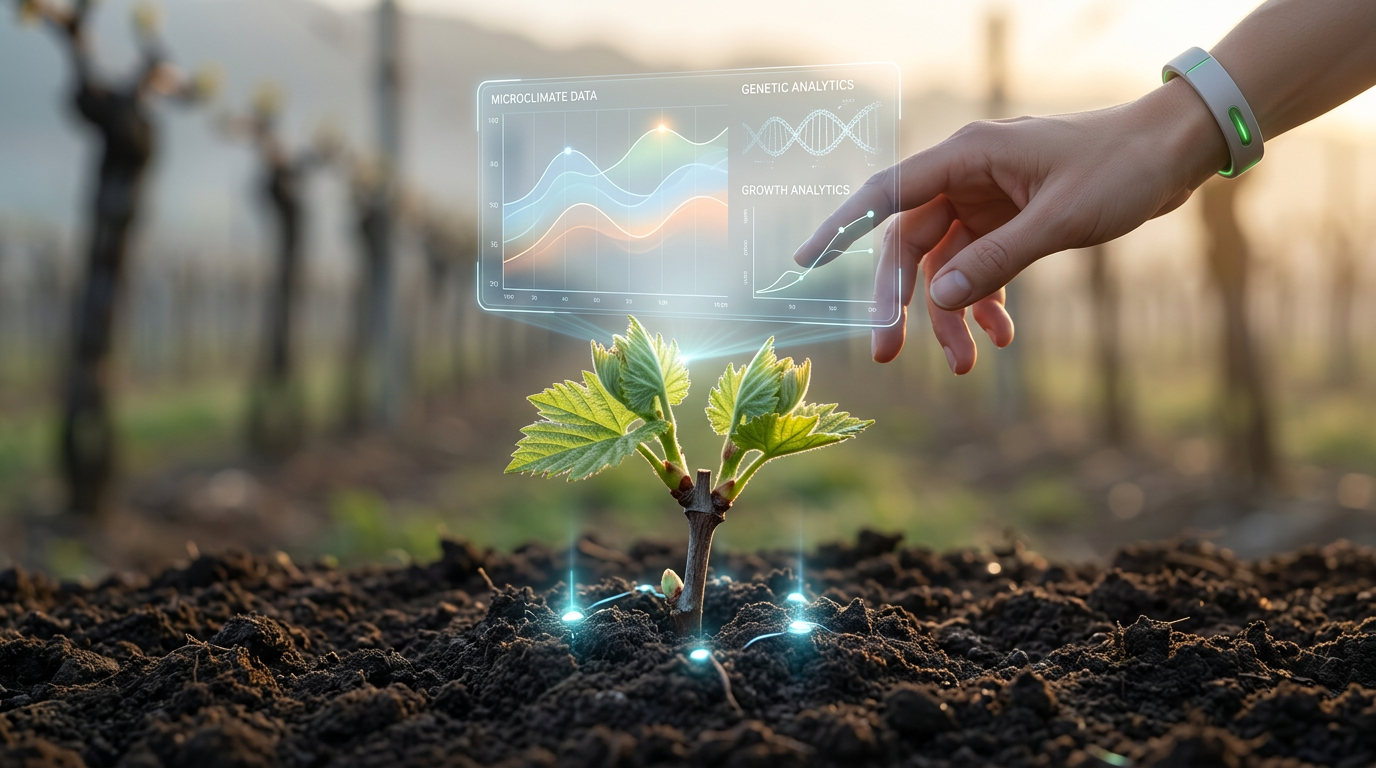
In 2026, the concept of 'molecular terroir' is revolutionizing viticulture and enology. This cutting-edge field examines the intricate chemical composition of wine, demonstrating how environmental factors, viticultural practices, and winemaking techniques translate into the unique characteristics of each bottle. It moves beyond traditional understandings to unlock deeper insights into wine's identity.

The Art of 'Molecular Terroir': Unlocking Wine's Chemical Fingerprint in 2026
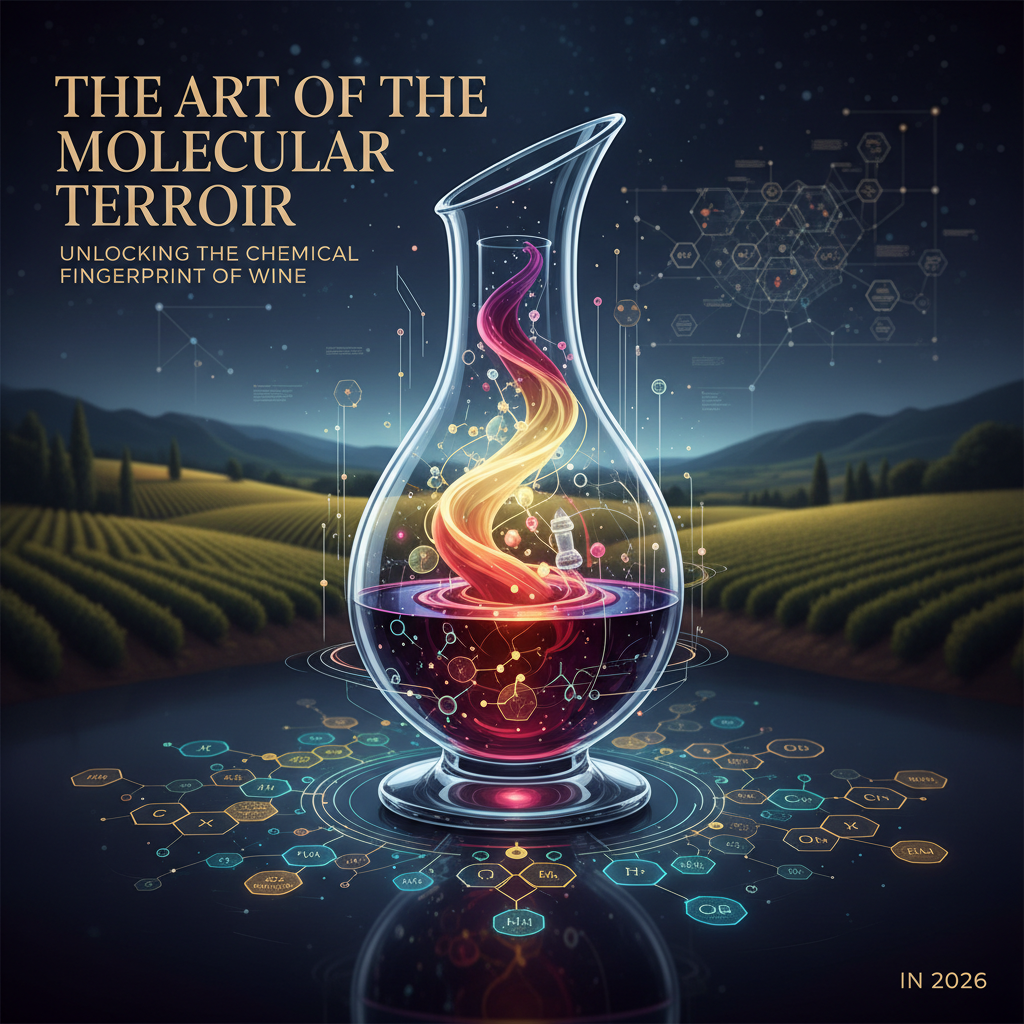
In the evolving world of viticulture and enology, a concept is gaining significant traction that moves beyond the traditional understanding of soil, climate, and topography: the molecular terroir. This cutting-edge field delves into the intricate chemical composition of wine. It reveals how environmental factors, viticultural practices, and winemaking techniques translate into the unique sensory profile of a specific vintage from a specific place. As we navigate 2026, understanding the 'molecular terroir' is becoming increasingly vital for producers, connoisseurs, and researchers alike. It offers unprecedented insights into wine quality, authenticity, and regional distinctions.
What is Molecular Terroir? A 2026 Perspective
The term "terroir" has long been the cornerstone of wine appreciation. It refers to how a particular region's climate, soils, and topography impart distinctive characteristics to its wines. However, the molecular terroir takes this concept to a microscopic level. It analyzes the thousands of chemical compounds—from volatile aroma compounds to non-volatile phenolic substances—that collectively form a wine's unique fingerprint. Indeed, in 2026, advanced analytical technologies are enabling scientists to map these compounds with unparalleled precision, further defining the essence of molecular terroir.
Beyond Traditional Terroir: The Chemical Lens
Traditional terroir focuses on observable environmental factors. Molecular terroir, conversely, seeks to quantify the direct impact of these factors on the grape and, subsequently, the wine through chemical analysis. This allows for a deeper understanding of cause-and-effect relationships. Crucially, these insights are transforming viticulture:
- Climate Influence: How temperature fluctuations, rainfall patterns, and sunlight hours directly affect the synthesis of specific aromatic precursors in grapes. Discover more about the unseen forces shaping vintage uniqueness.
- Soil Composition: The critical role of minerals and microorganisms in the soil on nutrient uptake by the vine, impacting grape chemistry significantly.
- Topographical Effects: How factors like altitude and slope influence ripeness levels and compound development, contributing to unique wine characteristics.
The synergy of these environmental elements contributes to the wine's unique molecular terroir, which can now be scientifically cataloged and studied with greater accuracy than ever before.
The Science Behind the Scent: Unveiling Aromatic Compounds
A significant portion of understanding a wine's molecular terroir lies in dissecting its aromatic profile. The human nose can detect thousands of different odors, and wine is a veritable symphony of these compounds. Advanced analytical techniques are key to this exploration, offering insights beyond subjective experience.
State-of-the-Art Analytical Techniques in 2026
The past few years have seen remarkable advancements in analytical chemistry, propelling our understanding of wine's chemical structure. In 2026, these tools are more sophisticated than ever, providing unprecedented detail:
- Gas Chromatography-Mass Spectrometry (GC-MS): This technique accurately separates and identifies volatile organic compounds responsible for primary aromas, providing a detailed breakdown.
- Liquid Chromatography-Mass Spectrometry (LC-MS): Ideal for analyzing non-volatile compounds like polyphenols, which contribute significantly to color, bitterness, and astringency characteristics.
- Nuclear Magnetic Resonance (NMR) Spectroscopy: Provides detailed structural information about various molecules, offering crucial insights into complex interactions within the wine.
- Sensor Arrays (Electronic Noses/Tongues): These innovative technologies mimic human sensory organs to detect and quantify specific aroma and taste compounds, aiding in rapid quality control and classification.
These methods allow researchers to go beyond subjective tasting notes, providing objective data on a wine's chemical makeup. This objective data is crucial for defining its distinctive molecular terroir. For more on how our brains process these attributes, see The Art of the 'Cognitive Blend'.
Impact of Molecular Terroir on Wine Authenticity and Quality in 2026
The comprehensive understanding of a wine's molecular terroir holds immense implications for the wine industry in 2026. This is particularly true concerning authenticity, quality control, and fraud detection, offering new levels of precision.
Ensuring Authenticity and Combating Fraud
Wine counterfeiting remains a significant issue globally. By creating detailed chemical profiles of genuine wines from specific regions and vintages, the molecular terroir provides a powerful tool for authentication. Consequently, a suspicious bottle can be chemically analyzed and compared against established profiles, readily revealing inconsistencies that strongly suggest fraud. This is closely related to the concepts explored in The Art of the Vinous Tapestry, Re-Interpreted.
Predicting and Enhancing Wine Quality
Producers can leverage molecular data to optimize viticultural practices. Understanding which compounds correlate with desirable sensory attributes allows for targeted interventions in the vineyard and winery, ultimately leading to more consistent and higher-quality wines. For example, specific yeast strains might be chosen to enhance certain aromatic pathways, or particular aging regimens could be employed to modify oxidative compounds. This approach involves:
- Identifying key aroma precursors in grapes to predict final wine characteristics accurately.
- Monitoring the evolution of compounds during fermentation and aging processes for optimal development.
- Developing new winemaking techniques based on detailed chemical insights, pushing boundaries.
This scientific approach complements traditional winemaking wisdom, pushing the boundaries of what's possible in wine production today, all thanks to insights from molecular terroir.
Molecular Terroir and the Future of Wine Appreciation
For consumers and enthusiasts alike, the concept of molecular terroir offers a novel layer of understanding and appreciation. While it doesn't replace the art of tasting, it certainly enriches it with scientific context, providing a fuller picture.
Bridging Science and Sensory Experience
Imagine reading a tasting note that not only describes a wine's aromas as "blackcurrant" but also specifies the presence and concentration of compounds like 'beta-damascenone' and '3-isobutyl-2-methoxypyrazine'. This level of detail provides a deeper insight into why a wine smells and tastes the way it does. Ultimately, the molecular terroir can help demystify some of the complexities of wine for the curious drinker, making it more accessible. To explore this topic further, consider insights from studies on grape and wine metabolomics.
Personalized Wine Selections and Education
In the near future, wine apps or platforms might incorporate molecular data, allowing consumers to search for wines not just by region or grape, but by specific chemical profiles that align with their preferred taste preferences. Furthermore, educational programs could integrate aspects of molecular enology, providing a more comprehensive understanding of wine. This scientific perspective significantly enriches the overall wine journey, making it both more informed and engaging for all. Such advancements are integral to designing hyper-personalized wine experiences with AI in 2026.
The journey into the molecular terroir is just beginning, and 2026 marks a pivotal point where technology and traditional knowledge gracefully converge to unlock new frontiers in wine understanding and enjoyment.
Challenges and Ethical Considerations in Decoding Molecular Terroir
While the prospects of understanding molecular terroir are exciting, there are also challenges and ethical considerations that must be addressed as this field rapidly develops.
Complexity and Data Interpretation
Wine is an incredibly complex matrix, containing thousands of compounds interacting in myriad ways. Isolating the specific impact of each compound on sensory perception, and then linking these back to environmental factors, is a monumental task. Fortunately, advanced bioinformatics and AI are becoming indispensable tools for interpreting this vast amount of data, making the complex manageable. For more on the future of wine science, an article on Wine Spectator offers interesting perspectives on molecular terroir.
The Debate: Science vs. Art
Some traditionalists in the wine world may view the scientific reduction of wine to its chemical components as detracting from its artistic and subjective nature. The challenge lies in finding a balance where scientific understanding enhances, rather than diminishes, the mystique and pleasure of wine. Evidently, the molecular terroir should serve as a tool for deeper appreciation, not a replacement for sensory experience. Insights from The Art of the 'Cognitive Cellar' further illustrate this point.
Data Privacy and Intellectual Property
As wineries start to collect and analyze their wines' molecular fingerprints, questions around data ownership and intellectual property will inevitably arise. Who owns the molecular signature of a specific vineyard or winemaking process? Ensuring fair usage and protection of this valuable data will be crucial for the industry's integrity and future growth. The challenges of data and intellectual property in advanced food sciences are a growing concern, as highlighted by various reports, including those from organizations like the American Chemical Society.
Despite these challenges, the ability to decode the molecular terroir promises a richer, more authentic, and scientifically grounded future for the world of wine. This impacts everything from grape cultivation to the final sip in your glass, offering profound advancements.
Written by
Juniper Thorne is an experienced writer and educator with a deep passion for the world of wine. Bringing expertise in sensory analysis and wine culture to the Greatest Wine platform, Juniper helps readers explore and appreciate every nuance of wine.
Related Articles

The Cellar Architects: Mastering Elite Wine Preservation and Evolution in 2026
For the true connoisseur, wine is more than just a beverage; it's a living entity, an investment, and a passion. Mastering its preservation and evolution is an art form, especially in 2026 with new technologies and insights. Learn how to protect and enhance your cherished collection.
Juniper Thorne