The Art of the 'Vinous Echo': Tracing the Enduring Influence of Historic Climate Shifts on 2026's Old Vine Wines
The 'Vinous Echo' unravels the profound, yet often overlooked, influence of historic climate impact on winemaking. This unique phenomenon reveals how past climate shifts continue to shape the character of our most revered vintages, especially for old vine wines in 2026. Discover the invisible hand of history in every glass, connecting ancient terroir to contemporary taste profiles and understanding the enduring legacy of climate on viticulture. This article explores how these long-term environmental changes manifest in the complex flavors and aromas of today's celebrated old vine wines.


Historic Climate Impact Wine: Tracing the Enduring Influence on Old Vine Wines
The world of wine is a tapestry woven with threads of terroir, tradition, and time. However, a less obvious, yet profoundly influential, element is the historic climate impact wine has endured over centuries. This invisible hand of the past continues to shape the character of our most revered vintages, particularly those derived from ancient, gnarled vines. As we delve into 2026, understanding these long-term climatic shifts is crucial for appreciating the complex narratives held within every bottle of old vine wine. The 'vinous echo' of past weather patterns resonates distinctively in their depth, resilience, and unique flavor profiles, showcasing the profound historic climate impact wine has experienced.
Understanding the Long-Term Historic Climate Impact on Wine Regions
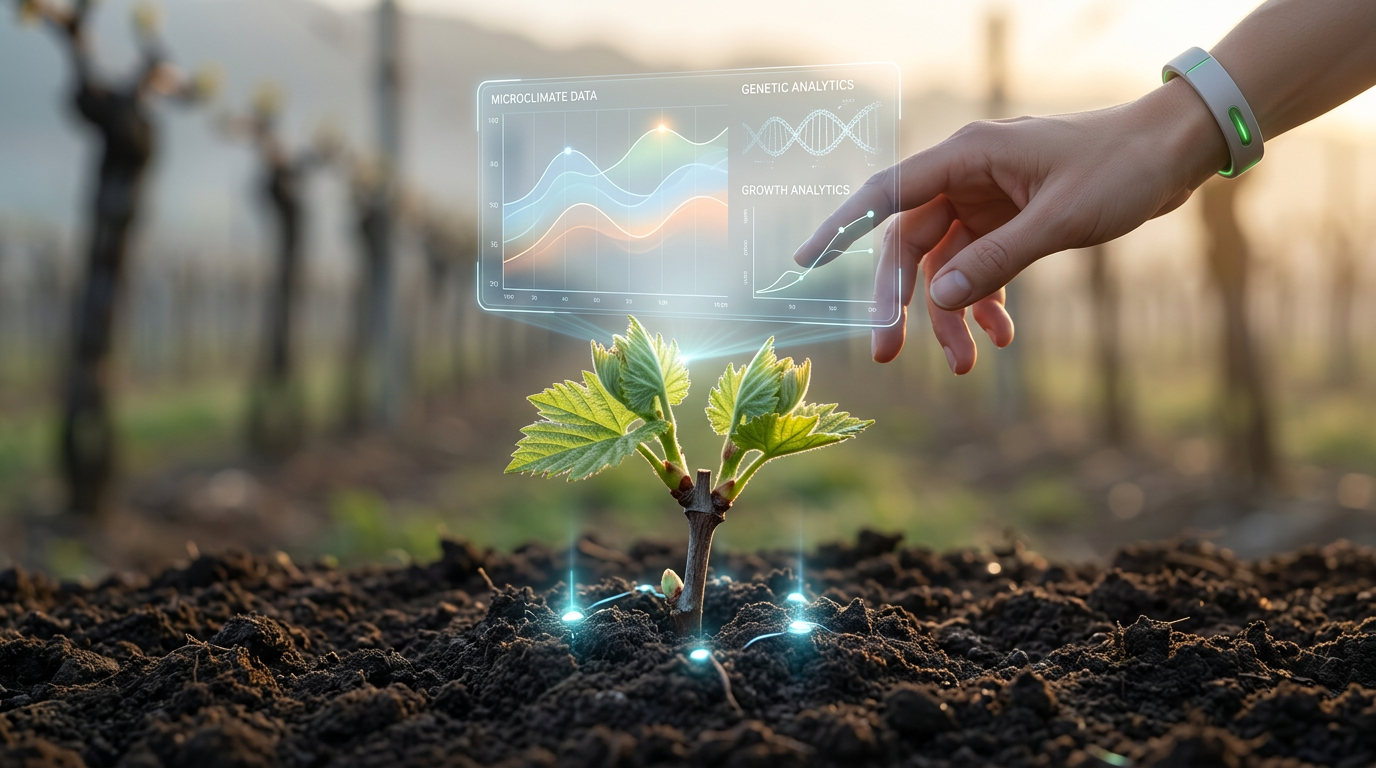
Winemaking, by its very nature, is inextricably linked to the environment. The cumulative effects of past weather events – from prolonged droughts to extreme heatwaves or unexpected freezes – have sculpted entire viticultural landscapes. These historical climate variations don't just affect a single vintage; they alter the very genetics and physiological responses of grapevines over generations, particularly old vines developed before modern viticultural advancements. The historic climate impact wine regions face is a continuous narrative.
For centuries, winemakers have adapted to local conditions, often unknowingly building resilience into their vineyards. These adaptations, passed down through plant material and established practices, form a crucial component of modern winemaking. The enduring legacy of these climate impacts is evident in the current health and productivity of many ancient vineyards, highlighting the significant historic climate impact wine production has absorbed.
Geological Time and Viticultural Adaptation
The geological history of a region, including cycles of glaciation and tectonic activity, has profound implications for soil composition and drainage. These foundational elements, established over millennia, directly influence how vines access water and nutrients, making them more or less susceptible to drought or heavy rainfall. This foundational history, combined with more recent climatic fluctuations, dictates root development and resilience. This intricate relationship between geological history and vine growth contributes to what many call an ephemeral terroir, revealing unseen forces shaping vintage uniqueness. This long-term perspective is essential when considering the historic climate impact wine quality.
Viticulturalists, often through trial and error over centuries, selected varietals and clones best suited to these long-term climatic signatures. This slow, organic process of adaptation is a key factor in the longevity and quality of old vine wines. The impact of these historical choices is still profoundly felt in 2026, especially as global climates continue to shift, further emphasizing the historic climate impact wine endures.
The Enduring Legacy of Extreme Weather Events
While we often focus on current climate change, it's important to remember that extreme weather events are not new. Historical records document devastating frosts, scorching summers, and torrential downpours that have repeatedly challenged wine regions. The vines that survived these past ordeals often possess a genetic hardiness or established root systems that allow them to endure similar hardships today. This resilience is a direct result of the historic climate impact wine has faced.
Consider the devastating European frost of 1709, or the successive hot summers in Bordeaux during the late 18th century. These events shaped planting decisions, encouraged specific clonal selections, and even influenced the adoption of certain viticultural techniques. The lessons learned from these historical challenges contribute directly to the resilience we observe in many old vine vineyards in 2026, showcasing the ongoing historic climate impact wine regions adapt to.
Old Vines: Living Archives of Past Climates and Historic Climate Impact Wine
Old vines are often described as living archives, and for good reason. Their deep root systems, some extending dozens of meters into the earth, connect them to layers of geological history and moisture profiles that younger vines simply cannot reach. This unique access makes them less susceptible to annual rainfall variations and more reflective of long-term climatic averages, demonstrating the profound historic climate impact wine has on their development.
The slow, deliberate growth of old vines compared to younger, more vigorous plants means they absorb environmental cues over extended periods. This protracted interaction with their surroundings integrates the specific characteristics of past weather cycles directly into their wood, sap, and ultimately, their fruit. The unique concentration and complexity found in old vine wines are a direct result of this accumulated wisdom, a testament to the historic climate impact wine production relies on.
Root Systems as Climate Memory
A mature old vine's root system is a marvel of natural engineering. It’s not just about depth; it’s about extensive lateral spreading and symbiotic relationships with soil microorganisms developed over decades. These intricate networks allow the vine to navigate periods of drought by accessing deeper water tables or conversely, to better manage excessive rainfall by promoting efficient drainage around the root ball. This is a key aspect of how historic climate impact wine quality.
This "climate memory" stored in the roots means that even if 2026 experiences a particularly dry or wet growing season, the old vine's established system often provides a buffer, mitigating the immediate stress. This stability contrasts sharply with younger vines, which are far more vulnerable to annual fluctuations. Understanding this deep connection helps in decoding the science of predictive wine character, and the enduring historic climate impact wine has on its resilience.
Clonal Selection and Varietal Resilience
The specific clones and grape varietals planted decades or even centuries ago were often chosen for their inherent resilience to the prevailing historical climate conditions. For example, some ancient Grenache clones in the Southern Rhône historically thrived in hot, arid conditions, developing thicker skins and smaller berries that naturally resisted excessive water loss and sunburn. These traits are incredibly valuable today, showcasing the long-term historic climate impact wine varietals have adapted to.
Conversely, certain Riesling clones in Germany were selected for their ability to ripen slowly in cooler, more variable climates, developing complex aromatics even in less ideal years. These inherited resistances and adaptations are fundamental to the distinctive character and survivability of old vine plantings, making them invaluable assets in the face of ongoing climate challenges, and demonstrating the continuous historic climate impact wine has on its evolution.
Regional Case Studies: The Echoes of Climate in Iconic Wine Regions and Historic Climate Impact Wine
Different wine regions bear unique imprints of their climate history. Observing specific examples helps illustrate the profound and varied ways historic climate impact wine quality and regional identity.
Bordeaux: A History of Atlantic Influence and Historic Climate Impact Wine
Bordeaux's climate has historically been shaped by its proximity to the Atlantic Ocean, leading to significant vintage variation. Early records describe harsh winters and often wet, cool springs that presented considerable challenges. The prevalence of Cabernet Sauvignon and Merlot, with their different ripening windows and tolerances, reflects centuries of adaptation to these fluctuating conditions, a clear example of historic climate impact wine.
The deep gravel soils of the Médoc, for instance, were historically crucial for drainage in wetter periods, while the clay-limestone of the Right Bank provided water retention during drier spells. The resilience of its old vines, particularly those planted before modern drainage systems, attests to their capacity to endure historic climatic stresses, showcasing the enduring historic climate impact wine has absorbed.
Piedmont: Alpine Adaptations and Foggy Influences on Historic Climate Impact Wine
Piedmont's climate, with its alpine influences and characteristic "nebbia" (fog), demanded different adaptations. Nebbiolo, the region's star grape, is notoriously late-ripening and performs best on south-facing slopes that maximize sunshine exposure. Historically, spring frosts were a significant threat, leading to careful site selection and traditional pruning methods, all influenced by the historic climate impact wine production.
The old vine Barolos and Barbarescos of 2026 showcase a depth and structure that speak to generations of vines struggling in challenging, yet ultimately rewarding, conditions. Their ability to thrive amidst historic high diurnal shifts and frequent foggy mornings is a testament to their enduring adaptation, and the significant historic climate impact wine has faced in this region.
Barossa Valley: Surviving Droughts and Heatwaves and the Historic Climate Impact Wine
Australia's Barossa Valley offers a stark example of adaptation to a hot, arid climate. Many of its historic Shiraz plantings, some dating back to the mid-19th century, predate widespread irrigation. These vines developed incredibly deep and extensive root systems to seek out precious water, making them remarkably drought-resistant, a direct result of the historic climate impact wine has endured.
The concentrated, intense fruit from these venerable vines is a direct legacy of their struggle against historic heat and aridity. Modern winemakers in 2026 cherish these old vine resources not just for their fruit quality, but for their inherent resilience and the unique character they impart, representing a living record of the region’s climatic past and the profound historic climate impact wine has absorbed.
The Future of Old Vine Wines in a Changing Climate: Lessons from the Past and Historic Climate Impact Wine
As we look to the future, with ongoing climate change presenting new challenges, the invaluable lessons learned from historic climate impact wine become more pronounced. Old vines, with their inherent resilience and deep connection to their terroir, offer crucial insights and genetic material for future viticulture.
Their ability to maintain balance and produce high-quality fruit even in difficult years makes them a natural hedge against climatic variability. Protecting and propagating these ancient vineyards is not just about preserving history; it's about securing the future of fine wine. The 'vinous echo' of the past becomes a guiding voice for strategies in 2026 and beyond. For further insights into global wine production trends and climate resilience strategies, consider resources like the International Organisation of Vine and Wine (OIV), which often discusses the historic climate impact wine faces globally.
Preservation and Propagation Efforts to Mitigate Historic Climate Impact Wine
- Clonal Diversity: Identifying and propagating 'mass-selection' clones from old vineyards ensures the genetic diversity critical for climate resilience. For more on genetic influences, read about decoding your unique genetic blueprint for wine appreciation, and how it relates to the historic climate impact wine.
- Sustainable Practices: Emphasizing dry farming, cover cropping, and minimal intervention helps old vines manage stress and express their unique terroir. The European Union's Common Agricultural Policy often provides frameworks for such sustainable viticultural practices, crucial for addressing the historic climate impact wine faces.
- Research and Development: Studying the physiological responses of old vines to stress offers insights for managing younger vineyards. Academic institutions like the University of California, Davis, Department of Viticulture and Enology are at the forefront of such research, helping to understand and adapt to the historic climate impact wine.
The Evolving Palate of 2026 and the Influence of Historic Climate Impact Wine
Consumer preferences in 2026 are increasingly leaning towards wines with authenticity and a compelling story. Old vine wines, particularly those bearing the clear imprint of historic climate impact wine, resonate deeply with this trend. They offer not just a drink, but a tangible connection to history, endurance, and generations of craftsmanship. The richness, complexity, and often surprising freshness found in old vine wines are a testament to their deep roots and the timeless wisdom they encapsulate, shaped by the historic climate impact wine has absorbed.
In conclusion, the impact of historical climate shifts on wine is not merely an academic footnote; it is a living, breathing force that continues to sculpt the character and resilience of our most cherished wines. As we savor a bottle of old vine wine in 2026, we are not just tasting the current vintage, but a 'vinous echo' of centuries of climatic ebb and flow, a testament to nature's enduring power and viticulture's persistent adaptation, all profoundly influenced by the historic climate impact wine has experienced.
Written by
Juniper Thorne is an experienced writer and educator with a deep passion for the world of wine. Bringing expertise in sensory analysis and wine culture to the Greatest Wine platform, Juniper helps readers explore and appreciate every nuance of wine.
Related Articles

The Cellar Architects: Mastering Elite Wine Preservation and Evolution in 2026
For the true connoisseur, wine is more than just a beverage; it's a living entity, an investment, and a passion. Mastering its preservation and evolution is an art form, especially in 2026 with new technologies and insights. Learn how to protect and enhance your cherished collection.
Juniper Thorne