The Art of the 'Vinous Archaeologist': Unearthing and Reinterpreting Ancient Wine Production for 2026
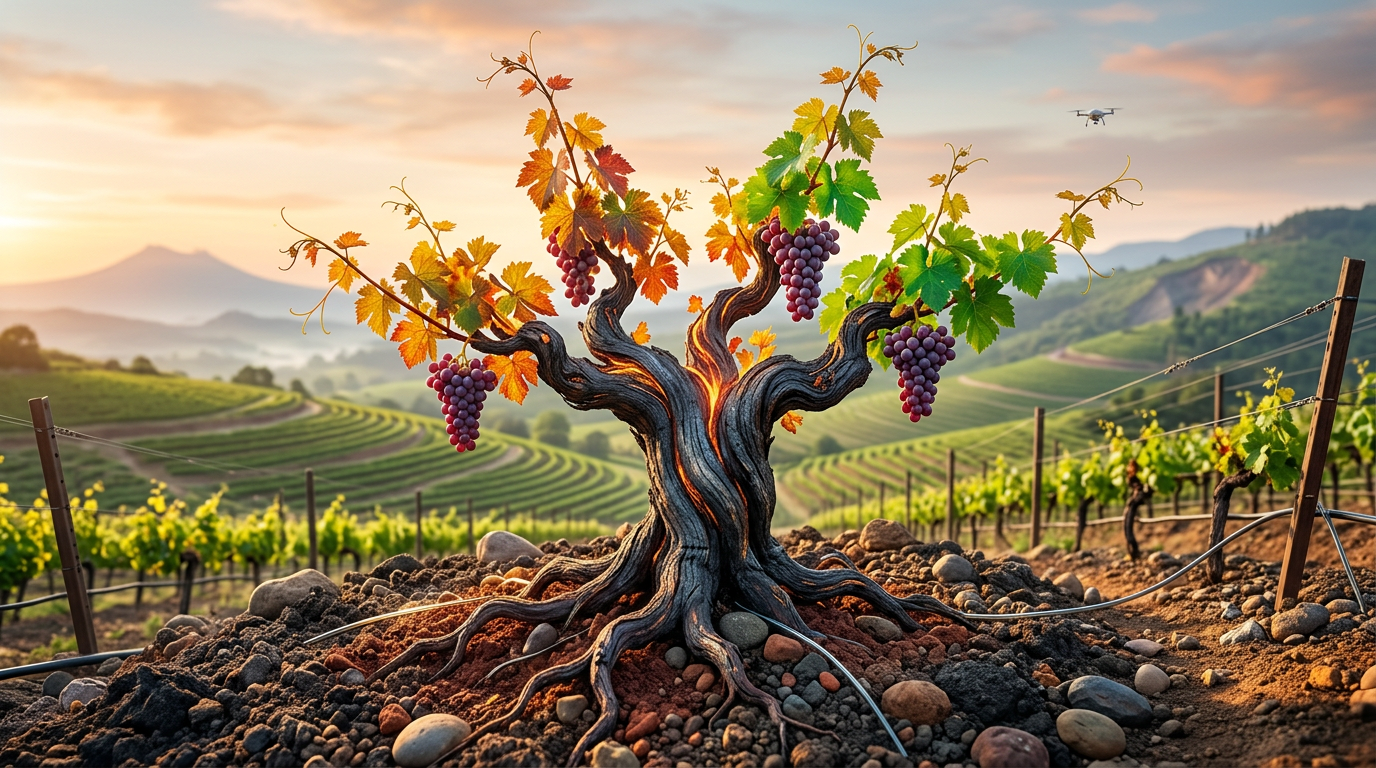
The intriguing world of wine extends far beyond the modern vineyard. Delving into the history of viticulture brings us to the fascinating realm of ancient wine production, a journey that reveals the ingenuity of early civilizations and the foundational techniques that still influence winemaking today. As we stand in 2026, a new generation of "vinous archaeologists" is reinterpreting these historical insights.

The Art of the 'Vinous Archaeologist': Unearthing and Reinterpreting Ancient Wine Production for 2026
The intriguing world of wine extends far beyond the modern vineyard. Delving into the history of viticulture brings us to the fascinating realm of ancient wine production, a journey that reveals the ingenuity of early civilizations and the foundational techniques that still influence winemaking today. As we stand in 2026, a new generation of "vinous archaeologists" is leveraging cutting-edge technology to unearth and reinterpret these age-old practices, offering fresh perspectives on wine's profound cultural and historical significance. Understanding these ancient methods allows us to appreciate the evolution of this beloved beverage and its enduring connection to human civilization.
Tracing the Roots: The Earliest Evidence of Ancient Wine Production
The story of wine begins thousands of years ago, long before sophisticated wineries dotted the landscape. Archaeological discoveries consistently push back the timeline of winemaking, revealing its incredibly deep roots. These findings are crucial for understanding the origins of ancient wine production.
The Cradle of Viticulture: Georgia, Iran, and Armenia
Evidence points to the Transcaucasian region as a primary birthplace of viticulture. Archaeological sites in modern-day Georgia, for instance, have yielded pottery fragments containing tartaric acid residues dating back nearly 8,000 years, suggesting early attempts at fermentation. This indicates that the inhabitants of these regions were among the first to cultivate grapes specifically for their juice, transforming it into wine. This fascinating history contributes to the current trend of reviving nearly extinct local grape varieties in 2026.
Similar findings in the Zagros Mountains of Iran further solidify the region's importance. The discovery of an ancient wine press and fermentation vats sheds light on the very earliest forms of communal ancient wine production. These discoveries showcase not just the presence of wine, but dedicated infrastructure for its creation.
Early Winemaking Techniques and Tools
- Pressing: Simple methods, often involving foot-treading or rudimentary wooden presses, were used to extract juice from grapes, a key step in ancient wine production.
- Fermentation Vessels: Large clay pots, known as Qvevri in Georgia or Kvevri, were buried underground to maintain cool, stable temperatures conducive to fermentation. This practice minimized temperature fluctuations, a critical factor for successful winemaking.
- Storage: Wine was stored in similarly buried vessels or amphorae, sealed with resin or pitch to prevent spoilage and oxidation. This basic form of preservation was essential for longer-term storage and trade.
Methods and Materials: The Craft of Ancient Wine Production
While devoid of today's stainless steel tanks and climate-controlled cellars, ancient winemakers employed remarkably effective techniques. Their understanding of natural processes, though perhaps not scientifically articulated, allowed for consistent production of ancient wine production.
Grape Varietals and Cultivation
Genetic studies suggest that many modern grape varietals have ancient origins. Early civilizations likely cultivated wild grapevines, gradually selecting those with desirable characteristics for wine. The domestication of Vitis vinifera was a long and iterative process, shaped by thousands of years of human intervention, directly impacting ancient wine production.
Ancient texts and depictions often show trellising systems, indicating a thoughtful approach to vineyard management. Supporting the vines off the ground helped to improve air circulation, reduce disease, and facilitate harvesting.
Fermentation and Aging Processes
Without isolated yeast strains, fermentation was a spontaneous process, initiated by wild yeasts naturally present on grape skins and in the environment. This contributed to the unique flavors and characteristics of ancient wines, which would have differed significantly from modern, controlled fermentations.
The use of resin-lined amphorae for aging, particularly in regions like ancient Greece and Rome, imparted distinctive flavors. This practice, known through wines like Retsina, offered both preservation and an aromatic signature. The resin acted as an antimicrobial agent and also helped to seal the porous clay of the amphorae, a common technique in ancient wine production.
Documentation and Transmission of Knowledge
While not formal scientific treatises, ancient agricultural texts and oral traditions played a crucial role in passing down winemaking knowledge. Roman writers like Pliny the Elder and Columella documented vineyard practices, grape varietals, and winemaking recipes, providing invaluable insights into their contemporary methods. These writings serve as vital historical records for understanding ancient viticulture and ancient wine production.
The Role of Wine in Ancient Societies and Its Evolution
Wine was far more than just a beverage in antiquity; it was deeply interwoven with social, religious, and economic life. Its significance permeated every aspect of daily existence, reflecting its value and widespread adoption, especially concerning ancient wine production.
Ritual, Religion, and Celebration
From Egyptian funerary rituals to Greek symposia and Roman bacchanalia, wine played a central role in religious ceremonies and social gatherings. It was often considered a gift from the gods (Dionysus/Bacchus), symbolizing fertility, abundance, and spiritual connection. The consumption of wine was a communal act, binding societies together.
Evidence from various cultures shows wine being used as a medicinal agent, a valuable trade commodity, and a crucial component of elite dining. Its versatility and symbolic power made it indispensable. This ritualistic aspect of wine consumption continues to fascinate, and you can explore more about the psychological rituals of opening and serving wine in 2026.
Economic Impact and Trade Routes
The production and trade of wine significantly boosted ancient economies. Roman amphorae, for example, have been discovered across their vast empire, indicating extensive trade networks. Winemaking regions flourished, exporting their products and fostering further agricultural and commercial development. The ability to transport wine over long distances was a testament to advancements in preservation and packaging, all stemming from efficient ancient wine production.
Modern Discoveries and Reinterpretations of Ancient Wine Production in 2026
The past decade has seen remarkable advancements in archaeological science, transforming our understanding of ancient winemaking. In 2026, researchers are employing increasingly sophisticated tools to unveil new secrets about ancient wine production.
Forensic Archaeology and DNA Analysis
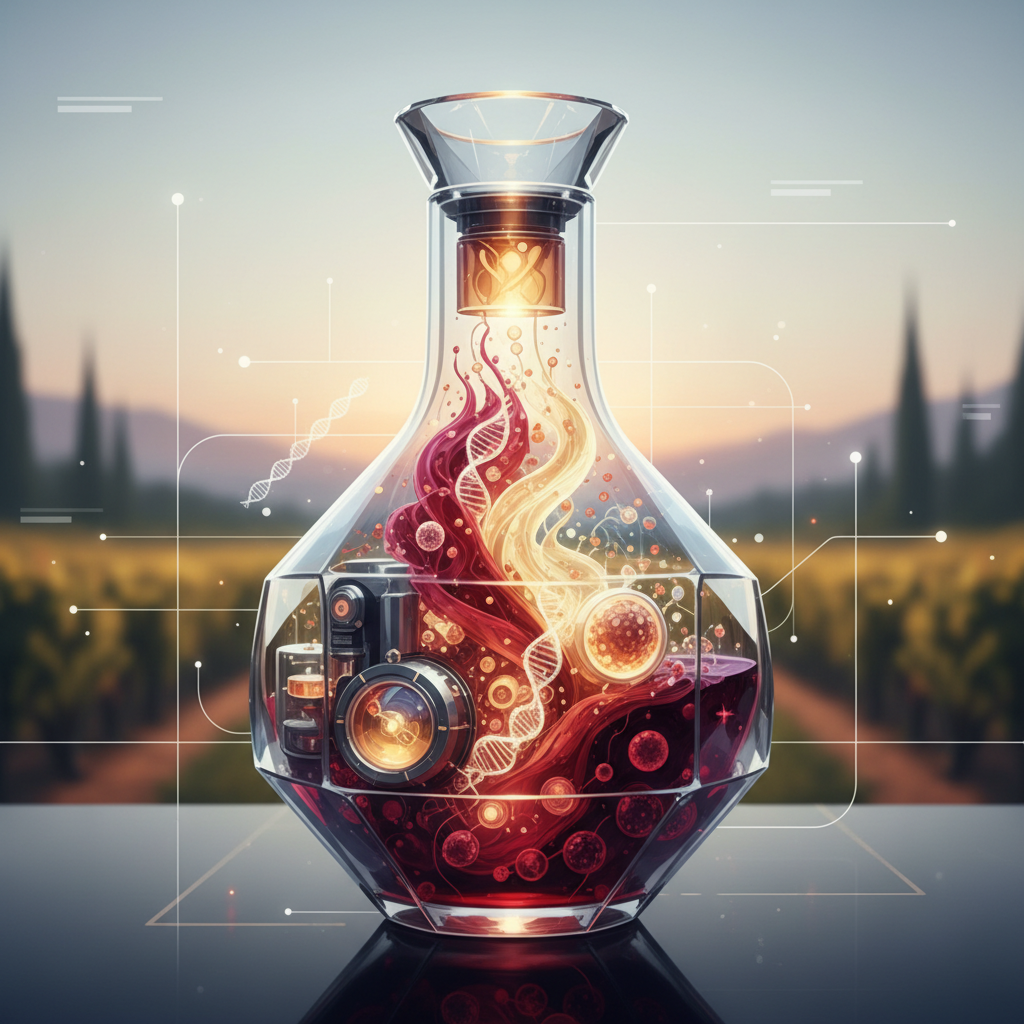
Advanced chemical analysis of pottery shards can identify residual compounds, providing definitive proof of wine's presence. DNA sequencing of ancient grape seeds and residues allows researchers to trace the lineage of modern varietals, offering insights into their evolutionary path. This forensic approach paints a much clearer picture of what was being produced. These advancements contribute to our understanding of molecular terroir and the chemical fingerprint of wine in 2026.
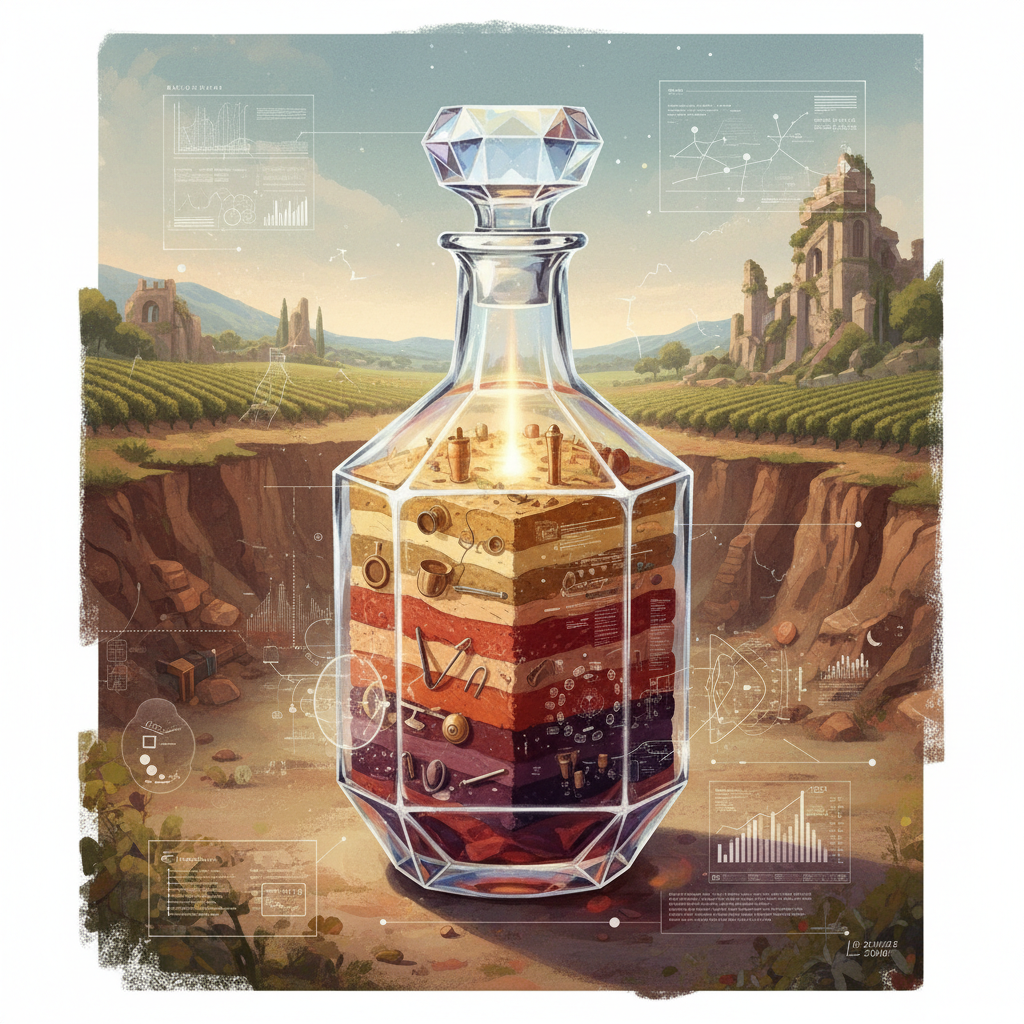
Ground-penetrating radar (GPR) and magnetometry are being used to map ancient vineyard layouts and buried winery structures without invasive excavation, preserving valuable historical sites while revealing their secrets of ancient wine production.
Experimental Archaeology and Revival Projects
Inspired by these discoveries, experimental archaeology projects are attempting to recreate ancient winemaking processes. Wineries in Georgia, for example, are reviving the use of Qvevri for fermentation and aging, producing wines that echo the flavors of antiquity. These projects provide invaluable practical insights into the challenges and results of ancient methods. Interest in these traditional methods also relates to the growing curiosity about weaving indigenous practices and wine culture into modern winemaking in 2026.
Such revival efforts are not merely academic; they are influencing modern winemaking trends, with a growing interest in natural wines and minimal-intervention techniques that share philosophical parallels with ancient wine production practices.
The Enduring Legacy of Ancient Wine Production in Today's World
Though thousands of years separate us from the first winemakers, their ingenuity continues to resonate. The foundational principles of winemaking remain largely unchanged, a testament to the effectiveness of these early methods of ancient wine production.
Influence on Contemporary Winemaking
Many traditional winemaking regions still employ practices with ancient roots, such as extended skin contact for white wines (producing 'orange wines') or fermentation in clay vessels. The global movement towards biodynamic and organic viticulture often harks back to more natural, less interventionist approaches that characterized ancient farming practices.
The appreciation for terroir – the understanding that the land imparts unique characteristics to the wine – was implicitly recognized by ancient cultures who valued the produce of specific regions. For further reading on this, sources like Decanter's explanation of terroir provide excellent modern context.
A Deeper Appreciation for Wine Culture
Understanding the history of ancient wine production enriches our appreciation for every glass we drink. It connects us to a continuous human story, acknowledging wine not just as a beverage, but as a cultural artifact, a symbol of human endeavor, and a link across millennia. As we explore the vast world of wine on Greatest Wine, delving into its ancient past provides essential context and a profound sense of connection to history. For enthusiasts eager to delve deeper into these historical connections, the Wine History Project offers extensive resources. Another valuable resource for exploring historical wine research is provided by institutions like the Penn Museum's "Uncorking the Past" project, illustrating the ongoing academic interest in this field.
Written by
Juniper Thorne is an experienced writer and educator with a deep passion for the world of wine. Bringing expertise in sensory analysis and wine culture to the Greatest Wine platform, Juniper helps readers explore and appreciate every nuance of wine.
Related Articles

The Vinous Verse: How Wine's Spirit Inspires 2026's Poetic and Literary Masterpieces
The intricate dance between the grape and the written word has enchanted humanity for millennia. Explore the profound connection between wine and literature, from ancient musings to 2026's contemporary narratives and poetic masterpieces. Discover how the world of wine continually inspires writers.
Juniper Thorne