The Art of the Vinous Tapestry: Weaving Indigenous Practices and Wine Culture in 2026
In 2026, the global wine landscape is experiencing a significant resurgence of ancient wisdom, with indigenous wine practices gaining considerable traction. This renewed appreciation for traditional methods represents a forward-thinking approach to sustainable viticulture, unique flavor profiles, and a deeper connection to the land. As the world embraces more holistic and environmentally conscious practices, the integration of indigenous traditions into modern winemaking offers exciting possibilities for both producers and consumers. Discover how these practices are not just a historical nod but a vital part of the future of wine culture.


Indigenous Wine Practices 2026: Weaving Ancient Wisdom into Modern Viticulture
In 2026, the global wine landscape is witnessing a profound resurgence of ancient wisdom, with indigenous wine practices 2026 gaining significant traction. This renewed appreciation for traditional methods is not merely a nostalgic glance backward but a forward-thinking approach to sustainable viticulture, unique flavor profiles, and a deeper connection to the land. As the world grapples with climate change and a desire for authenticity, winemakers and enthusiasts alike are turning to the rich legacy of indigenous communities, whose knowledge has for centuries guided the cultivation of grapes and the creation of exceptional wines. This exploration into ancestral techniques represents a significant theme within "The Art of the Vinous Tapestry, Re-Interpreted: Weaving Heritage Grapes and Blockchain Authenticity in 2026," showcasing how historical methods are finding new relevance.
For a deeper dive into the broader cultural impact, explore The Art of the Vinous Tapestry: Weaving Indigenous Crafts and Wine Culture in 2026.
The Resurgence of Indigenous Wine Practices 2026: A Global Perspective
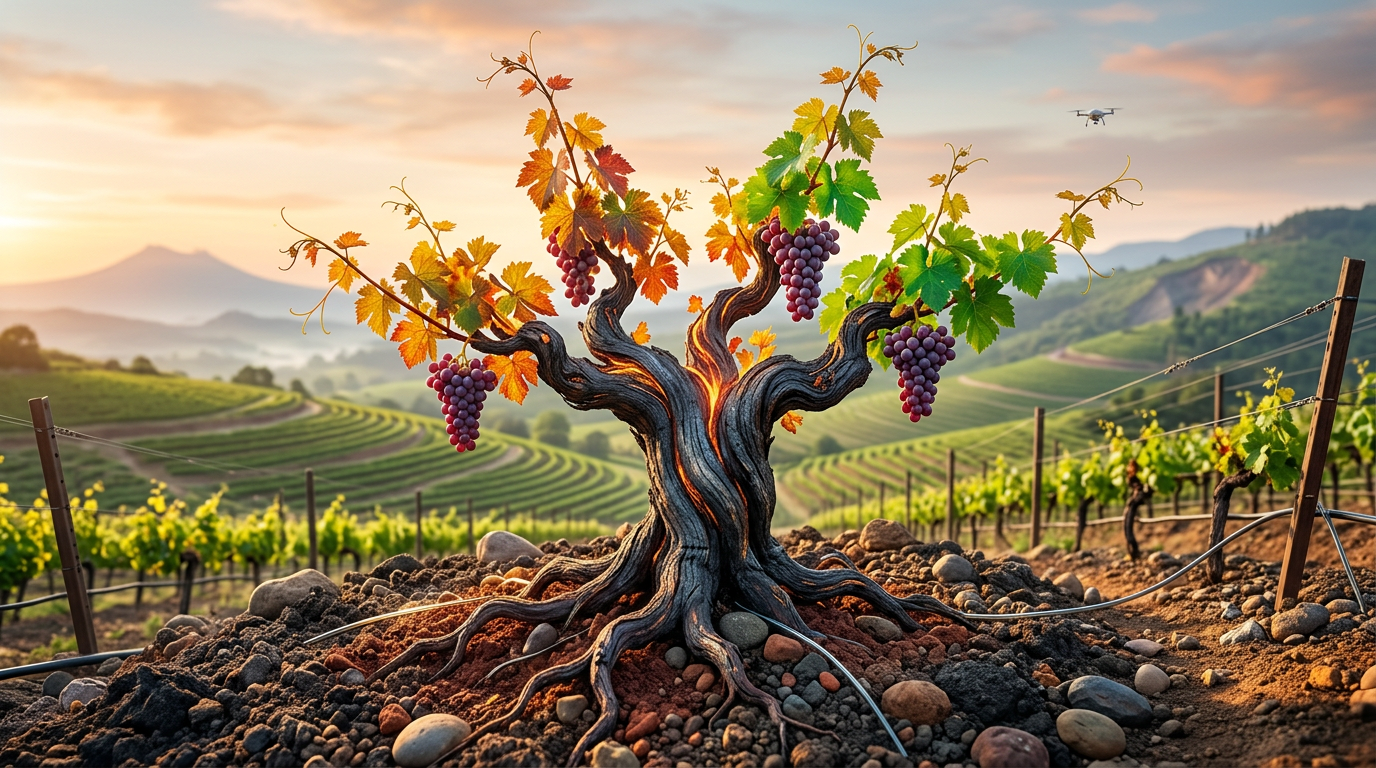
The year 2026 marks a pivotal moment for the recognition and integration of traditional winemaking techniques worldwide. From the ancient amphorae of Georgia to the intricate terracing of the Andes, indigenous cultures have long mastered the art of working with nature, not against it. These practices often involve unique grape varieties, natural fermentation processes, and a profound respect for the vineyard ecosystem. The adoption of indigenous wine practices 2026 offers a sustainable path forward for the industry.
This movement is driven by several factors, including a growing market demand for organic and biodynamic wines, a desire for distinct regional expressions, and a commitment to preserving cultural heritage. Winemakers are finding that by embracing these ancestral methods, they can produce wines with unparalleled complexity, depth, and a true sense of place.
Ancient Techniques, Modern Relevance
Many traditional methods, once considered archaic, are now being lauded for their innovative and sustainable qualities. For instance, the use of clay vessels for fermentation and aging, a practice deeply rooted in indigenous winemaking, is gaining popularity for its ability to allow for gentle oxygen exchange without imparting oak flavors, resulting in pure, terroir-driven wines. This focus on natural processes often impacts the "Molecular Terroir" of a wine, influencing its chemical fingerprint. These indigenous wine practices 2026 are redefining quality.
- Amphorae Fermentation: Re-discovering clay vessels for natural fermentation and aging, a topic further explored in articles like The Art of the Vinous Tapestry: Weaving Indigenous Traditions with Modern Winemaking in 2026.
- Dry Farming: Relying solely on rainfall, a practice common in many ancestral vineyards, promoting deeper root growth and resilience.
- Biodiversity in Vineyards: Incorporating local flora and fauna to create a balanced ecosystem, reducing the need for chemical interventions.
The Economic and Cultural Impact of Indigenous Wine Practices
The embrace of indigenous wine practices 2026 is also having a significant economic and cultural impact. It empowers indigenous communities, offering new avenues for economic development and the revitalization of ancestral lands. Furthermore, it educates consumers about the vast diversity of wine, moving beyond the traditionally dominant European styles and revealing the rich tapestry of global wine heritage.
This trend encourages fair trade relationships, ensuring that indigenous producers receive equitable compensation for their unique contributions to the wine world. It’s about celebrating stories, traditions, and the profound connection between people, land, and wine.
Sustainability at the Forefront: How Indigenous Wine Practices Shape 2026 Viticulture
Sustainability is no longer a niche concern but a core principle within the wine industry, and indigenous wine practices 2026 are proving to be invaluable in this regard. These age-old methods often embody principles of organic, biodynamic, and regenerative agriculture long before these terms entered mainstream discourse. Their inherent deference to natural cycles and minimal intervention approaches are crucial in mitigating the impacts of climate change and preserving biodiversity.
Winemakers adopting these practices are observing improved soil health, increased vine resilience, and a reduction in their environmental footprint. This holistic approach views the vineyard as part of a larger ecosystem, where every element plays a vital role. The result is not just environmentally friendly wine, but wine that truly expresses its origin. For additional insights into sustainable viticulture, the International Organisation of Vine and Wine (OIV) offers valuable resources.
Water Conservation Techniques in Indigenous Winemaking
Many indigenous cultures developed sophisticated methods for water management, crucial in arid or semi-arid regions. These techniques are highly relevant today as water scarcity becomes a global concern. From ancient irrigation systems that minimize waste to selecting drought-resistant native grape varieties, these indigenous wine practices 2026 offer vital lessons for modern viticulture.
For example, some indigenous communities have historically relied on deep-rooted perennial cover crops between vine rows to improve water infiltration and retention, a technique now widely adopted in sustainable vineyard management. This aligns with the principles discussed in The Art of the 'Ephemeral Terroir': Deconstructing the Unseen Forces Shaping 2026's Vintage Uniqueness.
- Utilizing native grape varietals naturally adapted to local climates.
- Employing traditional terracing and contour planting to prevent erosion and maximize water absorption.
- Implementing natural pest control through fostering biodiversity.
Harmony with Nature: Natural Fermentation and Minimal Intervention
The principle of minimal intervention is central to many indigenous wine practices 2026. This includes allowing native yeasts, naturally present on grape skins and in the cellar, to conduct fermentation. This approach not only reduces the need for synthetic additives but also contributes to the wine's unique character and complexity, reflecting the specific microbial environment of the vineyard.
Furthermore, traditional aging methods often involve simple, readily available materials like clay or neutral wood, minimizing the environmental impact associated with barrel production and transportation. This philosophy extends to the entire winemaking process, from pruning methods to bottling.
The Culinary and Cultural Fusion: Pairing Indigenous Wines in 2026
The emergence of wines crafted with indigenous wine practices 2026 opens up exciting new avenues for culinary exploration. These wines, often characterized by their authentic terroir expression and unique flavor profiles, are perfectly suited for innovative food pairings that celebrate regional cuisines and cultural heritage. They offer a refreshing departure from conventional pairings, inviting adventurous palates to discover new harmonies.
At Greatest Wine, we believe that understanding the cultural context of a wine profoundly enhances the tasting experience. Wines made through traditional methods are imbued with stories of the land and its people, making them ideal companions for dishes that share a similar lineage. For more on the sensory experience, consider The Art of the 'Cognitive Cellar': How Sensory Expectation Shapes Wine Appreciation in 2026.
Elevating Regional Gastronomy with Indigenous Wines
Pairing indigenous wines with regional and ancestral dishes creates a truly immersive cultural experience. Imagine a robust Georgian Saperavi, aged in qvevri, alongside traditional khachapuri, or a high-altitude Andean wine complementing a vibrant ceviche. These pairings are not just about flavor but about celebrating historical connections and preserving culinary heritage. The rise of indigenous wine practices 2026 enriches global gastronomy.
Many of these wines possess a certain earthiness, minerality, or herbal notes that beautifully complement the natural ingredients often found in traditional cooking. Their authenticity allows them to stand proudly beside dishes prepared with similar respect for ingredients and tradition. The Michelin Guide also highlights the growing appreciation for indigenous gastronomy.
Beyond the Usual Suspects: Expanding Your Palate with Indigenous Wines
For wine enthusiasts seeking to deepen their expertise, exploring wines made with indigenous wine practices 2026 offers an unparalleled opportunity. It encourages a deeper sensory analysis, moving beyond standard varietal characteristics to appreciate the subtle influences of ancestral techniques and unique microclimates. This expansion of the palate is a journey of discovery, reveling in the diversity that the world of wine truly offers.
Our platform provides detailed tasting notes and sensory analysis techniques to guide you through these unique wines, helping you unlock their character and appreciate their intricate layers. From understanding unfamiliar aromas to discerning the influence of terracotta over oak, we provide the tools to taste like a professional. This journey of discovery relates closely to understanding your own Vinous Palate Print.
Challenges and Opportunities for Indigenous Wine Practices in 2026
While the momentum for indigenous wine practices 2026 is strong, there are inherent challenges and significant opportunities that lie ahead. The path to broader recognition and commercial success for these unique wines requires careful navigation, encompassing issues of intellectual property, market access, and educational initiatives. However, with growing consumer interest and a supportive industry, the future looks bright for these ancestral methods.
Protecting Traditional Knowledge in Indigenous Winemaking
A crucial challenge is ensuring the protection of traditional knowledge and ensuring indigenous communities benefit directly from the commercialization of their practices. This involves establishing fair trade frameworks, ensuring proper attribution, and preventing the exploitation or misappropriation of cultural heritage. Partnerships between larger wineries and indigenous communities must be built on respect and mutual benefit, especially as indigenous wine practices 2026 gain global prominence.
Organizations and governments are increasingly exploring legal and ethical frameworks to safeguard the intellectual property associated with these centuries-old techniques, recognizing their immense value. The World Intellectual Property Organization (WIPO) plays a key role in these discussions.
Market Access and Education for Indigenous Wines
Another hurdle is gaining broader market access for wines produced using traditional indigenous methods. Often, these are small-scale operations that lack the marketing budgets of larger enterprises. Educational initiatives are vital to introduce consumers, sommeliers, and retailers to the unique qualities and stories behind these wines. Tastings, workshops, and comprehensive online resources like Greatest Wine play a critical role in bridging this gap, promoting indigenous wine practices 2026.
Highlighting the sustainable, authentic, and culturally rich aspects of these wines can captivate a global audience eager for meaningful consumption experiences.
Looking Ahead: The Future of Indigenous Wine Practices 2026 and Beyond
The trajectory for indigenous wine practices 2026 points towards an increasingly integrated and celebrated role within the global wine industry. As climate challenges intensify and consumers seek more authentic and sustainable products, the wisdom embedded in ancestral winemaking traditions will become even more indispensable. This isn't just a trend; it's a fundamental shift towards a more respectful and harmonious relationship with the land and its yields.
Greatest Wine is committed to charting this evolving landscape, offering insights into the latest developments, expert advice, and engaging content that celebrates the profound depth of wine culture across the globe. We believe that by understanding and appreciating these indigenous practices, we not only savor exceptional wines but also contribute to a richer, more diverse, and more sustainable future for viticulture worldwide.
- Continuous innovation based on ancient wisdom for climate resilience.
- Increased collaboration between indigenous communities and modern winemakers, building on the concepts explored in The Art of the Vinous Tapestry: Weaving Indigenous Crafts and Wine Culture in 2026.
- Greater consumer demand for wines with a story, authenticity, and environmental responsibility.
- Expansion of educational platforms dedicated to showcasing diverse winemaking traditions.
Written by
Juniper Thorne is an experienced writer and educator with a deep passion for the world of wine. Bringing expertise in sensory analysis and wine culture to the Greatest Wine platform, Juniper helps readers explore and appreciate every nuance of wine.
Related Articles

The Vinous Verse: How Wine's Spirit Inspires 2026's Poetic and Literary Masterpieces
The intricate dance between the grape and the written word has enchanted humanity for millennia. Explore the profound connection between wine and literature, from ancient musings to 2026's contemporary narratives and poetic masterpieces. Discover how the world of wine continually inspires writers.
Juniper Thorne