The Art of the 'Cognitive Vintage': Mastering the Psychology of Wine Expectation in 2026
In 2026, understanding 'Cognitive Vintage Wine' is key to viticulture. This concept delves into how perceived quality and actual sensory experience interact, influencing wine appreciation far beyond the harvest year. Discover the psychological framework shaping wine expectation.


The Art of the 'Cognitive Vintage': Mastering the Psychology of Wine Expectation in 2026
In the evolving world of viticulture and oenology, understanding the intricate relationship between a wine's perceived quality and its actual sensory experience is more crucial than ever. This complex interplay is encapsulated by the concept of Cognitive Vintage Wine. Far beyond simply the year grapes were harvested, a wine's "cognitive vintage" refers to the psychological framework—the expectations, biases, and contextual information—that shapes our perception of a particular wine. As we navigate 2026, where consumer expectations are increasingly sophisticated and diverse, mastering this cognitive dimension is essential for both producers and enthusiasts looking to truly appreciate the craft. Our journey into Greatest Wine seeks to uncover these deeper layers, celebrating not just the liquid in the glass, but the entire narrative that surrounds it.
What is Cognitive Vintage Wine and Why Does it Matter in 2026?
The term Cognitive Vintage Wine delves into the mind of the wine drinker. It acknowledges that human perception is not purely objective; rather, it’s heavily influenced by a myriad of external and internal factors. When we taste a wine, our experience is colored by its price, label, reputation, origin, the story behind it, and even our own mood.
In 2026, with the proliferation of information and digital communities, these cognitive biases are amplified. Consumers have access to vast databases of reviews, scores, and expert opinions before they even uncork a bottle. This pre-exposure significantly impacts their tasting experience, creating a "cognitive vintage" that can sometimes overshadow or enhance the actual quality of the wine itself. To delve deeper into how wine presentation impacts perception, explore The Art of the 'Cognitive Corkscrew': Deconstructing the Psychological Rituals of Opening and Serving Wine in 2026.
The Power of Expectation in Wine Tasting
Expectation bias is a well-documented psychological phenomenon. In wine, if you expect a wine to be exquisite (due to a high price tag or glowing reviews), you are more likely to perceive it as such. Conversely, if you expect a wine to be mediocre, your tasting notes may reflect that lower expectation, even if the wine is objectively good. A fascinating study by Plassmann et al. (2008) demonstrated that higher price labels literally change activity in brain regions associated with pleasure, even if the wine itself is identical.
- Price Tag Effect: Studies often show that wines perceived as more expensive are rated higher.
- Label Aesthetics: An attractive or prestigious-looking label can elevate expectations.
- Reputation & Story: A vineyard's long history or a compelling production narrative influences perception.
- Expert Reviews: High scores from critics can set a powerful positive expectation.
The Anatomy of Perception: Deconstructing the Cognitive Vintage
Understanding how the Cognitive Vintage Wine is formed requires us to look beyond the basic sensory inputs. It's a holistic process, involving sight, smell, and taste, but critically, also the intellect and emotion. Our brains are constantly making sense of incoming data, and when it comes to wine, this data includes everything from the bottle's weight to the server's description.
This "anatomy of perception" is what Greatest Wine aims to help you master. By becoming aware of these cognitive influences, you can learn to separate genuine sensory feedback from preconceived notions, leading to a much richer and more authentic appreciation of the wine. Delve into the broader sensory experience with The Art of the 'Vinous Gestalt': Understanding Wine as More Than the Sum of Its Parts in 2026.
Sensory vs. Cognitive Input
While the taste buds, olfactory receptors, and visual cues provide raw data, the brain filters and interprets this through various cognitive lenses. For instance, the deep ruby color of a red wine might suggest robustness, but prior knowledge of its grape variety or region (cognitive input) could lead you to anticipate certain aromas or flavors.
Factors influencing this cognitive input include:
- The wine's origin (e.g., Bordeaux vs. Napa Valley)
- Grape varietal (e.g., Cabernet Sauvignon vs. Pinot Noir)
- Producer's philosophy (e.g., biodynamic vs. conventional)
- Vintage specific information (e.g., a challenging vs. acclaimed growing season)
Cultivating a Discerning Palate for Cognitive Vintage Wine
To truly appreciate wine, one must learn to discern between the objective qualities of the wine and the subjective influences shaping perception. This doesn't mean ignoring context, but rather being mindful of it. Cultivating a discerning palate is about developing metacognition in your tasting process.
At Greatest Wine, we guide enthusiasts through this journey, providing tools and techniques to sharpen their sensory analysis and temper their cognitive biases. This allows for a more profound connection with the wine, moving beyond simple likes and dislikes to a deeper understanding of its craftsmanship and character. For a deeper understanding of how these nuances develop, see our article on The Art of the 'Vinous Micro-Sculptor': How Precision Pruning Shapes 2026's Ultra-Premium Wine Character.
Techniques for Mindful Wine Tasting
Developing this skill involves deliberate practice and self-awareness:
- Blind Tasting: The ultimate tool to strip away cognitive biases. Removing labels and knowing the wine's identity forces reliance purely on sensory input.
- Comparative Tasting: Tasting similar wines side-by-side can highlight subtle differences and train your palate to detect nuances.
- Journaling: Documenting your impressions before and after revealing the wine's identity helps track your cognitive biases.
- Focused Sensory Training: Actively identifying specific aromas (fruit, floral, earthy) and flavors (sweet, sour, bitter, umami) in various foods and drinks.
- Contextual Awareness: Before tasting, acknowledge any information you have about the wine, and try to set it aside temporarily.
The Future of Wine Appreciation and the Cognitive Vintage in 2026
As we look to the future of wine in 2026, the concept of the Cognitive Vintage Wine will only grow in importance. With increasing transparency in winemaking, direct-to-consumer models, and personalized recommendations powered by AI, consumers will have even more pre-tasting information at their fingertips. This necessitates a more informed and self-aware approach to wine appreciation.
The industry is also responding. Winemakers are increasingly sharing their stories and philosophies, creating a deeper "cognitive vintage" for their wines. Education platforms like Greatest Wine are crucial in helping enthusiasts navigate this evolving landscape, ensuring that the experience of wine remains authentic and enriching. Predicting these shifts is key, as explored in The Art of the 'Vinous Oracle': Predicting Future Wine Trends and Consumer Palates in 2026. The role of artificial intelligence in shaping these perceptions is also growing rapidly, as discussed by Forbes and its impact on consumer perception in 2026.
Trends Influencing Cognitive Perception
Several trends underscore the significance of the cognitive vintage:
- Terroir Transparency: Detailed information about vineyard soils, climate, and microclimates.
- Sustainability Narratives: Increasing consumer interest in eco-friendly and ethical production practices.
- Minimal Intervention Winemaking: The "natural" wine movement often comes with specific narratives about purity and authenticity.
- Digital Community Influence: Social media and online forums shape collective expectations and perceptions. Learn more about the future of virtual wine experiences with insights from WineBusiness.com regarding virtual and augmented realities in 2026.
- Personalized Wine Recommendations: Algorithms learn individual preferences, potentially reinforcing existing biases or introducing new ones.
Ultimately, by understanding and managing our own cognitive vintage, we move beyond mere consumption to a profound appreciation of the art, science, and history contained within each bottle. This holistic approach ensures that every sip is not just a taste, but a thoughtful and enriching experience.
Written by
Juniper Thorne is an experienced writer and educator with a deep passion for the world of wine. Bringing expertise in sensory analysis and wine culture to the Greatest Wine platform, Juniper helps readers explore and appreciate every nuance of wine.
Related Articles
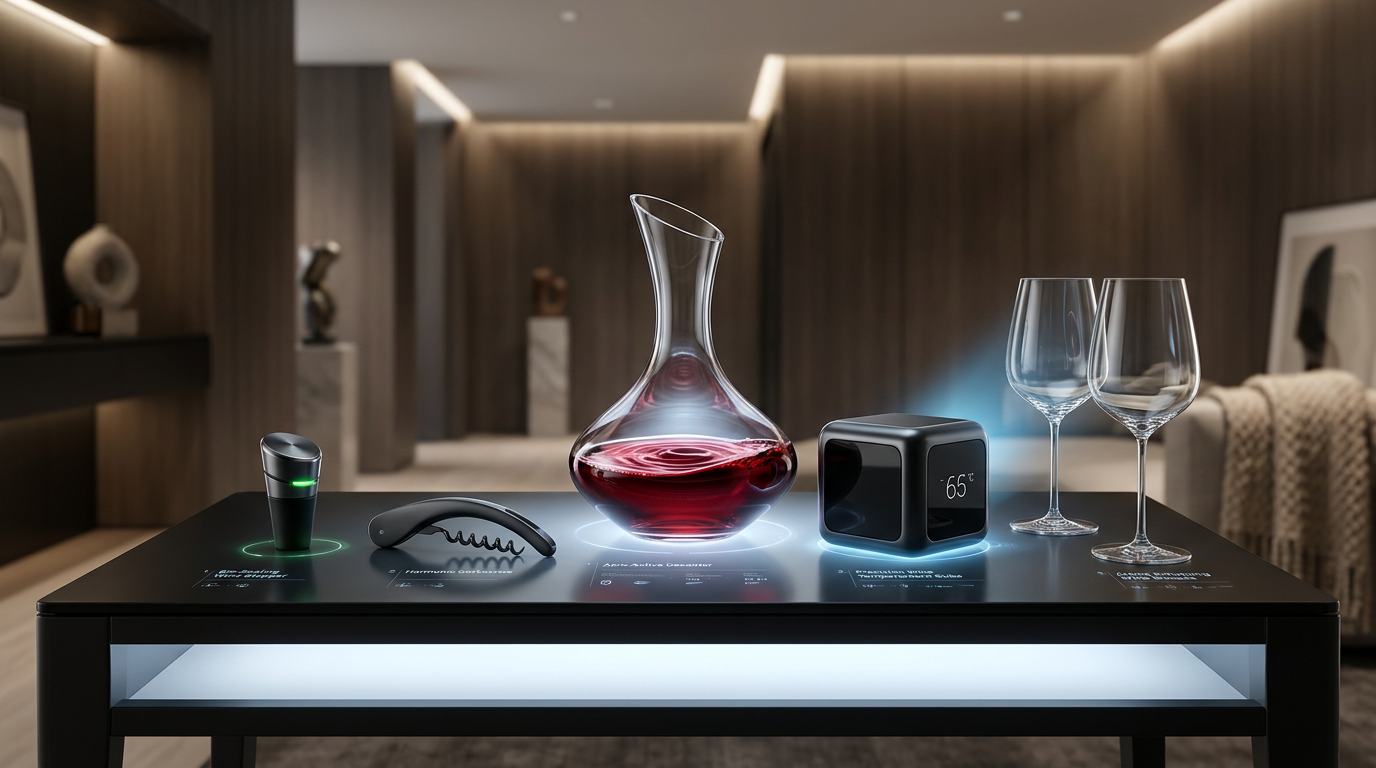
The Vinous Arsenal: Essential Tools for Elevating Your Wine Experience in 2026
As we navigate May 2026, the world of wine continues to evolve, offering enthusiasts unprecedented tools. Discover the essential wine accessories for 2026 that will elevate your enjoyment, from innovative aerators to smart preservation systems. Upgrade your vinous arsenal today with Greatest Wine.
Juniper Thorne