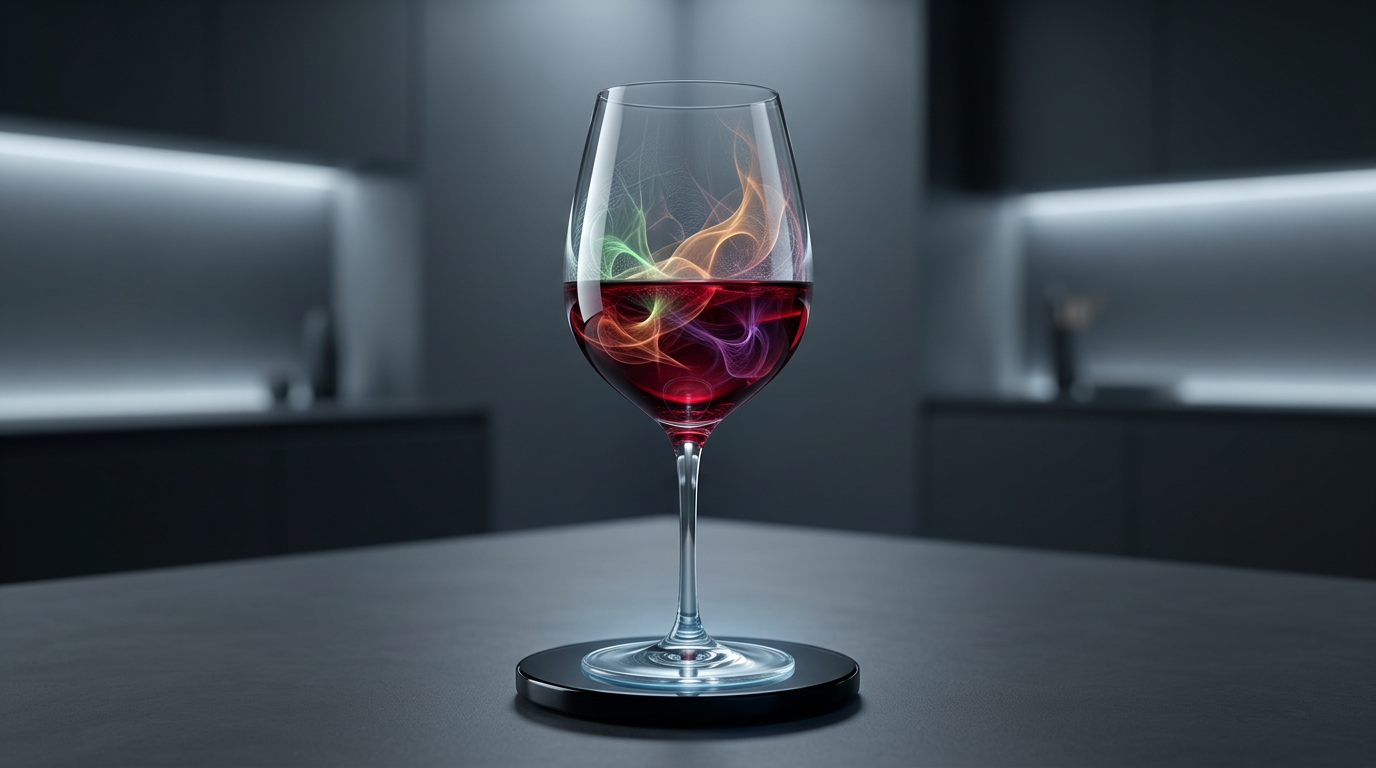
The Vinous Spectrum: Decoding Wine's Color and Its Profound Influence on Perception in 2026
Before the first sip, wine's color sets expectations. This article delves into the profound wine color influence on perception, taste, and aroma in 2026. Discover how visual cues, pigments, and production methods impact your appreciation of reds, whites, and rosés. Uncover the secrets of the vinous spectrum.

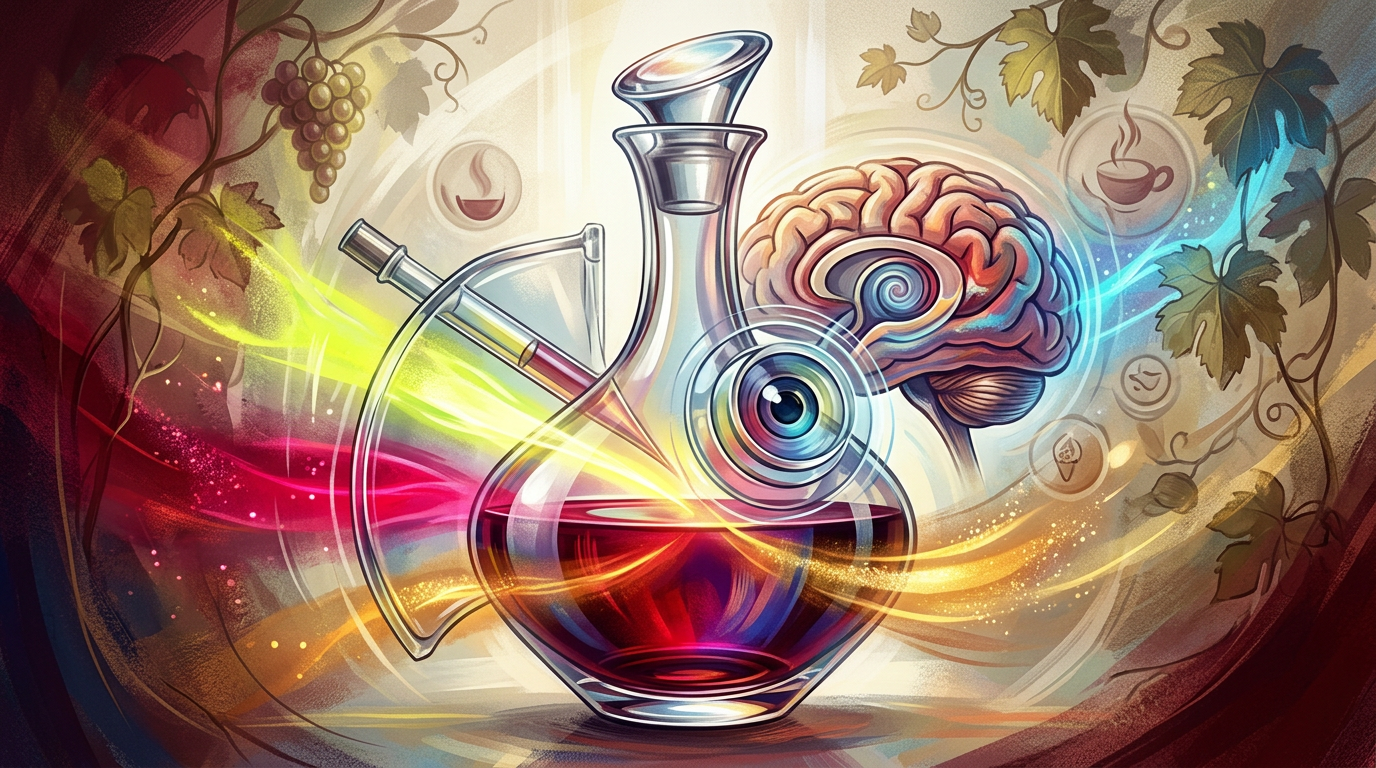
The Profound Wine Color Influence: Decoding the Vinous Spectrum in 2026
The journey into understanding wine often begins before the first sip, even before the first scent. It commences with a simple, yet profoundly impactful, visual observation: its color. The **wine color influence** on our perception, expectation, and ultimately, our enjoyment, is a fascinating aspect of oenology that merits deep exploration. In 2026, as appreciation for the craft and science of winemaking continues to grow, decoding this vinous spectrum has become even more crucial for both novices and seasoned connoisseurs alike.
From the moment a glass is poured, the hue, clarity, and intensity of the wine communicate a wealth of information. This initial visual impression primes our senses, setting the stage for the aromas and flavors to come. Understanding how color develops and what it signifies can profoundly enhance your tasting experience.

The Science Behind Wine Color Influence: Pigments and Production
The captivating array of colors we see in wine is not merely aesthetic; it is a direct result of intricate biochemical processes and careful winemaking decisions. Understanding these underpinnings helps us appreciate the complexity behind every bottle.
Anthocyanins and Tannins: Nature's Palette
- **Anthocyanins:** These water-soluble pigments, found in the skins of red grapes, are primarily responsible for the vibrant red, purple, and blue hues in red wines. Their concentration and stability are influenced by grape variety, ripeness, and vineyard conditions. Younger red wines tend to exhibit more vibrant purplish-red tones due to higher concentrations of unstable anthocyanins.
- **Tannins:** While primarily contributing to texture and structure, tannins, also found in grape skins, seeds, and stems, interact with anthocyanins. This interaction can stabilize color and contribute to its evolution over time. As wine ages, tannins polymerize, leading to changes in color, often moving towards brick-red or brown.
For white wines, the color predominantly comes from various phenolic compounds, but in much lower concentrations than red wines, and also from the slight oxidation of grape must. The absence of skin contact during fermentation largely dictates their pale appearance, showcasing a different aspect of **wine color influence**.
Winemaking Techniques and Hue Development
The winemaker’s touch plays a significant role in shaping the final color of the wine. Techniques such as maceration, fermentation temperature, and oak aging all have a profound **wine color influence**.
- **Maceration:** The duration of skin contact during fermentation is crucial for red wines. Longer maceration extracts more anthocyanins and tannins, leading to deeper, more intense colors.
- **Oxidation:** Controlled exposure to oxygen during fermentation or aging (e.g., in oak barrels) can lead to color evolution. White wines can deepen from pale straw to golden or amber, while reds may shift from purple to garnet or brick. For a deeper dive into how storage environments affect wine's evolution, explore The Silent Architects: How Micro-Environments in Your Cellar Sculpt Wine's Evolution in 2026.
- **Clarification:** Processes like fining and filtration remove suspended particles, enhancing clarity and brilliance, allowing the true color to shine through.
Psychological Impact: The Profound Wine Color Influence on Expectation
Our brains are wired to associate certain colors with specific flavors and qualities. This psychological aspect of the **wine color influence** is undeniable and can profoundly alter our perception of taste and enjoyment.
The Power of Visual Cues in Tasting
Studies have repeatedly shown that color can trick our senses. A white wine dyed red might be perceived as having characteristics typically associated with red wine, such as notes of dark fruit or spice, even if those aromas are not present. This highlights the strong anticipatory effect that visual cues have on our palate. Understanding this psychological priming is key to Mastering the Psychology of Wine Expectation in 2026.
A brilliant, clear wine suggests purity and freshness, while a cloudy or hazy appearance might indicate instability or a natural, unfiltered approach. These initial visual judgments contribute heavily to our overall sensory assessment, proving the depth of the **wine color influence**. To truly appreciate the multifaceted nature of wine experiences, consider Curating Wine Experiences Beyond the Bottle in 2026.
Regional and Varietal Color Signatures
Many grape varietals and wine regions have distinctive color signatures, showcasing the diverse **wine color influence** across the globe. For example, Pinot Noir often exhibits a paler, more translucent ruby hue compared to the deep, opaque purple of a young Cabernet Sauvignon. Similarly, an aged Riesling might transition from pale lemon to a rich golden color, indicating maturity and the evolution of its **wine color influence**.
Learning these typical color profiles helps enthusiasts identify wines blind and understand their potential characteristics. This knowledge is a cornerstone of professional wine tasting and appreciation.
Decoding the Shades: Understanding the Wine Color Influence
Observing the specific shade and intensity of a wine provides valuable clues about its age, grape varietal, and even its condition. Here’s a brief guide to what different colors typically indicate in 2026's wine market:
Reds: From Ruby to Garnet to Brick
- **Ruby/Purple:** Young red wines, often vibrant and opaque, with purple hints. Indicates freshness, primary fruit flavors, and often a youthful vigor. Think Beaujolais Nouveau or young Merlot.
- **Garnet/Red:** As red wines age, especially those with good tannic structure, they shift to a brick-red or garnet hue. This suggests evolving complexity, secondary and tertiary aromas, and a mellowing of tannins. Classic examples include aged Bordeaux or Barolo. For more details on red wine characteristics, consult Wikipedia's entry on Red Wine.
- **Brick/Brown:** An advanced brown rim, often with a tawny center, indicates significant age or possible oxidation. While some wines develop beautifully into these shades (e.g., aged Port), in others, it might signal that the wine is past its prime.
Whites: From Pale Yellow to Golden Amber
- **Pale Lemon/Straw:** Characteristic of very young, unoaked white wines like Sauvignon Blanc or Pinot Grigio. These wines are typically fresh, crisp, and bursting with citrus and green fruit notes.
- **Golden Yellow:** Often found in oaked white wines (e.g., Chardonnay) or whites that have seen some bottle age. This deeper hue suggests richer texture, complexity, and potentially notes of vanilla, toast, or nuts.
- **Amber/Brown:** Indicates significant oxidation or considerable age. While common and desirable in dessert wines like Sauternes or Sherry, it might suggest spoilage in dry whites not intended for extensive aging.
Rosés: A Spectrum of Pink
Rosé wines showcase perhaps the most diverse and captivating color range, from pale salmon to vibrant fuchsia. The shade primarily depends on the grape varietal and the length of skin contact during production, demonstrating a clear **wine color influence**. Lighter, paler rosés (like Provence style) often imply a delicate, dry profile, while deeper, more intense pinks might suggest a fruitier, fuller-bodied wine. The recent trend in 2026 continues to favor lighter, drier styles, though diverse options remain popular, each with its unique **wine color influence**.
Wine Color Influence in Professional Tasting and Evaluation
For wine professionals, color assessment is far more than an aesthetic appreciation; it is a critical step in objective evaluation. The initial visual inspection provides vital data before the nose and palate are engaged.
Assessing Clarity and Brilliance
A professional taster first examines the wine for clarity. Is it crystal clear, brilliant, hazy, or cloudy? Clarity indicates proper winemaking, filtering, and stability, impacting the perceived **wine color influence**.
Color as an Indicator of Age and Condition
As mentioned, color evolution is a key indicator of age. A wine that shows color development beyond its expected age might be prematurely aged or improperly stored. Conversely, a wine that retains youthful color when it should be showing maturity might suggest a lack of complexity or a wine that hasn't evolved as anticipated. This aspect of **wine color influence** is crucial for sommeliers and collectors.
Discoloration, such as an unhealthy brown tinge in a young red or a murky green in a white, can signal spoilage, often due to excessive oxidation or microbial activity, which professional tasters must identify, understanding its negative **wine color influence** on quality.

The Future of Perception: Trends in Wine Color Influence for 2026
The wine world is dynamic, and our understanding of color continues to evolve with new trends and consumer preferences. In 2026, several factors are shaping how we perceive and interpret wine colors.
Transparent Labeling and Consumer Education
Consumers are increasingly demanding transparency, not just in ingredients but also in production methods. This translates to a greater understanding of how winemaking choices affect color. Educational platforms like Greatest Wine are empowering consumers to connect what they see in the glass with the story behind the bottle, deepening their appreciation for the **wine color influence**. For insights into critical analysis of wine information, read about Deconstructing How We 'Know' Wine in an Era of Disinformation (2026).
The Rise of "Orange" and "Natural" Wines
The growing popularity of orange wines (white wines made with extended skin contact, like reds) and natural wines has introduced consumers to a broader spectrum of colors beyond traditional definitions, further exploring the diverse **wine color influence**. These wines often display a degree of haze or unconventional hues (from deep gold to true orange), challenging conventional notions of "clear" and "bright." This shift requires an open mind and a deeper understanding of the intentional choices made by winemakers.
This trend highlights that the definition of what constitutes an "acceptable" or "desirable" wine color is expanding, encouraging enthusiasts to look beyond initial appearances and explore the full story of the wine and its profound **wine color influence**. More insights into such trends can be found at reputable industry publications like Jancis Robinson's articles on wine trends.
Conclusion
The **wine color influence** is far-reaching, touching upon science, psychology, and cultural perception. It is the first sensory gatekeeper, shaping our expectations and guiding our initial impressions. From the intricate dance of anthocyanins and tannins to the winemaker's masterful touch, every shade and hue in the glass tells a story.
As we continue our journey through the world of wine in 2026, embracing this understanding of color allows us to move beyond mere observation to a profound appreciation of wine's true character. So, next time you pour a glass, take a moment to truly see it, for the color is whispering secrets, ready to be decoded, revealing the true **wine color influence**.
Written by
Juniper Thorne is an experienced writer and educator with a deep passion for the world of wine. Bringing expertise in sensory analysis and wine culture to the Greatest Wine platform, Juniper helps readers explore and appreciate every nuance of wine.
Related Articles
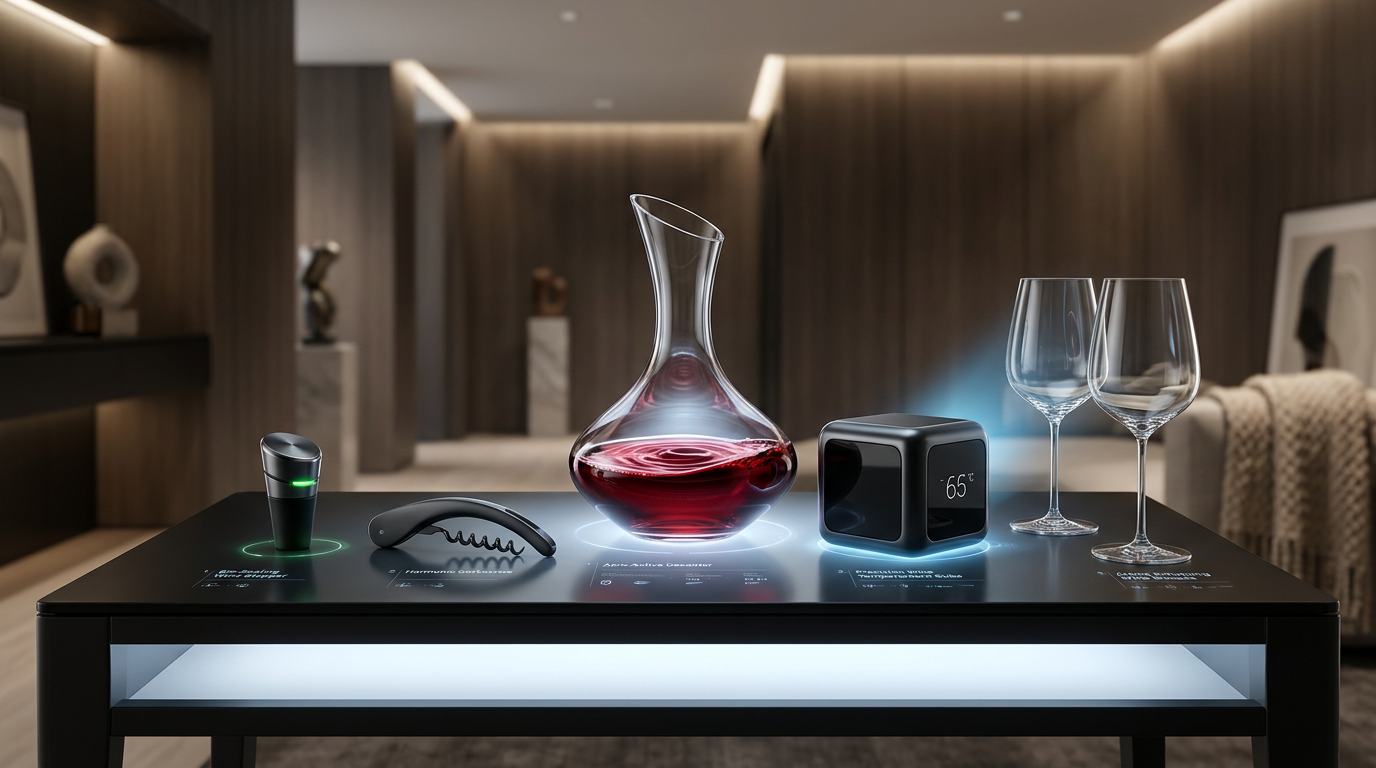
The Vinous Arsenal: Essential Tools for Elevating Your Wine Experience in 2026
As we navigate May 2026, the world of wine continues to evolve, offering enthusiasts unprecedented tools. Discover the essential wine accessories for 2026 that will elevate your enjoyment, from innovative aerators to smart preservation systems. Upgrade your vinous arsenal today with Greatest Wine.
Juniper Thorne