The Art of the 'Cognitive Corkscrew': Deconstructing the Psychological Rituals of Opening and Serving Wine in 2026
In the intricate world of oenology, few aspects are as captivating as the wine serving rituals psychology. It's not merely about pouring a liquid into a glass; it's a profound performance that engages our senses, elevates anticipation, and ultimately shapes our perception of the wine itself. As we navigate 2026, the understanding of these psychological underpinnings offers a unique lens through which to appreciate wine.

The Art of the 'Cognitive Corkscrew': Deconstructing the Psychological Rituals of Opening and Serving Wine in 2026
In the intricate world of oenology, few aspects are as captivating as the wine serving rituals psychology. It's not merely about pouring a liquid into a glass; it's a profound performance that engages our senses, elevates anticipation, and ultimately shapes our perception of the wine itself. As we navigate 2026, the understanding of these psychological underpinnings is more pertinent than ever, influencing everything from fine dining experiences to casual home enjoyment. This article delves into how these deliberate acts transcend simple mechanics, transforming a beverage into an experience.
The Psychological Impact of Wine Serving Rituals
The act of opening and serving wine is steeped in tradition and symbolism, fostering a rich tapestry of associations that enhance our enjoyment. These rituals, whether conscious or subconscious, play a significant role in our sensory and emotional engagement with wine. They build anticipation and set the stage for a memorable experience.
Every step, from the carefully selected corkscrew to the final pour, contributes to a mental framework that elevates the wine's perceived value and quality. This intricate process speaks volumes about the respect given to both the wine and the moment. For a deeper dive into how perception is shaped, consider exploring The Art of the 'Cognitive Vintage': Mastering the Psychology of Wine Expectation in 2026.
Anticipation and Sensory Priming
The gentle pop of a cork or the whir of an electric opener immediately primes our senses. This auditory cue signals the beginning of a sensory journey. Our brains begin to anticipate the aromas and flavors to come, enhancing our readiness to appreciate the wine's complexities.
Furthermore, visual elements like the bottle's label and the clarity of the wine as it's poured contribute to this priming. These initial impressions are crucial in forming our overall evaluation. The aesthetics of a wine bottle and label play a significant role in consumer psychology, a topic further explored in The Art of the 'Cognitive Cork': Navigating the Psychology of Wine Label Design in 2026.
Social Bonding and Connection
Sharing wine is inherently a social activity, and the accompanying rituals strengthen these connections. The shared experience of opening a special bottle fosters camaraderie and intimacy. It turns a simple drink into a communal event.
The specific ways in which wine is served often reflect cultural norms and personal preferences, signaling hospitality and care. This attention to detail creates a more inviting and engaging atmosphere, deepening personal bonds.
Decoding the Wine Serving Rituals Psychology: From Cork to Glass
Each stage of the wine-serving process carries its own psychological weight and contributes to the overall perception. Understanding these nuances allows us to appreciate the depth behind seemingly simple actions. This is where the true wine serving rituals psychology comes into play.
From the choice of stemware to the temperature, every detail is a deliberate component in crafting the wine experience. These elements work in concert to influence our interpretation of the wine's character.
The Ritual of Opening the Bottle
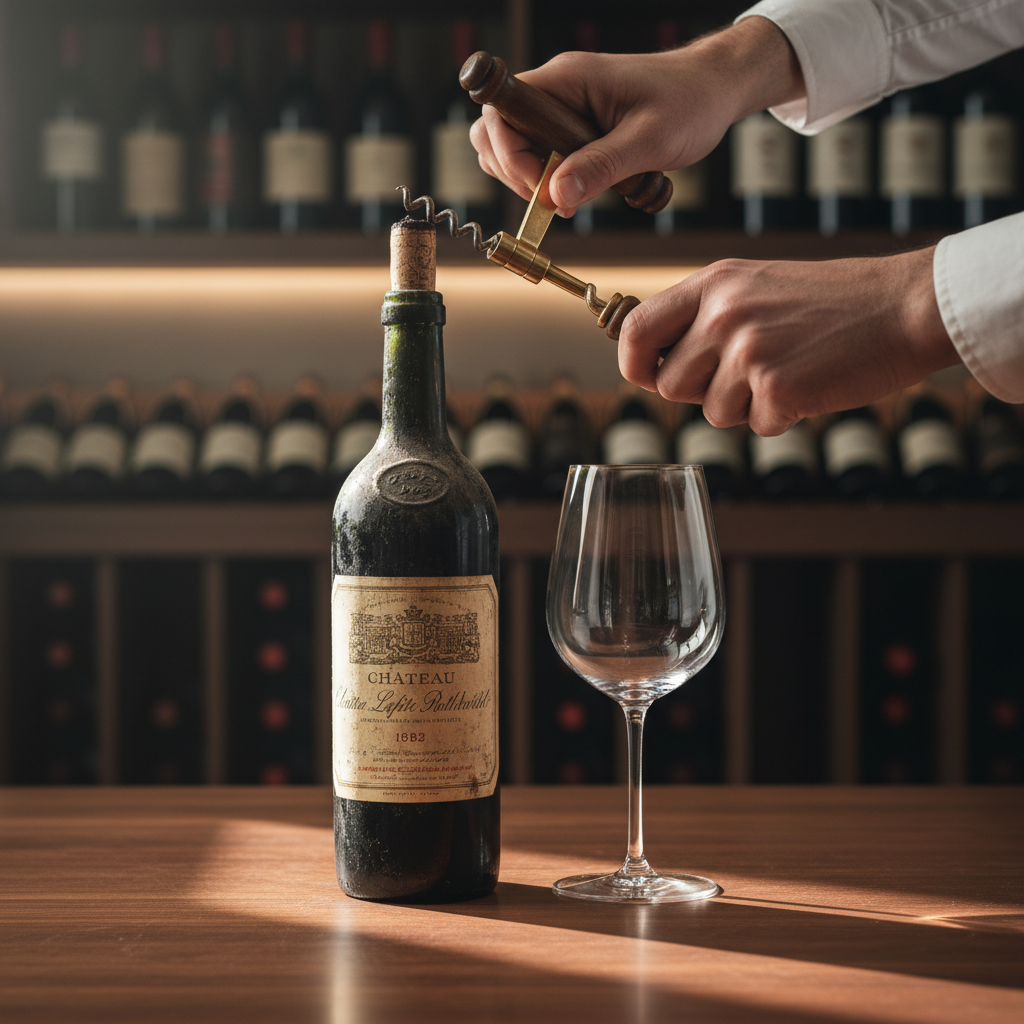
The manner in which a bottle is opened is highly symbolic. Manual corkscrews, with their tangible engagement with the cork, often evoke a sense of tradition and effort. This manual dexterity conveys a reverence for the wine contained within.
Conversely, modern, effortless openers might symbolize convenience and sophistication. The choice often depends on the occasion and the desired atmosphere, each impacting the initial impression of the wine.
- Traditional Corkscrews: Evoke a sense of history, skill, and anticipation.
- Waiter's Friend: A classic, versatile tool often associated with professional service and elegance.
- Lever-style Openers: Emphasize ease and a modern approach, often used for celebratory occasions.
- Electric Openers: Focus on convenience and seamless operation, minimizing effort and fuss.
The Significance of Decanting
Decanting serves both practical and psychological purposes. Aerating the wine can soften tannins and release dormant aromas, but the act itself carries a ceremonial weight. It signifies patience and an elevated level of care.
Visually, the swirling and pouring of wine into a decanter transform it from a simple bottle to a captivating display. This theatrical element enhances the perceived value and complexity of the wine, further engaging the observer. For more on the sensory journey, consider the detailed insights on flavors and aromas in The Art of the 'Cognitive Blend': How Our Brains Harmonize Wine Flavors in 2026.
Temperature, Glassware, and the Wine Serving Rituals Psychology
These crucial elements are far more than just practical considerations; they are intrinsic to the wine serving rituals psychology. The right temperature unlocks the wine's true aromatic and flavor profile, preventing it from tasting flat or overly alcoholic. An improperly chilled white wine, for instance, can lose its crispness, while a red served too warm might taste muddy. The importance of precision in wine enjoyment is further highlighted in discussions around The Art of the 'Vinous Timepiece': Mastering the Science of Wine's Optimal Moment in 2026.
Similarly, the choice of glassware actively shapes the tasting experience. Different glass shapes are designed to direct specific aromas to the nose and to present the wine in the most flattering way on the palate, amplifying its best characteristics.
The Perfect Serving Temperature
Serving wine at its optimal temperature is a non-negotiable step for true appreciation. Red wines generally benefit from being served slightly below room temperature (around 60-65°F or 15-18°C), allowing their complex bouquets to unfold without alcohol overpowering the fruit.
White and sparkling wines, on the other hand, require cooler temperatures (around 45-55°F or 7-13°C) to maintain their freshness, acidity, and delicate aromatics. This attention to detail communicates a deep respect for the wine and enhances the sensory experience. For cutting-edge perspectives on wine science, explore research from institutions like UC Davis Viticulture & Enology.
- Red Wines: Generally 60-65°F (15-18°C) – helps complex aromas emerge.
- White & Rosé Wines: 45-55°F (7-13°C) – preserves crispness and fruit notes.
- Sparkling Wines: 40-45°F (4-7°C) – maintains effervescence and delicacy.
The Influence of Glassware
The design of a wine glass is not merely aesthetic; it's a scientifically engineered tool. The bowl's shape, rim diameter, and even the length of the stem all contribute to how aromas are concentrated and delivered to the nose, and how the wine hits specific areas of the palate.
For example, a wide-bowled glass for Burgundy wines allows for ample aeration and a broad surface area for swirling, releasing delicate Pinot Noir aromas. A narrower, taller flute for Champagne preserves bubbles and directs citrus and brioche notes upward. The visual elegance of appropriate glassware further elevates the perceived quality of the wine. Delve further into sensory appreciation by investigating resources from the Wine & Spirit Education Trust (WSET).
Pouring, Presentation, and the Social Rituals of Wine
Beyond the technicalities, the act of pouring and presenting wine is deeply intertwined with social graces and expectations. This element of wine serving rituals psychology shapes not just individual enjoyment but also the collective experience. It’s about creating an atmosphere of shared pleasure and respect.
The flourish of a well-executed pour, the careful presentation of the bottle, and the timing of each action contribute to a harmonious dining or social occasion. These elements solidify wine's role as a centerpiece for connection.
The Art of the Pour
The pour itself is a crucial part of the ritual. A steady, even pour displays confidence and care, avoiding splashes and ensuring optimal aeration. Filling the glass to the correct level – typically one-third to one-half – allows for swirling, which is essential for releasing aromas.
An elegant pour also respects the guest, demonstrating a commitment to their enjoyment. This meticulous attention to detail elevates the perception of the wine and the generosity of the host.
Presentation and Etiquette in 2026
In 2026, while traditional etiquette remains valued, there's also a growing appreciation for personalized and authentic presentation. This includes everything from the choice of table setting to the informal storytelling accompanying a special bottle. The focus is increasingly on creating unique and memorable experiences.
Whether in a Michelin-starred restaurant or a casual home gathering, presenting the bottle's label, offering a taste to the host, and explaining a bit about the wine's origin or vintage all contribute to the rich tapestry of the wine serving rituals psychology. These small gestures significantly enhance engagement and appreciation. The broader impacts of ritual on human behavior are often explored in sociological studies, such as those found on JSTOR, which can offer further context to these wine-specific observations.
- Presenting the bottle to confirm the selection and vintage.
- Offering a small pour for the host to confirm taste and quality.
- Explaining the wine's characteristics or a personal anecdote.
- Ensuring glasses are clean and polished.
- Maintaining an appropriate pouring pace for conversation.
Conclusion: Embracing the Full Spectrum of Wine Serving Rituals Psychology
The journey of wine, from vineyard to glass, is a complex interplay of nature, craftsmanship, and human connection. The wine serving rituals psychology is an indispensable layer in this experience, transforming a mere beverage into a profound sensory and social event. In 2026, understanding and appreciating these rituals allows us to unlock deeper levels of enjoyment and engagement with every bottle.
By respecting the processes of opening, decanting, temperature control, and thoughtful pouring, we don't just drink wine – we celebrate it. These deliberate actions enrich our appreciation, foster stronger bonds, and underscore the artistry and tradition inherent in the world of wine. Ultimately, these rituals are a testament to our desire to elevate the everyday into something extraordinary.
Written by
Juniper Thorne is an experienced writer and educator with a deep passion for the world of wine. Bringing expertise in sensory analysis and wine culture to the Greatest Wine platform, Juniper helps readers explore and appreciate every nuance of wine.
Related Articles

The Vinous Verse: How Wine's Spirit Inspires 2026's Poetic and Literary Masterpieces
The intricate dance between the grape and the written word has enchanted humanity for millennia. Explore the profound connection between wine and literature, from ancient musings to 2026's contemporary narratives and poetic masterpieces. Discover how the world of wine continually inspires writers.
Juniper Thorne