The Art of the 'Vinous Timepiece': Mastering the Science of Wine's Optimal Moment in 2026
Understanding a wine's optimal drinking window is crucial for true appreciation. It's the point where flavor, aroma, and balance are at their peak. This guide explores the science, experience, and intuition behind pinpointing this elusive 'vinous timepiece' for peak enjoyment in 2026 and beyond, helping you maximize every drop.

The Art of the 'Vinous Timepiece': Mastering the Science of Wine's Optimal Drinking Window in 2026
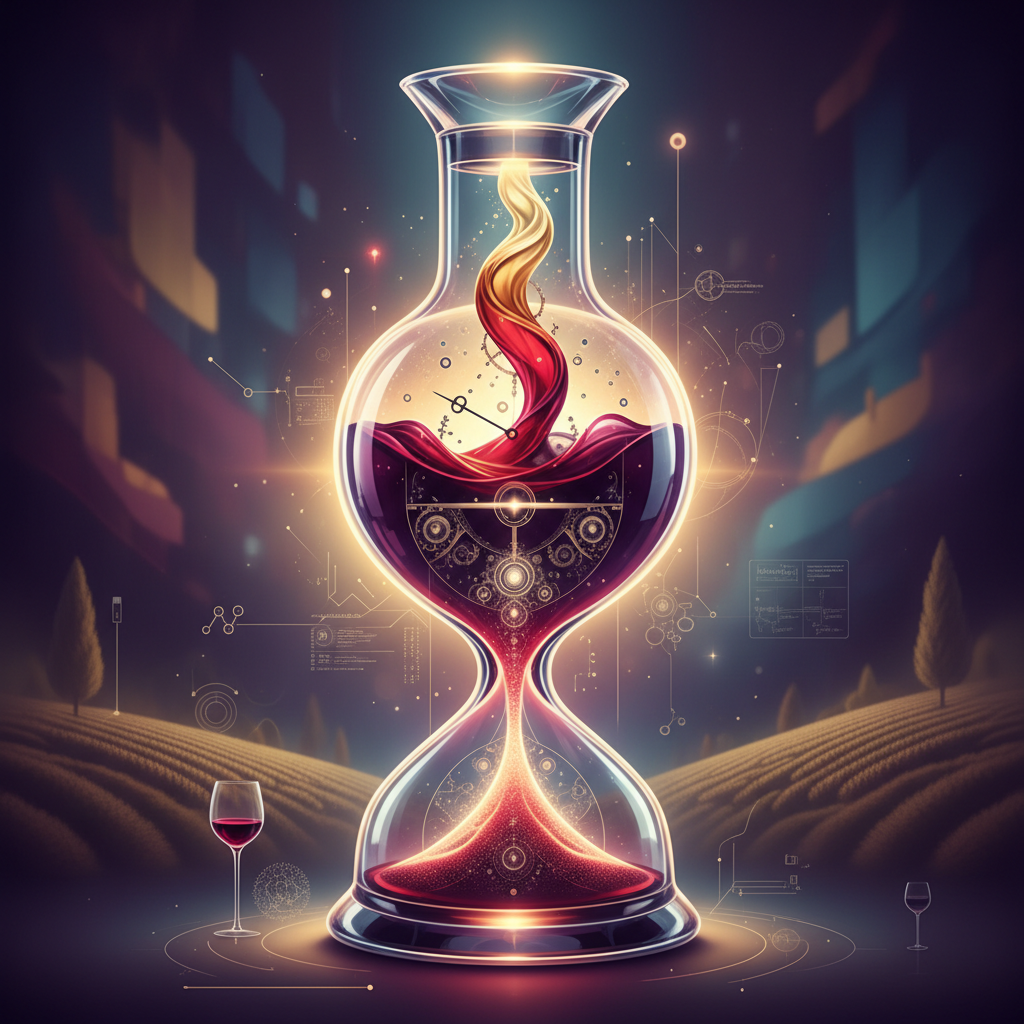
Understanding the wine optimal drinking window is a cornerstone of true wine appreciation. It’s the elusive sweet spot where a wine achieves maximum flavor, aroma, and balance before it begins to decline. Far from being a simple date on a bottle, pinpointing this optimal moment is a blend of science, experience, and sometimes, a little intuition. As we navigate the complex world of viticulture and winemaking in 2026, the discussion around when to uncork that special bottle is more relevant than ever for enthusiasts and collectors alike.
What Defines the Wine Optimal Drinking Window?
The concept of a wine's optimal drinking window refers to the period during which a wine presents its best qualities. Prior to this window, the wine might be too harsh, tannic, or primary, while after it, the wine risks becoming faded, oxidized, or simply past its prime. This window is not static and varies greatly depending on a multitude of factors.
For some wines, particularly many crisp whites and light reds, the window opens almost immediately upon release and lasts only a few years. For others, notably high-quality Bordeaux, Burgundy, or certain robust Zinfandels, the window may not even begin for a decade or more, extending across several decades.
Key Factors Influencing a Wine’s Evolution
- Grape Varietal: Different grapes have inherent aging potential. Cabernet Sauvignon, Nebbiolo, and Syrah generally age longer than Pinot Grigio or Beaujolais.
- Vintage Conditions: The weather patterns of a specific year can significantly impact the grape quality and, consequently, the wine's longevity. Learn more about historic climate shifts and their influence on old vine wines.
- Winemaking Techniques: Factors such as oak aging, malolactic fermentation, residual sugar, and fortification all play a crucial role in how a wine evolves.
- Storage Conditions: Proper storage – consistent temperature, humidity, absence of light and vibration – is paramount for a wine to reach its full potential.
Deciphering the Clues: How to Predict a Wine’s Peak
Predicting a wine's peak enjoyment isn't guesswork; it involves understanding certain indicators. While producers often provide guidance, developing your own discernment adds a rich layer to your wine journey. Learning to identify these clues can help you better anticipate the wine optimal drinking window for your collection.
Visual Cues of an Aging Wine
- Color Changes: Red wines tend to lose their vibrant purple hues, becoming more brick-red or tawny at the rim. White wines often deepen in color, transitioning from pale yellow-green to golden or even amber.
- Sedimentation: As red wines age, tannins and color compounds polymerize and precipitate, forming sediment. This is a natural sign of aging and often indicates a wine reaching maturity.
Aromatic and Flavor Transformations
The most profound changes occur in a wine’s aroma and flavor profile. Youthful wines often display 'primary' aromas of fresh fruit and floral notes. As they age, these evolve into more complex 'secondary' and 'tertiary' aromas. For more on how our brains process these transformations, consider the cognitive blend of wine flavors.
- Primary Aromas: Fresh fruit (berries, citrus), floral (rose, violet), herbal (grass, mint).
- Secondary Aromas: Developed during fermentation and early aging, often from yeast activity or oak (brioche, vanilla, toast).
- Tertiary Aromas: These develop with bottle aging (leather, tobacco, mushroom, earth, dried fruit, nuttiness). The emergence of these complex notes often signals a wine entering its wine optimal drinking window.
Structural Changes: Tannins and Acidity
Tannins, particularly in red wines, soften and integrate over time, transforming from harsh and aggressive to smooth and velvety. Acidity, while still present, often becomes more harmonious and less sharp. The balance between fruit, tannin, and acidity is crucial in defining the wine optimal drinking window.
The Evolution of Wine Styles and Their Drinking Windows in 2026
The world of wine is dynamic, and ongoing trends influence aging potential. In 2026, we see a continued shift towards more approachable wines, but also a sustained appreciation for age-worthy classics. Understanding how these trends impact the wine optimal drinking window is essential for modern enthusiasts. Explore the ephemeral terroir that shapes each vintage's uniqueness.
Natural Wines and Their Lifespan
While many natural wines are made for early consumption, some, particularly those with good acidity and structure, can age surprisingly well. However, their less intervened production methods can sometimes lead to less consistent aging outcomes compared to conventionally made wines. It's often best to consult the producer or a knowledgeable merchant for specific recommendations. For enthusiasts of wines that echo their origins, consider those created with vinous bioregion principles.
The Rise of Elegant, Lighter-Bodied Reds
Recent years have seen an increasing demand for more elegant, lower-alcohol reds. While delicious in their youth, many of these are designed for earlier enjoyment, their wine optimal drinking window typically falling within 1-5 years of release. Think certain Pinot Noirs, Gamays, and lighter Grenaches.
Fortified Wines and Their Exceptional Longevity
For those interested in wines with truly impressive staying power, fortified wines such as Port, Sherry (especially Oloroso or Amontillado), and Madeira offer some of the longest optimal drinking windows, often spanning decades, if not centuries, under proper storage conditions. These are truly vinous time capsules. For insights into wine's deeper connections, you might explore cosmic influences on terroir.
Practical Tips for Cellaring and Maximizing Your Wine Optimal Drinking Window
Proper cellaring is not just for collectors; even short-term storage can significantly impact a wine's development. Ensuring your wines are kept in ideal conditions will help them reach their full potential within their respective wine optimal drinking window.
Investing in appropriate storage, whether a dedicated wine cellar or a climate-controlled wine fridge, is the best way to protect your investment and enjoy your wines at their best. Fluctuations in temperature are a wine's worst enemy, leading to premature aging and compromised flavor.
Essential Cellaring Guidelines
- Temperature Control: Maintain a constant temperature between 10-15°C (50-59°F). Consistency is more important than achieving a precise temperature.
- Humidity Levels: Aim for 60-80% humidity to prevent corks from drying out, which can lead to oxidation.
- Darkness: Keep wines away from direct light, especially sunlight and fluorescent lights, which can cause 'light strike' and damage the wine.
- Vibration-Free Environment: Minimize vibrations, as they can disturb sediment and accelerate chemical reactions within the wine.
- Horizontal Storage: Store bottles on their side to keep the cork moist, preventing it from drying and shrinking.
When to Decant and How it Relates to the Drinking Window
Decanting plays a multifaceted role in enjoying wine, especially those that have been aged. For older wines, decanting removes sediment and allows the wine to 'breathe,' softening tannins and opening up complex aromas that have been locked away. For younger, more robust wines, decanting can accelerate aeration, making them more approachable.
However, be cautious with very old and delicate wines; too much aeration can cause them to fade quickly. Knowing when and how long to decant is another skill that enhances the enjoyment within the wine optimal drinking window.
The Joy of the Journey: Experiencing the full Spectrum of a Wine's Life Cycle
Ultimately, understanding the wine optimal drinking window is about enhancing your enjoyment and appreciation. It’s not just about opening a bottle at its absolute peak, but also about appreciating its evolution, from youthful vibrancy to mature complexity. Sometimes, exploring a wine slightly before or after its peak can offer fascinating insights into its character.
Keep a tasting journal. Documenting your experiences with different vintages and styles can provide invaluable data for predicting future drinking windows. Note the wine's appearance, aromas, flavors, and how it evolves with air. This personal record becomes a powerful tool in mastering the art of the 'vinous timepiece.' For tips on mindful appreciation, explore vinous contemplation.
The world of wine is an unending exploration. By delving into the nuances of a wine's aging potential and its optimal drinking window, you deepen your connection to this ancient, evolving craft. In 2026, let's continue to cherish and understand every bottle, ensuring we savor each at its most glorious moment. For further reading on the scientific details of wine, the Wine Spectator provides excellent insights into wine chemistry. Additionally, understanding the global wine market and consumer preferences can be enhanced by reports from organizations like the International Organisation of Vine and Wine (OIV). Consider also the impactful role technology plays in predicting ideal windows, as discussed in Decanter's recent articles on AI in wine.
Written by
Juniper Thorne is an experienced writer and educator with a deep passion for the world of wine. Bringing expertise in sensory analysis and wine culture to the Greatest Wine platform, Juniper helps readers explore and appreciate every nuance of wine.
Related Articles
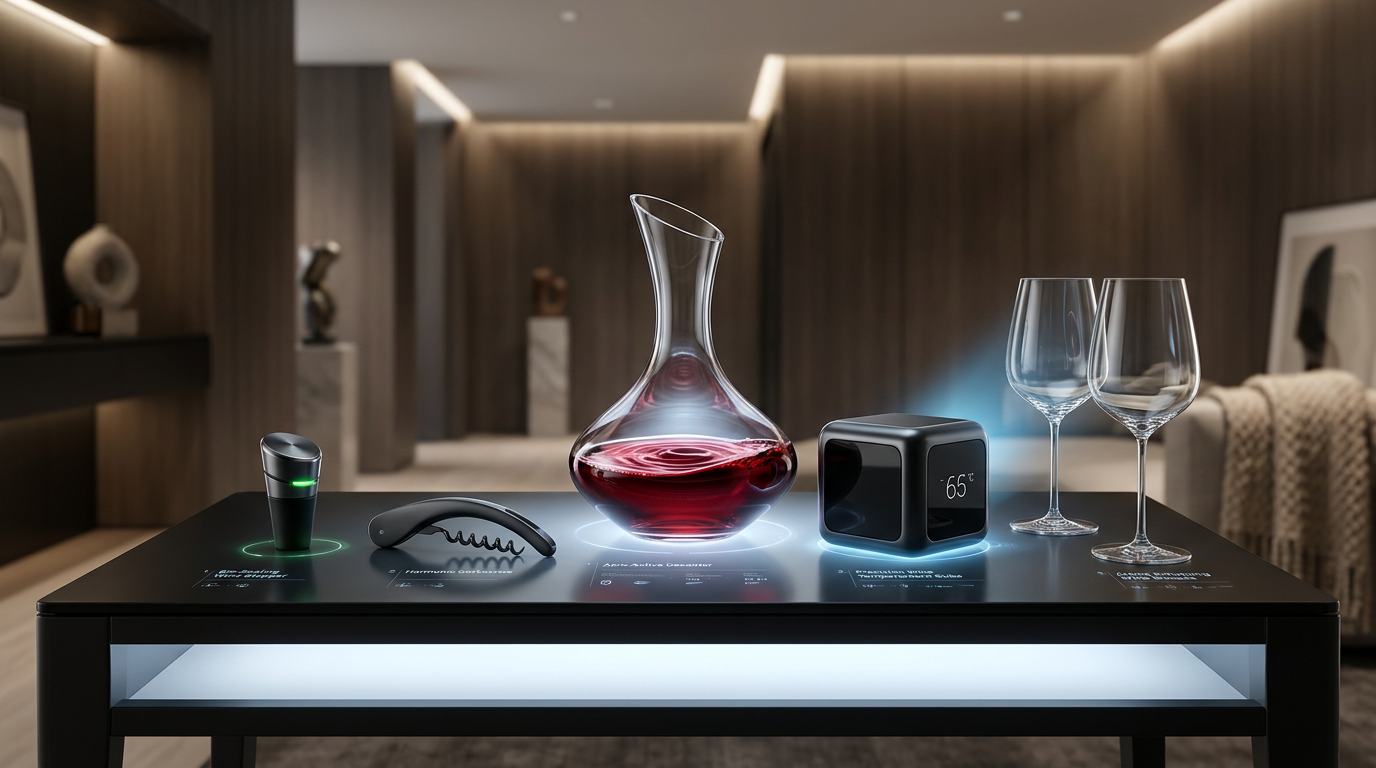
The Vinous Arsenal: Essential Tools for Elevating Your Wine Experience in 2026
As we navigate May 2026, the world of wine continues to evolve, offering enthusiasts unprecedented tools. Discover the essential wine accessories for 2026 that will elevate your enjoyment, from innovative aerators to smart preservation systems. Upgrade your vinous arsenal today with Greatest Wine.
Juniper Thorne