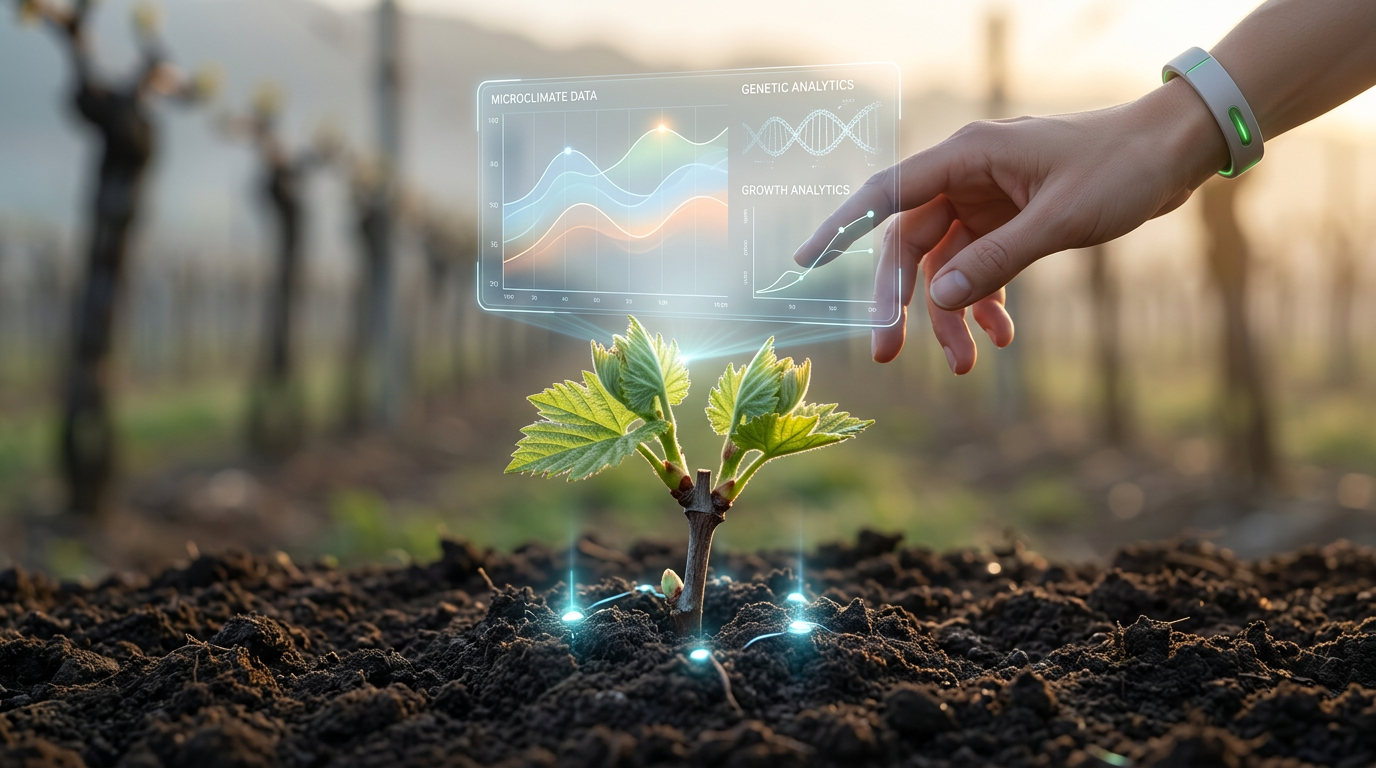
The Art of the 'Vinous Micro-Biome': Crafting Terroir Through Engineered Yeast and Bacterial Cultures in 2026
In 2026, the winemaking world is buzzing with the emergence of engineered yeast wine. This innovative approach fundamentally reshapes how we understand and create the intricate flavors and aromas that define a truly exceptional wine, crafting terroir through controlled micro-biomes.

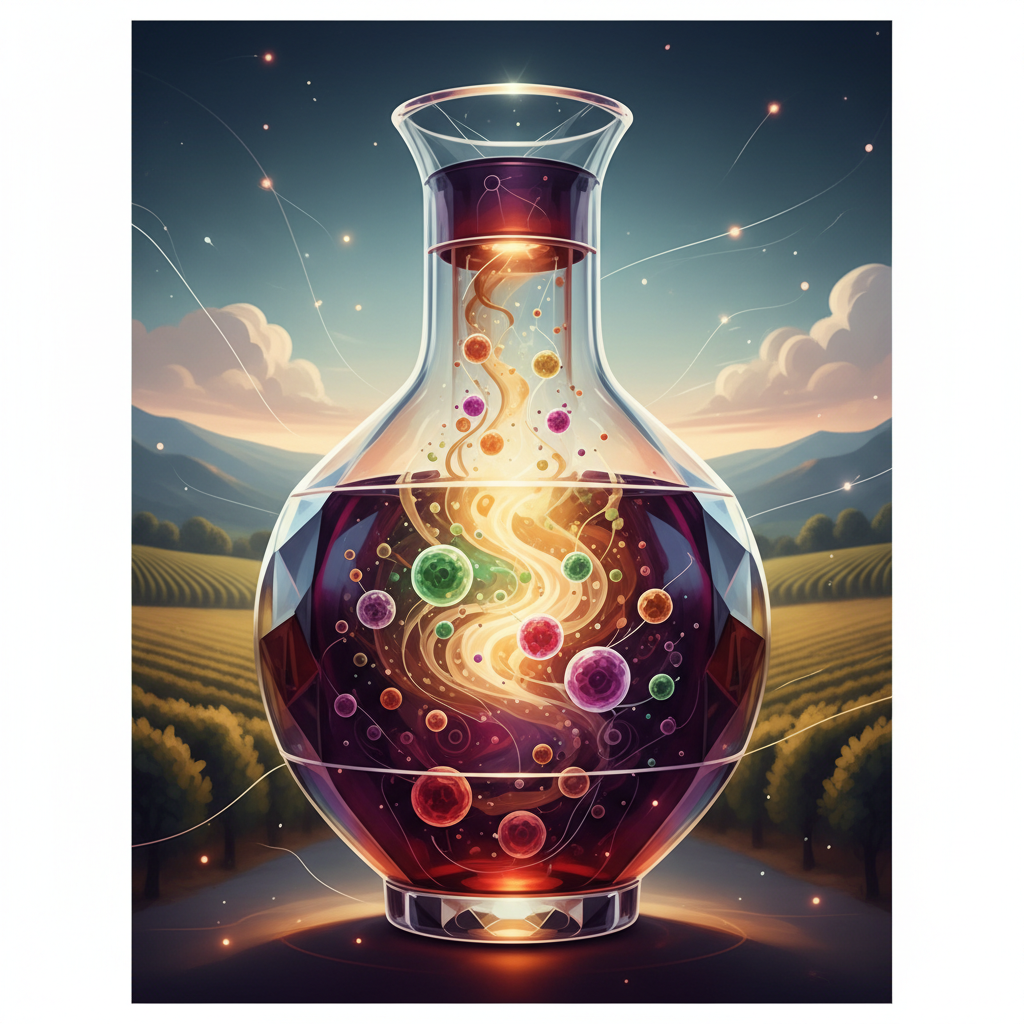
The Art of the 'Vinous Micro-Biome': Crafting Terroir Through Engineered Yeast Wine and Bacterial Cultures in 2026
In the dynamic world of winemaking, innovation constantly pushes boundaries. One of the most exciting frontiers in 2026 is the emergence of engineered yeast wine. This development fundamentally reshapes how we understand and create the intricate flavors and aromas defining exceptional wine. By harnessing microbial engineering, winemakers can sculpt the 'vinous micro-biome.' This moves beyond traditional terroir, meticulously designing microbial cultures for specific sensory profiles. This deep dive will explore how this cutting-edge science revolutionizes production, enhances sustainability, and offers unprecedented control over the final product, creating a new era for wine enthusiasts and producers alike. This evolution aligns with a broader trend of decoding humanity's indelible mark on wine in 2026, showcasing how human ingenuity is increasingly shaping the natural world of viticulture.
The Science Behind Engineered Yeast Wine: A New Terroir Paradigm
Terroir has long been central to winemaking, emphasizing the unique combination of soil, climate, and topography influencing a wine's character. However, with microbial engineering, especially in engineered yeast wine, this definition is expanding. Scientists no longer just observe natural micro-organisms in a vineyard; they actively design and deploy tailored microbial cultures to achieve specific vinous expressions. This proactive approach complements other innovative practices, such as deconstructing hybrid grape varieties and their terroir blends in 2026, further diversifying the winemaking landscape.
Understanding Microbial Engineering in Winemaking
Microbial engineering involves genetically modifying yeasts, bacteria, and even fungi to enhance specific fermentation traits. For winemaking, this means developing yeast strains that produce more desirable esters, reduce unwanted off-flavors, or tolerate challenging fermentation conditions. The goal is to optimize the conversion of grape must into wine, ensuring consistency and quality previously unattainable. The rise of engineered yeast wine is a testament to this scientific advancement.
- Precision Flavor Development: Modifying yeast genes allows winemakers to precisely control the production of aromatic compounds like terpenes, esters, and thiols. This leads to wines with enhanced fruitiness, floral notes, or desired spice profiles.
- Addressing Fermentation Challenges: Engineered yeasts can be tailored to be more resilient to high sugar concentrations, low pH, or varied temperatures. This minimizes stuck fermentations and ensures a smoother, more predictable process.
- Mitigating Undesirable Compounds: Specific yeast strains can reduce the formation of compounds like volatile acidity, diacetyl (buttery notes), or hydrogen sulfide. This results in cleaner, more refined wines.
Beyond Yeasts: The Role of Bacterial Cultures
While primary alcoholic fermentation is the domain of yeast, malolactic fermentation, driven by lactic acid bacteria, is equally crucial for many wine styles. In 2026, bacterial engineering also plays a significant role. These engineered bacteria can contribute unique textures, effectively reduce harsh acidity, or even add complex savory notes. This further expands the possibilities for engineered yeast wine.
Ultimately, the combination of precisely selected and sometimes engineered yeast and bacterial strains creates a 'vinous micro-biome.' This ecosystem is no longer left solely to chance. Instead, it is carefully constructed to deliver specific outcomes, thus offering a new dimension to the art of winemaking. More information on the broader wine microbiology field can be found at Wine Science's dedicated microbiology section.
Benefits and Applications of Engineered Yeast Wine in Modern Production
The practical implications of engineered yeast wine are vast, offering numerous advantages to winemakers. These innovations allow them to elevate their craft and address contemporary challenges. From environmental sustainability to expanded stylistic exploration, engineered microbes are proving to be game-changers in the industry. This mirrors the focus on sustainability seen in crafting wines that echo their unique ecological home in 2026.
Enhancing Sustainability and Efficiency
One of the most compelling benefits of engineered yeast is its potential to improve winemaking's environmental footprint. By optimizing fermentation efficiency, producers can significantly reduce energy consumption and resource use. This makes engineered yeast wine a more sustainable choice.
- Reduced Sulfur Dioxide (SO2) Needs: Certain engineered yeasts produce fewer byproducts that traditionally require SO2 for stabilization. This potentially leads to wines with lower preservative levels.
- Water Conservation: Optimized fermentation can sometimes reduce the need for specific cleaning cycles or temperature controls. This indirectly contributes to water savings.
- Waste Minimization: Ensuring more complete and controlled fermentations reduces the incidence of spoiled batches or off-flavored wines, leading to less product waste.
Expanding Stylistic Horizons and Consistency
Winemakers traditionally rely on regional yeast strains or commercial wild yeasts, which offer variability. However, engineered yeast wine offers unprecedented control and predictability. This allows for unparalleled consistency in product quality year after year, even with variations in grape quality due to climate shifts.
Moreover, the ability to introduce specific flavor precursors or enzymatic activities means winemakers can craft entirely new wine styles or replicate complex profiles with greater precision. Imagine a winemaker in a non-traditional region imparting the signature aromatics of a classic varietal grown elsewhere, thanks to tailored microbial input.
Precision in Flavor and Aroma Profiles
Fine-tuning the metabolic pathways of yeast and bacteria opens up a world of possibilities for flavor customization. This could lead to wines with:
- More intense and persistent fruit flavors.
- Enhanced floral or herbal notes.
- Reduced astringency or bitterness.
- Novel aromatic compounds never before seen in traditional wines.
The Ethical and Regulatory Landscape of Engineered Yeast Wine
As with any groundbreaking technology, the rise of engineered yeast wine brings important ethical considerations and regulatory discussions. Ensuring consumer trust and responsible innovation are paramount as this technology becomes more mainstream in 2026. Insights into new wine technologies can be found on regulatory bodies' websites, such as the TTB's Wine Current Issues page.
Consumer Perception and Acceptance
One main challenge lies in consumer perception. The term "engineered" or "genetically modified" can sometimes evoke skepticism or apprehension. Transparent communication from winemakers about the benefits, safety, and meticulous testing involved with engineered microbes will be crucial for broader acceptance of engineered yeast wine. Emphasizing the enhancement of natural processes rather than artificial alteration is key.
Educating the public about the long history of human interaction with microbes in food production, from bread to cheese, can help contextualize the role of engineered microorganisms in wine. This isn't about synthetic wine; it's about optimizing natural biological systems.
Regulatory Frameworks and Labeling
The regulatory landscape for genetically modified organisms (GMOs) in food and beverage varies significantly across different countries and regions. As engineered yeast wine becomes more prevalent, clear and consistent regulations will be essential. This includes guidelines on:
- Safety Testing: Rigorous assessment of engineered strains ensures they are safe for consumption and pose no environmental risks.
- Labeling Requirements: Decisions on whether wines produced with engineered yeasts require specific labeling, similar to other GMO products. This balance between transparency and avoiding undue alarm will be a critical discussion point for regulators.
- International Harmonization: As wine is a globally traded commodity, harmonizing regulations across major wine-producing and consuming nations will be vital to avoid trade barriers. Leading organizations like the OIV (International Organisation of Vine and Wine) are at the forefront of these discussions.
Industry bodies and research institutions are actively collaborating in 2026 to develop robust frameworks that support innovation while safeguarding public interest and environmental health.
Future Outlook: The Evolution of Winemaking with Microbial Engineering
The journey of engineered yeast wine is just beginning, and its trajectory in the coming years promises to reshape the very definition of quality and innovation in winemaking. As research continues to advance, we can expect even more sophisticated applications and a deeper understanding of the microbial impact on sensory characteristics.
Precision Viticulture Meeting Precision Fermentation
The integration of advanced viticultural practices, such as precision irrigation and nutrient management, with precision fermentation techniques using engineered microbes, will lead to unprecedented control. This holistic approach will allow winemakers to craft wines with unparalleled consistency, complexity, and expression of chosen characteristics. This future is bright for engineered yeast wine.
- Hyper-Localized Flavors: Imagine vineyards where each block's unique micro-terroir is amplified or complemented by specifically designed microbial cultures to produce highly individualized and expressive wines.
- Climate Change Adaptation: Engineered yeasts could be developed to thrive in rapidly changing climatic conditions. This helps winemakers adapt production to warmer temperatures or altered rainfall patterns without compromising quality. This complements the broader efforts in transforming 'problem' grapes into 2026's unexpected treasures.
The Role of AI and Big Data
Artificial intelligence (AI) and big data analytics will play an increasingly vital role in optimizing the design and application of engineered yeast. AI algorithms can analyze vast datasets of microbial genomics and sensory profiles to predict how specific genetic modifications will influence a wine's final taste and aroma. This predictive power will accelerate the development of new and improved microbial strains for engineered yeast wine.
Winemakers will use AI to select the perfect combination of engineered yeast and bacterial cultures for a given grape varietal, vintage, and desired wine style. This will usher in an era of hyper-customized wine production. The potential to create truly bespoke wines, tailored to individual preferences, is no longer a distant dream but a tangible reality in the making.
A New Era of Craft and Exploration
Ultimately, engineered yeast wine empowers winemakers with new tools. This allows them to express their creativity and vision in ways previously unimaginable. This is not about replacing traditional methods but augmenting them, providing new avenues for artistic expression and scientific precision. The future of wine in 2026 is one where the 'vinous micro-biome' is a consciously sculpted element of terroir, leading to a richer, more diverse, and more sustainable global wine landscape.
Written by
Juniper Thorne is an experienced writer and educator with a deep passion for the world of wine. Bringing expertise in sensory analysis and wine culture to the Greatest Wine platform, Juniper helps readers explore and appreciate every nuance of wine.
Related Articles

The Cellar Architects: Mastering Elite Wine Preservation and Evolution in 2026
For the true connoisseur, wine is more than just a beverage; it's a living entity, an investment, and a passion. Mastering its preservation and evolution is an art form, especially in 2026 with new technologies and insights. Learn how to protect and enhance your cherished collection.
Juniper Thorne