The Art of the 'Vinous Nebula': Deconstructing the Cosmic Influences on Terroir in 2026
This article delves into the intriguing concept of 'cosmic terroir,' expanding on the traditional understanding of terroir to include influences from celestial bodies, solar cycles, and other cosmic phenomena. We'll explore how these subtle yet profound forces might shape the characteristics of wine, offering a fresh perspective on viticulture in 2026.

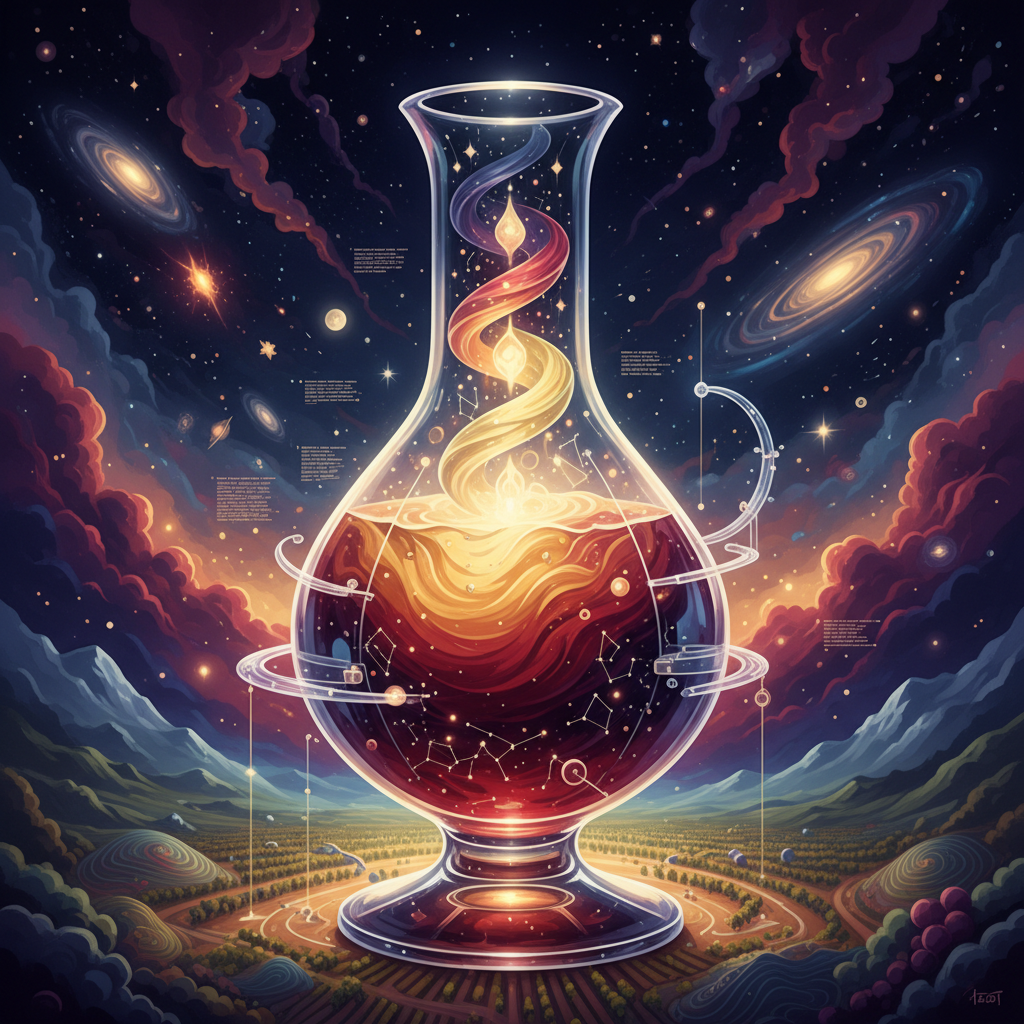
The Art of the 'Vinous Nebula': Deconstructing the Cosmic Terroir in 2026
In the vast and intricate world of wine, the concept of terroir is often discussed, debated, and revered. However, what if we expanded our understanding of this foundational idea to include influences far beyond the Earth's surface? The notion of cosmic terroir invites us to explore the subtle, yet profound, ways celestial bodies, solar cycles, and even distant starlight might subtly shape the very character of our wines. As we navigate 2026, a growing fascination with biodynamic principles and holistic viticulture is shining a new light on these age-old, yet newly appreciated, connections, truly defining the essence of cosmic terroir.
For additional insights into cultivating unique vineyard characteristics, explore The Art of the Vinous Zen Garden: Cultivating Micro-Terroirs for Ultra-Limited Edition Wines in 2026.
Unveiling the Layers of Cosmic Terroir: Beyond Earthly Boundaries
Traditional terroir encompasses geology, climate, topography, and human influence. It’s the summation of all natural factors interacting with the vines. But the principles of cosmic terroir suggest an additional layer: the energetic imprints from the sun, moon, planets, and even the broader galaxy. This isn't about science fiction; it’s about a deeper, more holistic view of nature and its myriad forces, enriching our understanding of cosmic terroir.
Vineyards are not isolated entities; they are living ecosystems bathed in a constant flow of cosmic energy. From the gravitational pull of the moon affecting sap flow to the subtle energetic shifts attributed to planetary alignments, proponents argue these forces contribute to the vine's vitality, the fruit's ripeness, and ultimately, the wine's unique expression.
For a contemporary perspective on the impact of astronomical events on agriculture, consider the research presented by NASA regarding the Moon's influence on Earth.
The Moon's Dance: Gravitational Rhythms and Vine Life
- Sap Flow and Plant Metabolism: Just as the moon influences tides, its gravitational pull is thought to affect the movement of water and nutrients within the vine. Biodynamic calendars, widely adopted in many top vineyards globally in 2026, recommend specific tasks like pruning or harvesting based on lunar phases – root days, leaf days, flower days, and fruit days. These practices are integral to understanding cosmic terroir.
- Lunar Cycles and Wine Character: Some believe that wines tasted on "fruit days" exhibit more vibrant fruit characteristics, while "root days" might dampen aromatic expression. While empirical scientific proof remains elusive, many experienced tasters and winemakers attest to these perceived differences, making it a compelling aspect of cosmic terroir. For deeper insights into this practice, read about The Art of the 'Vinous Metronome': Synchronizing Lunar Cycles and Vineyard Rhythms for 2026's Biodynamic Precision.
Solar Cycles and Climatic Impact
The sun is the primary energy source for photosynthesis, driving the entire growing cycle. Solar flares and sunspot activity, which occur in roughly 11-year cycles, can impact Earth's climate and weather patterns. These shifts, while often subtle, can influence growing season temperatures, rainfall, and UV exposure – factors directly linked to grape ripening and flavor development. Understanding these long-term solar rhythms adds another dimension to our appreciation of cosmic terroir.
Furthermore, the sun’s influence isn't just about heat and light; it’s about the full spectrum of its radiation and energetic output. This energetic exchange is fundamental to phytochemistry, impacting the phenolic compounds that give wine its color, aroma, and structure, all contributing to the unique cosmic terroir.
Planetary Alignments and Energetic Signatures in Viticulture
Beyond the sun and moon, the positions of other planets in relation to Earth and the vines are considered significant in biodynamic viticulture. Rudolf Steiner, the founder of biodynamic agriculture, posited that each planet has a unique energetic signature that influences specific aspects of plant growth and quality. For example, Mars might influence iron processes, while Venus could affect flower development, all part of the intricate dance of cosmic terroir.
While this remains a highly esoteric aspect of cosmic terroir, the increasing number of renowned wineries globally embracing biodynamics in 2026 suggests a practical belief in these celestial correlations. These practitioners observe planetary alignments, conjunctions, and oppositions, attempting to synchronize vineyard activities with these perceived cosmic rhythms to enhance vine health and wine quality.
For purists of cosmic terroir, the entire solar system is a dynamic tapestry of influences, each thread contributing to the ultimate complexity within the glass. This perspective elevates viticulture from a purely agricultural pursuit to an act of deep ecological communion.
Interest in biodynamic practices continues to grow among major wine producers, as highlighted by articles from Decanter magazine on trends in biodynamic wine in 2026.
The Role of Zodiacal Influences
Astrological signs, rooted in the constellations through which the sun, moon, and planets appear to pass, also play a part in some interpretations of cosmic terroir. Each sign is associated with specific elements (earth, air, fire, water) which are believed to correspond to different parts of the plant and its growth cycle:
- Earth Signs (Taurus, Virgo, Capricorn): Root days – beneficial for planting, pruning, and activities focusing on root development.
- Water Signs (Cancer, Scorpio, Pisces): Leaf days – suitable for watering and promoting leaf growth.
- Fire Signs (Aries, Leo, Sagittarius): Fruit days – ideal for harvesting and maximizing fruit expression.
- Air Signs (Gemini, Libra, Aquarius): Flower days – thought to enhance aromatic qualities, often avoided for cellar work.
These designations guide vineyard managers in scheduling key interventions, aiming to harness cosmic energies for optimal vine vitality and ultimately, a more expressive wine, a true product of cosmic terroir. Explore how these principles contribute to regional character in The Art of the Vinous Bioregion: Crafting Wines that Echo Their Unique Ecological Home in 2026.
Tasting the Stars: Sensory Perception and Cosmic Terroir
Can one truly taste the influence of the cosmos in a glass of wine? For many, the answer lies not in direct chemical analysis, but in a holistic appreciation of the wine's energy, balance, and longevity. Wines from biodynamically farmed vineyards, often associated with strong cosmic terroir, are frequently described as possessing greater vitality, clarity, and an enhanced "sense of place."
When conducting a professional wine tasting, our platform encourages sensory analysis beyond the obvious. We prompt our readers to consider not just primary fruit and oak notes, but also the wine’s texture, its persistence, and its subtle energetic imprint. Could some of these nuanced qualities be attributed to the ethereal touch of the cosmos, shaping the very nature of cosmic terroir?
The experience of a "vinous nebula" suggests a wine so complex and multifaceted that it evokes an almost celestial experience – layers of flavor unfolding like galaxies, a balance achieved through an invisible harmony of earthly and cosmic forces. This esoteric dimension adds profound depth to our wine appreciation in 2026. Delve deeper into the intricacies of flavor perception in The Art of the 'Cognitive Blend': How Our Brains Harmonize Wine Flavors in 2026.
Beyond the Palate: The Energetic Signature
While objective scientific measurement of cosmic effects on wine flavors remains challenging, subjective experience and anecdotal evidence are powerful motivators. Many winemakers who embrace biodynamic practices report healthier vines, better resilience to disease, and wines with more vibrant characteristics and aging potential. They believe this is a direct result of cultivating a vineyard in harmony with the broader cosmos, thereby enhancing its inherent cosmic terroir.
Our platform focuses on helping enthusiasts truly understand wine’s character. This includes guiding readers on how to taste like a professional, discerning subtle notes, and appreciating the full story within each bottle. The concept of cosmic terroir offers a richer narrative, inviting us to connect with wine on a deeper, more philosophical level. For further reading on achieving a refined palate, see The Art of the Sommelier's Sixth Sense: Cultivating Intuition and Predictive Palate for 2026's Unseen Vintages.
The Future of Wine: Embracing the Celestial in 2026
As the wine world continues to evolve, pushing boundaries in sustainability, authenticity, and expression, the embrace of concepts like cosmic terroir is becoming more widespread. What was once considered fringe is now being explored by leading vintners worldwide. This holistic approach to viticulture recognizes that a vineyard is not merely an agricultural plot but an integral part of a vast, interconnected ecosystem, extending from the soil beneath our feet to the stars above.
The quest to understand and harness cosmic terroir reflects a desire for greater purity, vitality, and a deeper connection to nature in winemaking. It’s an ongoing conversation, blending ancient wisdom with modern observations, and inspiring a new generation of winemakers to look up at the night sky as they tend their vines. As we delve into 2026, this profound relationship between the celestial and the vine promises to deliver wines of extraordinary character and depth, inviting us to truly taste the universe in every sip, a testament to the power of cosmic terroir.
For more on the cutting edge of viticulture that acknowledges wider environmental impacts, consider resources like those provided by the International Organisation of Vine and Wine (OIV) on sustainable practices.
Written by
Juniper Thorne is an experienced writer and educator with a deep passion for the world of wine. Bringing expertise in sensory analysis and wine culture to the Greatest Wine platform, Juniper helps readers explore and appreciate every nuance of wine.