The Art of the 'Vinous Metronome': Synchronizing Lunar Cycles and Vineyard Rhythms for 2026's Biodynamic Precision
As we navigate 2026, the intricate concept of lunar viticulture is gaining significant traction in the winemaking world. This biodynamic approach synchronizes vineyard activities with the moon's phases, promising enhanced precision and sustainability. Discover how aligning with cosmic rhythms can elevate wine quality and redefine traditional winemaking practices for a truly unique vintage.

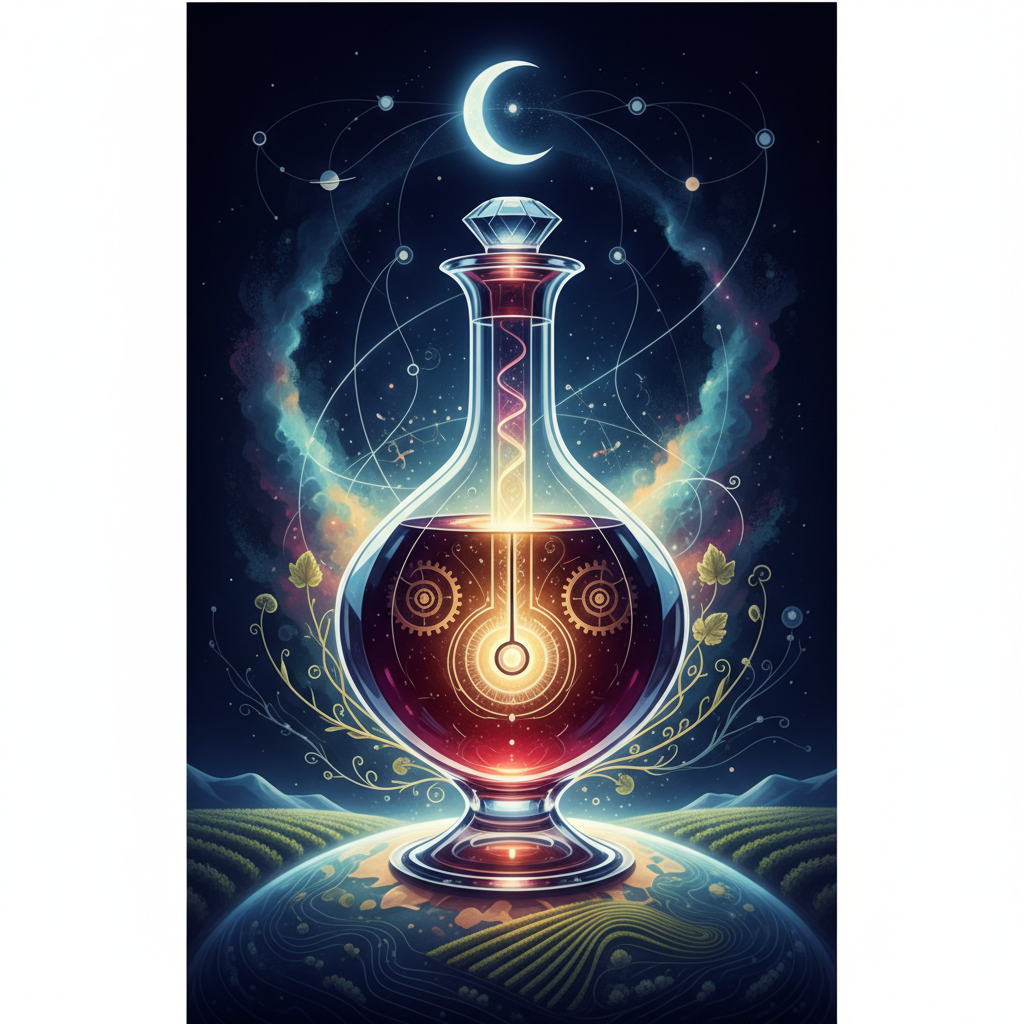
The Art of the 'Vinous Metronome': Synchronizing Lunar Cycles and Vineyard Rhythms for 2026's Biodynamic Precision in Lunar Viticulture
In the intricate world of winemaking, the concept of lunar viticulture is gaining significant traction, particularly as producers seek more biodynamic and sustainable approaches. As we move through 2026, the idea of synchronizing vineyard activities with cosmic rhythms, specifically the moon's phases, offers a fascinating perspective on grape cultivation. This ancient practice, refined through modern understanding, posits that the moon's gravitational pull and light directly influence plant growth, sap flow, and even the vitality of the soil. Embracing these celestial influences can lead to healthier vines and potentially more expressive wines, building on principles explored further in The Art of the Vinous Bioregion: Crafting Wines that Echo Their Unique Ecological Home in 2026.
Understanding the Core Principles of Lunar Viticulture
Lunar viticulture is deeply rooted in biodynamic farming, a holistic agricultural practice pioneered by Rudolf Steiner in the early 20th century. It views the vineyard as a self-sustaining ecosystem, where every element – from soil microorganisms to celestial bodies – plays a crucial role. The moon, with its rhythmic waxing and waning, is considered a significant factor in plant development.
The practice categorizes days based on the moon's position relative to constellations and its phases. These days are typically classified as:
- Root Days: Associated with descending forces, ideal for planting, pruning, and activities focusing on root development.
- Leaf Days: Linked to ascending forces and leaf growth, suitable for watering or green harvesting.
- Flower Days: Thought to enhance aromatic compounds, perfect for tasks that directly impact flowering or, later, for wine tasting to appreciate delicate bouquets.
- Fruit Days: Considered the most auspicious for harvesting grapes, as they are believed to encourage fruit development and flavor intensity.
Adhering to this celestial calendar informs every major vineyard task, from initial pruning to the final harvest, aiming to optimize natural processes and enhance grape quality.
Historical Roots and Modern Interpretations of Cosmic Influence
The concept of planting and harvesting by the moon is not new; ancient civilizations across the globe practiced similar forms of agricultural astrology. For a broader historical context, consider The Art of the 'Vinous Archaeologist': Unearthing and Reinterpreting Ancient Wine Production for 2026. What sets biodynamic lunar viticulture apart is its systematic application and the detailed observations that have been accumulated over decades. In 2026, while scientific validation in conventional terms remains a subject of ongoing research, many acclaimed biodynamic winemakers swear by its efficacy, citing noticeable improvements in vine health, resilience, and the sensory complexity of their wines.
Modern interpretations often involve sophisticated biodynamic preparations and meticulous record-keeping, allowing growers to track correlations between lunar cycles and vineyard outcomes. This blend of ancient wisdom and contemporary observation helps refine the practice. For more on cosmic influences, see The Art of the 'Vinous Nebula': Deconstructing the Cosmic Influences on Terroir in 2026.
Implementing Lunar Viticulture in 2026 Vineyards
For vineyards seeking to adopt or enhance their lunar viticulture practices in 2026, a strategic and informed approach is essential. It begins with a thorough understanding of the vineyard's specific terroir and microclimate, combined with a commitment to observing the biodynamic calendar.
Here’s how a vineyard might synchronize its rhythms:
- Pruning (Winter): Often conducted during descending moon phases on Root Days, encouraging strong root growth and vine vigor for the upcoming season.
- Planting (Spring): New plants are ideally introduced on Root Days during a waxing moon, believed to support robust establishment.
- Canopy Management (Summer): Tasks like leaf pulling might be scheduled on Leaf Days, while flowering is carefully observed, often aligning with Flower Days for optimal fruit set.
- Harvest (Autumn): Grapes are typically picked on Fruit Days, especially during a waxing moon, when the energetic forces are thought to concentrate in the fruit, enhancing flavors and aromas.
Beyond these primary tasks, even minor interventions like tilling, applying biodynamic preparations (such as horn manure or horn silica), and irrigation are scheduled according to the moon's influence. This meticulous planning aims to foster a stronger connection between the vine and its environment.
Tools and Resources for Biodynamic Scheduling
Several resources are available to winegrowers interested in biodynamic scheduling. Biodynamic calendars, such as those published by Maria Thun, specifically detail favorable and unfavorable days for various agricultural tasks based on lunar and planetary alignments. These calendars are updated annually, making them a crucial tool for practitioners of lunar viticulture in 2026.
Furthermore, biodynamic associations worldwide offer training, certification, and a network of experienced growers, fostering a community of shared knowledge and best practices. Digital tools and apps are also emerging, making it easier for vineyards to track and manage their biodynamic calendar effectively. For a deeper dive into the technical aspects of wine's chemical makeup, refer to The Art of the 'Molecular Terroir': Unlocking the Chemical Fingerprint of Wine in 2026.
The Impact of Lunar Viticulture on Wine Quality and Tasting
Perhaps the most compelling argument for lunar viticulture lies in its perceived impact on the final wine. Advocates often describe biodynamic wines as having a more vibrant energy, greater complexity, and a clearer expression of their terroir. While subjective, these characteristics are frequently noted by wine critics and enthusiasts.
One fascinating aspect gaining traction in 2026 is the idea of tasting wine according to the biodynamic calendar. Many proponents suggest that wines taste different depending on the moon phase on the day of tasting. For example:
- Fruit Days: Wines are said to display their most vibrant fruit characteristics and overall balance.
- Flower Days: Delicate aromatics and floral notes are believed to be more pronounced.
- Leaf Days: Wines might appear more vegetal or earthy, potentially less expressive.
- Root Days: Some report a heavier, more tannic, or closed perception of the wine.
This "vinous metronome" theory extends the biodynamic philosophy beyond the vineyard into the consumer experience, encouraging a deeper, more mindful appreciation of wine. This notion aligns with the broader movement towards mindfulness in wine as discussed in The Art of Vinous Contemplation: Cultivating Mindfulness Through Wine in 2026.
Case Studies: Success Stories in Biodynamic Winemaking
Numerous prestigious wineries globally have fully embraced biodynamic practices, including lunar viticulture, with remarkable success. Estates like Domaine de la Romanée-Conti (Burgundy), Domaine Leflaive (Burgundy), and Cullen Wines (Australia) are just a few examples. Their wines consistently receive critical acclaim, and many attribute their unique quality, depth, and longevity, at least in part, to their biodynamic approach. These success stories serve as powerful testimonials to the potential benefits of aligning viticultural practices with cosmic rhythms. Further information on biodynamic viticulture and its certifying bodies can be found on the Demeter Association Inc. website, a leading organization for biodynamic certification.
Challenges and Future of Lunar Viticulture
Despite its growing popularity, lunar viticulture, like all biodynamic farming, faces its share of challenges. The meticulous planning and labor-intensive nature of the practices can be demanding. Furthermore, the lack of universally accepted scientific validation often leads to skepticism from conventional viticulture circles. The Wine Folly blog offers insights into the biodynamic debate, providing a balanced perspective on its acceptance.
However, as consumer demand for organic, sustainable, and authentic products continues to rise in 2026, the appeal of biodynamic and natural wines is undeniable. This increasing interest provides a strong impetus for further research and adoption of practices like lunar viticulture. The future likely holds a blend of traditional biodynamic wisdom with advancements in technology, allowing for more precise monitoring and understanding of the subtle influences at play. For a look at how ancient methods are being revived, see the Smithsonian Magazine's article on biodynamic wine.
The journey into lunar viticulture is an ongoing exploration of nature's profound intricacies. It's a testament to the belief that by working in harmony with the natural world, rather than against it, we can cultivate not just grapes, but a deeper connection to the earth and the heavens, ultimately creating wines that truly sing.
Written by
Juniper Thorne is an experienced writer and educator with a deep passion for the world of wine. Bringing expertise in sensory analysis and wine culture to the Greatest Wine platform, Juniper helps readers explore and appreciate every nuance of wine.
Related Articles

The Cellar Architects: Mastering Elite Wine Preservation and Evolution in 2026
For the true connoisseur, wine is more than just a beverage; it's a living entity, an investment, and a passion. Mastering its preservation and evolution is an art form, especially in 2026 with new technologies and insights. Learn how to protect and enhance your cherished collection.
Juniper Thorne